

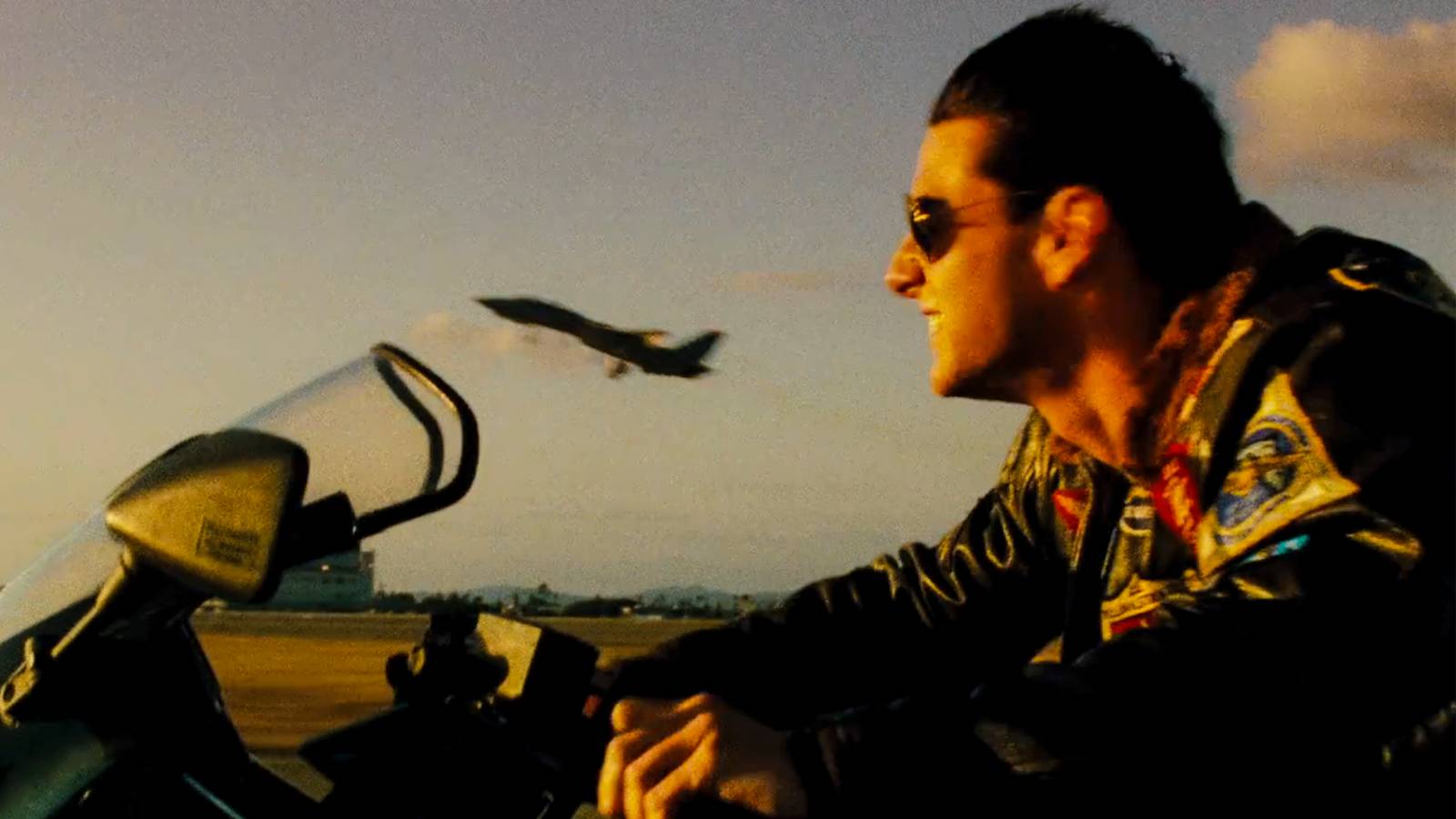
In 1986, Tom Cruise made Navy fighter pilots look like rock stars, Clint Eastwood whipped a squad of Marines into shape, and Sigourney Weaver fought for survival alongside a group of heavily armed Colonial Marines on a distant planet.
Meanwhile, Vietnam veteran Oliver Stone released two films questioning American involvement in foreign conflicts, and a British animated movie showed audiences what might happen if the Cold War turned nuclear. All six films arrived in the same year.
Forty years later, it’s remarkable how differently Hollywood approached the military in 1986. President Ronald Reagan was in his second term, Cold War tensions remained high, and the United States was still wrestling with the legacy of Vietnam, which had ended just 11 years earlier.
The differences extended behind the cameras. The Navy cooperated extensively with Top Gun, while the Pentagon eventually withdrew its support for Eastwood’s Heartbreak Ridge. Stone, an Army infantryman in Vietnam, brought a perspective shaped by his combat experience.
Some of these movies became enormous box-office successes. Others found smaller audiences but left lasting impressions. Together, they capture a fascinating moment when filmmakers offered competing ideas about war, military service and America’s place in the world.
Here are six military and war-related movies from 1986 worth revisiting on their 40th anniversaries.
1. Salvador
Oliver Stone released two movies about American involvement in foreign conflicts in 1986, and while Platoon became the more famous of the pair, Salvador deserves considerably more attention.
James Woods stars as Richard Boyle, a struggling American photojournalist who travels to El Salvador with his friend, played by Jim Belushi, hoping to revive his career.
Instead, Boyle finds himself documenting the country’s bloody civil war, where government forces, right-wing death squads and leftist guerrillas are fighting for control. The violence becomes increasingly personal as Boyle develops relationships with people whose lives are threatened by the conflict.
The film draws on the experiences of the real Richard Boyle, who co-wrote the screenplay with Stone. It also examines America’s support for the Salvadoran government during the Cold War, making its political perspective impossible to miss.
Woods received an Academy Award nomination for Best Actor, while Stone and Boyle were nominated for their original screenplay.
Revisiting Salvador today reveals an unusually confrontational Hollywood film about American foreign policy. It asks uncomfortable questions about what happens when the United States supports governments accused of serious human rights abuses in pursuit of larger geopolitical objectives.
It’s also a reminder that Stone was challenging American military intervention months before Platoon reached theaters.
2. Heartbreak Ridge
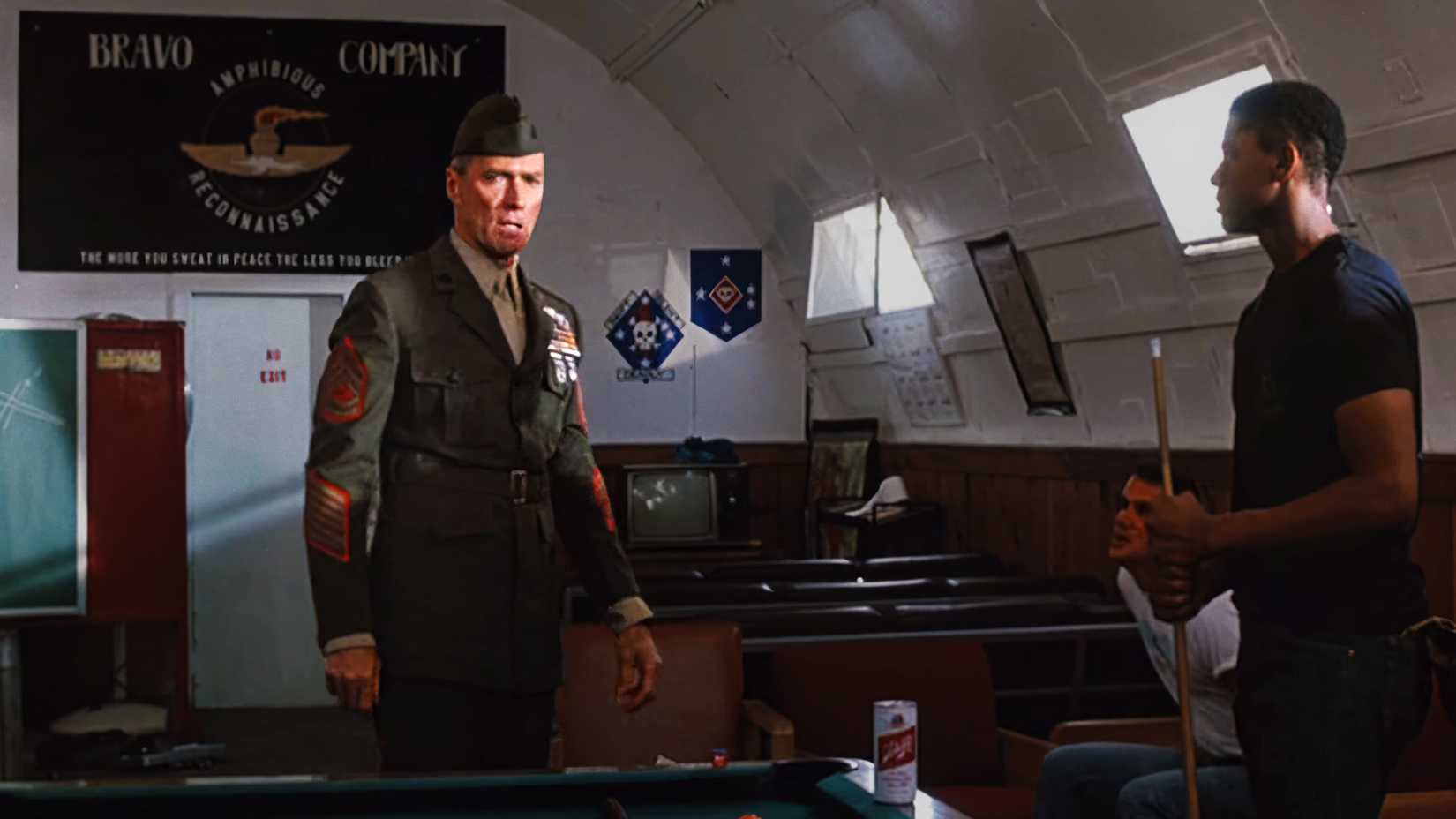
Clint Eastwood’s Heartbreak Ridge follows Gunnery Sgt. Tom Highway, a decorated, hard-drinking Marine veteran nearing retirement who finds himself assigned to train an undisciplined reconnaissance platoon.
Highway’s abrasive leadership, questionable training methods and endless supply of insults initially alienate his Marines. Eventually, he prepares them for combat during the 1983 American invasion of Grenada.
It’s an entertaining military movie built around the familiar idea that a tough, old-school noncommissioned officer can transform a collection of misfits into an effective fighting unit. The film’s production history, however, is nearly as interesting as the movie itself.
The screenplay originally centered on an Army soldier, but the Army declined to support the production. Eastwood subsequently changed the protagonist into a Marine and secured cooperation from the Marine Corps. That relationship fell apart before the movie reached theaters.
According to contemporary reporting from the Los Angeles Times, the Defense Department withdrew its support after objecting to the film’s language and its portrayal of Marine behavior, including violence against a wounded enemy soldier. Military experts have also questioned the film’s historical accuracy, particularly its depiction of Marine operations during the invasion of Grenada.
The controversy makes Heartbreak Ridge particularly interesting 40 years later. Eastwood’s fictional Marines represented a version of military culture that officials were uncomfortable publicly endorsing, even as audiences embraced the film’s rough-edged protagonist.
It also raises a worthwhile question about how much influence the military should have over its portrayal in entertainment.
3. Platoon
While Top Gun celebrated the excitement of military aviation, Oliver Stone’s Platoon took audiences into the jungles of Vietnam, where idealism rarely survived first contact with combat.
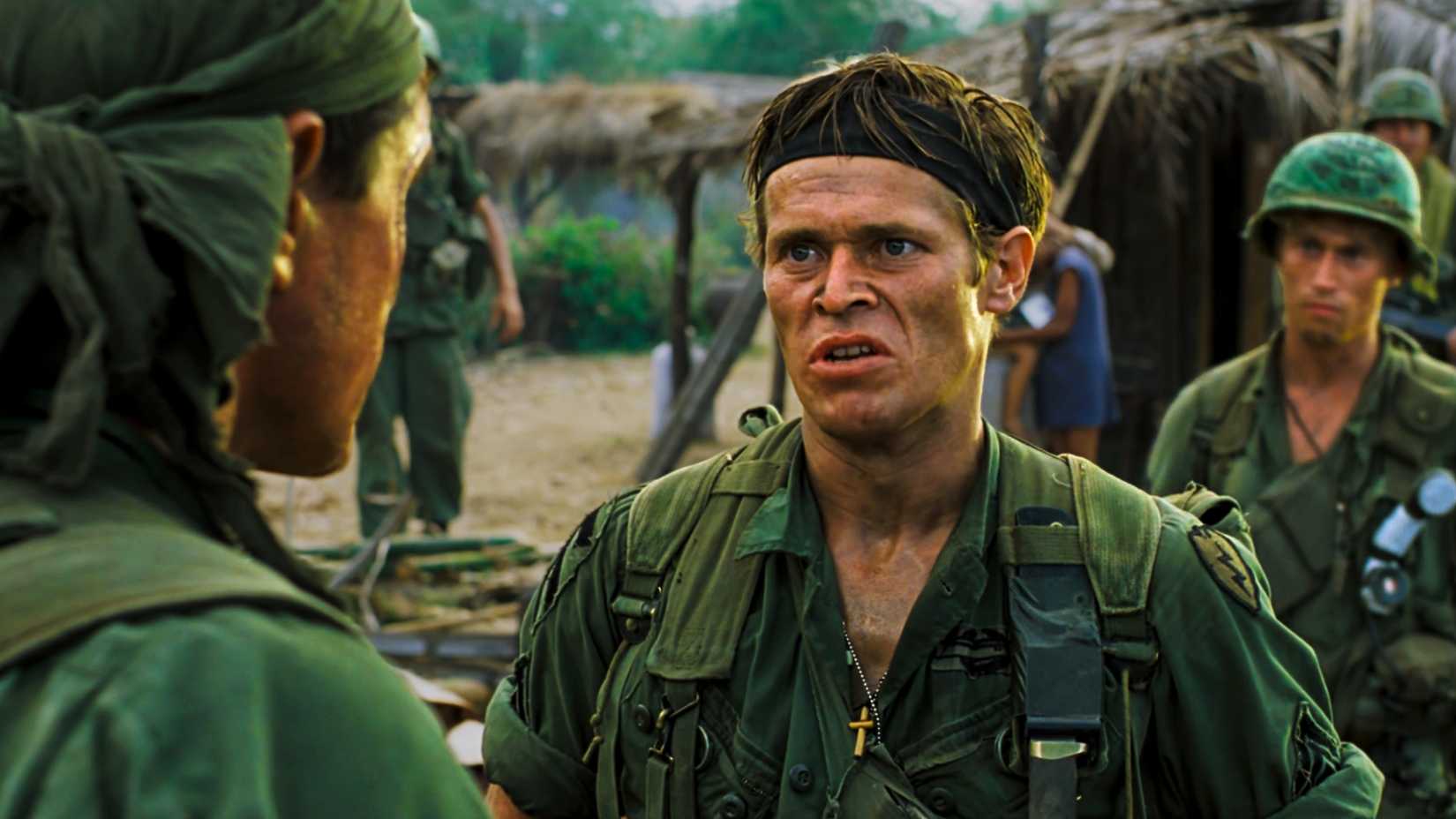
Charlie Sheen plays Chris Taylor, a young volunteer who arrives in Vietnam believing military service will give his life purpose. Instead, he encounters exhaustion, fear, moral uncertainty and increasingly bitter divisions within his own unit.
Two experienced soldiers, Sgt. Elias Grodin, played by Willem Dafoe, and Staff Sgt. Bob Barnes, played by Tom Berenger, represent opposing approaches to survival and the treatment of civilians. Their conflict becomes central to Taylor’s experience of the war.
Stone drew from his own time serving with the Army in Vietnam, giving the film a personal foundation that separated it from many earlier Hollywood portrayals of the conflict.
The production also benefited from military technical adviser Dale Dye, a Vietnam veteran who put the actors through intensive training to make their movements and interactions more convincing.
Released Dec. 19, Platoon became a critical and commercial success, eventually winning four Academy Awards, including Best Picture and Best Director.
Four decades later, the film remains an important depiction of infantry combat and the psychological toll of war.
Its greatest strength may be its willingness to show soldiers making difficult and sometimes terrible decisions under extraordinary circumstances. The enemy is dangerous, but the tensions within the platoon can be just as destructive.
4. Top Gun
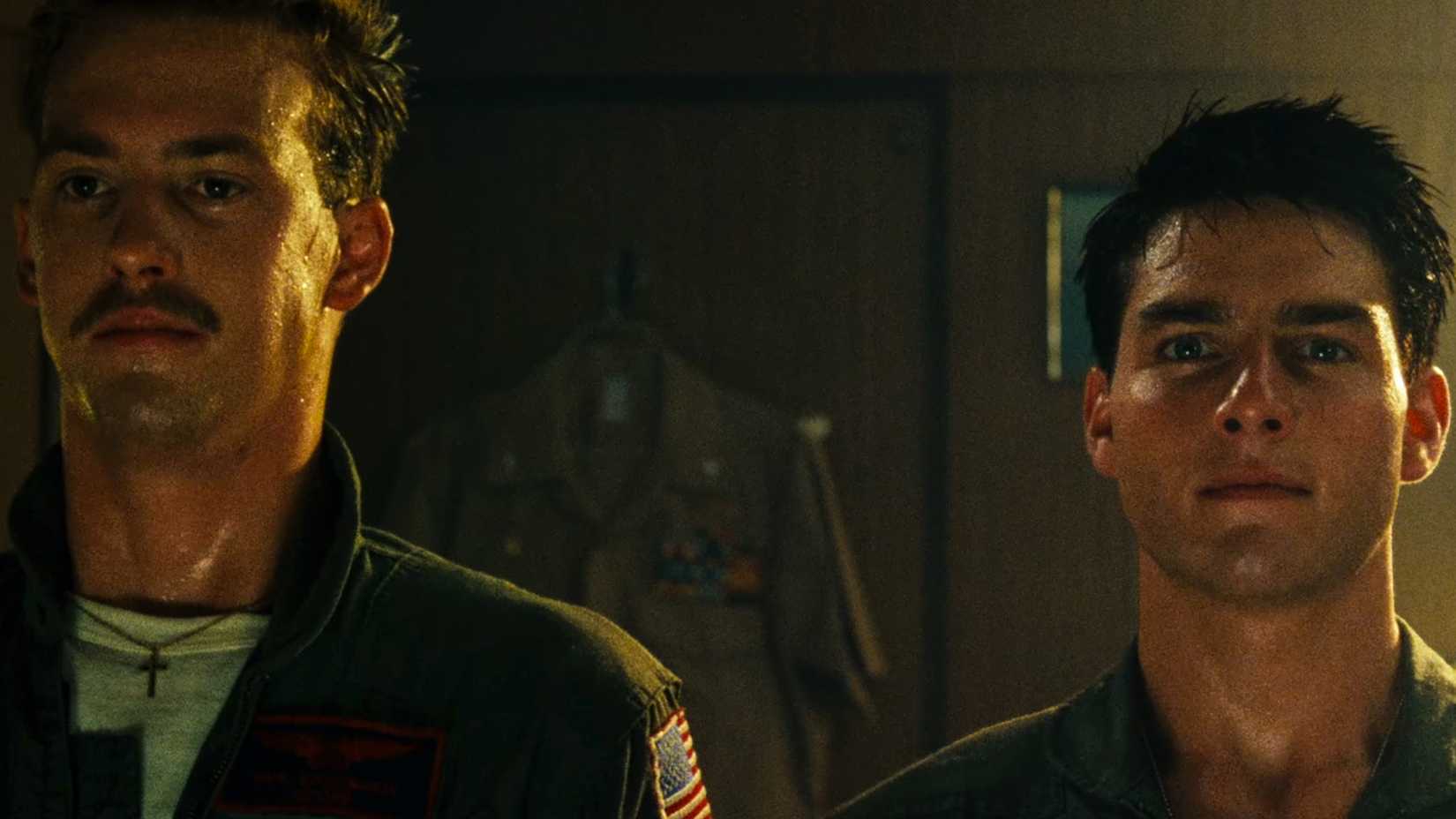
Few military movies have enjoyed the cultural impact of Tony Scott’s Top Gun. Released May 16, 1986, the film stars Tom Cruise as Lt. Pete “Maverick” Mitchell, a talented but reckless Navy pilot selected to attend an elite fighter weapons training program at Naval Air Station Miramar in California.
The combination of F-14 Tomcats, aerial combat, competitive pilots and a wildly successful soundtrack turned Top Gun into a phenomenon.
It also gave the Navy an extraordinary opportunity to showcase naval aviation.
Unlike Heartbreak Ridge, Top Gun enjoyed substantial military cooperation. According to a contemporary TIME report, the filmmakers paid for access to military aircraft, carriers and facilities, allowing Scott to capture aerial sequences that would have been extraordinarily difficult to reproduce independently.
The Navy later acknowledged that the film helped stimulate recruiting interest. The film’s recruiting legacy became so famous that the Air Force eventually developed its own recruiting campaign around the release of Top Gun: Maverick.
Watching Top Gun today, its influence is obvious. The movie established an image of fighter pilots that helped shape popular perceptions of military aviation for decades, eventually leading to the enormously successful 2022 sequel, Top Gun: Maverick. Its depiction of military service is certainly romanticized. The personal rivalries, rule-breaking and aerial encounters are designed for entertainment.
Still, the flying sequences remain remarkable, particularly considering that they were filmed decades before modern digital effects became commonplace.
Forty years later, Top Gun remains one of Hollywood’s most effective showcases for military aircraft.
5. Aliens
At first glance, James Cameron’s Aliens might seem like an unusual addition to a list of military movies. After all, its enemy is an extraterrestrial species, and the action takes place on a distant colony rather than a recognizable battlefield.
But the film’s military influences are impossible to ignore.
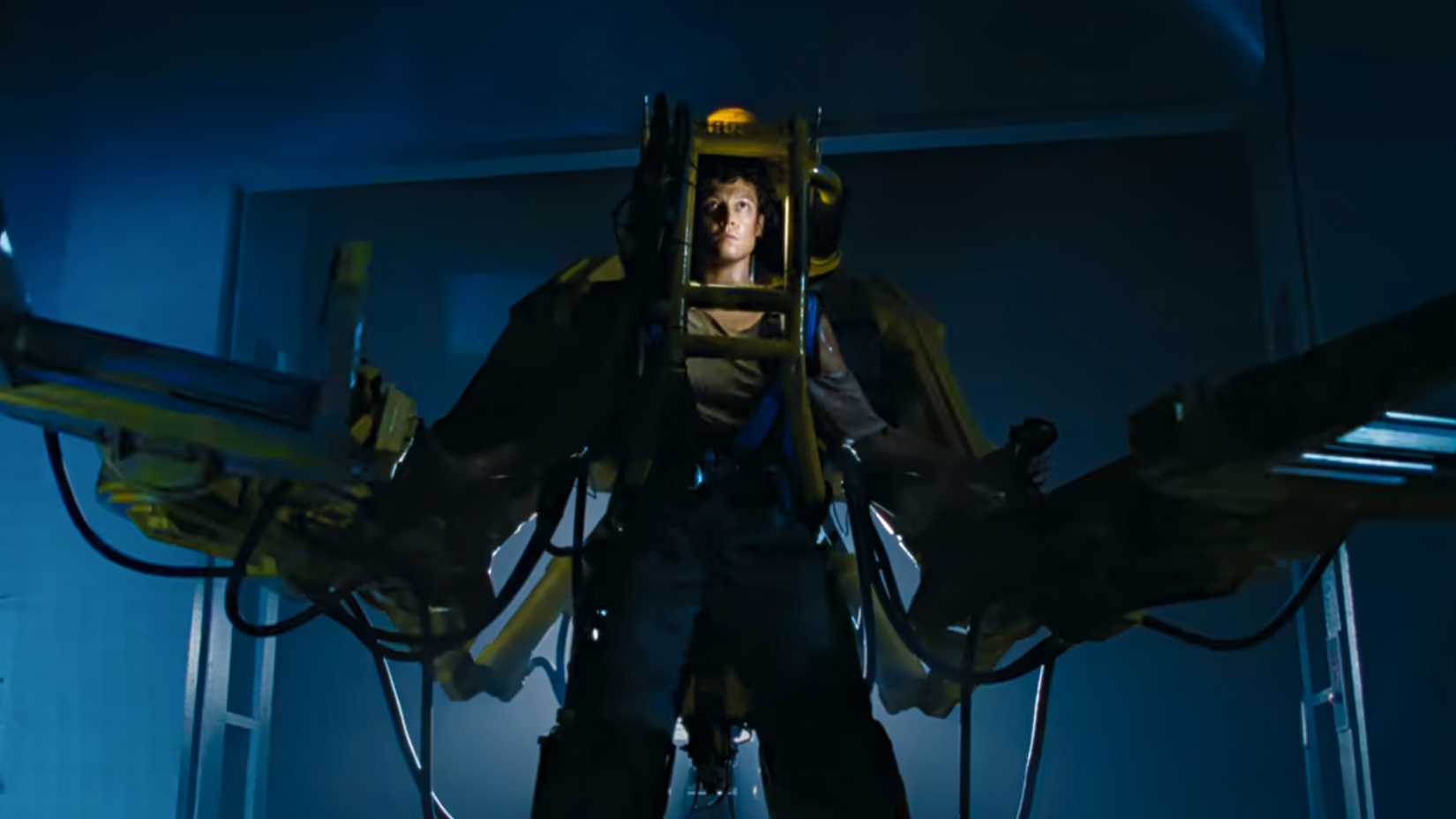
Released July 18, 1986, Aliens follows Ellen Ripley, played by Sigourney Weaver, as she accompanies a squad of Colonial Marines investigating the disappearance of settlers on LV-426.
The Marines arrive with armored vehicles, motion trackers, pulse rifles and the confidence that superior firepower can handle whatever awaits them.
Cameron drew on Vietnam War imagery in developing the Colonial Marines, including the soldiers’ equipment, attitudes and increasingly disastrous encounters with an enemy they underestimate.
The film’s soldiers have tremendous technological advantages, but their commanders misunderstand the threat, their intelligence is incomplete, and their mission collapses almost immediately.
Lt. Gorman’s indecision during the initial ambush makes matters worse, leaving Ripley to intervene when the survivors desperately need a way out.
The parallels with American military experiences in Vietnam have made Aliens especially interesting to revisit. Beyond its action and horror, the film examines overconfidence, failed leadership and the limits of military technology. It also helped establish a visual template for fictional military units that continues to influence video games, television and science fiction movies.
6. When the Wind Blows
Of all the movies on this list, When the Wind Blows is probably the least familiar to American audiences. It’s also among the most unsettling.
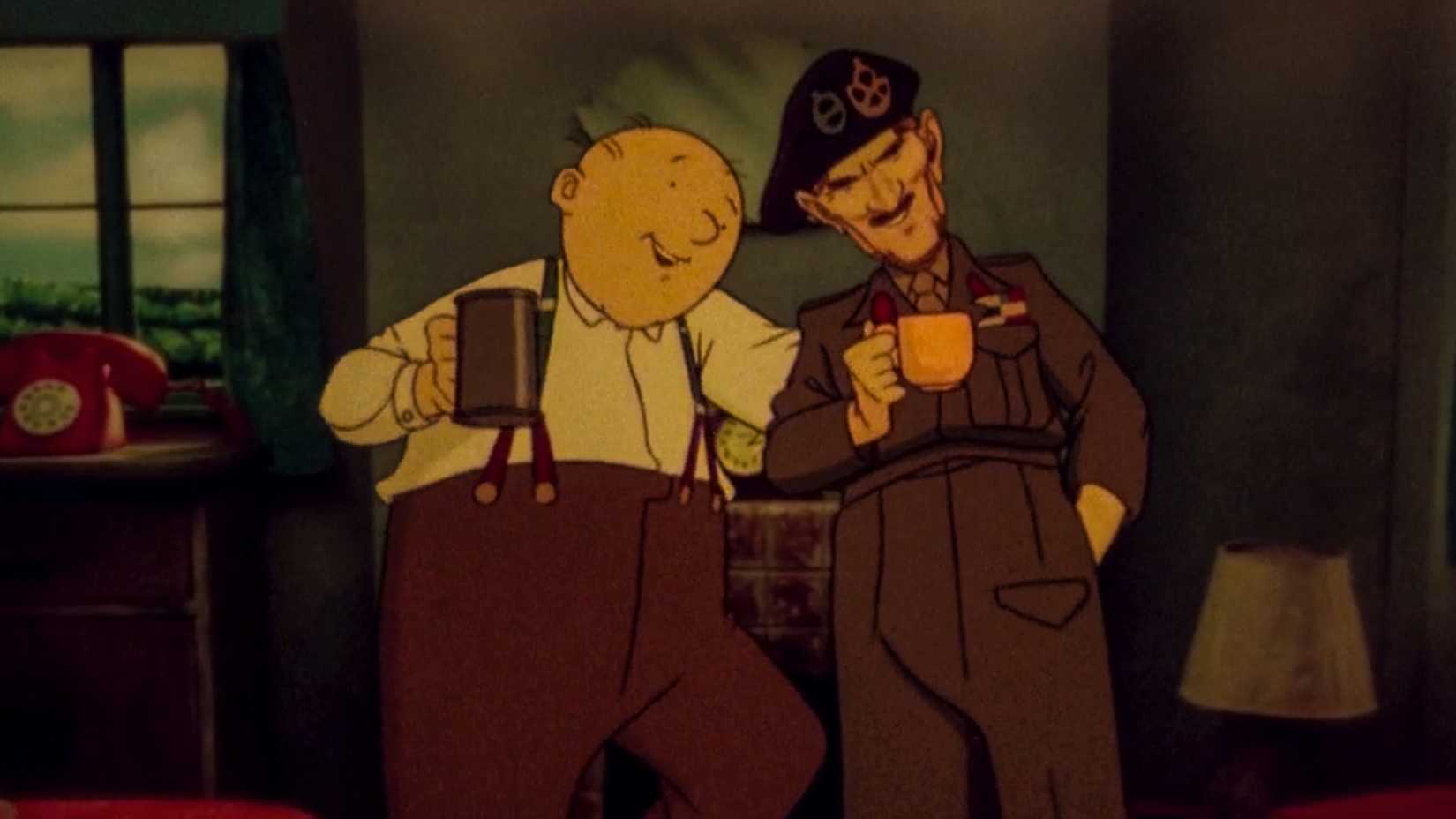
Directed by Jimmy T. Murakami and adapted from Raymond Briggs’ graphic novel, the British animated film follows Jim and Hilda Bloggs, an elderly couple preparing for nuclear war in their quiet countryside home.
Believing that their government will provide reliable instructions, they follow civil defense advice, assemble a makeshift shelter and attempt to remain optimistic as international tensions escalate. Then the bomb falls. What follows is a devastating examination of nuclear warfare from the perspective of ordinary civilians who have almost no understanding of the destruction surrounding them.
The film features the voices of John Mills and Peggy Ashcroft, with music by Roger Waters and a title song performed by David Bowie.
Its deceptively gentle animation makes the events even more disturbing. Jim and Hilda remain attached to the familiar routines of domestic life, struggling to comprehend the scale of the catastrophe.
Released in Britain in 1986, the film emerged during a period when nuclear annihilation remained a genuine public concern. American productions such as The Day After had already explored the potential consequences of nuclear conflict.
Four decades later, When the Wind Blows remains an especially effective reminder of what the Cold War’s military buildup ultimately threatened.
There are no heroic pilots or daring battlefield rescues. The story stays with two civilians facing the consequences of decisions made far beyond their home.
Six Movies, Six Very Different Views of War
Looking back at 1986, the differences between these six movies are striking.
Top Gun made military aviation glamorous. Heartbreak Ridge celebrated the hard-nosed leadership of an aging Marine. Platoon confronted the brutality of infantry combat, while Salvador questioned American involvement in foreign conflicts.
Aliens transformed familiar military anxieties into a science-fiction nightmare, and When the Wind Blows examined the horrifying possibility that a future war could leave almost nobody to celebrate victory.
They were made for different audiences, with different budgets and very different messages.
Yet their release during the same year reflects a country still working through the legacy of Vietnam while confronting the uncertainty of the Cold War.
Forty years later, these movies remain entertaining, uncomfortable and occasionally frustrating in ways their filmmakers probably intended. And revisiting them together provides a fascinating look at what Hollywood thought about the military in 1986.
Read the full article here
19 Comments
If AISC keeps dropping, this becomes investable for me.
Good point. Watching costs and grades closely.
If AISC keeps dropping, this becomes investable for me.
Good point. Watching costs and grades closely.
If AISC keeps dropping, this becomes investable for me.
Good point. Watching costs and grades closely.
Good point. Watching costs and grades closely.
Production mix shifting toward USA might help margins if metals stay firm.
Interesting update on 6 Military and War Movies From 1986 Turning 40 in 2026. Curious how the grades will trend next quarter.
Interesting update on 6 Military and War Movies From 1986 Turning 40 in 2026. Curious how the grades will trend next quarter.
Good point. Watching costs and grades closely.
Silver leverage is strong here; beta cuts both ways though.
Good point. Watching costs and grades closely.
Good point. Watching costs and grades closely.
Uranium names keep pushing higher—supply still tight into 2026.
Exploration results look promising, but permitting will be the key risk.
Interesting update on 6 Military and War Movies From 1986 Turning 40 in 2026. Curious how the grades will trend next quarter.
I like the balance sheet here—less leverage than peers.
Good point. Watching costs and grades closely.