
Anyone who has served in uniform knows a good commanding officer can make even the worst assignment bearable. A bad one, however, can turn an ordinary Tuesday into a career-defining disaster.
Hollywood has spent decades showing audiences both. Some fictional commanders inspire their troops through courage and competence. Others rely on intimidation, questionable judgment or an inflated sense of their own importance. A few are so spectacularly bad at leadership that it’s difficult to imagine how they survived long enough to earn their rank.
With Aaron Sorkin’s A Few Good Men returning to Broadway this October and bringing one of cinema’s most infamous Marine officers back into the spotlight, now’s a great time to revisit some of entertainment’s worst military bosses.
From the Colonial Marines of Aliens to the operating rooms of M*A*S*H, here are seven fictional commanders who would make almost anyone reconsider reenlisting.
Spoiler warning: This article discusses major plot developments from several films, television shows and video games.
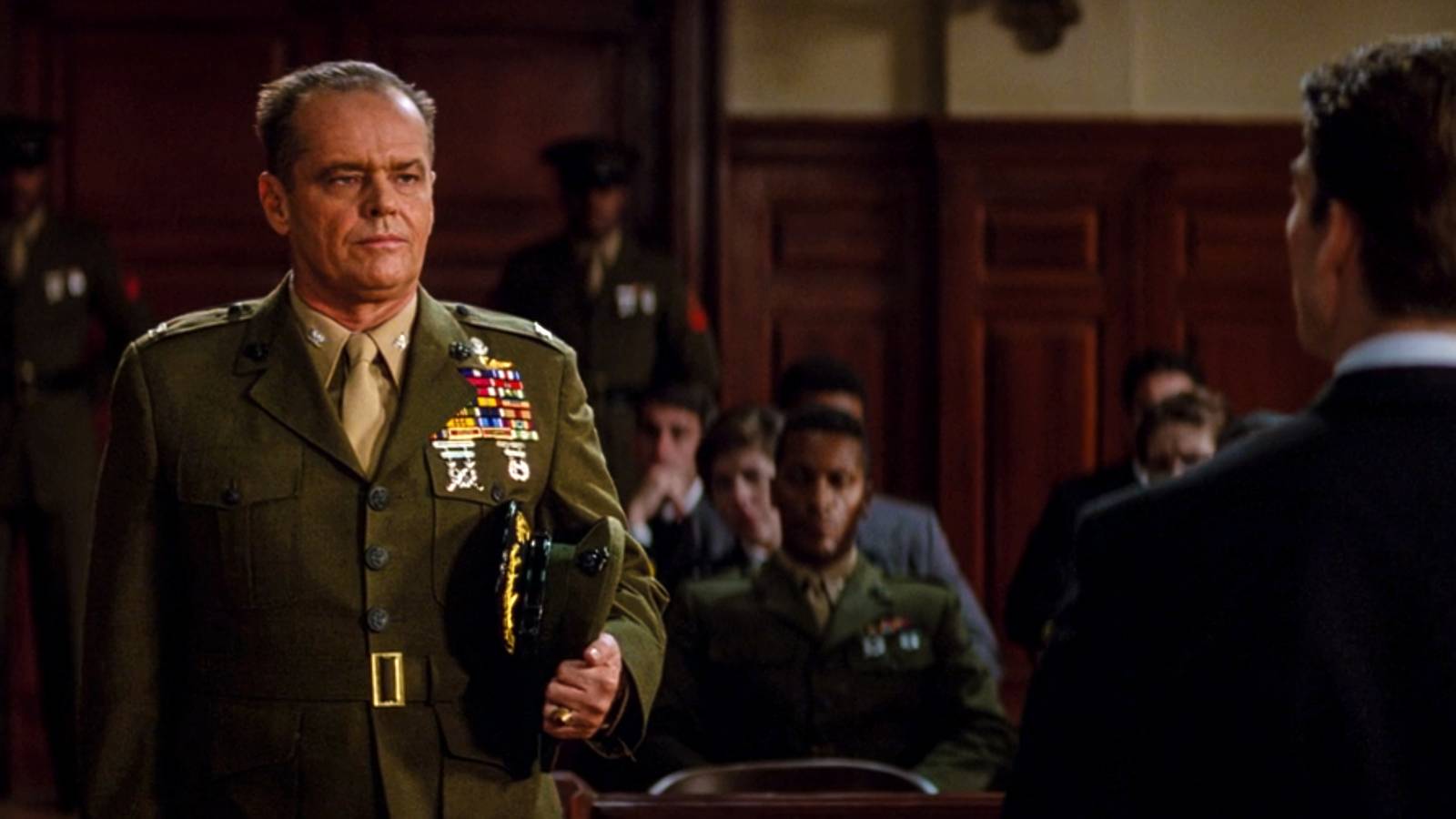
1. Col. Nathan Jessep, ‘A Few Good Men’ (1992)
Jack Nicholson’s Col. Nathan Jessep has everything you’d expect from an intimidating Marine commander: confidence, authority, an imposing presence and an absolute certainty that he’s the smartest person in any room.
Unfortunately, he’s also responsible for ordering an illegal punishment that results in the death of one of his Marines.
In Rob Reiner’s military courtroom drama, Jessep commands the Marine detachment at Guantanamo Bay, Cuba, where two Marines face murder charges following the death of Pfc. William Santiago.
As Navy lawyer Lt. Daniel Kaffee, played by Tom Cruise, investigates, he discovers that Santiago’s death resulted from a disciplinary practice known as a Code Red, which Jessep eventually admits ordering.
Jessep believes the demands of protecting the country justify his actions. He’s equally convinced that anyone questioning his decisions simply doesn’t understand the responsibilities of command.
That’s a particularly dangerous combination for someone entrusted with junior service members’ lives.
Nicholson’s performance remains so memorable that Bradley Whitford is stepping into the role for the 2026 Broadway revival, scheduled to open Oct. 29 officially.
The leadership problem: An officer who believes military necessity places him above the law.
2. Lt. Scott Gorman, ‘Aliens’ (1986)
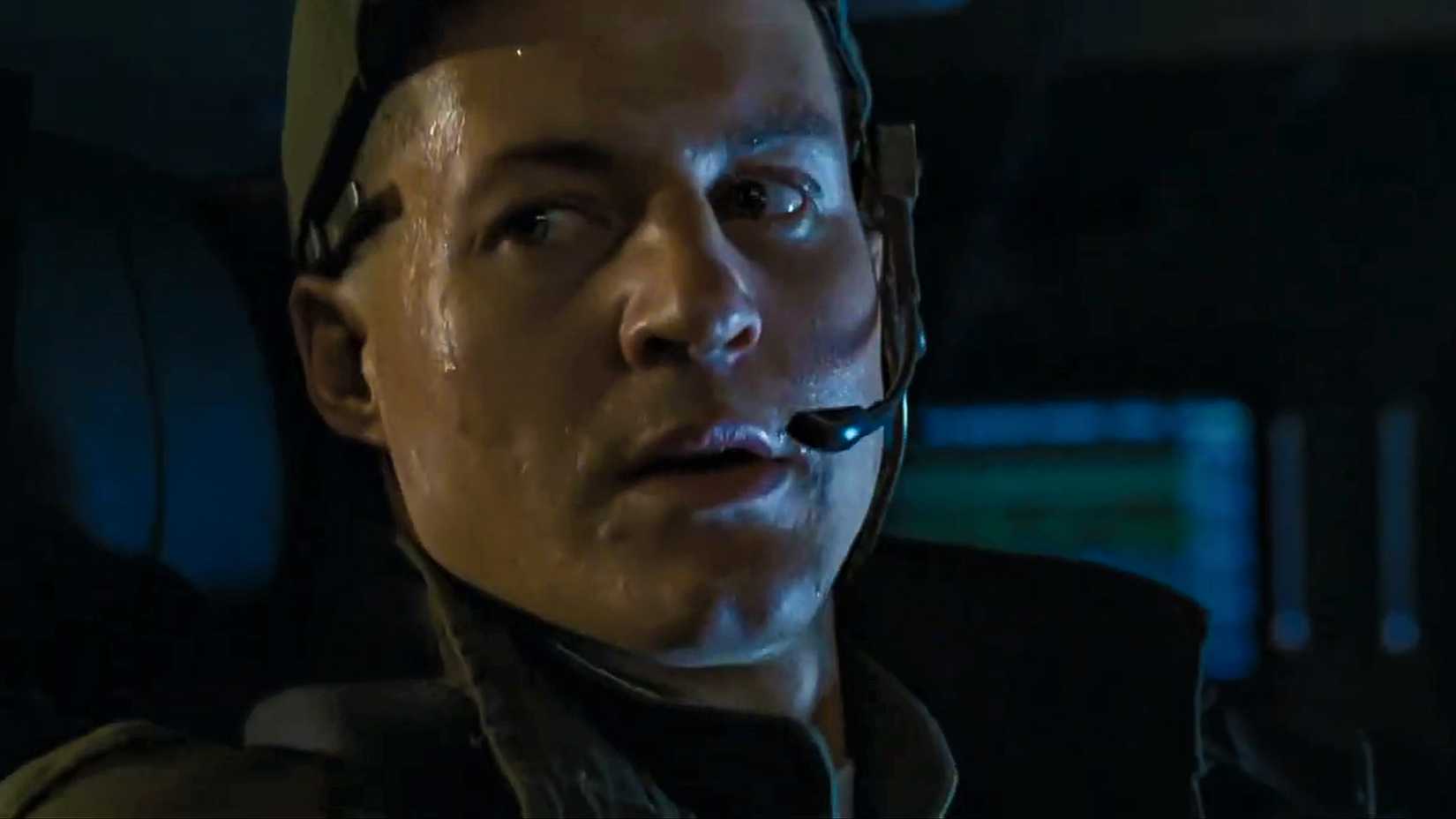
There are plenty of reasons not to join the Colonial Marines in James Cameron’s Aliens. Hostile extraterrestrial creatures with acidic blood are probably at the top of the list. Serving under Lt. Scott Gorman comes in a close second.
William Hope plays Gorman, who commands the detachment sent to investigate the disappearance of colonists on LV-426. He’s equipped with advanced surveillance technology, heavily armed Marines and the confidence that comes from completing 38 simulated combat drops.
Unfortunately, when asked how many actual combat drops he’s completed, Gorman admits this mission is only his second.
Things deteriorate rapidly when his Marines encounter the xenomorphs. Gorman struggles to respond to the ambush, and his confused orders leave experienced troops fighting for survival while their commander watches events unfold through video monitors.
Eventually, civilian adviser Ellen Ripley takes the initiative to rescue the survivors.
To Gorman’s credit, he later demonstrates genuine courage, sacrificing himself alongside Pvt. Jenette Vasquez, rather than letting the aliens capture them.
It’s a meaningful moment of redemption. It also comes considerably later than his Marines would have preferred.
The leadership problem: An inexperienced officer whose indecision becomes dangerous when the mission falls apart.
3. Adm. Helena Cain, ‘Battlestar Galactica’ (2004–2009)
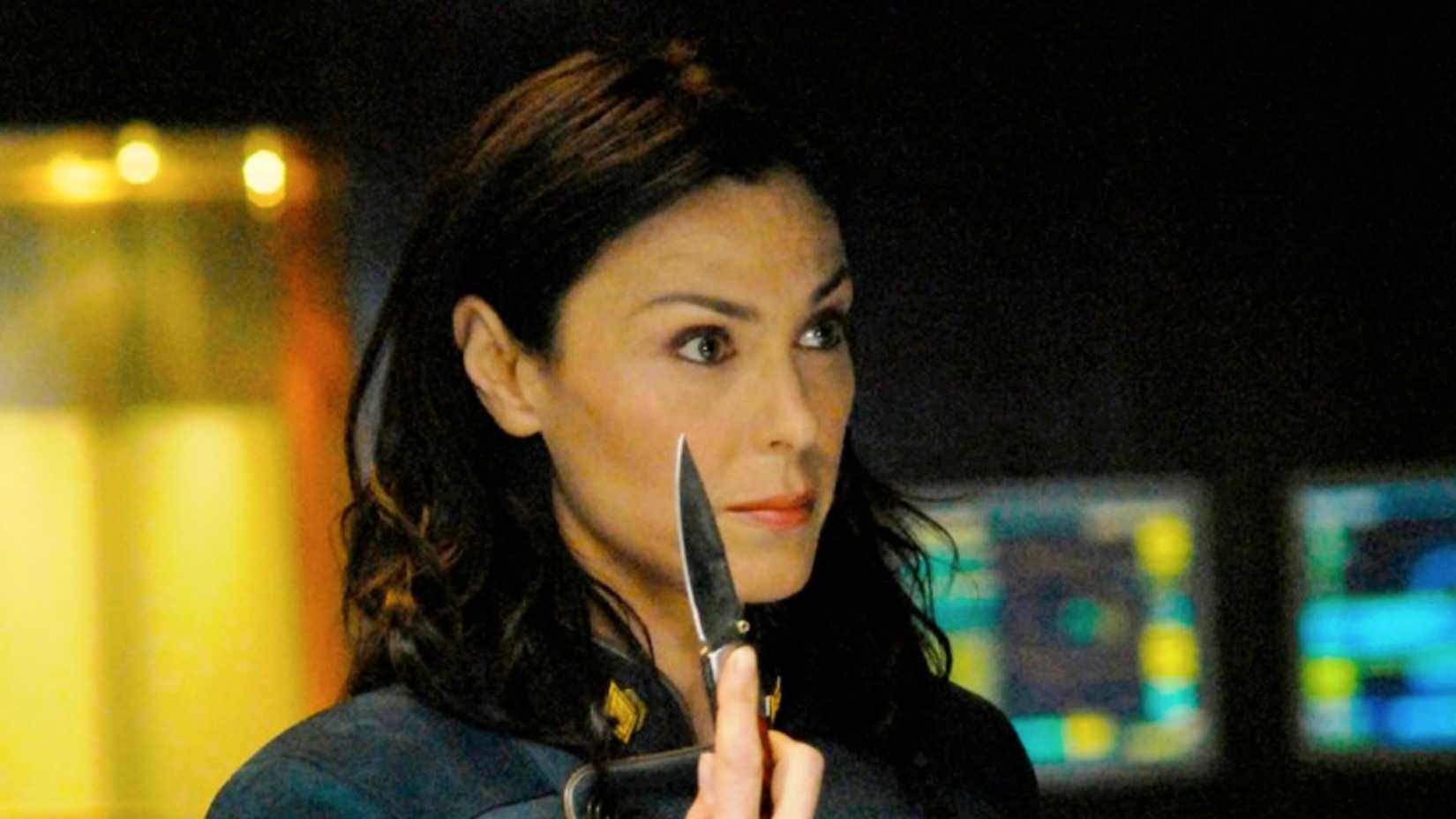
Adm. Helena Cain, played by Michelle Forbes, might be the most frighteningly competent commander on this list.
When a Cylon attack devastates humanity’s Twelve Colonies, Cain keeps her battlestar Pegasus operational and continues fighting the enemy.
That accomplishment would normally make her a hero. Unfortunately, her methods are horrifying.
As revealed in Battlestar Galactica and the television film Razor, Cain forces civilians into military service, strips refugee ships of vital equipment and abandons their passengers. When civilians resist her demands, her orders lead to innocent people being killed.
She also tolerates the brutal mistreatment of prisoners and executes a subordinate officer for refusing an order.
Cain sees herself as the commander willing to make difficult decisions to ensure her crew’s survival. The trouble is that she has effectively eliminated any meaningful limits on what she considers acceptable.
Her crew might survive the next Cylon attack, but serving aboard Pegasus means accepting that the admiral could decide almost anything is necessary.
The leadership problem: A commander whose operational success comes at the expense of accountability and basic human rights.
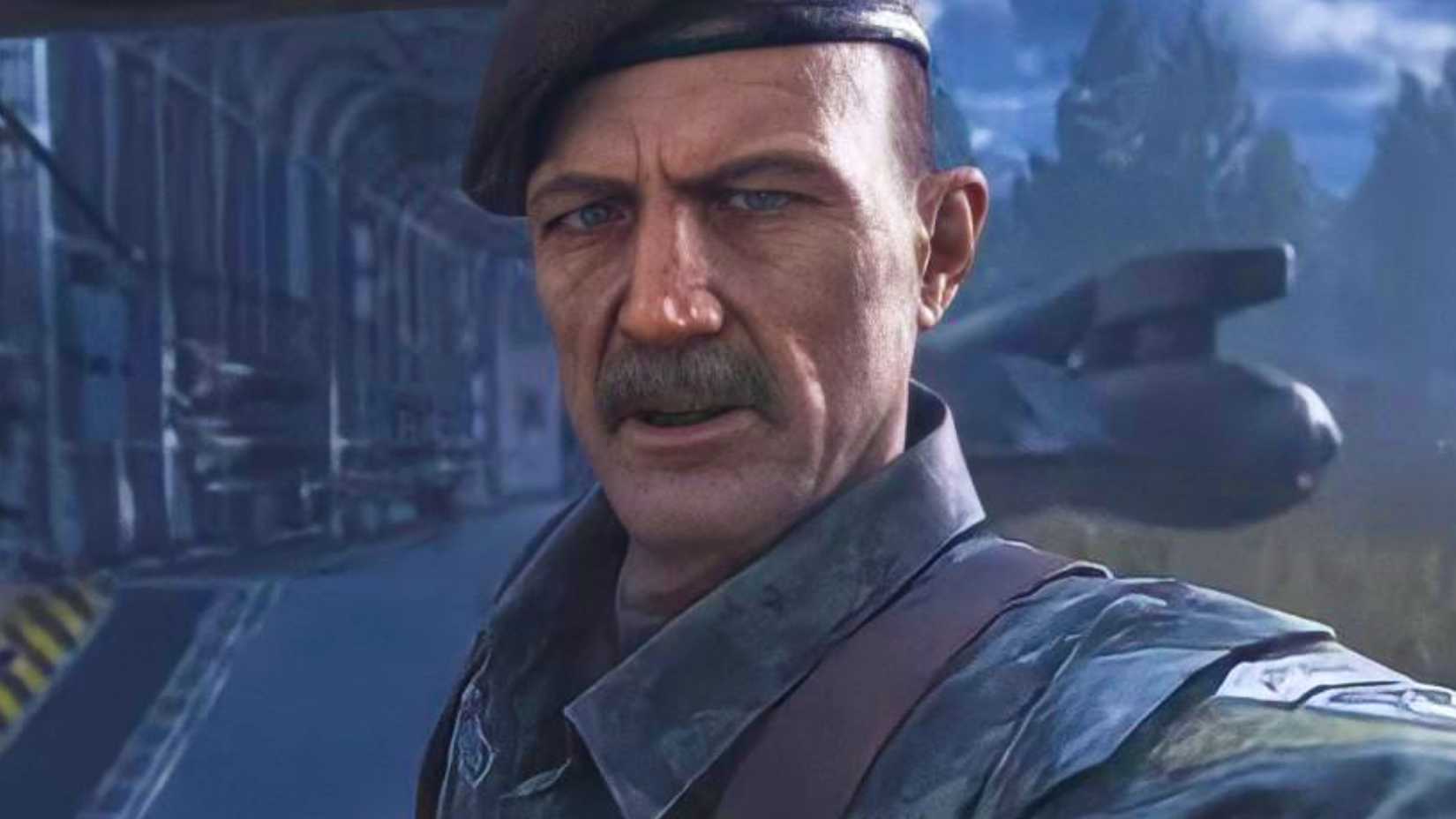
4. Lt. Gen. Shepherd, ‘Call of Duty: Modern Warfare 2’ (2009)
Military service comes with certain risks. Having your own commanding general personally murder you probably shouldn’t be one of them.
Yet that’s exactly what happens in the original 2009 Call of Duty: Modern Warfare 2.
Gen. Shepherd initially appears to be a decorated American commander directing operations against Russian ultranationalist forces. He oversees Task Force 141, a multinational special operations unit pursuing terrorist Vladimir Makarov.
As the story unfolds, however, Shepherd’s motives become increasingly questionable.
His desire to restore American military prestige eventually drives him to betray the very soldiers carrying out his orders.
In one of the game’s most infamous moments, Shepherd murders Task Force 141 operators Simon “Ghost” Riley and Gary “Roach” Sanderson after they recover valuable intelligence. He then has their bodies burned to conceal his actions.
Shepherd is willing to sacrifice entire operations and individual service members to protect his reputation and achieve his ambitions.
Most military commanders expect loyalty from their troops. Shepherd apparently considers loyalty a one-way arrangement.
The leadership problem: A general willing to betray and murder his own soldiers for personal glory.
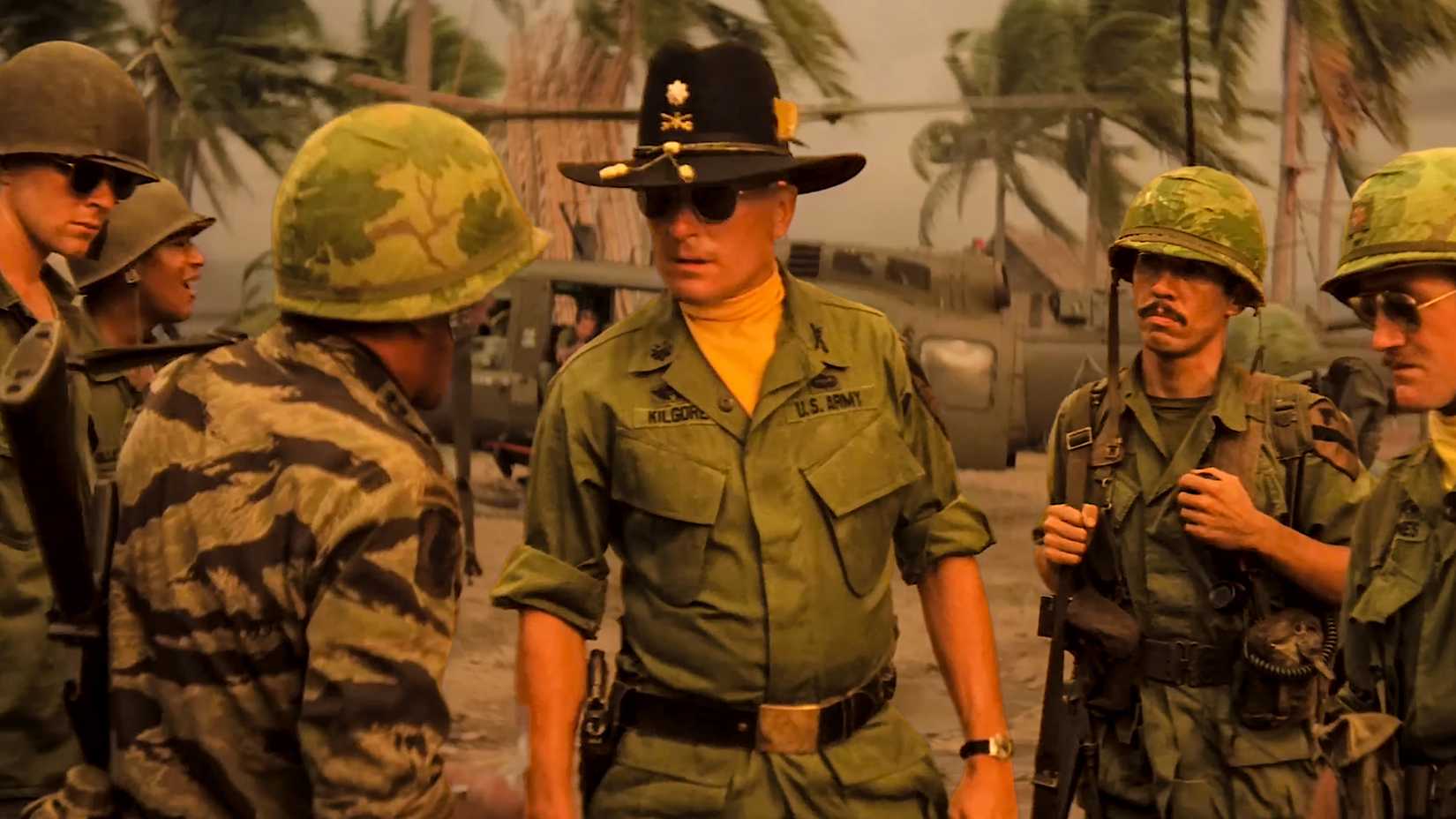
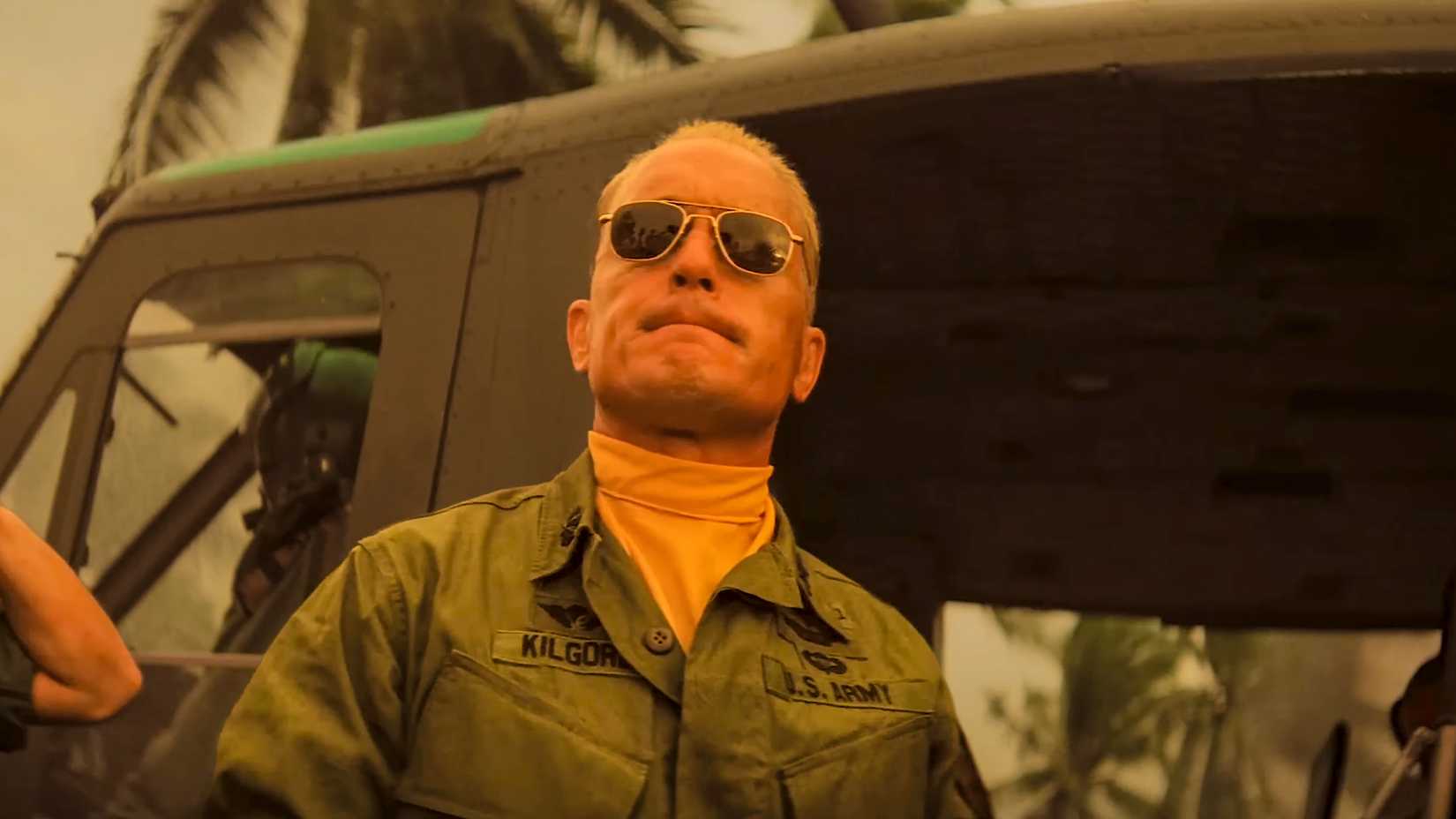
5. Lt. Col. Bill Kilgore, ‘Apocalypse Now’ (1979)
Robert Duvall’s Lt. Col. Bill Kilgore makes an unforgettable first impression. He leads an Air Cavalry unit during the Vietnam War, wears a cavalry hat into battle, and approaches helicopter assaults with an enthusiasm that borders on recreational.
His most memorable operation comes when he agrees to help Capt. Benjamin Willard’s Navy patrol boat reach the mouth of a river.
The problem is that Kilgore becomes particularly interested in the mission after discovering that the area has excellent surfing conditions.
Soon, helicopters are attacking a coastal village while blasting Richard Wagner’s music through loudspeakers. Afterward, Kilgore encourages soldiers to surf despite the continuing danger.
The sequence is one of the most recognizable in Francis Ford Coppola’s Apocalypse Now, and Duvall makes Kilgore undeniably charismatic.
But imagine being one of the enlisted soldiers ordered into that operation because your lieutenant colonel wants to enjoy the waves.
Kilgore can organize a coordinated helicopter assault. His judgment about when and why to use that capability is considerably more troubling.
The leadership problem: A commander whose personal interests and appetite for combat compromise sound operational judgment.
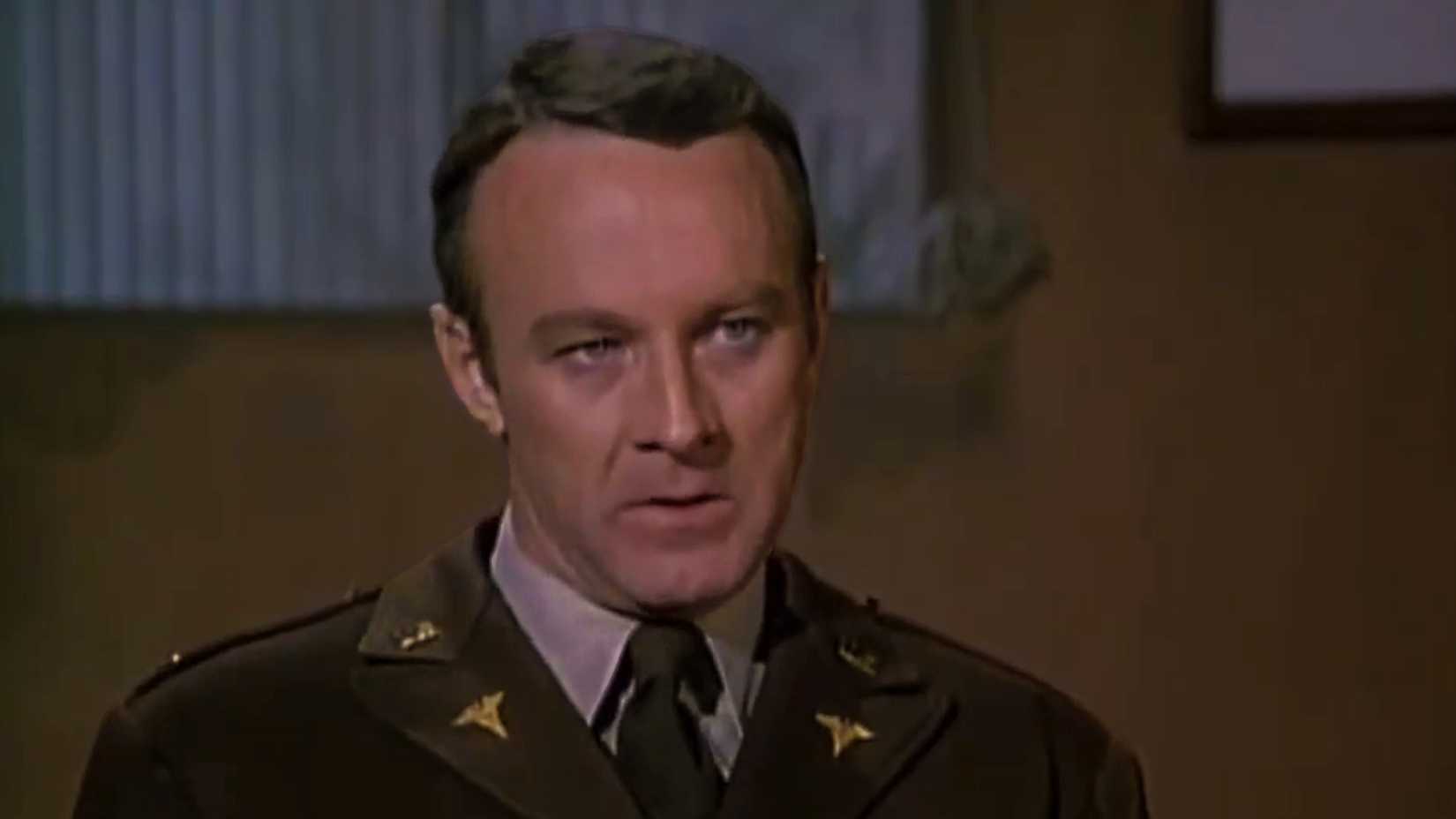
6. Maj. Frank Burns, ‘M*A*S*H’ (1972–1983)
Not every terrible military leader needs to commit war crimes or betray an entire special operations team. Sometimes, being an insecure, self-important bureaucrat is enough.
Larry Linville’s Maj. Frank Burns serves as a surgeon at the 4077th Mobile Army Surgical Hospital during the Korean War. He’s also second in command and occasionally assumes temporary leadership of the unit. This is unfortunate for practically everyone stationed there.
Burns is obsessed with military discipline, deeply resentful of colleagues who question his authority and frequently more interested in enforcing regulations than recognizing the realities of a wartime hospital.
His ongoing conflicts with Hawkeye Pierce and Trapper John McIntyre provide some of the show’s funniest moments.
He’s also thoroughly convinced of his own competence, despite repeatedly demonstrating questionable medical and leadership skills.
When Burns temporarily takes command, the unit’s already difficult working conditions become even more exhausting as he attempts to impose his particular brand of military order.
Compared with the murderous officers elsewhere on this list, Burns is relatively harmless. But he’s also the kind of supervisor who could turn a functioning organization into a daily exercise in frustration.
The leadership problem: A petty, insecure officer who mistakes rigid rule enforcement for effective leadership.
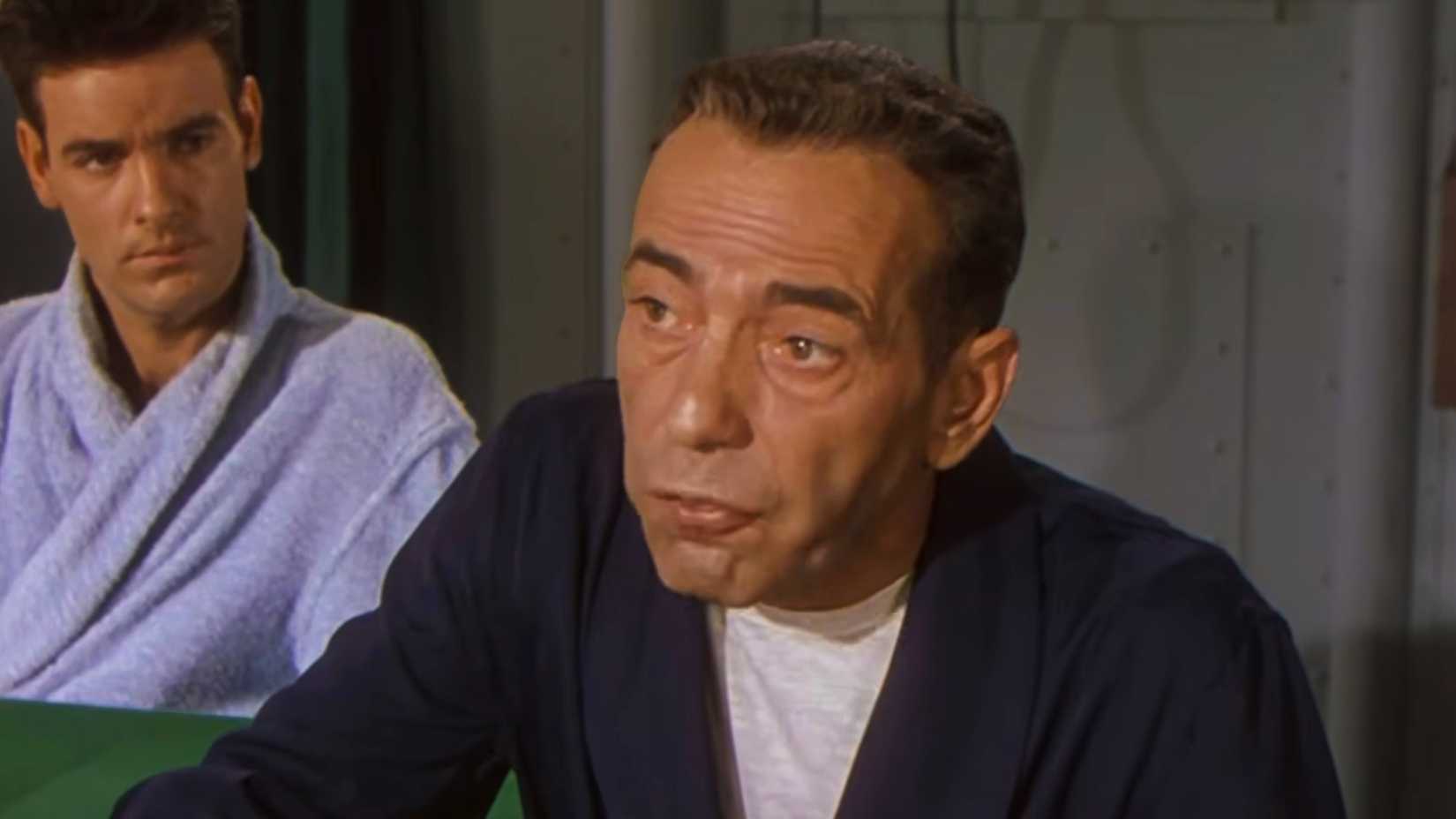
7. Lt. Cmdr. Philip Francis Queeg, ‘The Caine Mutiny’ (1954)
Humphrey Bogart’s Lt. Cmdr. Philip Francis Queeg presents a different kind of leadership nightmare.
Unlike some of the more openly villainous characters, Queeg is a career Navy officer whose service has taken a heavy toll.
When he assumes command of the USS Caine, a minesweeper operating during World War II, he quickly develops a reputation for excessive discipline, suspicion and unpredictable decisions.
His obsession with seemingly minor problems becomes increasingly disruptive. At one point, he launches an elaborate investigation into missing strawberries, convinced someone aboard the ship stole them. The crew’s confidence deteriorates further as Queeg struggles during dangerous operations.
Eventually, while the ship battles a powerful typhoon, executive officer Lt. Steve Maryk relieves Queeg of command, believing the captain can no longer safely direct the vessel. The resulting court-martial forms the heart of The Caine Mutiny, a film adapted from a Pulitzer Prize-winning novel by Navy veteran Herman Wouk, whose military experiences informed his writing.
What makes Queeg particularly interesting is that the story complicates the crew’s judgment. It asks whether his officers could have done more to support a troubled commander before the situation reached a breaking point. Bogart’s performance shows how quickly trust can collapse aboard a ship when the people giving orders and those following them lose confidence in one another.
The leadership problem: A commander whose erratic judgment and growing distrust of his crew threaten the ship’s safety.
Good Leadership Makes All the Difference
These seven characters represent very different kinds of military leadership failures.
Jessep abuses his authority. Gorman lacks experience. Cain sacrifices morality for operational success. Shepherd betrays his soldiers. Kilgore lets personal interests influence combat decisions. Burns makes everyone’s life miserable, while Queeg demonstrates what happens when an entire crew loses faith in its commander.
Their stories also illustrate something important about military leadership: Rank gives someone the authority to issue orders, but earning the confidence of the people expected to carry them out requires considerably more.
Fortunately for everyone wearing a uniform, these seven commanders are fictional.
Read the full article here
25 Comments
If AISC keeps dropping, this becomes investable for me.
Good point. Watching costs and grades closely.
Good point. Watching costs and grades closely.
If AISC keeps dropping, this becomes investable for me.
Good point. Watching costs and grades closely.
Good point. Watching costs and grades closely.
Interesting update on 7 Worst Fictional Military Commanders in Movies, TV and Games. Curious how the grades will trend next quarter.
Good point. Watching costs and grades closely.
Good point. Watching costs and grades closely.
If AISC keeps dropping, this becomes investable for me.
Nice to see insider buying—usually a good signal in this space.
Exploration results look promising, but permitting will be the key risk.
Good point. Watching costs and grades closely.
Good point. Watching costs and grades closely.
I like the balance sheet here—less leverage than peers.
Good point. Watching costs and grades closely.
Good point. Watching costs and grades closely.
I like the balance sheet here—less leverage than peers.
Good point. Watching costs and grades closely.
Good point. Watching costs and grades closely.
Production mix shifting toward USA might help margins if metals stay firm.
Good point. Watching costs and grades closely.
Good point. Watching costs and grades closely.
Nice to see insider buying—usually a good signal in this space.
Good point. Watching costs and grades closely.