


When Adriana Phillips signed an agreement to open a travel agency in June 2020, the travel industry faced one of its worst crises. COVID-19 brought vacations to a standstill, businesses shut their doors, and few people were thinking about booking their next cruise.
For Phillips, however, the pandemic had already forced an unexpected career change. After spending three decades in corporate America, the Air Force veteran lost her job in training and development and began reconsidering what she wanted from the next chapter of her professional life.
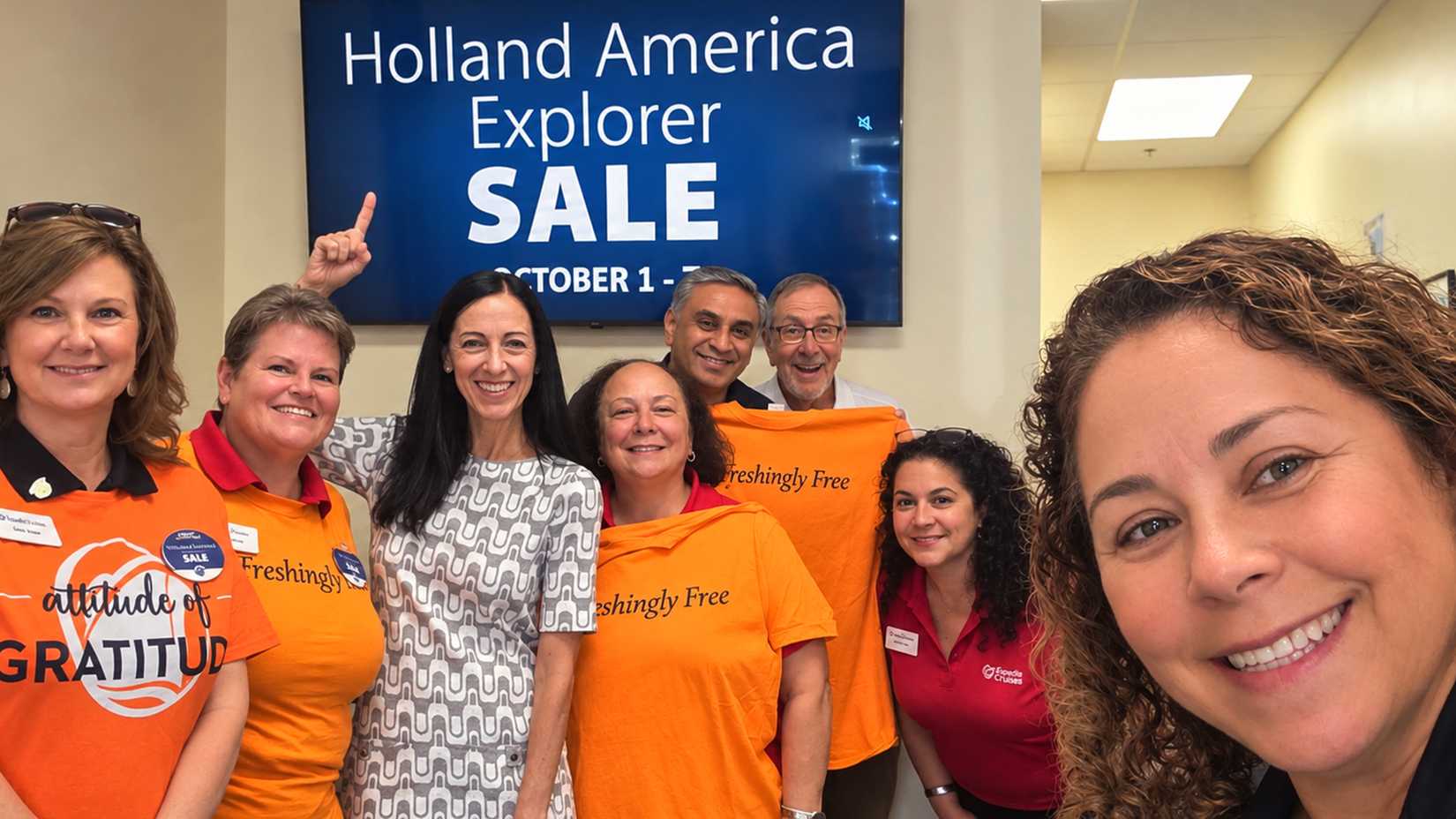
She eventually settled on an Expedia Cruises franchise in Belmont, North Carolina, opening its doors in May 2021. Five years later, she’s preparing to expand with a second location.
Phillips credits much of her entrepreneurial approach to lessons she learned decades earlier, when her responsibilities included maintaining systems tied to America’s nuclear arsenal.
From Nuclear Missiles to Corporate America
Phillips enlisted in the Air Force immediately after high school, served from August 1981 to May 1993, and reached the rank of staff sergeant.
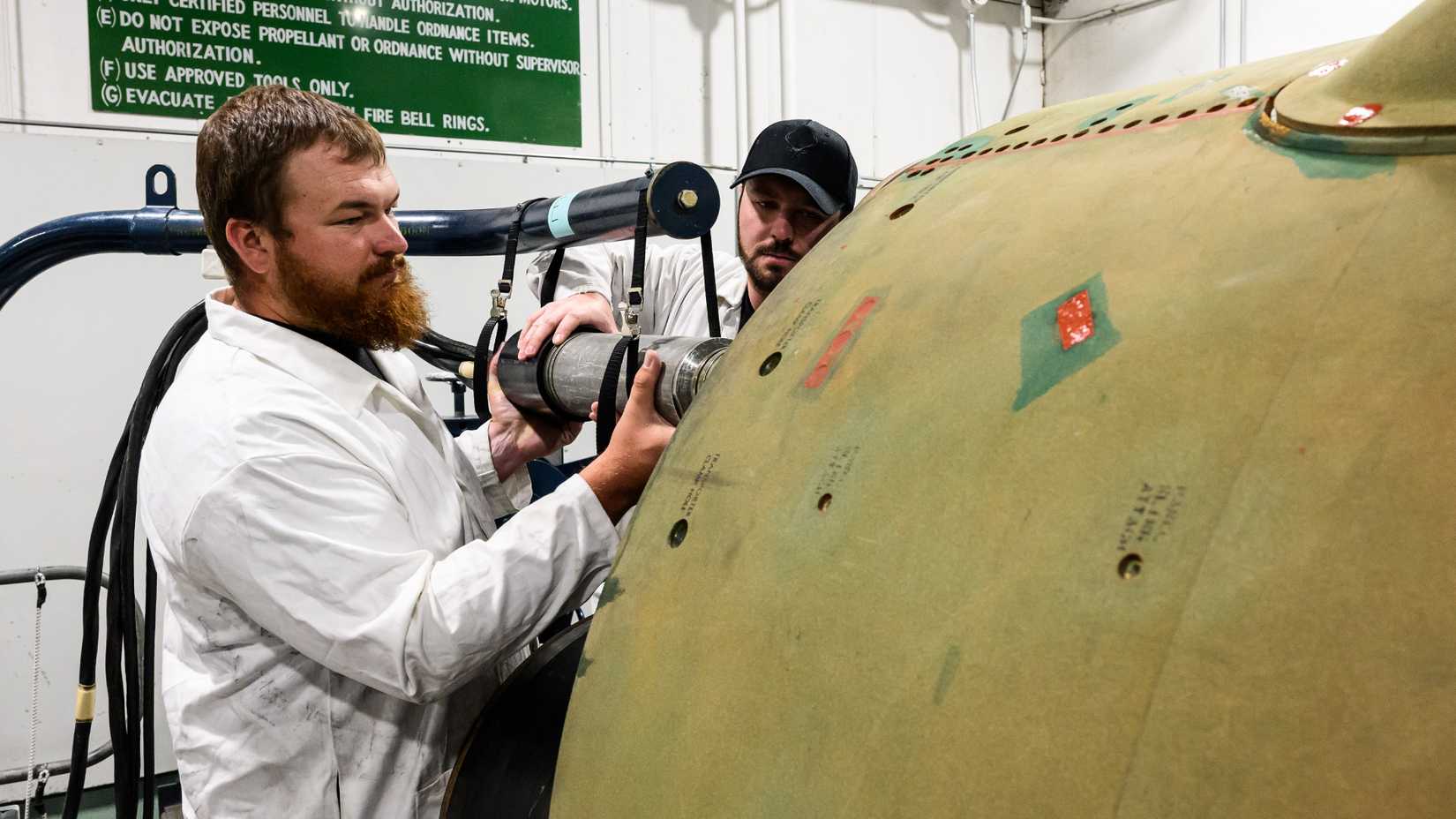
She spent about three years as an electronic systems specialist on the Minuteman III intercontinental ballistic missile program at Grand Forks Air Force Base, North Dakota.
At Grand Forks, Phillips reported for duty around 7 a.m. She’d check what the previous shift had finished, see which jobs were still waiting and gather the tools her team needed.
An emergency could throw that day’s plans out the window. Before leaving, she’d file her reports and fill in the next crew on anything left unfinished.
“Looking back, it was a very structured environment, but it also taught me how to be flexible, work as a team, stay organized, and understand the importance of communication and follow-through,” Phillips told Military.com in written responses to interview questions.
When she became pregnant with her son, Phillips moved into a medical records position at an Air Force hospital. Her military career also included approximately eight years in the reserves.
During her service, she met her husband while stationed in Illinois, a connection that eventually led her to the University of Illinois, where she earned a degree in finance.
She later built a long corporate career, working in roles that included recruiting, coaching and employee development.
“When COVID hit, the company I worked for eliminated my position in training and development,” Phillips said. “After spending 30 years in corporate America, I knew I wanted something different for my next role.”
She wanted greater control over her future, but owning a business initially seemed risky. Working with a franchise coach eventually introduced her to opportunities she hadn’t previously considered.
Travel was already a personal passion. Running a physical agency while recruiting and developing a team appealed to both her interests and professional experience.
Building a Business During a Pandemic
Phillips signed her franchise agreement in June 2020, when international travel restrictions and pandemic uncertainty made the industry’s future hard to predict.
Her new storefront had gravel floors and an open ceiling, requiring a complete interior build-out before customers could walk through the doors.
Along with the franchise fee, she had to budget for furniture, signage, technology, construction and ongoing operating expenses. The company offered a 15% discount on its initial franchise fee for qualifying veterans, which Phillips said helped reduce her startup costs.
She also worked with a financial adviser to use a funding arrangement known as Rollovers as Business Startups, or ROBS, which allows qualifying entrepreneurs to use retirement funds to finance a new business under specific rules.
Such arrangements carry financial and compliance risks. The Internal Revenue Service warns that business failures involving ROBS plans can result in substantial losses of retirement savings.
Phillips did not disclose her total initial investment. She emphasized the importance of maintaining enough working capital to cover expenses while a new business establishes itself.
“You’re not going to open the doors and immediately have a steady stream of revenue, so having a financial cushion is important,” she said.
She also learned an expensive lesson about reviewing construction documents. After failing to examine architectural plans closely enough before they were finalized, Phillips had to request changes that added costs and delayed the project.
“I wish someone had given me that heads-up in the beginning, but it’s one of those lessons you learn along the way,” she said.
Military Leadership Doesn’t Always Translate Directly
While the Air Force taught Phillips discipline, accountability and organization, civilian leadership required adjustments.
Military personnel operate within a defined chain of command. She discovered that managing a civilian team often requires more discussion and an understanding of individual motivations.
“I’ve learned that leading people isn’t about giving orders,” Phillips said. “It’s about building relationships, communicating expectations, and helping people understand the bigger picture.”
Her military experience also influenced the workplace culture she wanted to establish.
Phillips said the camaraderie she found among fellow service members parallels what she sees in her franchise network, where other owners share experiences and offer advice when problems arise.
Recruiting and retaining the right people remains an ongoing challenge. She said finding motivated individuals who are willing to learn and committed to building a business has been especially important in the years since the pandemic.
For Phillips, owning a franchise provides an established business structure, but following that structure still requires personal discipline and the willingness to adapt.
What Veterans Should Know Before Starting a Franchise
Although Phillips benefited from a veteran discount, she said she did not participate in veteran-specific entrepreneurship programs because she wasn’t aware of the resources available at the time.
She encourages other veterans to investigate these options before committing their savings to a business. She also recommends learning as much as possible about a franchisor’s leadership team, available support and the realistic costs of opening and operating a location.
The Federal Trade Commission advises prospective franchise buyers to review the required Franchise Disclosure Document carefully, speak with current and former franchisees, and consider professional financial and legal advice before investing.
Federal rules generally require franchisors to provide the disclosure document at least 14 days before a prospective buyer signs an agreement or pays the franchisor.
Phillips approached her own investment with a long-term financial plan, allowing herself two years to reach the break-even point rather than expecting immediate returns.
“Go into it with your eyes open,” she said. “It’s a significant financial investment, and you need to be realistic about the time it takes to build the business.”
Now, more than five years after taking that initial risk, Phillips is planning to open her second Expedia Cruises franchise location in early 2027.
Her career has taken her from maintaining nuclear missile systems to managing employees and helping customers arrange vacations. The challenges have changed considerably, but Phillips said the habits she developed in uniform continue to guide her work.
“When you own your own business, no one is telling you what to do every day,” she said. “You have to be self-motivated, stay focused, and understand what needs your attention to keep the business moving forward.”
It’s another substantial investment, but this time she’s going into it with five years of experience running the first agency.
Read the full article here
23 Comments
Nice to see insider buying—usually a good signal in this space.
Good point. Watching costs and grades closely.
Exploration results look promising, but permitting will be the key risk.
Good point. Watching costs and grades closely.
Good point. Watching costs and grades closely.
Nice to see insider buying—usually a good signal in this space.
Good point. Watching costs and grades closely.
Nice to see insider buying—usually a good signal in this space.
I like the balance sheet here—less leverage than peers.
Good point. Watching costs and grades closely.
Exploration results look promising, but permitting will be the key risk.
Good point. Watching costs and grades closely.
Uranium names keep pushing higher—supply still tight into 2026.
Good point. Watching costs and grades closely.
Good point. Watching costs and grades closely.
Interesting update on Air Force Veteran Builds Travel Franchise After ICBM Career. Curious how the grades will trend next quarter.
Nice to see insider buying—usually a good signal in this space.
Good point. Watching costs and grades closely.
If AISC keeps dropping, this becomes investable for me.
Good point. Watching costs and grades closely.
Production mix shifting toward USA might help margins if metals stay firm.
Good point. Watching costs and grades closely.
Good point. Watching costs and grades closely.