

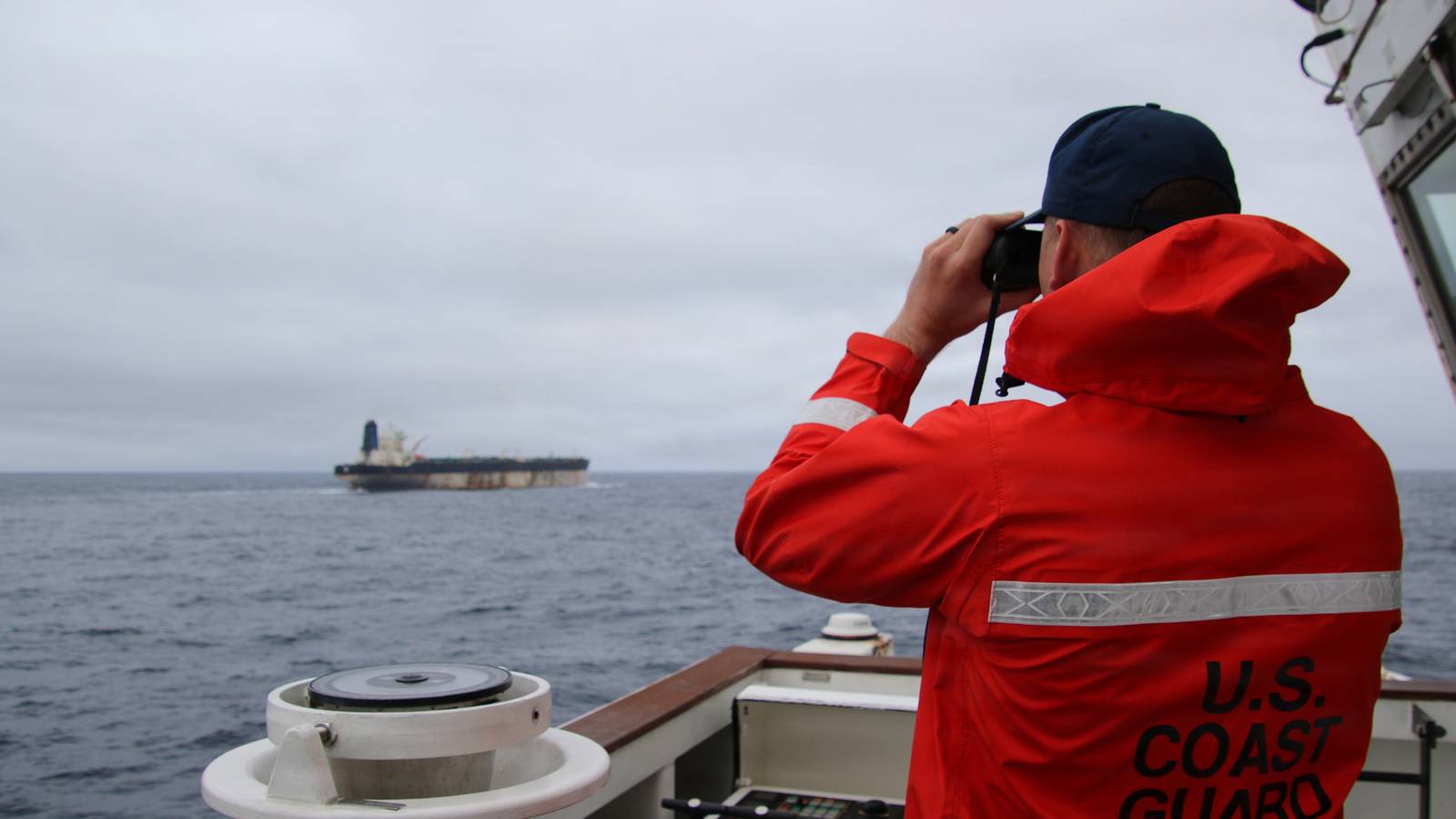
A U.S. Coast Guard crew offloaded approximately 33,000 pounds of cocaine and marijuana worth an estimated $226.7 million on Wednesday at Port Everglades, Fla. But the suspected perpetrators were not arrested.
The haul came from six interdictions in international waters of the eastern Pacific Ocean, according to the Coast Guard. Not one of the 15 people detained in those operations is reportedly coming ashore to face charges.
The suspected smugglers will be sent back to their home countries rather than prosecuted in US federal court, WSVN Miami reported from the offload, citing what the Miami TV station described as recent maritime laws.
An unnamed investigative source told WSVN that one detainee was recognized from a previous seizure and is being held at a detention center awaiting repatriation.
Nothing in the Coast Guard’s written release announcing the offload mentions the detainees.
The Coast Guard’s Southeast public affairs office and the Justice Department did not immediately respond to Military.com’s requests for comment.
Caught at Sea, Then Sent Back Home
For decades, the Coast Guard’s playbook for drug interdictions ended with suspected smugglers delivered to U.S. prosecutors.
That changed in February 2025, when then-Attorney General Pam Bondi issued a memo saying the Justice Department would “rarely” prosecute low-level offenders—including those caught at sea, as reported by The War Horse.
Since then, the service has typically returned detained boat crews to their home countries.
A retired Coast Guard judge advocate told The War Horse that those crews, usually consisting of three or four people running cocaine or marijuana, had long been valuable sources of intelligence on the cartels.
Sending crews home also stands in contrast with the military’s parallel campaign in the same waters, where U.S. forces have carried out lethal strikes on vessels the administration claims are smuggling drugs.
A Navy Destroyer Joined the Chase
The seizures occurred during a 60-day patrol by the cutter Tampa, a 270-foot medium-endurance cutter homeported in Portsmouth, Va., operating under the counter-drug mission known as Operation Pacific Viper.
Alongside the cutter, the service credited a tactical law enforcement team, its Helicopter Interdiction Tactical Squadron, Joint Interagency Task Force South, the Coast Guard Southwest District and the Navy destroyer USS Gridley.
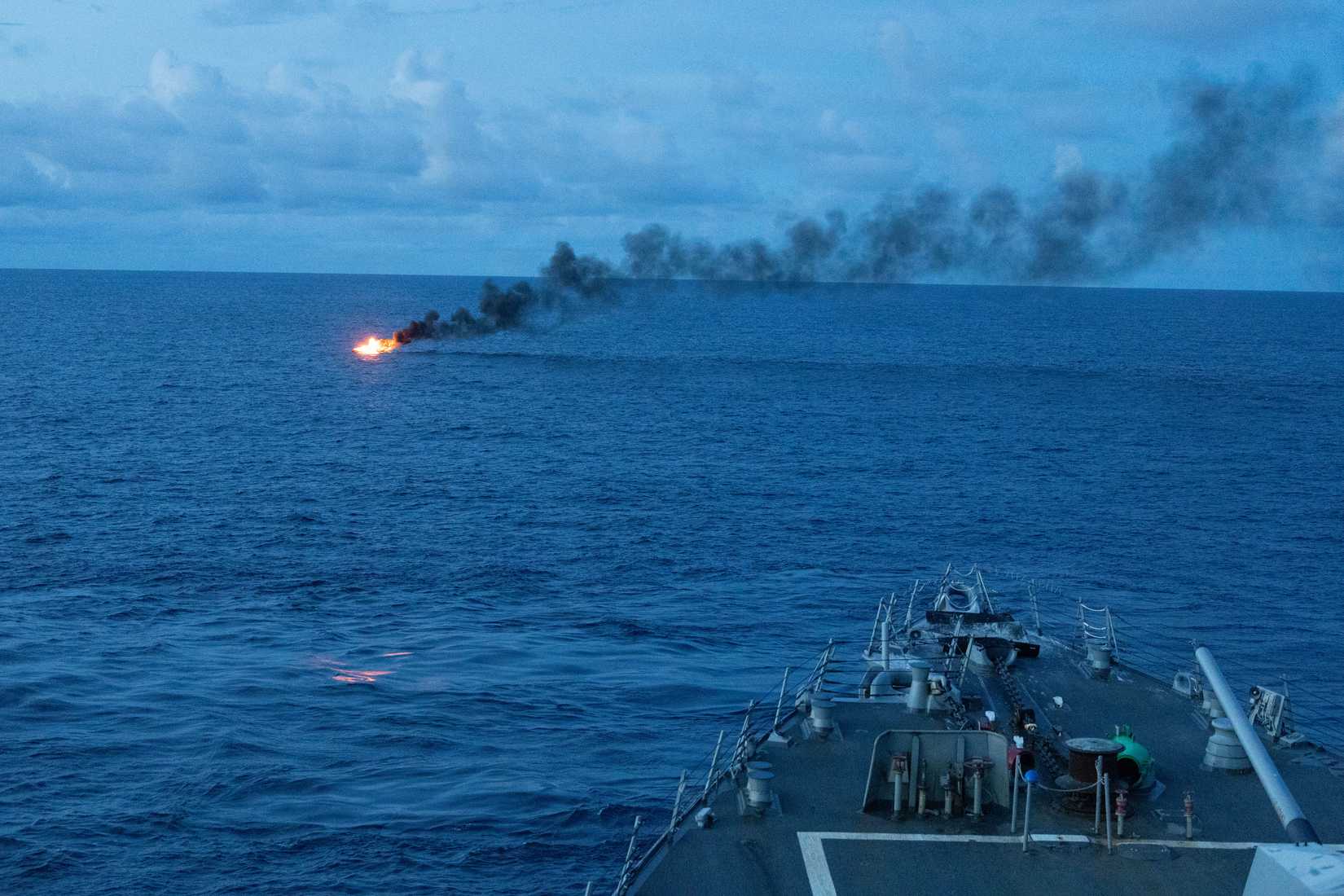
Gridley’s role included the destruction of a go-fast smuggling vessel on Sept. 21 after a Coast Guard law enforcement detachment arrested the suspects aboard and seized the drugs, according to a photo caption released by the service.
Homeland Security officials detailed two of the patrol’s busiest days. On Sept. 15, Tampa’s embarked helicopter crew spotted a suspected smuggling vessel south of Panama, then a second as the cutter moved to respond.
Both were stopped with roughly 15,000 pounds of cocaine seized. A day later, the helicopter crew fired warning shots and disabling rounds to stop another go-fast in the same area.
Cmdr. Joshua DiPietro, Tampa’s commanding officer, described the intercepted boats as more powerful than any he had seen in his career. They averaged approximately 1,000 horsepower with three to four outboard engines on hulls running 35 to 45 feet.
He also described nighttime pursuits, simultaneous encounters with multiple vessels and aggressive countermeasures from the boats’ crews, according to WSVN.
“This crew was phenomenal in successfully stopping a combined 32,000 pounds of contraband from reaching American shores,” DiPietro said in the release.
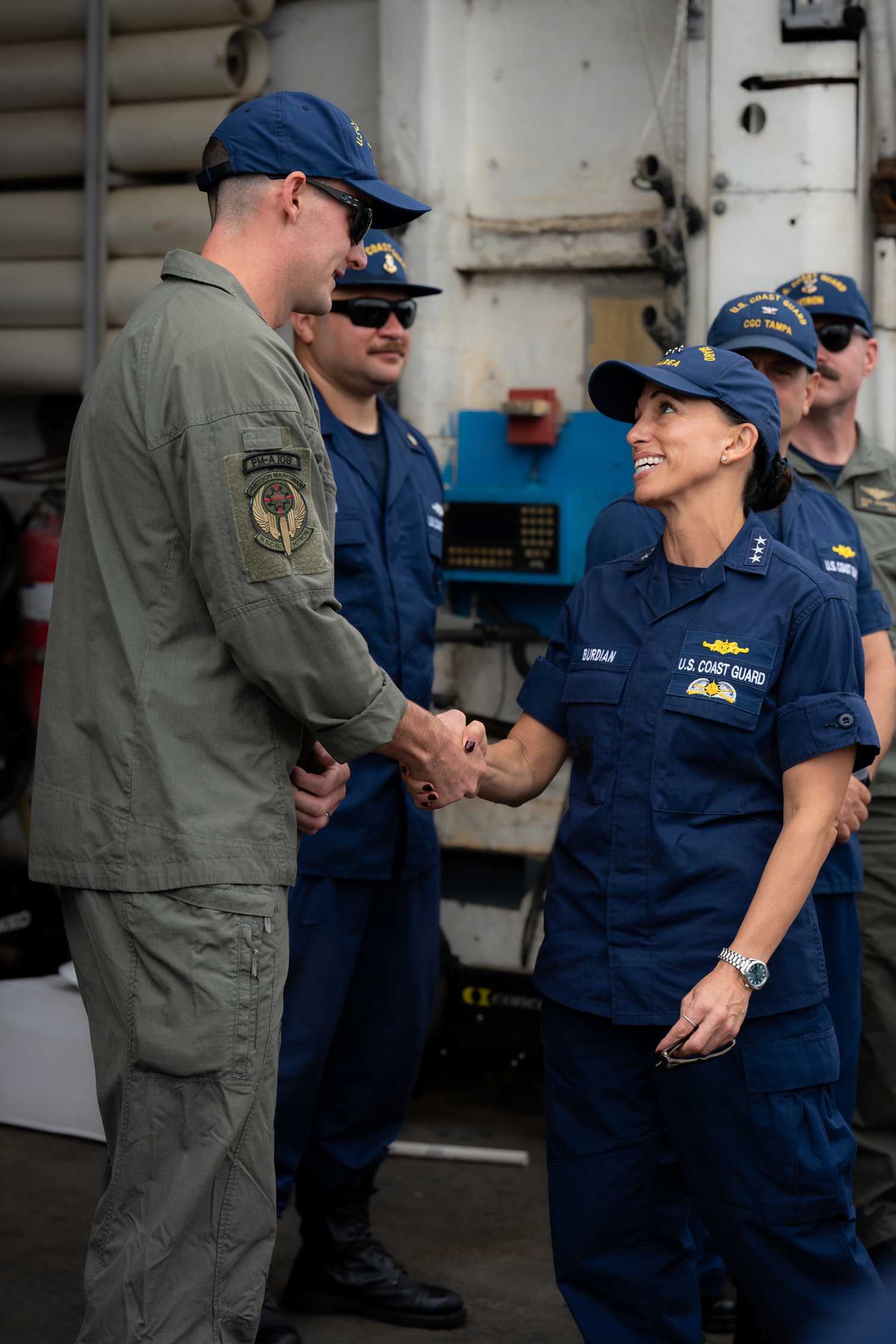
Vice Adm. Jo-Ann Burdian, who leads the Coast Guard’s Atlantic Area, said the offload highlights the service’s commitment to “control, secure, and defend the nation’s maritime borders.”
A Big Haul, But Not a Record
The service announced larger offloads last year, including $517.5 million in drugs from the cutter Stone in March 2025 and another $509.9 million from the cutter James weeks later.
Tampa itself brought a far smaller cocaine haul into port this past April.
Operation Pacific Viper has seized more than 260,000 pounds of cocaine since it began in August 2025, according to DHS.
The $226.7 million attached to Wednesday’s offload is the service’s estimate of the drugs’ value, and the release does not explain how it was calculated.
Read the full article here
21 Comments
The cost guidance is better than expected. If they deliver, the stock could rerate.
If AISC keeps dropping, this becomes investable for me.
Uranium names keep pushing higher—supply still tight into 2026.
Good point. Watching costs and grades closely.
I like the balance sheet here—less leverage than peers.
Good point. Watching costs and grades closely.
Good point. Watching costs and grades closely.
Production mix shifting toward USA might help margins if metals stay firm.
Good point. Watching costs and grades closely.
Good point. Watching costs and grades closely.
Uranium names keep pushing higher—supply still tight into 2026.
Uranium names keep pushing higher—supply still tight into 2026.
Good point. Watching costs and grades closely.
I like the balance sheet here—less leverage than peers.
Good point. Watching costs and grades closely.
The cost guidance is better than expected. If they deliver, the stock could rerate.
Interesting update on Coast Guard’s $227 Million Drug Seizure Led to Smugglers’ Repatriation, No Charges: Report. Curious how the grades will trend next quarter.
Good point. Watching costs and grades closely.
I like the balance sheet here—less leverage than peers.
Interesting update on Coast Guard’s $227 Million Drug Seizure Led to Smugglers’ Repatriation, No Charges: Report. Curious how the grades will trend next quarter.
Silver leverage is strong here; beta cuts both ways though.