


For junior enlisted service members stationed hundreds or thousands of miles from home, the cost of a plane ticket can mean missing holidays, family milestones or precious time with loved ones.
But a nonprofit called Miles for Military is offering another option: Complete 25 hours of volunteer service and earn a free round-trip flight home (pending eligibility). The concept is simple.
Young military members give their time to the communities where they serve, and the organization helps them reconnect with the people who matter most.
At U.S. Coast Guard Training Center Yorktown in Virginia, that approach is producing results that extend far beyond airline tickets. Since students learned about Miles for Military this summer, volunteer participation has increased significantly.
Training center officials have tallied more than 1,000 volunteer hours, with 11 Coast Guard members applying and qualifying for flights.
Lt. Cmdr. Carl Eschler, the training center’s volunteer coordinator, sat down with Military.com to discuss how the program is changing the way young Coast Guard members engage with their communities.
What began as an incentive to earn a flight home is becoming part of the training center’s culture.
A Marine Mom’s Idea to Bring Service Members Home
Miles for Military began with a problem familiar to many military families: the financial challenge of bringing a young service member home.
Founder Maureen Byrne experienced that firsthand when she purchased an expensive Thanksgiving flight for her son, Marine Ronan Barrett. She subsequently learned that many of his fellow Marines could not afford to make similar trips.
Rather than simply raising money for airline tickets, Byrne developed an approach that would benefit both service members and the communities surrounding military installations.
Junior enlisted members would volunteer their time, and Miles for Military would help them travel home. The nonprofit now serves eligible active-duty members across all six branches of the armed forces, combining family connection with community engagement.
The program is designed around three benefits: service members gain opportunities to reconnect with family, nonprofit organizations receive volunteer assistance, and military communities build stronger relationships with the people serving nearby.
It is also intended to make participation accessible. Service members do not have to demonstrate financial hardship or volunteer with a particular Miles for Military partner.
They can choose qualifying organizations that reflect their interests, from animal shelters and food banks to youth sports programs, military support organizations and community events.
The organization’s published figures show over 100,000 volunteer hours associated with its program and almost 2,000 flights provided. Its impact reaches installations in the United States and overseas.
The underlying idea is that a relatively modest incentive can create benefits that continue long after a service member returns from visiting family.
How 25 Hours of Service Can Earn a Flight Home
Miles for Military is available to active-duty service members in pay grades E-1 through E-4. To qualify, applicants must complete at least 25 verified volunteer hours within the previous 12 months through an eligible nonprofit, on-base organization or community program.
Once those hours are completed, service members submit an application with documentation of their military status, a volunteer contact who can verify their hours, and their proposed travel information.
Service members generally must submit applications at least 30 days before their requested travel dates, and service members should have their leave arrangements approved or coordinated with leadership.
Approved applicants can receive round-trip airfare, subject to a maximum of $1,000 for domestic flights and $1,500 for international flights. The program supports travel from duty stations worldwide to U.S. states and territories.
Flights are subject to eligibility verification, availability and program approval. The organization does not cover expenses such as baggage fees, seat upgrades or voluntary changes after booking.
Eligible members can potentially receive one round-trip flight per calendar year, provided they complete another 25 qualifying volunteer hours and continue meeting program requirements.
National Guard and Reserve members are not currently eligible, nor are military spouses or dependents eligible for their own tickets. For junior enlisted personnel who might otherwise struggle to afford a trip home, the opportunity can make a meaningful difference.
At Yorktown, it has also changed how students spend their time away from the classroom.
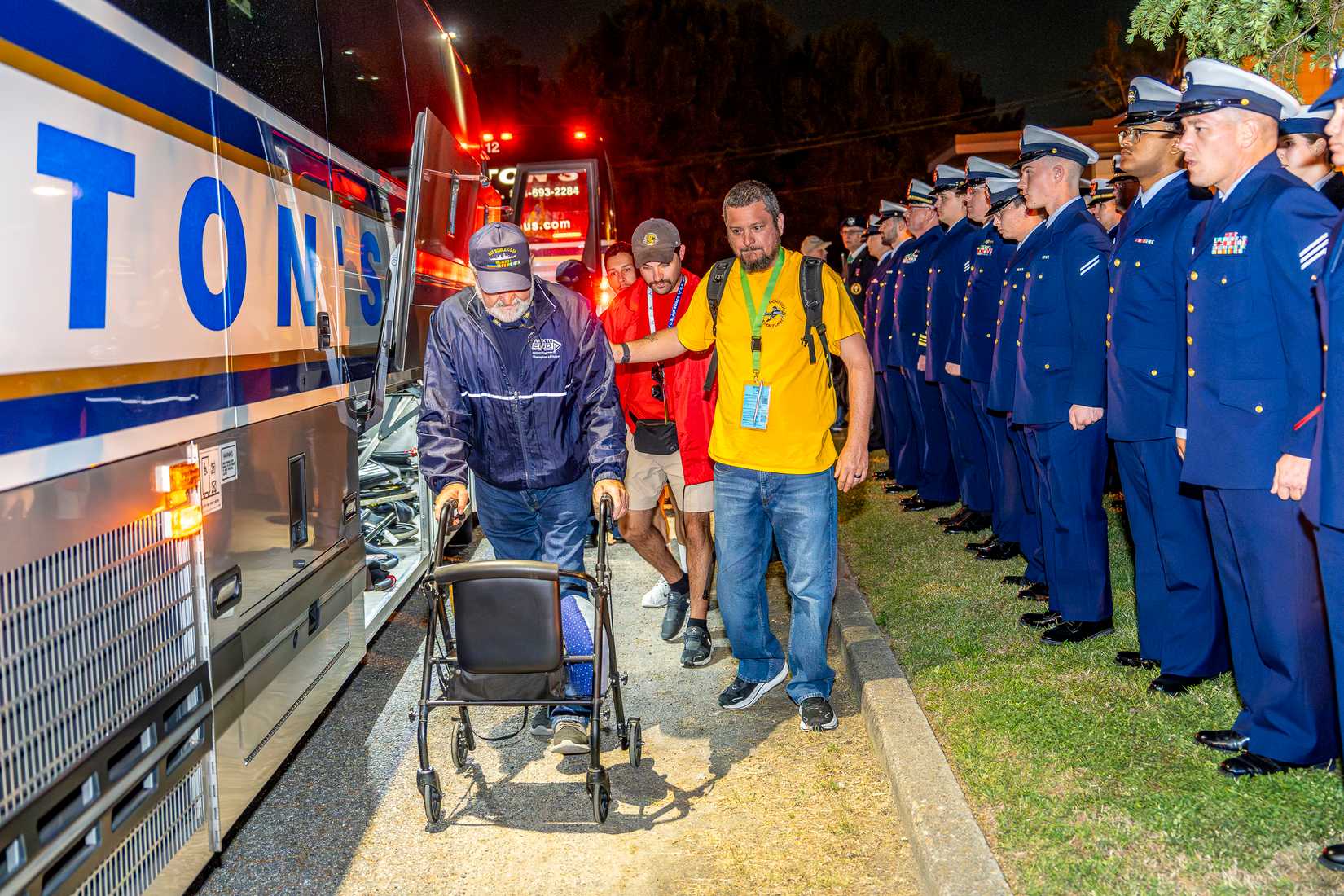
At Yorktown, Volunteer Hours Are Climbing
Training Center Yorktown (TCY) provides specialized technical instruction to Coast Guard members preparing for assignments throughout the service. Students may spend anywhere from several weeks to several months at the installation, depending on their training program.
Before Miles for Military was introduced, Eschler said students typically accumulated only a couple of volunteer hours during their time there. The opportunity to earn a flight home helped change that. “That was not common before Miles for Military,” Eschler said.
The flight incentive, he explained, gives students a tangible reason to participate, particularly those who might not have considered volunteering previously.
But once they begin, something else happens. Students build relationships with classmates, discover local organizations and find activities that make their temporary assignment more enjoyable.
Some have volunteered at Willow Woods Equine Sanctuary, where students who grew up around farms can reconnect with familiar experiences.
Others have worked with an organization restoring older automobiles, applying mechanical interests outside their formal training. Eschler said students have described volunteering alongside their shipmates as one of the most memorable parts of their time at Yorktown.
That’s what they remember, he said. Yes, you’re learning this trade, but just getting out there is you’re building relationships with the community, building relationships with your shipmates.
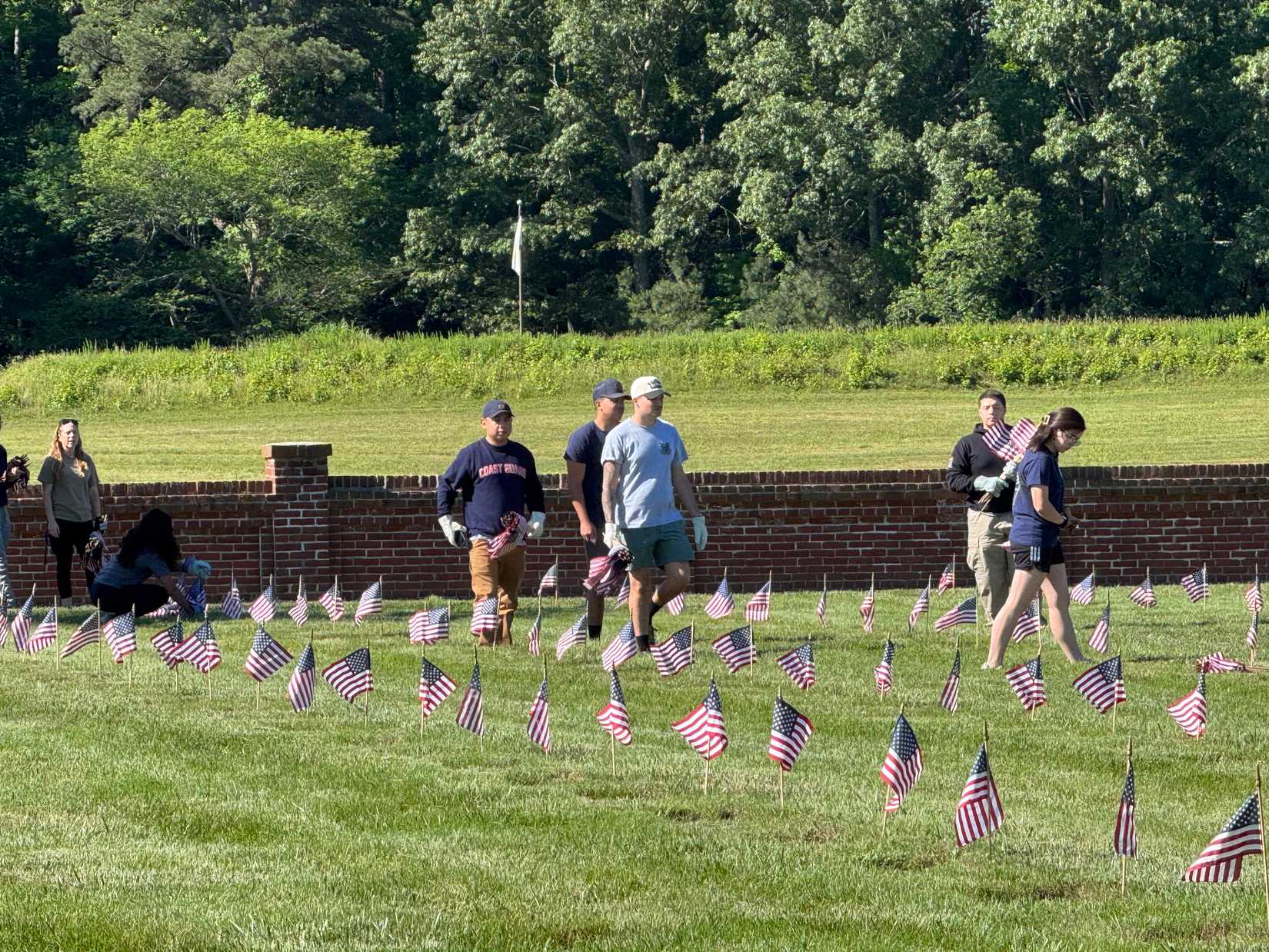
The Flights Matter, but So Does the Experience
For Intelligence Specialist 3rd Class Ryan Avent, a recent Intelligence Specialist “A” School graduate, the program provided an opportunity to support local organizations while potentially easing the financial burden of visiting family.
Avent completed more than 25 volunteer hours assisting organizations and events, including the Family YMCA of Williamsburg, Williamsburg Symphony Orchestra and SAIL250.
“It would mean a lot to my family and I because flying to see extended family is expensive with a wife and three sons, so having that as a resource is huge,” Avent said in a statement provided to Military.com.
But Avent also emphasized the importance of serving others. “I enjoy giving back to the community, but more than that I enjoy being a servant to others,” he said.
Another recent graduate, Electrician’s Mate 3rd Class Jeremy He, completed more than 90 volunteer hours, far exceeding the minimum required for a flight.
His volunteer work included supporting Dream Catchers, Willow Woods Equine Sanctuary, Menchville House and VFW Post 3219. He said Miles for Military significantly increased his interest in volunteering, while the most meaningful aspect of the experience was getting “to know the community and the people.”
Eschler also described a student who used a Miles for Military flight to attend his brother’s boot camp graduation and another who traveled home to visit his wife before deploying to Bahrain.
Those experiences illustrate why the program can be particularly meaningful for junior enlisted members, whose military obligations often place them far from their families.
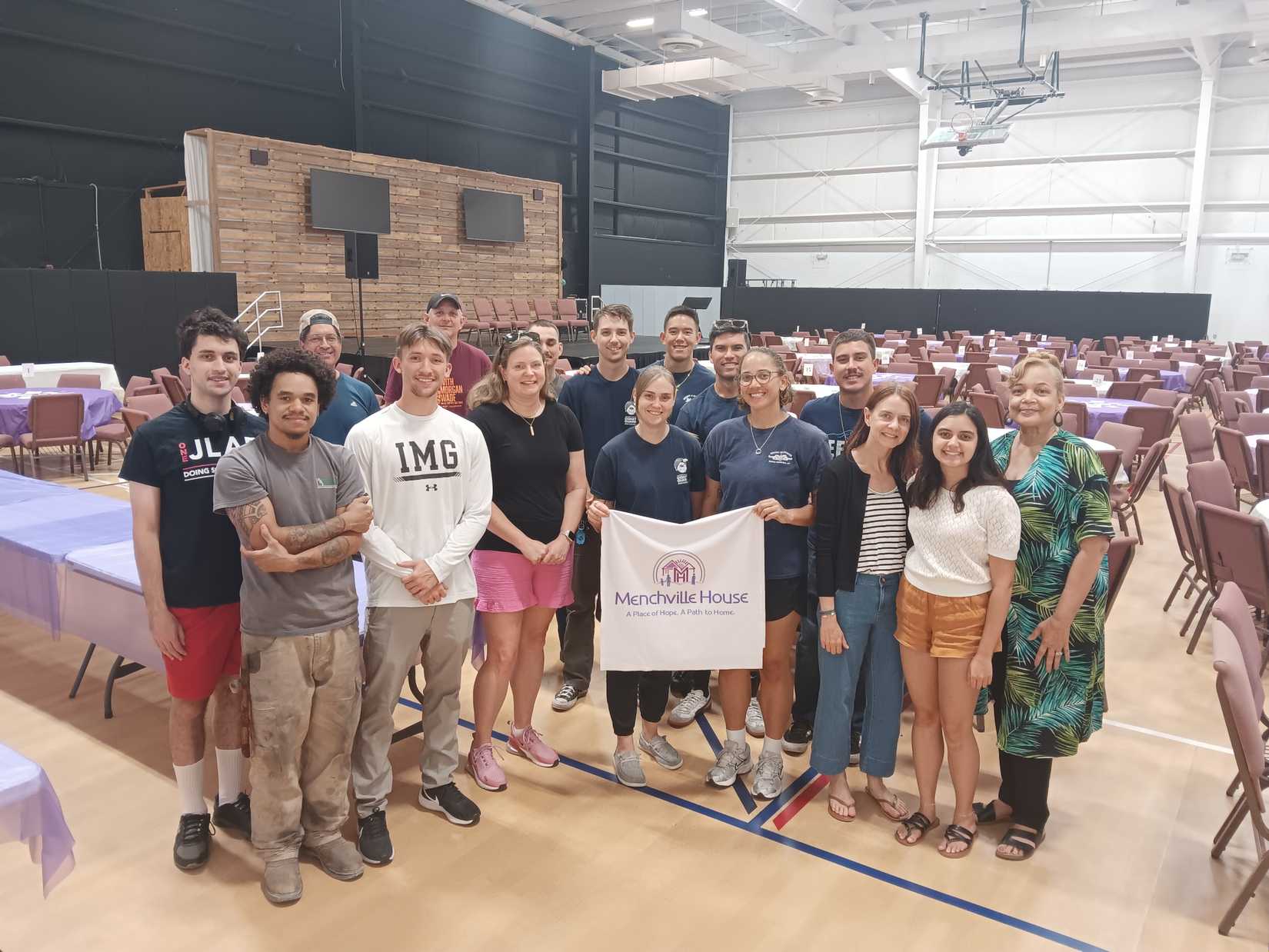
Communities Benefit From the Extra Hands
Nonprofit organizations surrounding Yorktown also feel the impact. At Willow Woods Equine Sanctuary, Coast Guard students have assisted with barn cleaning, horse grooming, fencing repairs, debris removal and fundraising activities.
They bring leadership abilities and have a variety of different skills that have helped us in different ways at our horse sanctuary, said Crystal Woody, secretary of the organization’s board, in a statement provided to Military.com.
At Williamsburg Symphony Orchestra, volunteers assist with concert setup, stage changes, ticket scanning and event operations. “TCY volunteers are an integral part of helping our concerts and events run smoothly,” said Annette Caldwell, the organization’s patron services and events manager.
Other organizations, including Sister Cities Yorktown and local recreation programs, have similarly reported that Coast Guard volunteers provide dependable assistance for activities that might otherwise be difficult to staff.
The benefits are not limited to completing tasks. Eschler said community organizations increasingly recognize the Coast Guard’s presence and contributions, while students gain a better understanding of the communities surrounding their installation.
From a Free Flight to a Culture of Service
The growing participation has prompted Yorktown leaders to make volunteerism more visible and accessible. Eschler created a centralized sign-up system allowing students to scan QR codes posted around the installation and register for community activities using their phones.
The command also highlights volunteer accomplishments during weekly graduation dinners, sometimes inviting nonprofit representatives to thank students personally.
An electronic display near the installation entrance now recognizes the three classes with the highest volunteer-hour totals. That has introduced some friendly competition.
Eschler recalled that students in one graduating class wished they had known how many hours other classes were accumulating because they would have volunteered more.
The response helped reinforce volunteering as something students could take pride in. There are also early indications that some may continue volunteering after leaving Yorktown.
Eschler surveyed former students about their experiences, and the limited responses he received so far suggest that volunteering during training had encouraged them to continue serving at their next duty stations.
The longer-term impact remains uncertain, but the initial feedback has been encouraging. For Eschler, the program’s potential extends to training commands across the military.
“You’re not forcing anybody to do anything,” he said. “But letting them know that this exists and helping them find ways to serve out in the community. Nothing but positive things are going to come for that.”
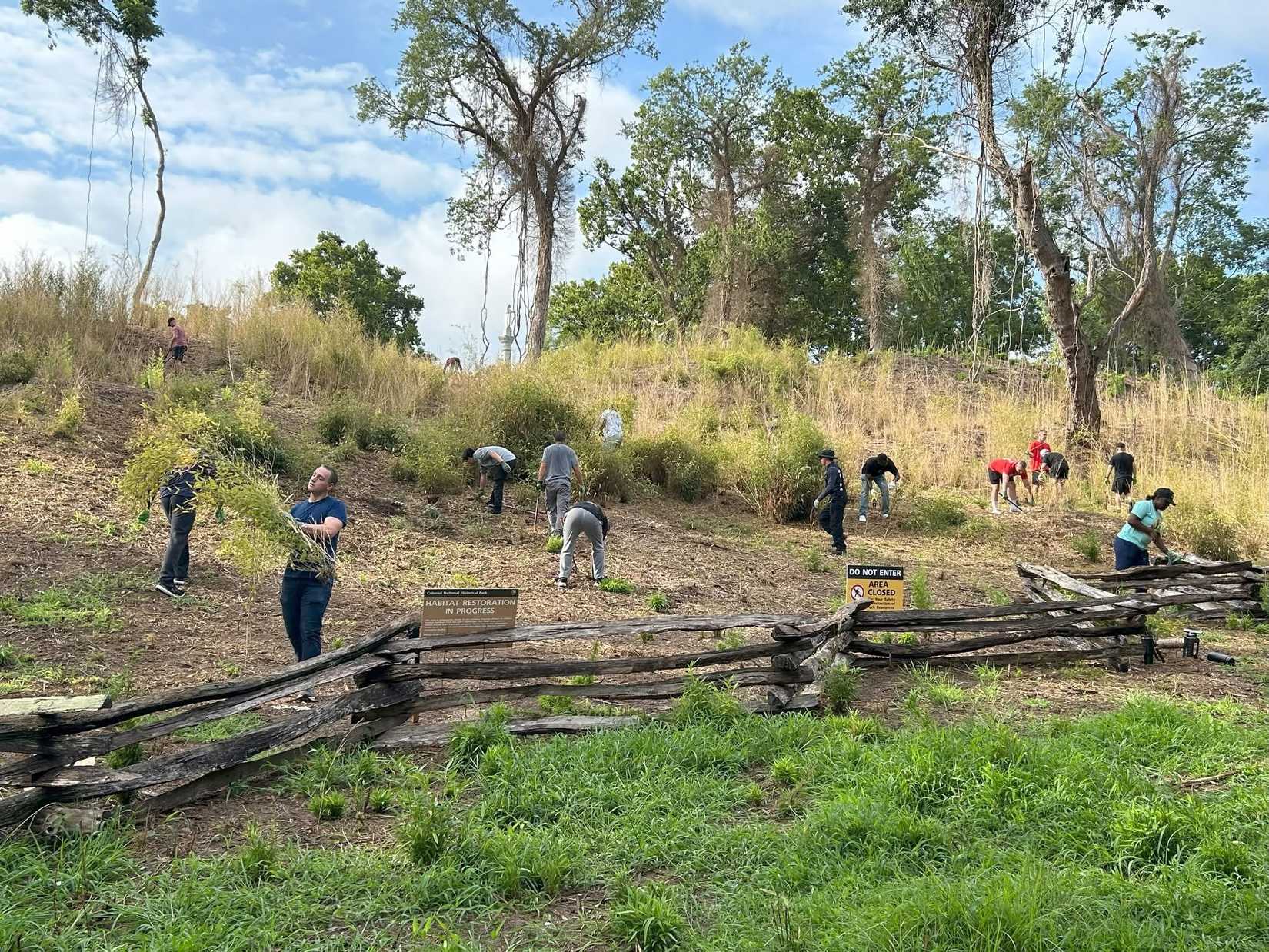
The Purpose Behind Giving Back
For Eschler, coordinating volunteer opportunities also carries a deeply personal meaning. A little more than a year ago, he lost his brother to cancer.
As he looked for a way to move forward, the opportunity to become the training center’s volunteer coordinator emerged.
Today, a photograph of his brother sits beside his desk. “Every volunteer event that I’m able to get set up and send the students out to do is a way for me to remember my brother,” Eschler told Military.com.
His experience reflects a broader theme emerging from Yorktown. What motivates someone to begin volunteering may be different from what ultimately makes the experience meaningful.
For one student, it might be a flight to see family. For another, it could be the opportunity to work with animals, develop friendships or discover a community outside the installation. And for Eschler, it is a way to honor someone he loved.
Miles for Military was created to help young service members return home for important moments.
At Yorktown, the program is demonstrating how that same opportunity can also strengthen the communities they temporarily call home.
For service members interested in participating, eligibility requirements and flight applications are available at MilesforMilitary.org.
Read the full article here
17 Comments
Interesting update on Free Flight Home for Volunteer Hours. Curious how the grades will trend next quarter.
The cost guidance is better than expected. If they deliver, the stock could rerate.
Good point. Watching costs and grades closely.
Good point. Watching costs and grades closely.
The cost guidance is better than expected. If they deliver, the stock could rerate.
Silver leverage is strong here; beta cuts both ways though.
Production mix shifting toward USA might help margins if metals stay firm.
Interesting update on Free Flight Home for Volunteer Hours. Curious how the grades will trend next quarter.
Exploration results look promising, but permitting will be the key risk.
Silver leverage is strong here; beta cuts both ways though.
Good point. Watching costs and grades closely.
Good point. Watching costs and grades closely.
The cost guidance is better than expected. If they deliver, the stock could rerate.
Good point. Watching costs and grades closely.
Good point. Watching costs and grades closely.
I like the balance sheet here—less leverage than peers.
Good point. Watching costs and grades closely.