

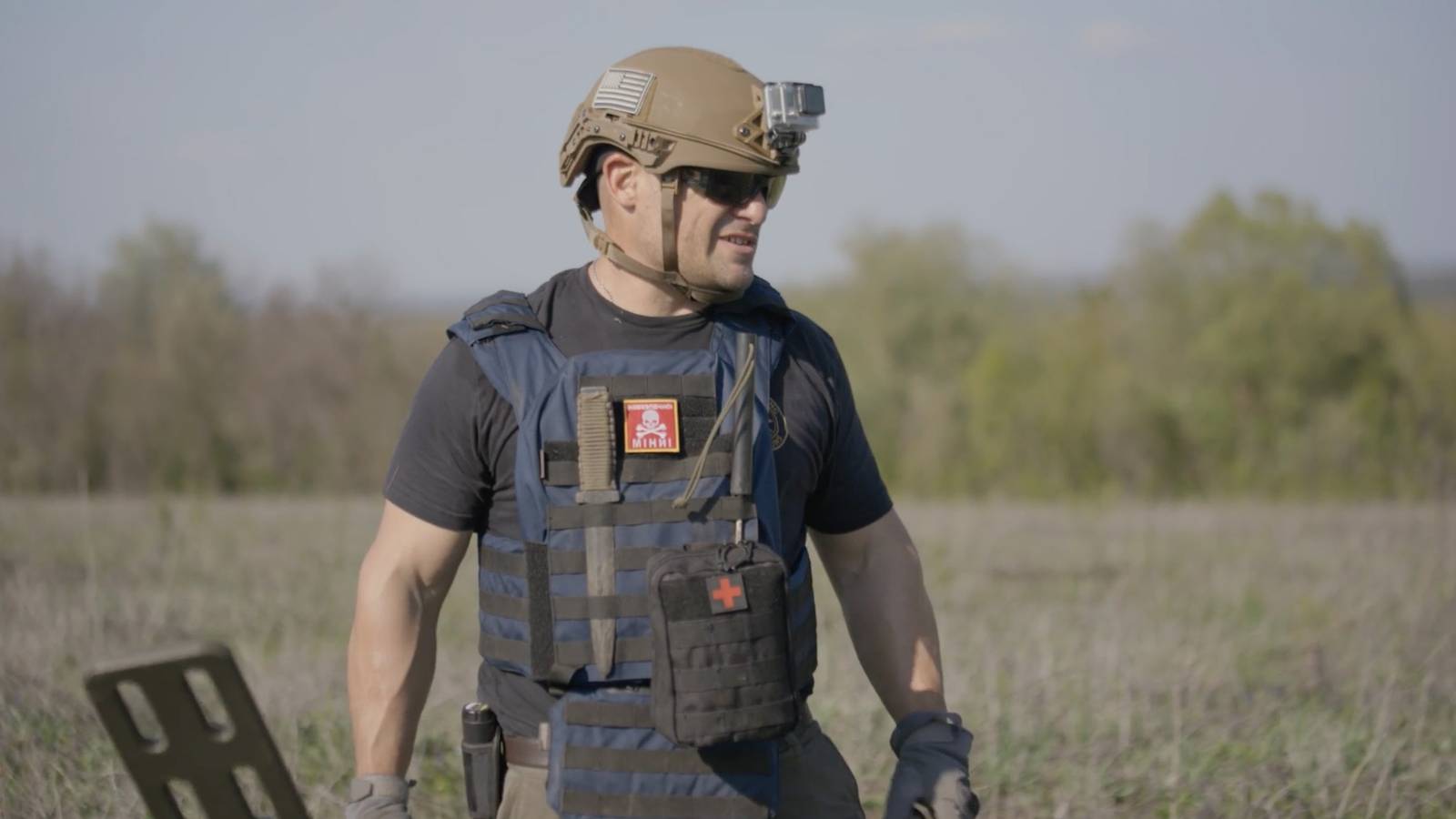
Ryan Hendrickson knows what happens when someone steps on a buried explosive. He lived through it.
On Sept. 12, 2010, the Army Green Beret was helping clear a village in Afghanistan’s Uruzgan province when he stepped on an improvised explosive device. The blast nearly killed him and left his right leg severely damaged.
Twenty-eight surgeries and 18 months of rehabilitation followed. Doctors saved his leg, but Hendrickson was told his combat career was effectively over. He refused to accept that conclusion.
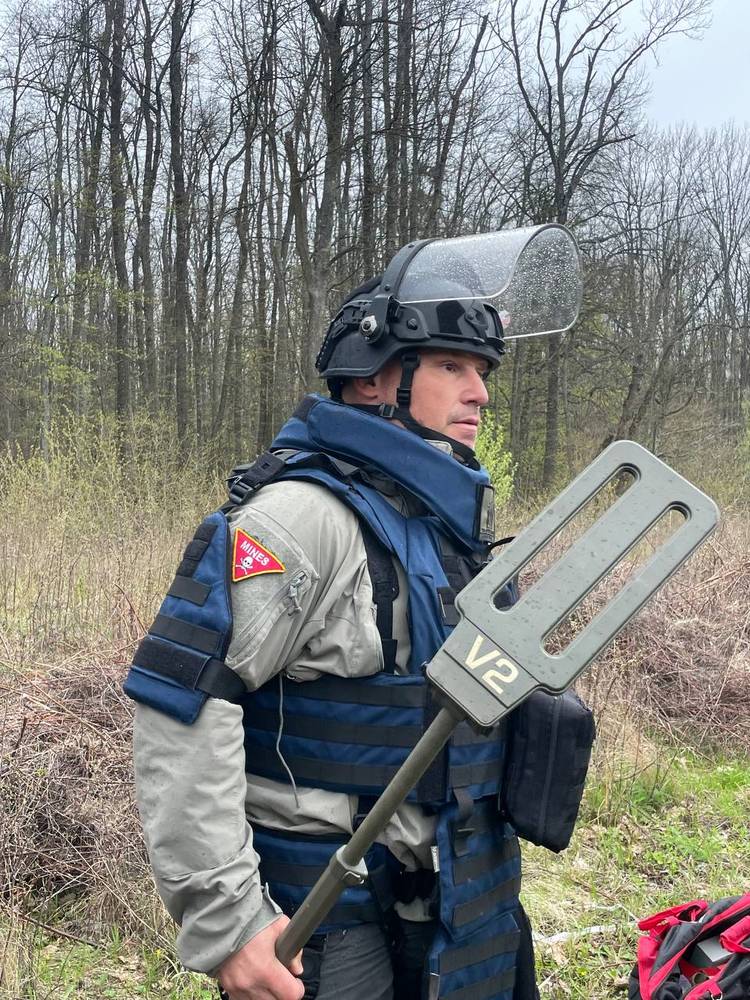
Today, the retired Green Beret is doing something few could have imagined after that explosion. He’s traveling to Ukraine to help remove landmines and other explosives threatening civilians, using the same skills he developed during years of combat.
But as Hendrickson explained in an interview with Military.com, his journey back to a minefield was about more than saving lives. It was also about finding a reason to keep moving forward.
He Survived the Explosion. Then He Fought to Return to War.
Hendrickson was on his first Afghanistan deployment as a Green Beret when the explosion changed his life.
His team was clearing villages in the Chutu River Valley when an Afghan soldier encountered trouble near a compound entrance. Hendrickson moved forward to help. He stepped on an IED at the breach point.
After extensive rehabilitation, he received permission to remain on active duty, but initially was told he would not deploy again.
He continued training, passed a demanding return-to-duty program and, in March 2012, returned to Afghanistan.
I felt that I had just done something that everybody told me was impossible, Hendrickson told Military.com.
He eventually completed seven combat deployments and eight total trips to Afghanistan.
His experiences also became the foundation for his memoir, Tip of the Spear: The Incredible Story of an Injured Green Beret’s Return to Battle. But surviving the explosion and returning to combat were not the end of his struggle.
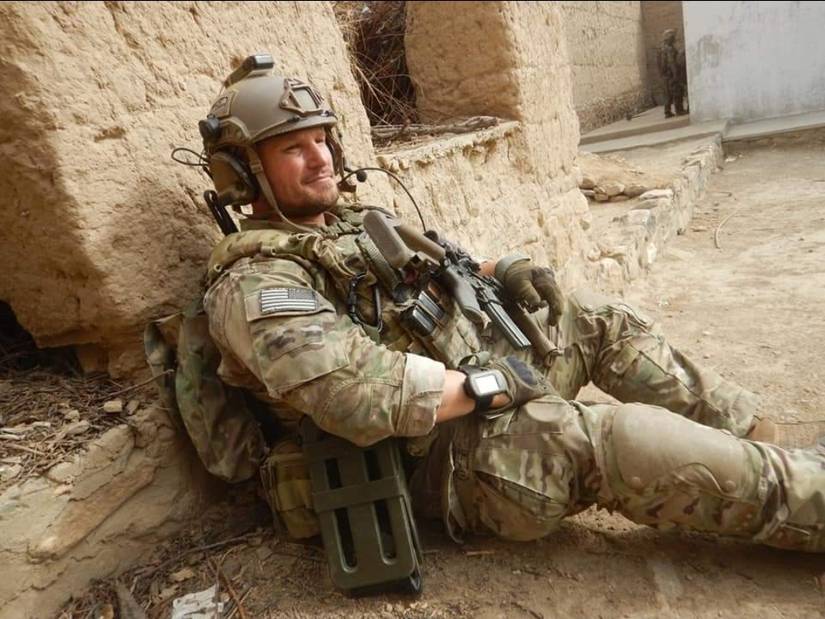
When Afghanistan Fell, He Lost More Than a Mission
Hendrickson was in Afghanistan during the final months of the American withdrawal in 2021, helping close installations where he and other service members had spent years operating.
He left in July, shortly before the Taliban regained control of the country. Watching the collapse unfold from home was devastating.
“My entire identity and everything had been Afghanistan,” Hendrickson said. He had built his sense of self around his injury, his return to combat and his military service.
I made my injury, I made my time in Afghanistan me, which is horribly incorrect, he said. Don’t do that.
The deaths of 13 American service members at Abbey Gate compounded his anguish.
He began questioning what two decades of American involvement in Afghanistan had accomplished and what the sacrifices of his fellow service members had meant.
“What was it for?” he remembered asking. He described sinking into depression, drinking and struggling with whether he wanted to continue living. Then, in February 2022, Russia launched its full-scale invasion of Ukraine.
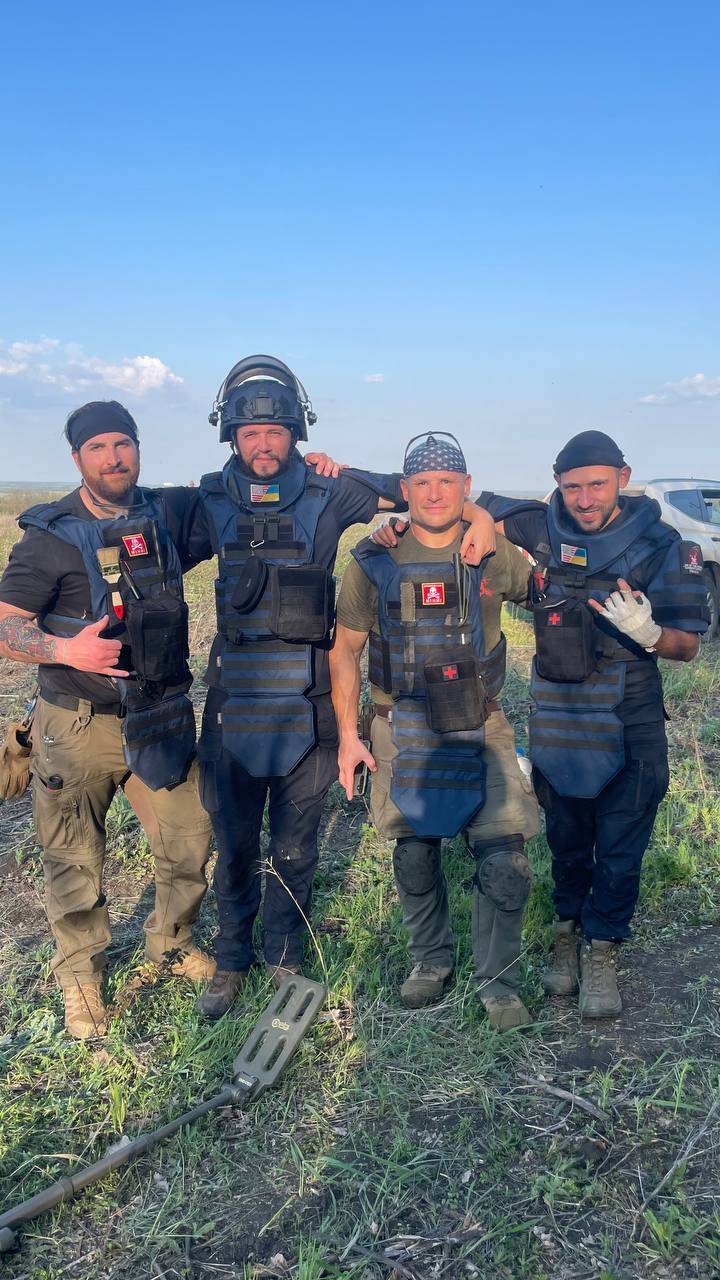
The War in Ukraine Offered an Unexpected Way Forward
Hendrickson initially knew little about Ukraine. But as he watched the invasion, he felt compelled to help.
In March 2022, he traveled there carrying medical supplies and connected with a humanitarian organization assisting civilians.
He helped evacuate residents from threatened communities and delivered food and medical supplies to areas recently liberated from Russian occupation.
He was among those who entered Bucha in early April 2022, as residents emerged from shelters and the bodies of civilians remained in the streets. The experience exposed him to a different kind of war.
But Hendrickson acknowledged that his decision to travel to Ukraine initially came from a deeply personal place.
Going to Ukraine after the withdrawal from Afghanistan was an attempt for me to run away from everything that was this war that was happening inside myself, he told Military.com.
“I was trying to find myself again.” As the humanitarian missions continued, something changed.
“I feel good,” he recalled realizing after roughly two and a half months. “I have a purpose, like I have a mission again.”
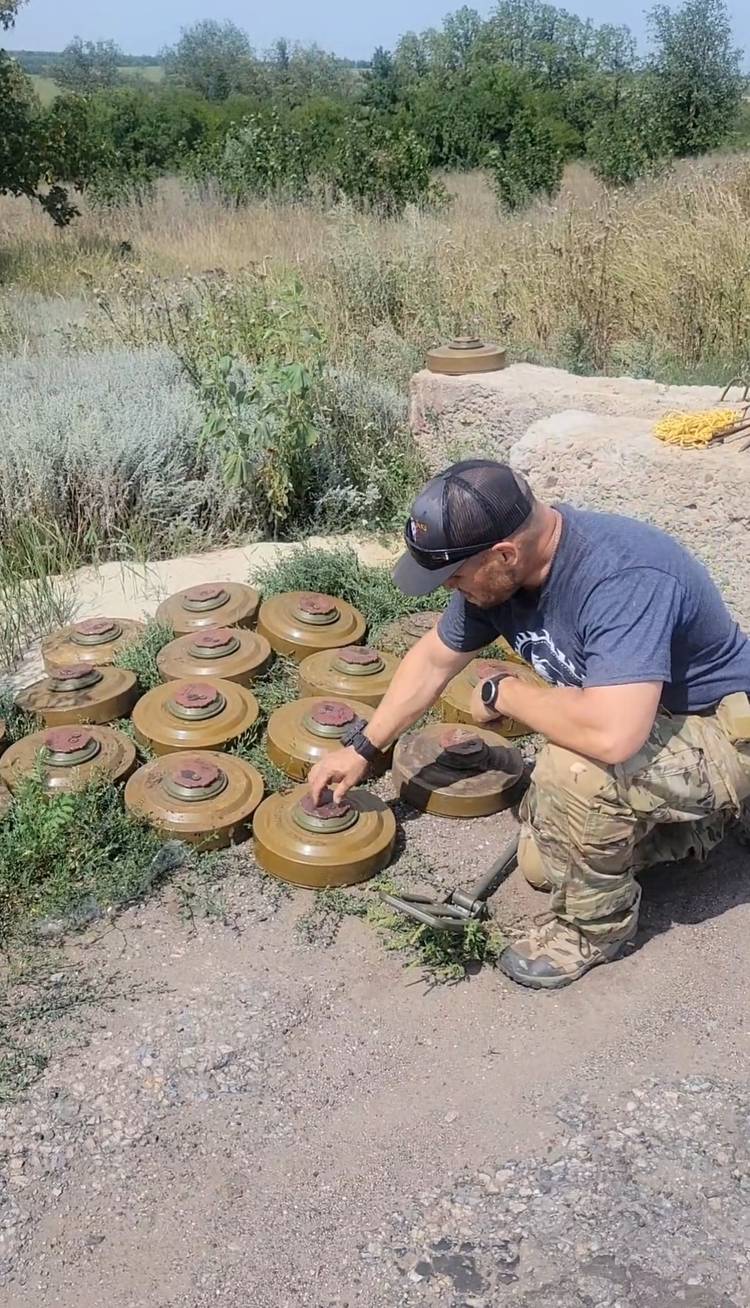
The Explosives That Nearly Killed Him Became His New Mission
As Ukrainian civilians returned to their homes, many encountered landmines and unexploded ordnance left behind by Russian forces.
Hendrickson had spent years dealing with similar threats in Afghanistan.
As an Army Special Forces engineer sergeant, he had extensive experience identifying and destroying explosive devices along patrol routes.
When a Ukrainian territorial defense unit needed help dealing with landmines, he volunteered. The unit lacked specialized equipment and experience. Hendrickson began providing training, then returned to the United States to raise money for mine detectors.
In July 2022, he brought 25 detectors back to Ukraine and began training Ukrainian personnel to use them. Other units soon requested assistance.
What began as an effort to help one group developed into a larger mission.
He founded Tip of the Spear Landmine Removal, a nonprofit organization supporting mine-clearance efforts and other humanitarian work.
The organization now works with a Ukrainian team that includes wounded Ukrainian veterans who can no longer serve in their previous military roles.
Hendrickson told Military.com he has completed 13 humanitarian missions to Ukraine, most recently returning in May. The irony is unmistakable.
A landmine nearly ended his military career. Now, removing explosives from the ground is central to his work helping other people survive.
Finding Purpose Beyond the Uniform
Hendrickson says his experiences have changed how he thinks about service, identity and the transition out of the military.
He initially believed he had found an answer to his own struggles by returning to a dangerous environment where his skills were useful.
But he also began seeing opportunities for other veterans. Some could provide medical training. Others could operate vehicles, repair equipment or help rebuild communities.
The common thread was not combat. It was service.
Hendrickson believes veterans often struggle after leaving the military because they lose more than a job. They can lose the relationships, responsibilities and sense of belonging that gave their lives structure.
His work in Ukraine has offered another way to use those experiences.
And he has begun developing a broader initiative that would allow more veterans to participate in humanitarian missions around the world.
For Hendrickson, the change represents something larger than his own recovery.
You’re going from killing and destroying to healing and rebuilding, he said.
More than 15 years after an explosion nearly took his life, Hendrickson is still walking into places where explosives threaten human lives.
Only now, his mission is to help make sure other people can walk away safely.
Read the full article here
55 Comments
If AISC keeps dropping, this becomes investable for me.
Good point. Watching costs and grades closely.
Good point. Watching costs and grades closely.
Silver leverage is strong here; beta cuts both ways though.
Good point. Watching costs and grades closely.
Exploration results look promising, but permitting will be the key risk.
Good point. Watching costs and grades closely.
Silver leverage is strong here; beta cuts both ways though.
Uranium names keep pushing higher—supply still tight into 2026.
Good point. Watching costs and grades closely.
Interesting update on Green Beret Ryan Hendrickson Clears Landmines in Ukraine After IED Injury. Curious how the grades will trend next quarter.
Good point. Watching costs and grades closely.
Good point. Watching costs and grades closely.
I like the balance sheet here—less leverage than peers.
Good point. Watching costs and grades closely.
Good point. Watching costs and grades closely.
Exploration results look promising, but permitting will be the key risk.
Good point. Watching costs and grades closely.
Good point. Watching costs and grades closely.
Production mix shifting toward USA might help margins if metals stay firm.
Good point. Watching costs and grades closely.
Exploration results look promising, but permitting will be the key risk.
Good point. Watching costs and grades closely.
Exploration results look promising, but permitting will be the key risk.
Good point. Watching costs and grades closely.
Good point. Watching costs and grades closely.
I like the balance sheet here—less leverage than peers.
Good point. Watching costs and grades closely.
Silver leverage is strong here; beta cuts both ways though.
Good point. Watching costs and grades closely.
If AISC keeps dropping, this becomes investable for me.
Good point. Watching costs and grades closely.
Exploration results look promising, but permitting will be the key risk.
Good point. Watching costs and grades closely.
Silver leverage is strong here; beta cuts both ways though.
Good point. Watching costs and grades closely.
Good point. Watching costs and grades closely.
If AISC keeps dropping, this becomes investable for me.
Good point. Watching costs and grades closely.
I like the balance sheet here—less leverage than peers.
Good point. Watching costs and grades closely.
I like the balance sheet here—less leverage than peers.
Uranium names keep pushing higher—supply still tight into 2026.
Good point. Watching costs and grades closely.
Good point. Watching costs and grades closely.
Uranium names keep pushing higher—supply still tight into 2026.
Good point. Watching costs and grades closely.
Good point. Watching costs and grades closely.
If AISC keeps dropping, this becomes investable for me.
Good point. Watching costs and grades closely.
Good point. Watching costs and grades closely.
Production mix shifting toward USA might help margins if metals stay firm.
Good point. Watching costs and grades closely.
Good point. Watching costs and grades closely.
If AISC keeps dropping, this becomes investable for me.