

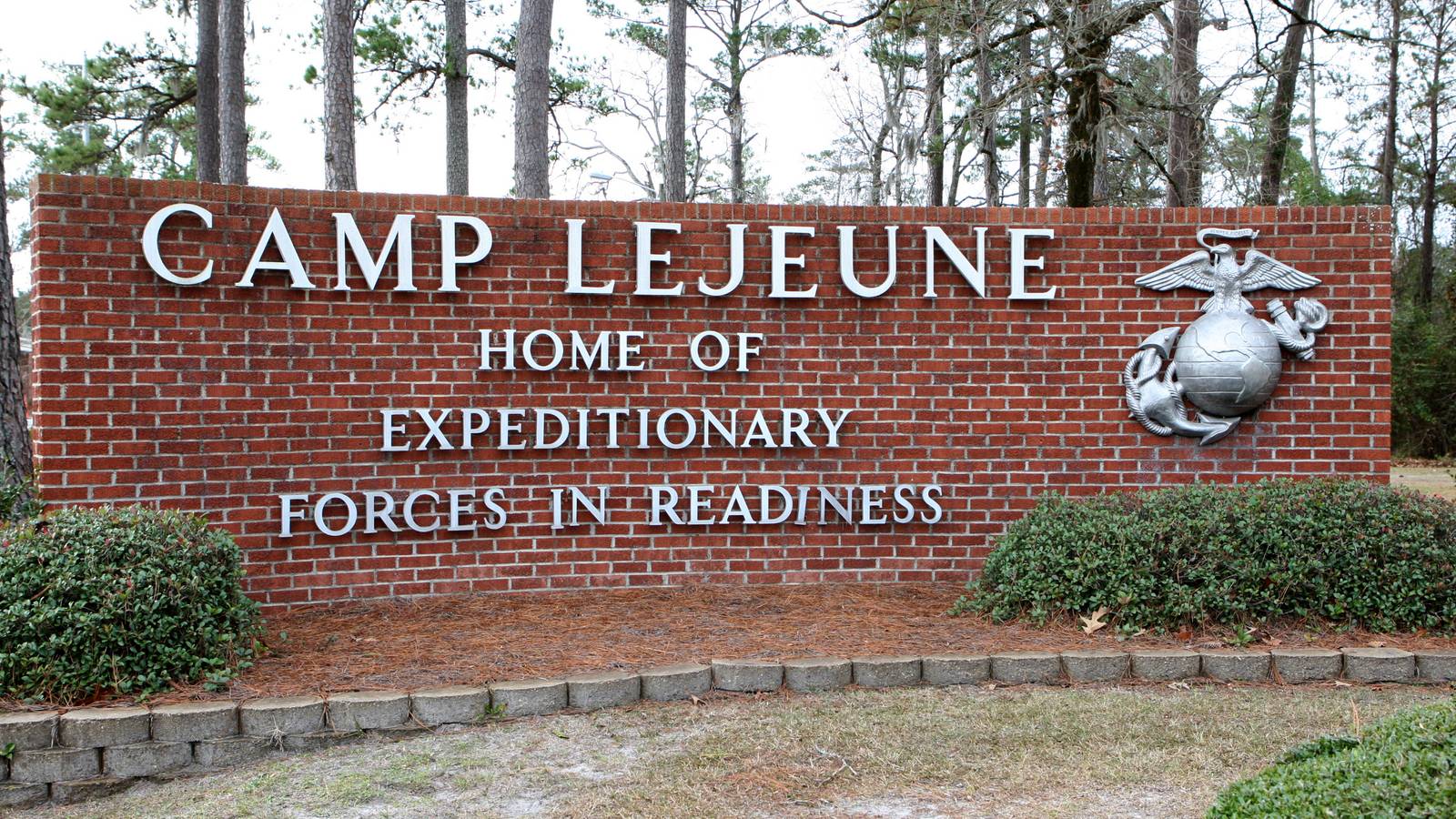
At a career fair at Camp Lejeune, Michael E. almost walked past the NextOp booth. He had seen plenty of tables and banners promising help to veterans. This one, he would discover, was different.
He nearly wrote off NextOp as “just another veterans group.” By his own account, he was wrong.
Michael had spent 20 years in the Marine Corps by the time he retired in 2024, a career long enough to include a brief stretch as a civilian before he re-enlisted and finished what he had started.
He knew what it was like to leave the military but was unsure where to start with this new transition.
The cybersecurity job market he stepped into was crowded with applicants, and the problem that stalled his search was not the one he expected.
His resume was not an obstacle. His experience was not an obstacle. His biggest obstacle was simpler and far more frustrating.
He could not get his foot in the door for an interview.
Finding the Right Support
NextOp, the Houston-based nonprofit behind that career-fair table, works one-on-one with transitioning service members and veterans to connect them with civilian careers.
Its staff help veterans translate their military training into language civilian employers recognize, match them with open roles and mentor them through the hiring process.
NextOp’s personalized approach stood out from the other organizations Michael had encountered.
A brochure tells a veteran that their experience has value, but they already know that. An advocate puts that experience in front of the people who can possibly make a difference.
For a Marine who had already tried the civilian market once before, the difference was easy to recognize once he saw it up close.
Face-to-Face Support
The turning point came when NextOp brought Michael to Huntsville, Alabama, for one of its fly-in recruiting events.
This format was designed to put transitioning veterans in the same room as employers actively hiring for their skill sets.
For a candidate whose applications kept vanishing into online portals, the fly-in solved the exact problem that had stalled his search.
Recruiters were no longer scanning a document for keywords. They were standing across from a 20-year Marine, asking questions and hearing the answers in his own voice.
Michael made such a strong impression that one company’s HR team went beyond reviewing his resume. They personally advocated for him with the hiring manager.
His qualifications had been there all along. Huntsville was where someone finally carried them through the door.
The Job He Holds Today
Michael now works as a Windows System Administrator at Integration Innovation Inc., a Huntsville technology and defense company that was not even on his radar before NextOp opened the door.
The role typically requires knowledge of Windows infrastructure, system security, and vulnerability remediation.
It’s an arena where two decades of military technical standards, along with discipline, translate directly into the daily work.
“Without NextOp, I likely wouldn’t have the job I hold today,” Michael said. “Their personalized approach made all the difference in my transition.”
Everyone Has to Start Somewhere
Twenty years in the Marine Corps made Michael fully capable of the job he holds, and the hiring process proved it the moment he got a real conversation.
What his experience could not do on its own was make the right hiring manager take notice.
A military career builds the qualifications.
It does not automatically build the network that gets those qualifications noticed, and in a crowded field the network is often the difference between a capable candidate and a hired one.
It took a handshake in Huntsville, an HR team willing to vouch for a Marine they had just met, and an organization Michael almost walked past at Camp Lejeune.
His story is a reminder that a military career can build valuable skills without automatically building a civilian hiring network. Getting a conversation started can change what happens next.
He almost walked past NextOp’s table at Camp Lejeune. Instead, that conversation helped open the door to his next career.
Learn more about NextOp’s career services.
Read the full article here
32 Comments
Silver leverage is strong here; beta cuts both ways though.
Good point. Watching costs and grades closely.
Silver leverage is strong here; beta cuts both ways though.
Good point. Watching costs and grades closely.
Exploration results look promising, but permitting will be the key risk.
Production mix shifting toward USA might help margins if metals stay firm.
Silver leverage is strong here; beta cuts both ways though.
I like the balance sheet here—less leverage than peers.
Good point. Watching costs and grades closely.
Good point. Watching costs and grades closely.
I like the balance sheet here—less leverage than peers.
Good point. Watching costs and grades closely.
Good point. Watching costs and grades closely.
Silver leverage is strong here; beta cuts both ways though.
Production mix shifting toward USA might help margins if metals stay firm.
Good point. Watching costs and grades closely.
Good point. Watching costs and grades closely.
The cost guidance is better than expected. If they deliver, the stock could rerate.
Good point. Watching costs and grades closely.
Good point. Watching costs and grades closely.
Uranium names keep pushing higher—supply still tight into 2026.
Interesting update on He Served 20 Years in the Marines. Getting a Civilian Interview Was His Next Mission. Curious how the grades will trend next quarter.
Good point. Watching costs and grades closely.
Interesting update on He Served 20 Years in the Marines. Getting a Civilian Interview Was His Next Mission. Curious how the grades will trend next quarter.
Good point. Watching costs and grades closely.
Silver leverage is strong here; beta cuts both ways though.
The cost guidance is better than expected. If they deliver, the stock could rerate.
Good point. Watching costs and grades closely.
Good point. Watching costs and grades closely.
Uranium names keep pushing higher—supply still tight into 2026.
Production mix shifting toward USA might help margins if metals stay firm.
Good point. Watching costs and grades closely.