

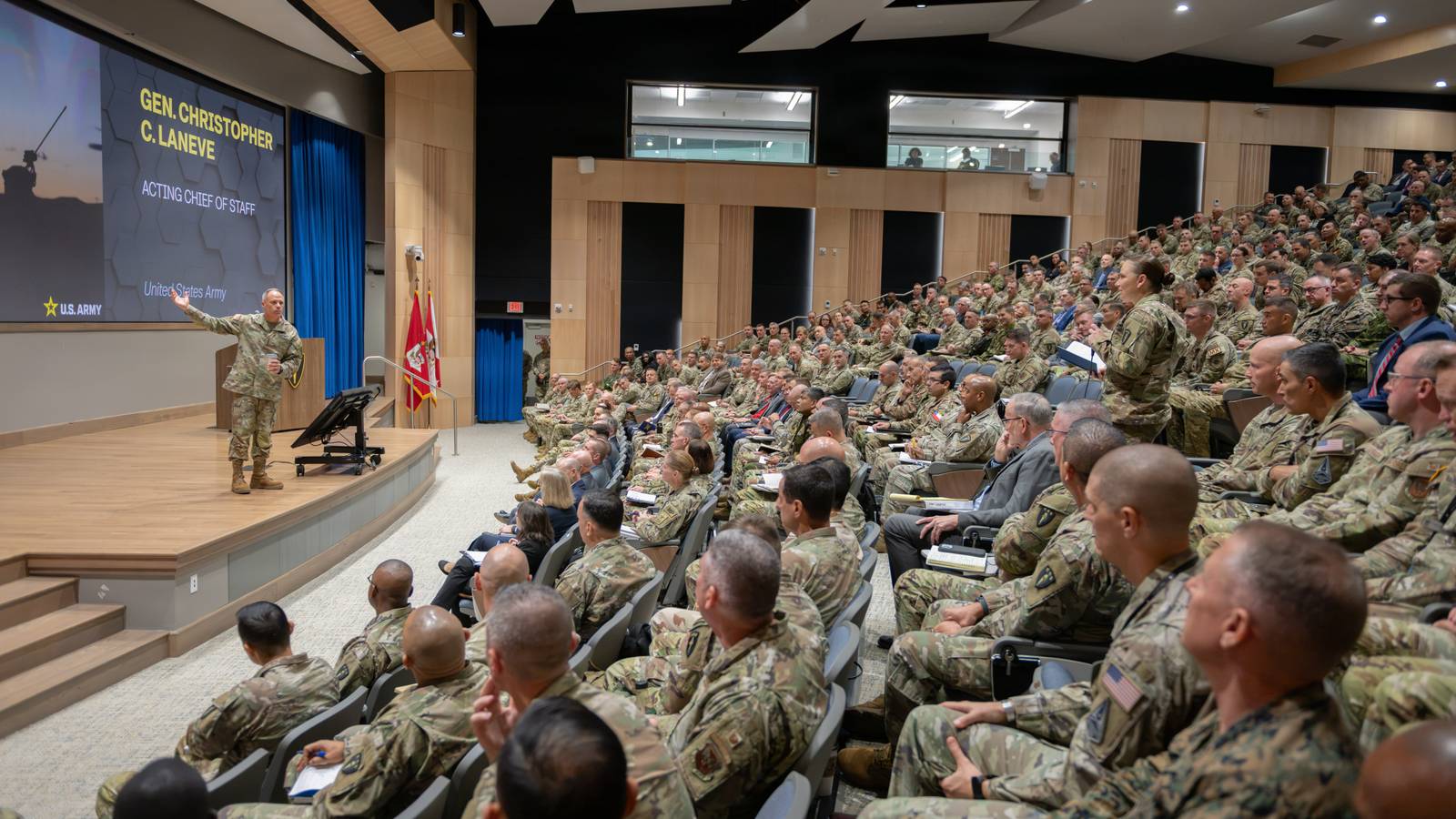
Defense Secretary Pete Hegseth has ordered sweeping changes to the military’s professional education system, directing war colleges to prioritize instructors with military experience, restrict tenure for newly hired civilian professors, and replace traditional academic assessments with competitive wargames.
The Nov. 9 memorandum, titled “Reforming Professional Military Education to Forge Warfighters and Secure Victory,” contains 33 directives affecting senior service colleges and intermediate-level military education institutions.
U.S. Defense Secretary Pete Hegseth addressed students and faculty at the Naval War College in Rhode Island, announcing reforms to senior military education and denouncing civilian bodies dictating military standards and curriculum.
Hegseth announced the overhaul during a speech Monday at the U.S. Naval War College in Newport, Rhode Island, following a Pentagon review of military education.
The changes are intended to strengthen combat readiness through practical instruction, operational experience and more demanding assessments. They also raise questions about the future of civilian educators, academic independence and the role of strategic education in preparing senior officers.
Military Experience Becomes a Faculty Priority
One of the most consequential provisions requires institutions to restructure faculty composition so that most full-time instructors possess direct military or defense experience.
The memorandum’s directive calls for limiting civilian instructors whose qualifications consist primarily of technical subject-matter expertise.
That distinction could affect scholars specializing in international relations, economics, political history and other disciplines relevant to military strategy but not necessarily acquired through military service.

The policy does not prohibit civilian employment outright or establish that every civilian without military experience will lose their position. Its requirement to change the faculty ratio, however, could affect recruitment, staffing and institutional expertise.
The directive also establishes “Warfighter Chair” positions for high-performing lieutenant colonels and colonels who have completed operational command assignments within the preceding 24 months.
These instructors would bring recent operational experience directly into senior-level classrooms.
Tenure Changes Create Questions for Existing Professors
The directive explicitly eliminates lifetime tenure and emeritus status for newly hired faculty, while requiring compliance with existing agreements and statutory protections.
It also calls for civilian faculty positions to be converted, where appropriate, to renewable three-year contracts, with renewals evaluated on teaching effectiveness and research aligned with national security or defense priorities.
The memorandum does not direct institutions to revoke tenure already granted, although it does not specify which positions may be converted to term appointments.
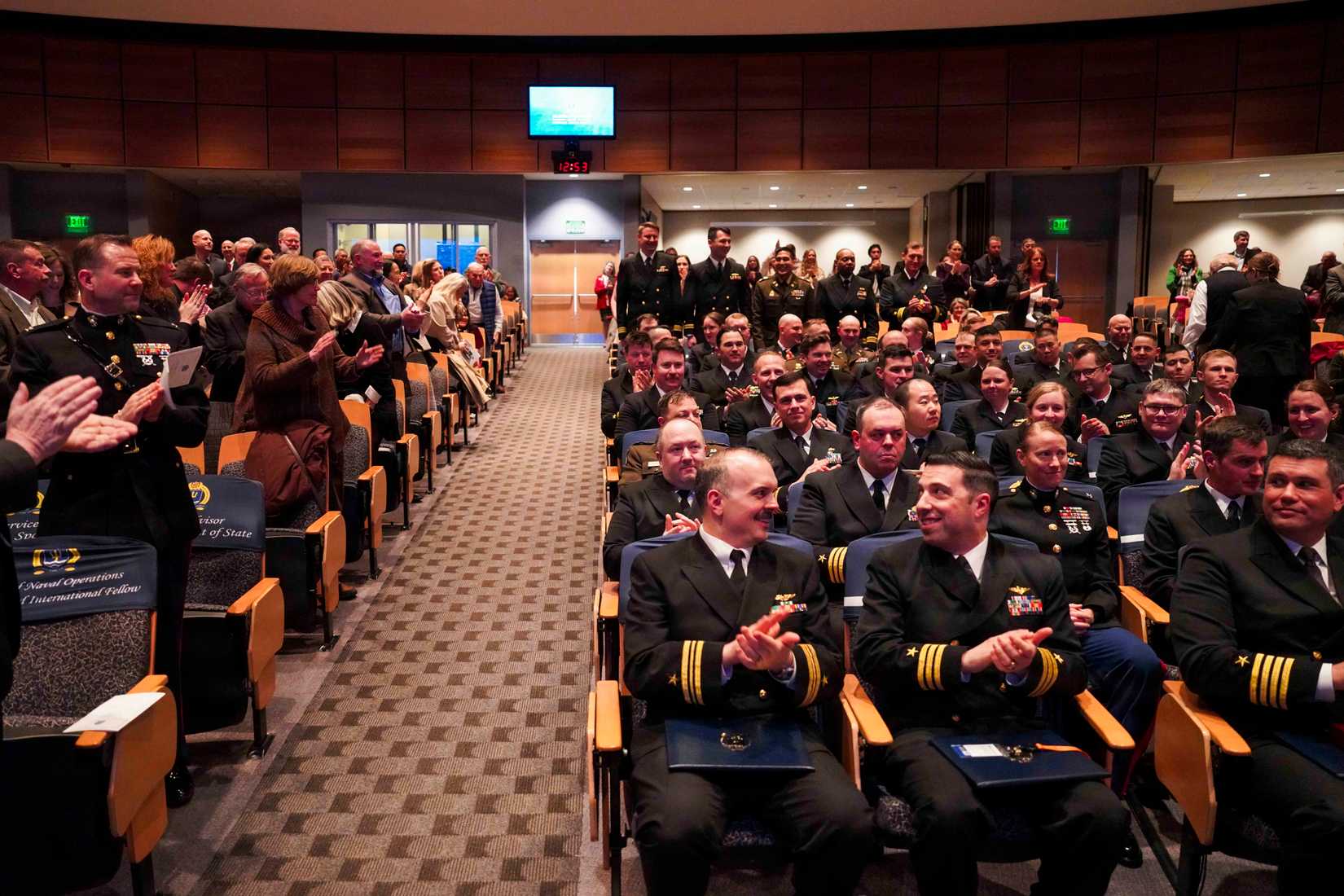
Tenure does not guarantee permanent employment. It generally protects professors from dismissal without cause and established procedures.
Supporters argue that these protections preserve academic independence, allowing faculty to challenge prevailing assumptions without fear of retaliation.
Critics contend that tenure can complicate efforts to address poor performance or restructure academic programs.
War Games, Artificial Intelligence and New Evaluations
Other provisions would substantially change how officers demonstrate proficiency.
The Pentagon plans to expand artificial intelligence-assisted wargaming, introduce standardized examinations and place greater emphasis on decision-making under simulated operational pressure.
Students would face interconnected exercises involving multiple military services and domains rather than relying primarily on seminar participation or lengthy written theses.
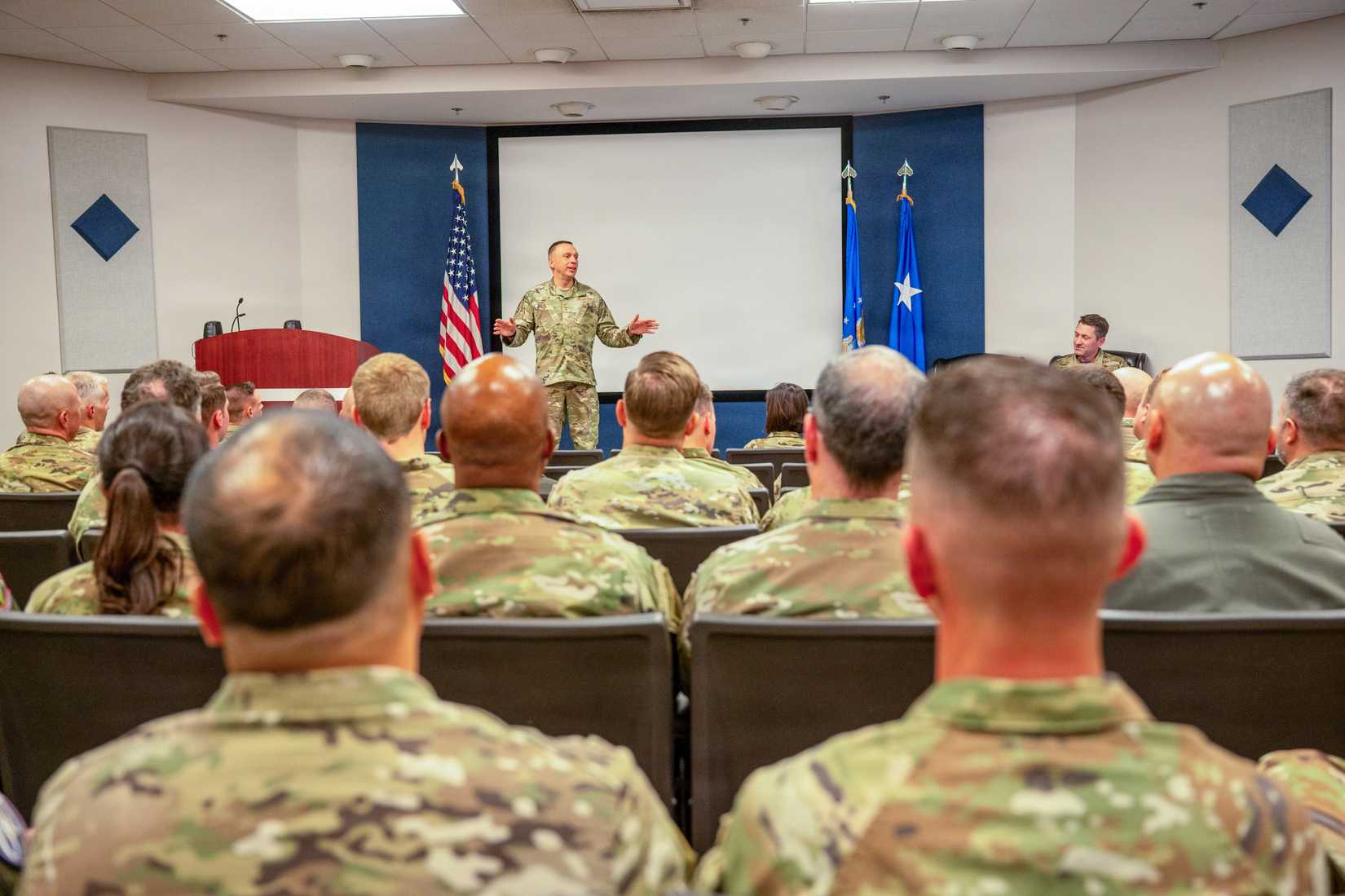
The reforms also call for expanded classified instruction and additional secure facilities, allowing students to work with operational information that cannot be discussed in ordinary academic classrooms.
These changes reflect a military education priority: Senior commanders must make decisions when information is incomplete, adversaries behave unpredictably and the consequences are significant.
However, wargaming and strategic scholarship serve different educational purposes. Simulated exercises test decisions within constructed scenarios, while historical analysis and independent research allow officers to examine assumptions, competing theories and consequences that exercises might not anticipate.
The Naval War College’s existing academic programs already incorporate strategy, joint operations and national security studies. How much the new requirements actually change those programs will depend on implementation.
Military Education Has Faced Earlier Restrictions
The November directive follows several efforts by Hegseth to reshape military education.
In February, he ended graduate programs at Harvard for future active-duty participants and canceled 93 senior service college fellowships at universities and research institutions, including Princeton and the Massachusetts Institute of Technology.
The new requirements apply to senior service colleges and intermediate-level military education programs, not undergraduate service academies such as West Point, Annapolis or the Air Force Academy, which were subject to Hegseth’s separate September tenure directive.
In September, he ordered military service academies to stop granting tenure to civilian professors. Many civilian faculty members were military veterans, including some with extensive combat experience.
Read the full article here
26 Comments
I like the balance sheet here—less leverage than peers.
Good point. Watching costs and grades closely.
Good point. Watching costs and grades closely.
Production mix shifting toward USA might help margins if metals stay firm.
Good point. Watching costs and grades closely.
Good point. Watching costs and grades closely.
Production mix shifting toward USA might help margins if metals stay firm.
Good point. Watching costs and grades closely.
Good point. Watching costs and grades closely.
The cost guidance is better than expected. If they deliver, the stock could rerate.
Good point. Watching costs and grades closely.
If AISC keeps dropping, this becomes investable for me.
Interesting update on Hegseth’s Military War College Overhaul Reduces Civilian Faculty. Curious how the grades will trend next quarter.
Good point. Watching costs and grades closely.
If AISC keeps dropping, this becomes investable for me.
Good point. Watching costs and grades closely.
Good point. Watching costs and grades closely.
Exploration results look promising, but permitting will be the key risk.
Good point. Watching costs and grades closely.
Good point. Watching costs and grades closely.
If AISC keeps dropping, this becomes investable for me.
Good point. Watching costs and grades closely.
If AISC keeps dropping, this becomes investable for me.
Good point. Watching costs and grades closely.
Good point. Watching costs and grades closely.
Uranium names keep pushing higher—supply still tight into 2026.