

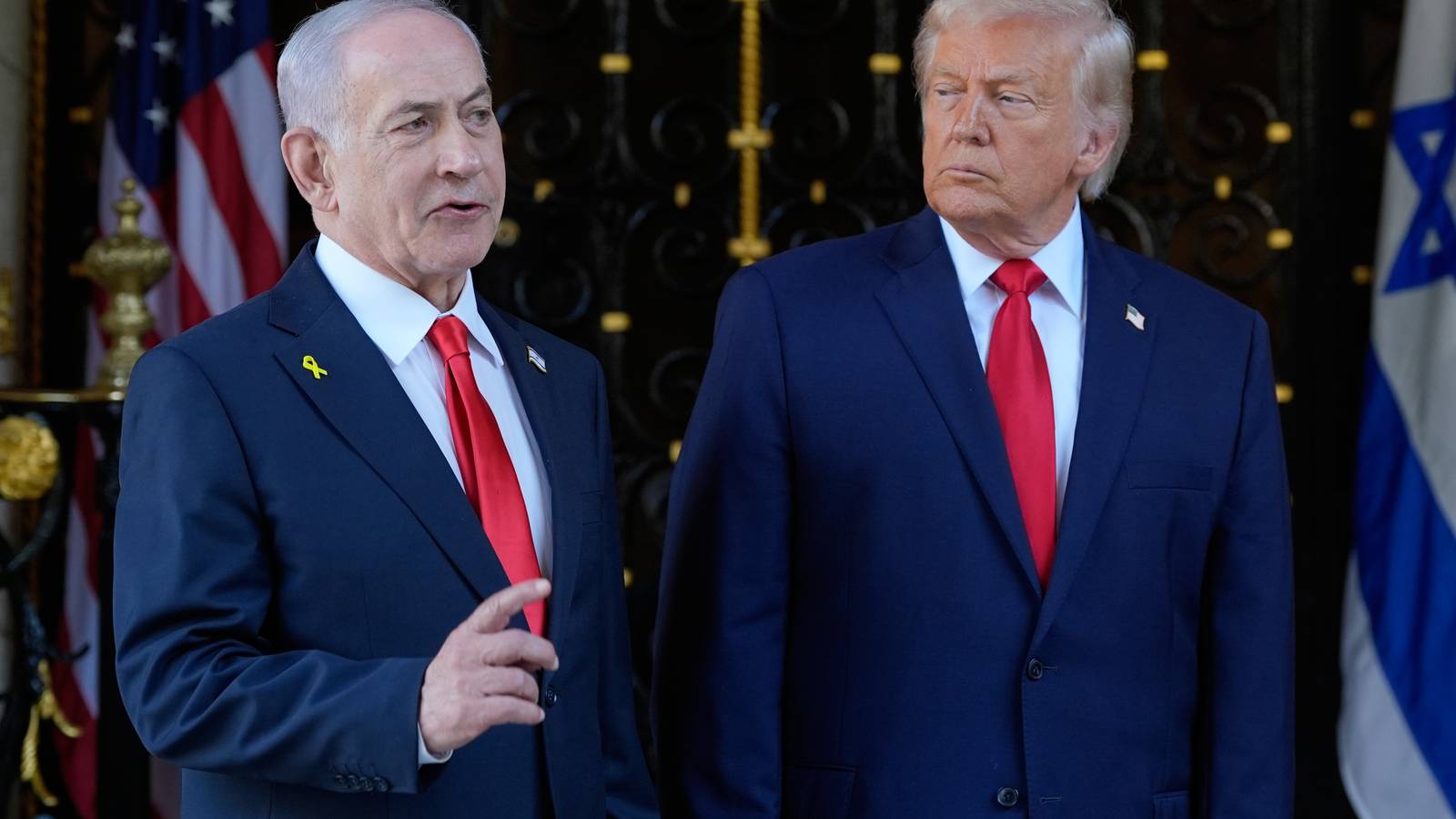
The United States and Israel are negotiating a military assistance agreement that could continue billions of dollars in annual American funding through 2033, despite President Donald Trump’s announcement last week that the payments would end this year.
The proposed five-year agreement would provide approximately $16.5 billion in direct military financing after the existing arrangement expires in 2028, maintaining the current annual rate of $3.3 billion. It could also increase separate American funding for joint missile defense programs, according to details published by Israeli media.
Israelis gathered to commemorate the Oct. 7, 2023, attack that killed 1,200 people, saw 251 taken hostage, and sparked a devastating war in Gaza that Palestinians still grapple with.
The proposal remains under negotiation, and neither government has announced a finalized agreement. Nevertheless, it conflicts with Trump’s Nov. 3 declaration that Israel no longer needed American military aid and would stop receiving it at the end of 2026.
“We were giving them $4 billion—we are —but it gets cut off at the end of the year,” Trump said during an Election Day interview with Fox News.
Simultaneously, Israeli officials are saying essentially the same thing. Prime Minister Benjamin Netanyahu’s office said Wednesday that Jerusalem will “phase out” assistance from Washington, according to The Times of Israel.
“In 1996, Prime Minister Benjamin Netanyahu said that Israel would gradually phase out American economic assistance, which stood at $1.2 billion,” said his office. “He followed through on that commitment.”
“Thirty years later, Prime Minister Netanyahu said that Israel’s economy is strong enough to gradually phase out American military assistance as well,” they added.
What the Proposed Agreement Would Actually Change
The current U.S.-Israel memorandum of understanding, signed under President Barack Obama in 2016, provides $38 billion for fiscal years 2019 through 2028.
It consists of $33 billion in Foreign Military Financing and $5 billion for cooperative missile defense, including systems such as Iron Dome, David’s Sling and Arrow.
Foreign Military Financing, or FMF, generally allows foreign governments to purchase American defense equipment using U.S. government grants rather than their own funds.
Under the proposed framework, Israel would continue receiving approximately $3.3 billion annually for American weapons purchases from fiscal 2029 through 2033. The funding would then be phased out rather than immediately discontinued.
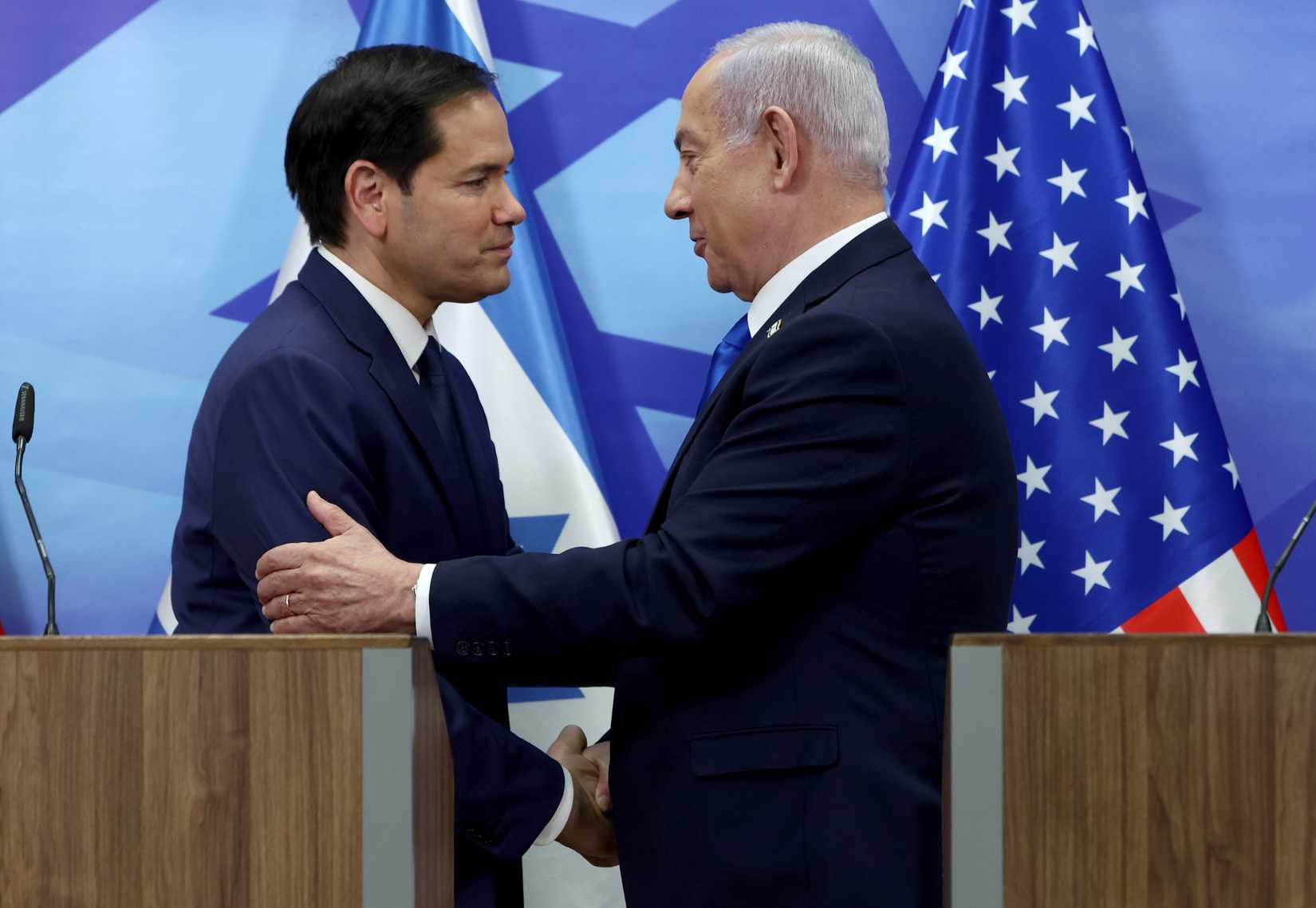
The shorter agreement would halve the direct financing commitment compared with another 10-year arrangement at the current rate. However, that reduction concerns the duration of future assistance, not the amount provided each year.
Funding for joint air and missile defense programs could increase beyond the current $500 million annual baseline, although negotiators have not publicly established a new figure.
That leaves the total potential American commitment uncertain. A reduction in direct grants could coincide with expanded expenditures on defense research, missile interceptors and joint weapons production.
Why Trump’s Announcement Does Not Automatically End Aid
Trump said he and Netanyahu had reached an agreement months earlier to end American assistance.
“Israel is a very thriving country,” Trump said, explaining that Netanyahu believed it no longer needed the funding, but “if they did need it, I would say keep it going.”
He also acknowledged the domestic political controversy surrounding the payments, criticizing Democrats who had made American assistance to Israel an election issue.
But the president’s announcement did not itself cancel the existing funding arrangement.
The current memorandum expires in September 2028, and although such agreements are not legally binding treaties, Congress retains constitutional authority over federal spending.
Weapons procurement further complicates an immediate cutoff. Israel uses American financing to place orders for equipment that can take years to manufacture and deliver, including fighter aircraft, munitions and advanced defense systems.
Even ending new grants would not necessarily stop deliveries under previously approved contracts. Nor would it prohibit Israel from buying additional American weapons with its own funds.
Defense Cooperation Could Expand Beyond Direct Aid
Congress is considering provisions that would deepen military cooperation even if direct assistance eventually ends.
Section 219 of the House-passed 2027 defense authorization bill would establish a U.S.-Israel Defense Technology Cooperation Initiative covering research, development, testing, weapons integration and industrial cooperation.
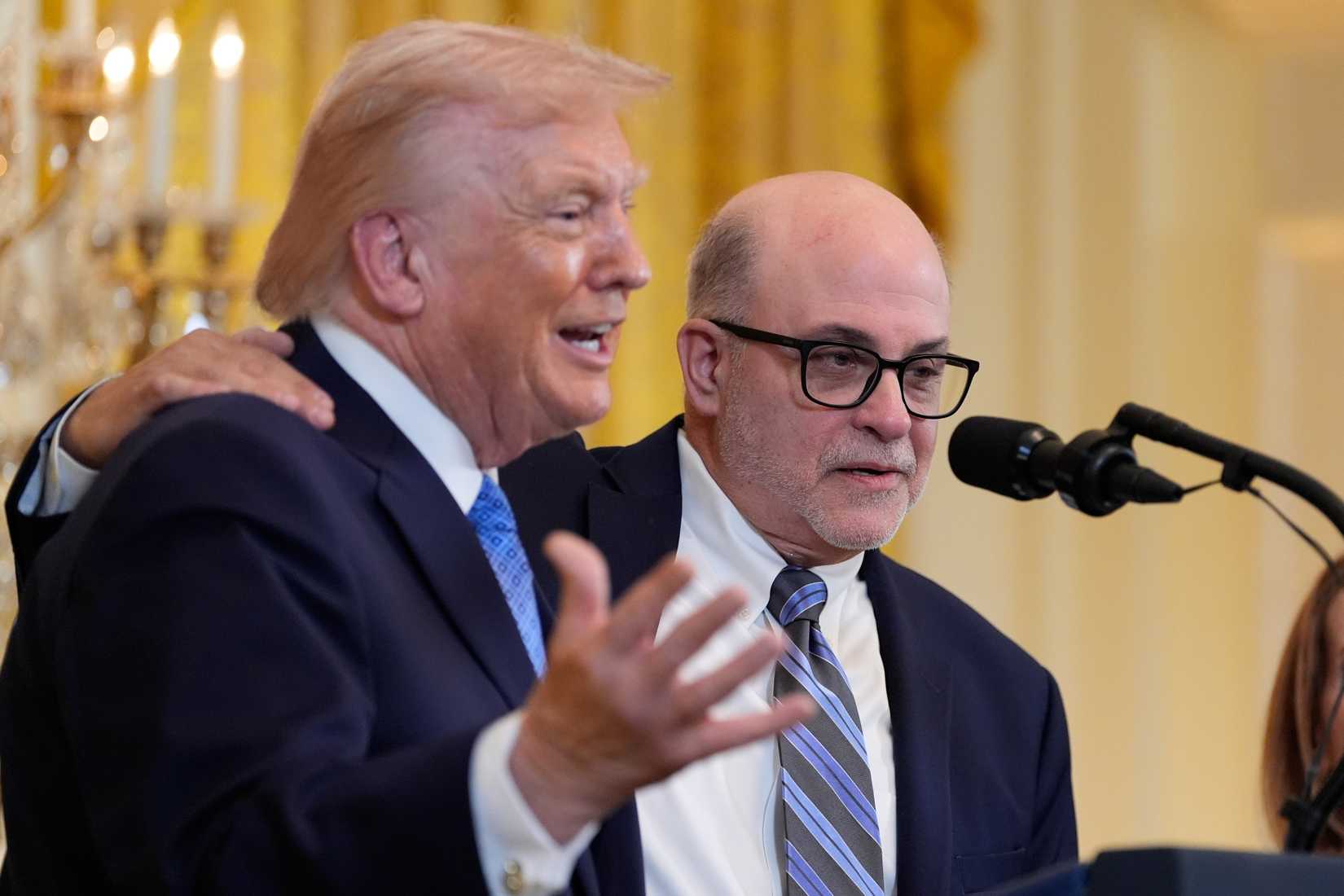
A similar provision, Section 1217, appears in the Senate version. The proposals include cooperation on missile defense, artificial intelligence, cybersecurity and counter-drone systems.
The issue carries additional implications for U.S. readiness. Expanded missile defense cooperation could help address growing demands on U.S. interceptor supplies, particularly after American forces expended substantial stocks during the Iran conflict.
However, additional joint programs could also increase competition for weapons and components already facing production constraints.
An October assessment estimated that replacing certain expended interceptors could take at least five years, even with increased manufacturing.
American and Israeli military operations against Iran have also placed additional demands on regional forces, while the fragile Gaza ceasefire has complicated broader security planning.
A Proposed Agreement, Not a Final Commitment
The negotiations are being led on Israel’s side by retired Maj. Gen. Amir Baram, director general of the Israeli Ministry of Defense, alongside Ambassador Yechiel Leiter.
The American delegation includes State Department counselor Daniel Holler and Ambassador Mike Huckabee, according to the Israeli Defense Ministry.
Israel hopes to finalize the framework before the newly elected Congress takes office in January. Any agreement would still depend on lawmakers providing the necessary funding.
For now, Trump’s announced cutoff and the emerging negotiations describe substantially different outcomes. The administration has not publicly reconciled its promise to end payments in December with a proposal that would preserve their annual level through 2033.
Until the governments finalize an agreement and Congress determines its funding, neither an immediate termination nor another five years of military assistance is guaranteed.
Read the full article here
19 Comments
The cost guidance is better than expected. If they deliver, the stock could rerate.
Interesting update on US-Israel Aid Deal Could Extend Payments to 2033 Despite Trump Pledge. Curious how the grades will trend next quarter.
Good point. Watching costs and grades closely.
Good point. Watching costs and grades closely.
The cost guidance is better than expected. If they deliver, the stock could rerate.
Silver leverage is strong here; beta cuts both ways though.
Good point. Watching costs and grades closely.
If AISC keeps dropping, this becomes investable for me.
Uranium names keep pushing higher—supply still tight into 2026.
Good point. Watching costs and grades closely.
Interesting update on US-Israel Aid Deal Could Extend Payments to 2033 Despite Trump Pledge. Curious how the grades will trend next quarter.
Good point. Watching costs and grades closely.
Nice to see insider buying—usually a good signal in this space.
Good point. Watching costs and grades closely.
Good point. Watching costs and grades closely.
Exploration results look promising, but permitting will be the key risk.
Good point. Watching costs and grades closely.
Uranium names keep pushing higher—supply still tight into 2026.
If AISC keeps dropping, this becomes investable for me.