

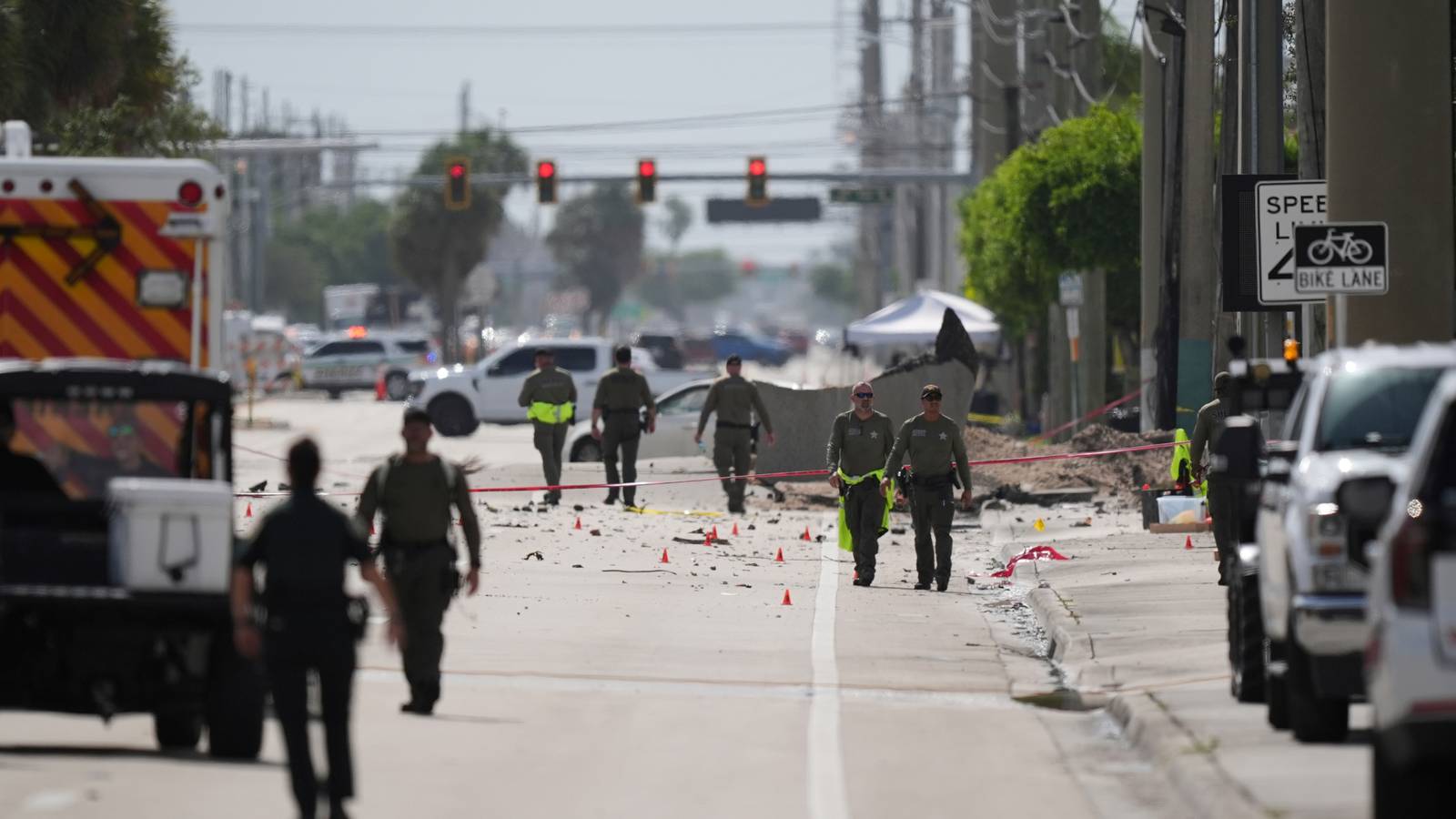
The Learjet 60 that made international headlines when it crashed Sunday near West Palm Beach, Florida, killing all nine people aboard, was a privately registered charter jet with no known military history. Its family of aircraft is another matter.
Learjets have worn American military colors for more than four decades, used to haul generals, evacuate patients, and play the enemy in war games. Jets of the same model as the one that went down have been named in U.S. Navy contract work.
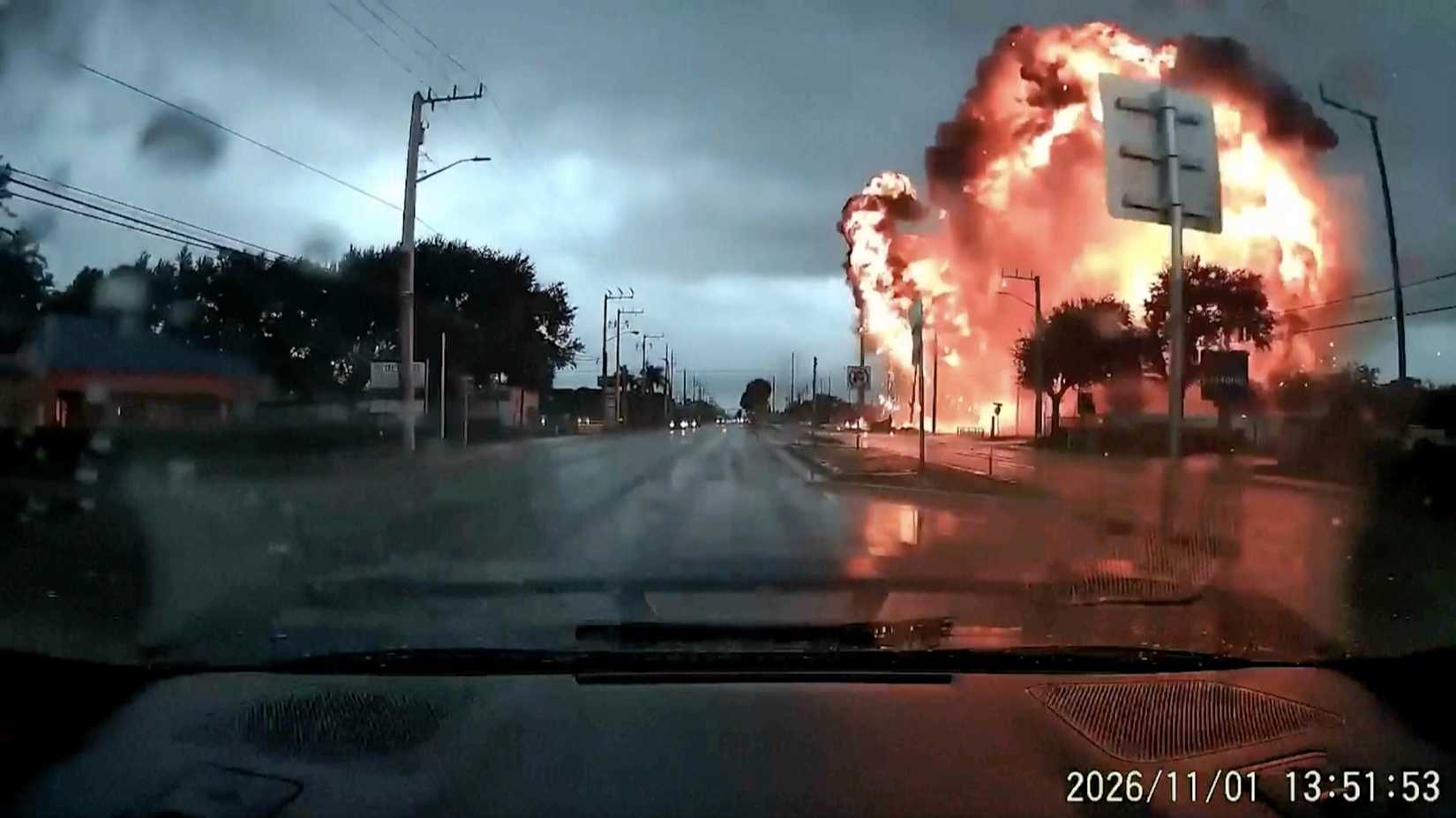
Registered as N722BD, the jet was flying from Austin, Texas, to the Bahamas, when its crew reported icing and turbulence and declared an emergency before an uncontrolled descent into a residential area miles from President Donald Trump’s Mar-a-Lago residence, according to early reports from the National Transportation Safety Board investigation.
Federal Aviation Administration records list its owner as a Delaware holding company, and aviation records tie the jet to a civilian charter certificate. Investigators have not released the victims’ names.
Militarized Learjets Have Flown for the Air Force Since 1984
The military’s own Learjet is the C-21A, a militarized version of the smaller Learjet 35 that entered Air Force service in April 1984.
Of the 84 the service bought, 19 still fly with Air Mobility Command and U.S. Air Forces in Europe from Scott Air Force Base, Ill., and Ramstein Air Base, Germany, according to Air & Space Forces Magazine’s aircraft inventory.
The twin-engine jets move senior officers and government officials, carry priority cargo, and fly aeromedical evacuation missions with a flight nurse and two medical technicians aboard.
Far from retiring the type, the Air Force has given the fleet a glass cockpit, new navigation and communications gear, plus airframe tweaks intended to keep it flying into the 2030s.
Contractors Fly Learjets That Play the Enemy
Learjets also get paid to act hostile. Under the Navy’s contracted air services approach, commercial operators sell the fleet flight hours that would otherwise burn up fighter aircraft, simulating enemy jets and electronic attacks during training and weapons testing.
Naval Air Systems Command awarded Phoenix Air Group a $165 million contract in 2024 for 10 contractor-owned and operated Learjet 35 and 36 aircraft to fly as many as 5,000 electronic warfare training hours a year, running through August 2029.
They’ll be used to teach aircrews, shipboard operators and weapons crews to recognize and fight through jamming and deception. Even the crashed jet’s own model has been named in that world.
Tempus Jets announced in June 2016 that it had won a five-year Navy threat simulation contract worth an estimated $25 million, flying what the company described as “Tempus owned/operated Learjet 35A and Learjet 60 aircraft” modified with threat simulation devices, target towing equipment, and military communications for exercises near U.S. naval bases and in Hawaii.
Nothing in public records ties the jet that crashed to any of it. Its current registration dates to January 2023 under a Delaware company that names no individuals in FAA records, and its recent life appears to have been ordinary charter flying.
The NTSB investigation is in its first days, and the board has not confirmed what contributed to the crash.
Read the full article here
46 Comments
Silver leverage is strong here; beta cuts both ways though.
Good point. Watching costs and grades closely.
Uranium names keep pushing higher—supply still tight into 2026.
Interesting update on Learjet That Crashed in Florida Comes From a Family of Jets With a Long Military Career. Curious how the grades will trend next quarter.
Production mix shifting toward USA might help margins if metals stay firm.
I like the balance sheet here—less leverage than peers.
The cost guidance is better than expected. If they deliver, the stock could rerate.
Interesting update on Learjet That Crashed in Florida Comes From a Family of Jets With a Long Military Career. Curious how the grades will trend next quarter.
Good point. Watching costs and grades closely.
If AISC keeps dropping, this becomes investable for me.
Good point. Watching costs and grades closely.
Good point. Watching costs and grades closely.
Interesting update on Learjet That Crashed in Florida Comes From a Family of Jets With a Long Military Career. Curious how the grades will trend next quarter.
Good point. Watching costs and grades closely.
Nice to see insider buying—usually a good signal in this space.
Good point. Watching costs and grades closely.
Good point. Watching costs and grades closely.
Interesting update on Learjet That Crashed in Florida Comes From a Family of Jets With a Long Military Career. Curious how the grades will trend next quarter.
Good point. Watching costs and grades closely.
Exploration results look promising, but permitting will be the key risk.
Good point. Watching costs and grades closely.
Good point. Watching costs and grades closely.
Uranium names keep pushing higher—supply still tight into 2026.
Good point. Watching costs and grades closely.
Exploration results look promising, but permitting will be the key risk.
Good point. Watching costs and grades closely.
Good point. Watching costs and grades closely.
Silver leverage is strong here; beta cuts both ways though.
Good point. Watching costs and grades closely.
Good point. Watching costs and grades closely.
Production mix shifting toward USA might help margins if metals stay firm.
Nice to see insider buying—usually a good signal in this space.
Good point. Watching costs and grades closely.
Production mix shifting toward USA might help margins if metals stay firm.
Good point. Watching costs and grades closely.
Uranium names keep pushing higher—supply still tight into 2026.
Good point. Watching costs and grades closely.
Good point. Watching costs and grades closely.
Exploration results look promising, but permitting will be the key risk.
Good point. Watching costs and grades closely.
Good point. Watching costs and grades closely.
Nice to see insider buying—usually a good signal in this space.
Good point. Watching costs and grades closely.
Good point. Watching costs and grades closely.
Exploration results look promising, but permitting will be the key risk.
Good point. Watching costs and grades closely.