


The state of Maryland is putting pen to paper and computer to smartphone to get the word out about resources for military families, veterans and their loved ones who are living with disabilities, while also sharing critical information on suicide prevention.
The Maryland Department of Veterans and Military Families (DVMF) and the United Services Automobile Association (USAA) have joined forces to develop Maryland’s first statewide print and digital resource hub for the state’s military community.
Rachel London, executive director of the Maryland Developmental Disabilities Council, told Military.com the new partnership will expand access to critical resources, strengthen community connections and improve support for military-connected families across Maryland.
“I think at the heart of it is that commitment to making sure military families and veterans, including those who have loved ones with disabilities, have the resources, the connections and the support they need, to really thrive here in Maryland,” London said. “It’s an expansion of Maryland’s commitment, Governor Wes Moore’s commitment, to make Maryland a place where military families feel welcomed, supported and equipped for the future.”
The partnership will create the “You’re Welcome Here” Toolkit & Digital Hub, sponsored jointly by the DVMF, the Maryland Developmental Disabilities Council and Parents’ Place of Maryland.
It will provide military families with children and adults with disabilities a comprehensive roadmap to Maryland’s resources and support systems. There’s also information and resources on suicide prevention.
Federal statistics show 471 active-duty military members died by suicide in 2024. That number marks an 11% decrease compared to 531 deaths in 2023.
Rolling out in early November, the toolkit and digital hub will help military families who relocate to Maryland, or are already in the state, and have to suddenly navigate education, health care, disability and community support services for a disabled loved one or a loved one at risk of suicide.

“So the first thing they will see when they log on, or check their mailbox, is a workbook that has tips, checklists, information and resources to help families find the support they need in Maryland,” London explained.
“So, whether that means they are moving into Maryland because they’re an active service member, or if they’re already here, the toolkit will help them best support their loved one, their family member, living with an intellectual or developmental disability.”
The partnership will also bring added support for Maryland’s “Mission Strong Summits” in the fall of 2026 and spring 2027. The summits are nationally recognized statewide convenings that connect military installations, government agencies, nonprofit organizations, health care providers, employers and community leaders to address critical issues affecting Maryland’s military-connected community.
The initiatives are personal to Gov. Wes Moore and First Lady Dawn Moore, as a military family. According to his official state bio, Governor Moore served nearly seven years as a U.S. Army and Army Reserve officer, reaching the rank of captain.
He trained as a paratrooper with the 82nd Airborne Division and deployed to Afghanistan in 2005.

“As First Lady and a former military spouse, I am proud to advocate for opportunities that expand resources for our military families and all of Maryland’s children,” First Lady Dawn Moore said in a statement. “This partnership with USAA strengthens our communities and uplifts our military families, who every single day carry forward the proud legacy of service that defines our state and our country. Here in Maryland, we remain committed to making sure that our military families are not just seen but supported in every way.”
PCS Moves Create Challenges For Military Families
Part of the challenge for military families is permanent change of station, or PCS moves, that require service members to relocate with limited notice to a new state that’s not of their choosing.
London said when you add the needs of a disabled loved one to the mix, the benefits of the new Maryland partnership become clear.
“It gives us a chance to put our mission into action, to create change, so people with developmental disabilities live the lives they want with the support they need,” London said.
“Military families move often, and those moves can be especially challenging for families who need to find new schools, doctors and services. We’re proud to partner with DVMF to make it easier for families to find the support they need and feel at home in their new communities.”
The organization Military OneSource reports that Maryland has more than 37,000 active-duty service members in the state, more than 14,000 active-duty spouses, and some 27,000 children of active-duty military members.
Overall, the state’s Department of Education notes 12.5% of students in the state have a disability, whether they’re military-connected or not.
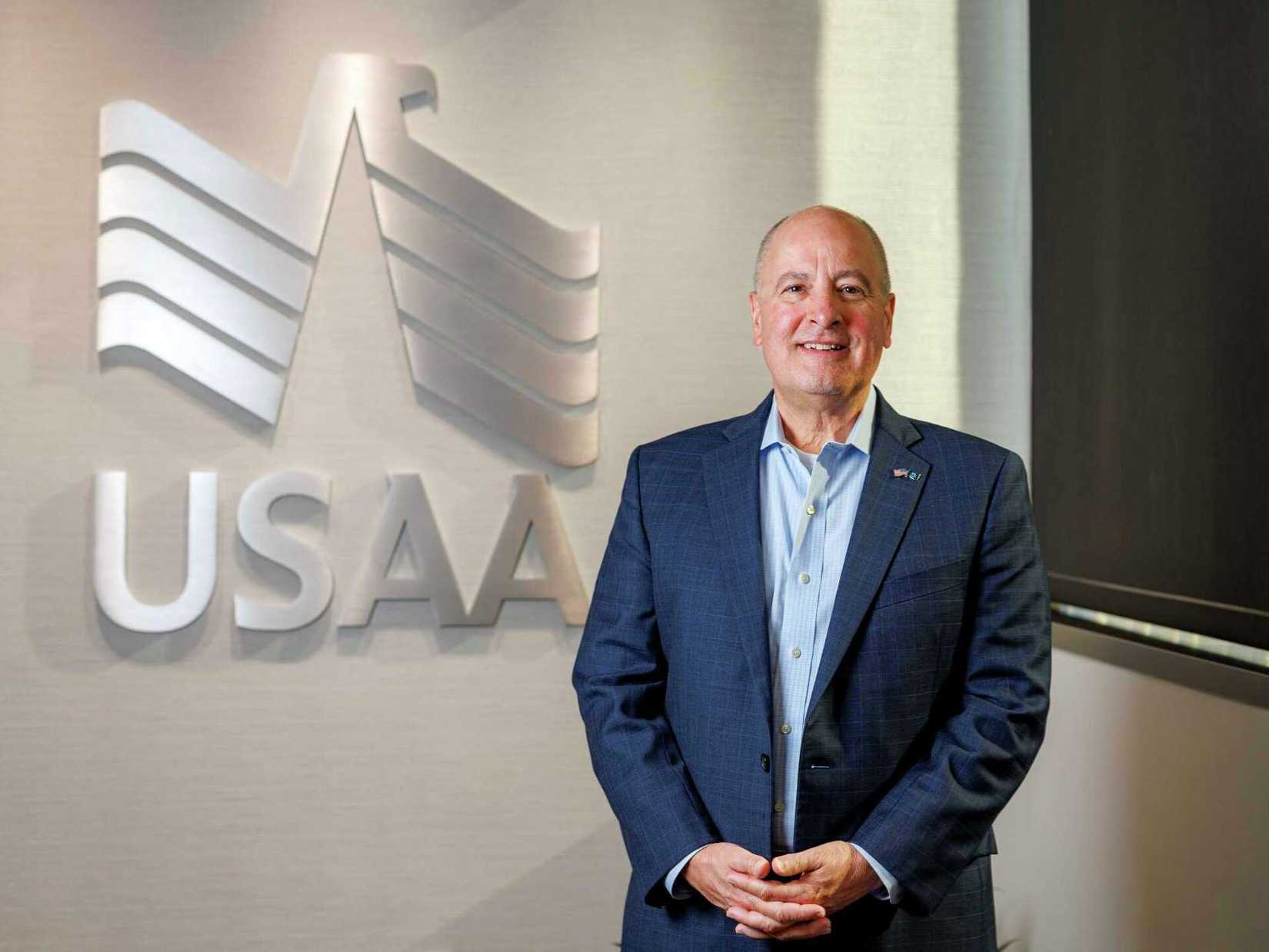
Juan C. Andrade, president and CEO of USAA, said the numbers don’t explain the true need.
“Behind every statistic about military families is a real person, a parent who just completed a PCS move and is back at square one, trying to find the right specialists and services for a child with a disability in an unfamiliar state, or a veteran quietly navigating the hard work of finding their footing again after a lifetime of service,” Andrade said in a statement. “This partnership reflects our deepest commitment that no military family should ever have to face those moments without a community standing behind them.”
Also in a statement, Maryland Department of Veterans and Military Families Secretary Ed Rothstein said the new partnership makes military families, especially those with disabled children in Maryland, a clear priority in the state.
“Military families deserve clear pathways to the resources and support they need, especially during times of transition,” Rothstein’s statement reads. “Through our partnership with USAA, we are strengthening Maryland’s ability to support families raising children with disabilities and expanding collaborative efforts to prevent suicide among service members, veterans and their families.”
Funding for the partnership comes in part through Honor Through Action, USAA’s five-year, $500 million commitment to address some of the most persistent challenges facing the military community.
Launched in 2025, Honor Through Action focuses on financial stability, meaningful careers and overall well-being, while bringing together public- and private-sector partners to identify systemic barriers, develop solutions and advance policies that create lasting change.
“We hope our work will mean that military families with disability needs are able to stay in Maryland when they transition out of service, or move to Maryland with the resources they need immediately,” London said.
“Whether they got military orders to move here, or they’re moving here as a veteran, having all this information and resources in one place makes people feel more welcome and supported.”
Read the full article here
33 Comments
Silver leverage is strong here; beta cuts both ways though.
I like the balance sheet here—less leverage than peers.
Uranium names keep pushing higher—supply still tight into 2026.
Good point. Watching costs and grades closely.
Production mix shifting toward USA might help margins if metals stay firm.
Good point. Watching costs and grades closely.
Silver leverage is strong here; beta cuts both ways though.
The cost guidance is better than expected. If they deliver, the stock could rerate.
Good point. Watching costs and grades closely.
Nice to see insider buying—usually a good signal in this space.
Good point. Watching costs and grades closely.
Nice to see insider buying—usually a good signal in this space.
Good point. Watching costs and grades closely.
Nice to see insider buying—usually a good signal in this space.
Good point. Watching costs and grades closely.
Good point. Watching costs and grades closely.
If AISC keeps dropping, this becomes investable for me.
Good point. Watching costs and grades closely.
Good point. Watching costs and grades closely.
The cost guidance is better than expected. If they deliver, the stock could rerate.
Good point. Watching costs and grades closely.
Exploration results look promising, but permitting will be the key risk.
I like the balance sheet here—less leverage than peers.
Good point. Watching costs and grades closely.
Good point. Watching costs and grades closely.
Silver leverage is strong here; beta cuts both ways though.
Good point. Watching costs and grades closely.
Uranium names keep pushing higher—supply still tight into 2026.
Silver leverage is strong here; beta cuts both ways though.
Good point. Watching costs and grades closely.
Good point. Watching costs and grades closely.
Uranium names keep pushing higher—supply still tight into 2026.
Good point. Watching costs and grades closely.