

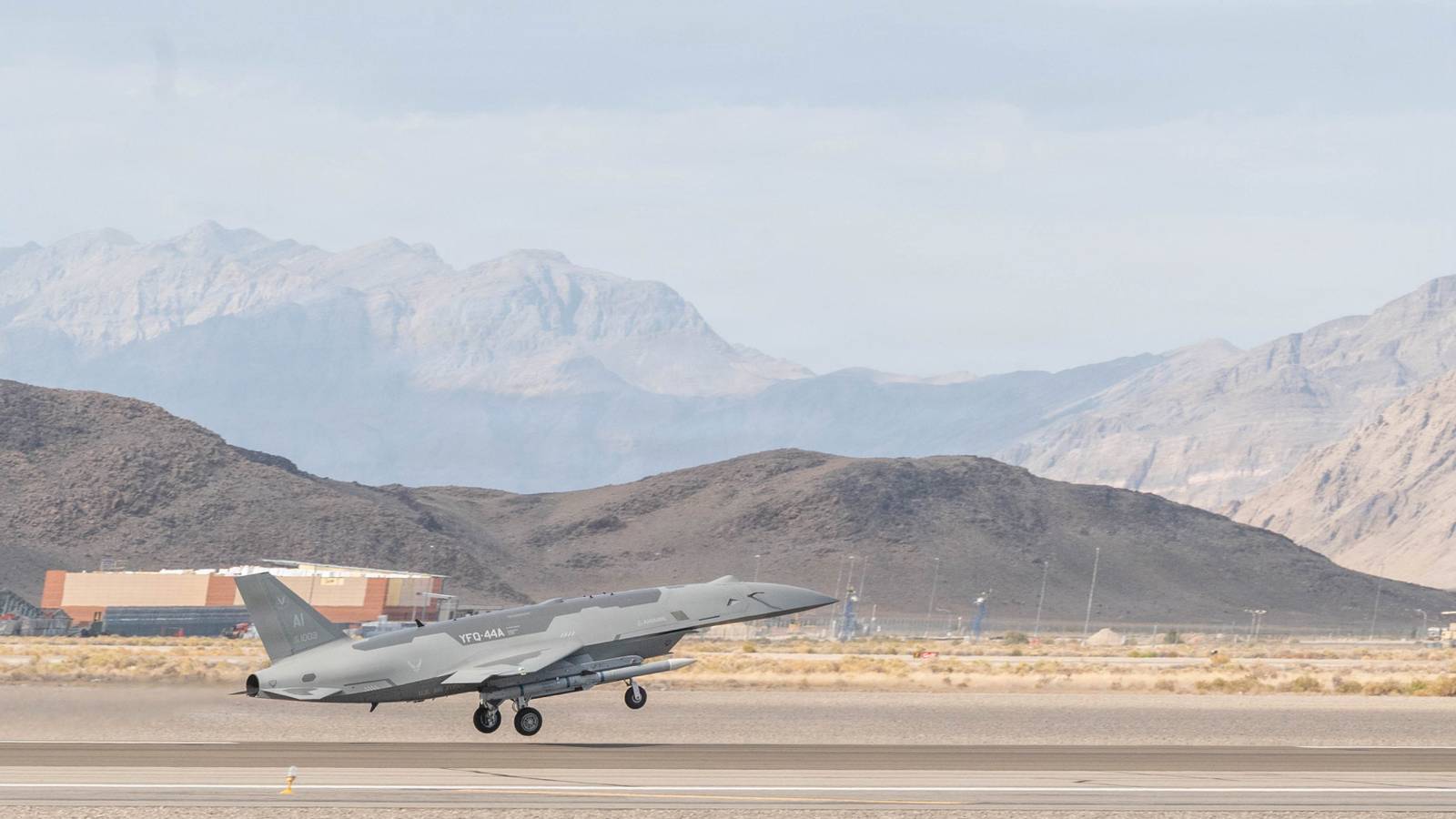
The Navy is seeking contracts for firms to produce Combat Collaborative Aircraft (CCA).
That is according to a written request for information published Aug. 31 on the federal government’s procurement website, with the service informing potential contractors that it wants two prototypes of CCAs that would be able to achieve shore-base, aircraft carrier qualifications within the next three years.
CCA are autonomous, uncrewed fighter drones powered by artificial intelligence. The Navy operates them alongside crewed jets like the F-35C, serving as flying sensor nodes, weapon launchers, decoys, or electronic warfare jammers.
The service added that it wanted the CCA to deliver an autonomous combat drone that is able to team up with a manned carrier aircraft and perform missions in skies that are dangerous for human pilots.
The information note added that it hopes the CCA would reduce weapons losses and, therefore, save time and money when replacing them. This comes amid reported concerns that the U.S. is suffering from a munitions’ shortage as its war with Iran continues.
President Donald Trump said last month that the U.S. “has massive amounts” of weapons and that “large amounts are being manufactured and shipped to the U.S. as needed.”
Desired Specifications of the CCA
The Navy said it wants the CCA to carry up to 5 tons of weapons and cost no more than $30 million per unit.
It also asked would-be contractors to provide the maximum combat radius that the CCA could perform, as well as information pertaining to its weapons load and reserve fuel for safe recovery.
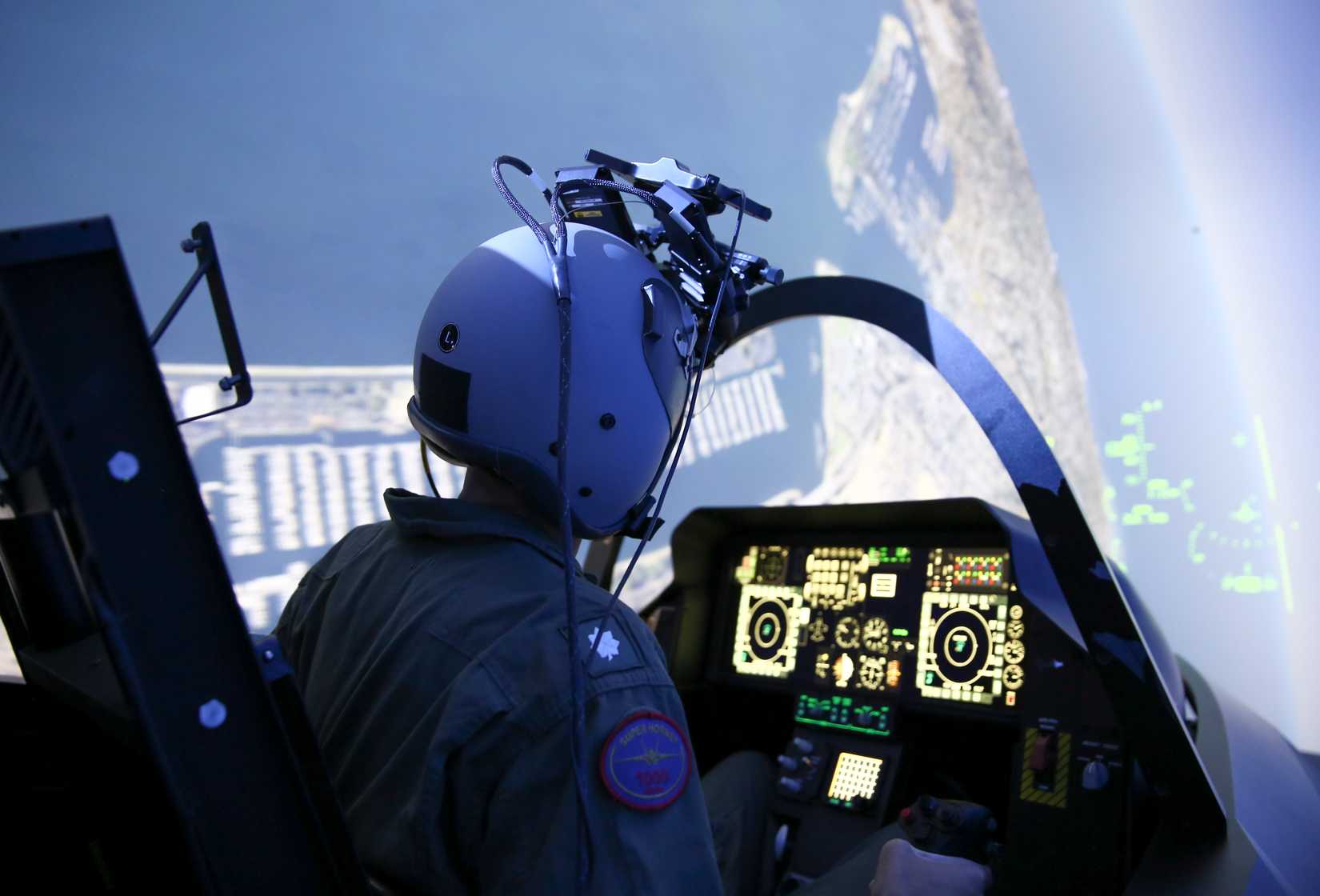
The CCA would need to carry four weapons of up to 2,500 pounds each, it added.
It said that the CCA should operate from Ford and Nimitz-class carriers and be able to perform catapult takeoffs and arrested landings from waves up to 13 feet high.
Other Naval Procurement
The procurement note follows other recent contracts to develop weapons and technology for the Navy.
On Aug. 17, it awarded a $22.9 billion contract to Raytheon to develop Tomahawk missiles.
The Navy also released new technical requirements in August to allow the use of 3D printing in submarine construction. 3D supply chains can be cheaper, faster and less burdensome for producers than traditional supply chains.
The Air Force in 2024 also set a planning assumption of 1,000 CCAs, according to the Congressional Research Service.
The service set a deadline of Sept. 18 for prospective contractors to reach out regarding CCA contracts.
Read the full article here
22 Comments
The cost guidance is better than expected. If they deliver, the stock could rerate.
Good point. Watching costs and grades closely.
Good point. Watching costs and grades closely.
Production mix shifting toward USA might help margins if metals stay firm.
If AISC keeps dropping, this becomes investable for me.
Good point. Watching costs and grades closely.
Production mix shifting toward USA might help margins if metals stay firm.
Silver leverage is strong here; beta cuts both ways though.
Production mix shifting toward USA might help margins if metals stay firm.
Nice to see insider buying—usually a good signal in this space.
Good point. Watching costs and grades closely.
Good point. Watching costs and grades closely.
Production mix shifting toward USA might help margins if metals stay firm.
Uranium names keep pushing higher—supply still tight into 2026.
Good point. Watching costs and grades closely.
Good point. Watching costs and grades closely.
I like the balance sheet here—less leverage than peers.
Good point. Watching costs and grades closely.
The cost guidance is better than expected. If they deliver, the stock could rerate.
Good point. Watching costs and grades closely.
If AISC keeps dropping, this becomes investable for me.
Good point. Watching costs and grades closely.