

Ever since Wolfenstein and Doom, FPS games have refused to stop coming out. Even as AAA publishers moved away from non-franchise shooters in the late 2010s, indie devs stepped up to right that wrong, producing a new golden era. With competition so fierce, fantastic FPS games frequently slip through the cracks while everyone’s attention lies elsewhere (on COD or Apex Legends).
As the gaming industry moves at a blistering pace, convincing anybody to try out a forgotten shooter from 2004 is a tough task, but that won’t stop us from spotlighting these games. If you feel a bit disenchanted with the current FPS scene, a trip to the past, when publishers were willing to take risks and get weird with their games, might be in order.
I’m focusing on great games that flopped at launch and haven’t really become well-known cult classics (so, no Bulletstorm). While I would recommend all these games to anybody who enjoys old-school shooters, I’m not taking into account how well they have aged.
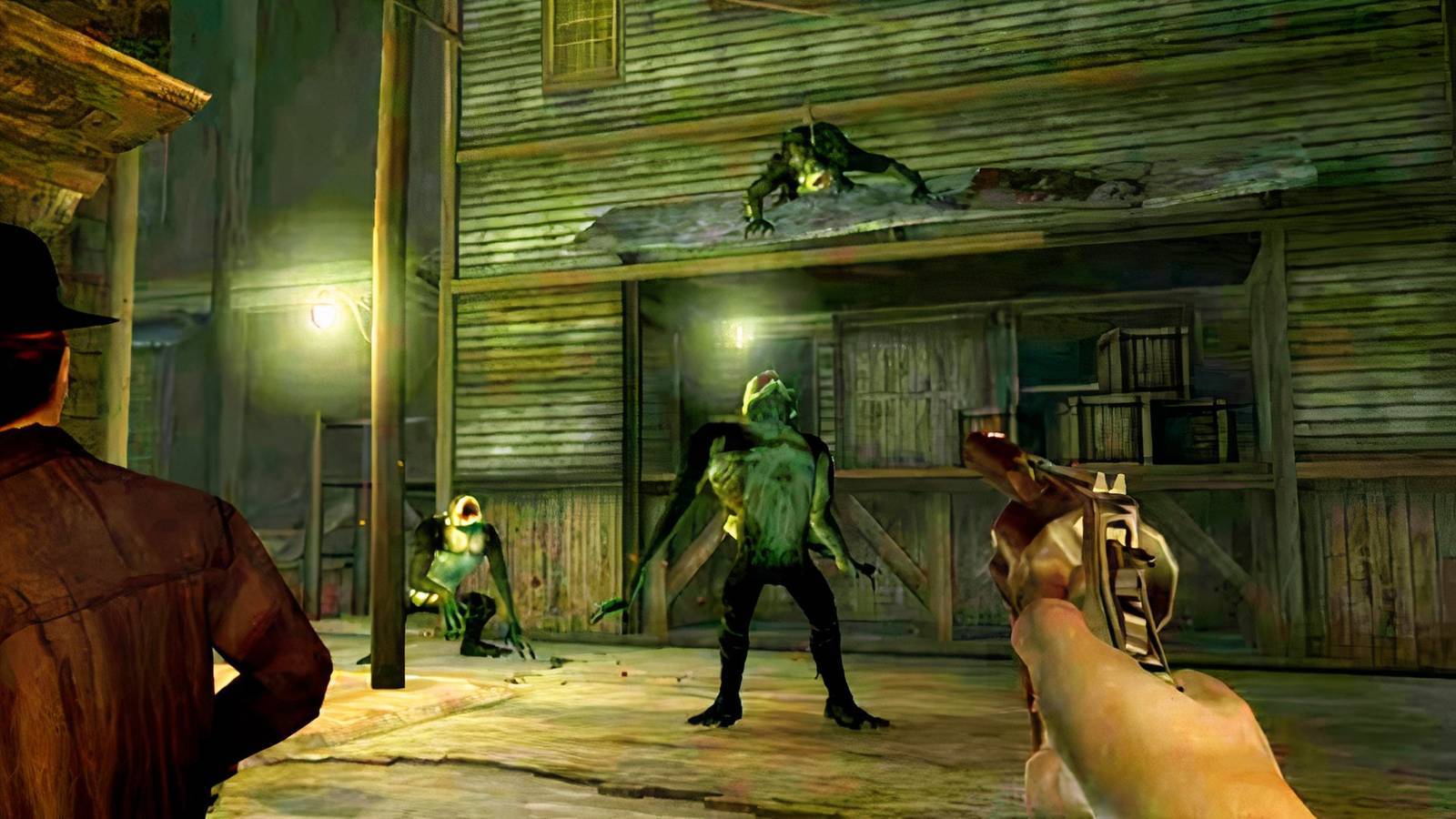
Clive Barker’s Undying Should Be Horror-FPS Royalty
Much Better Than The Other Clive Barker Horror-FPS Game
- A 2001 PC FPS horror game that wasn’t marketed particularly well by EA Games.
- Undying is still accessible through GOG.
While Jericho was a disappointment, Clive Barker’s name isn’t associated solely with lackluster shooters, even if you have to push past some unsurprising early-2000s jank. Undying absolutely oozes Lovecraftian gothic horror, blending fun dual-wielding mechanics with a delightfully creepy premise that involves curses, vengeful undead beings, and occult goodness.
With Barker contributing to the lore and characters, Undying showcases his signature style, and EA Los Angeles did a pretty good job of creating a solid shooter-horror hybrid around the author’s concepts. The story revolves around siblings who unleashed occult magic and became cursed to die gruesomely, and you portray a WWI vet tasked with tracking and putting them down. Just silly B-Movie horror goodness.
Although a bit rough around the edges, Undying‘s combat still shines due to its innovative implementation of dual-wielding, with one hand holding weapons and the other dedicated to spells or gestures. Besides combat, spells like the Scrye played a significant role in exploration, allowing you to see things that you would otherwise miss.
Kingpin: Life of Crime Was Blackballed Into Video Game Jail
An Ambitious Forward-Thinking FPS Game That Is Also Delightfully Gritty
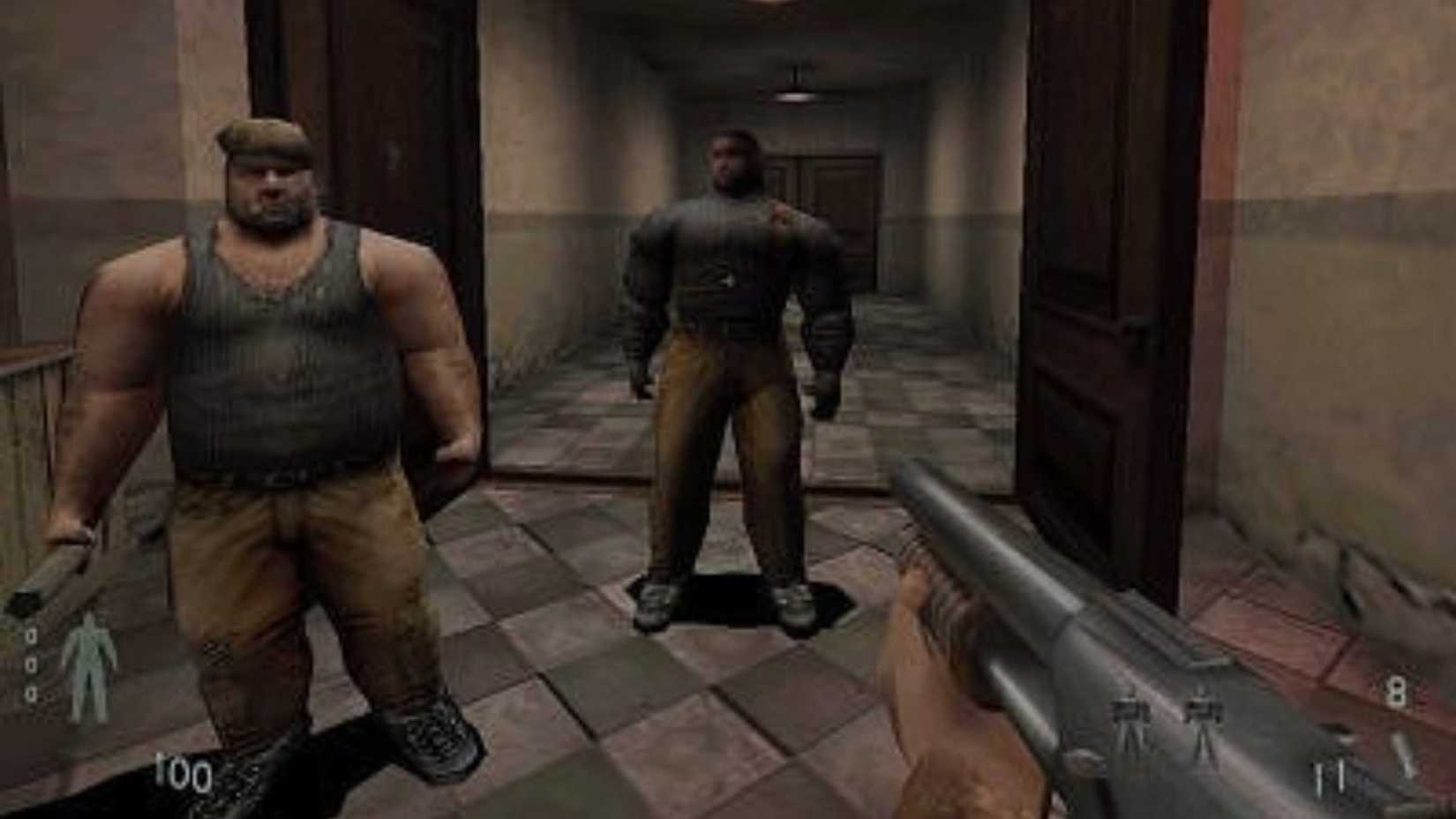
- A gritty 1999 FPS that fell prey to media backlash and wasn’t even available in certain retail chains.
- Kingpin: Life of Crime is still available on Steam.
Although you never know how a gritty shooter from a relatively unknown developer will perform, Kingpin: Life of Crime would have fared much better if it hadn’t been released a few months after the Columbine High School massacre.
Unsurprisingly, the media targeted the title as part of its scapegoating campaign against video game violence, greatly limiting its reach and dooming it to instant obscurity. Kingpin deserves to be remembered as one of the Quake II engine’s crowning achievements, and as a forward-thinking project that explored mechanics that would eventually become popular in the FPS genre.
Hitboxes tied to specific body parts let players shoot enemies in the leg or arm to impact their abilities, a concept that is fairly ordinary nowadays. Although level-based, Kingpin actually gives NPCs personality and lets you adapt your approach when interacting with them, and it even features weapon modification through pawn shops during a time when that was not remotely commonplace. The Cypress Hill soundtrack matched the grimy urban environment splendidly, creating a game that felt different from everything else at the time of its release.
Tron 2.0 Continued The Franchise’s Tradition By Being A High-Quality Flop
This Disney FPS Game Should Be Played By Everyone
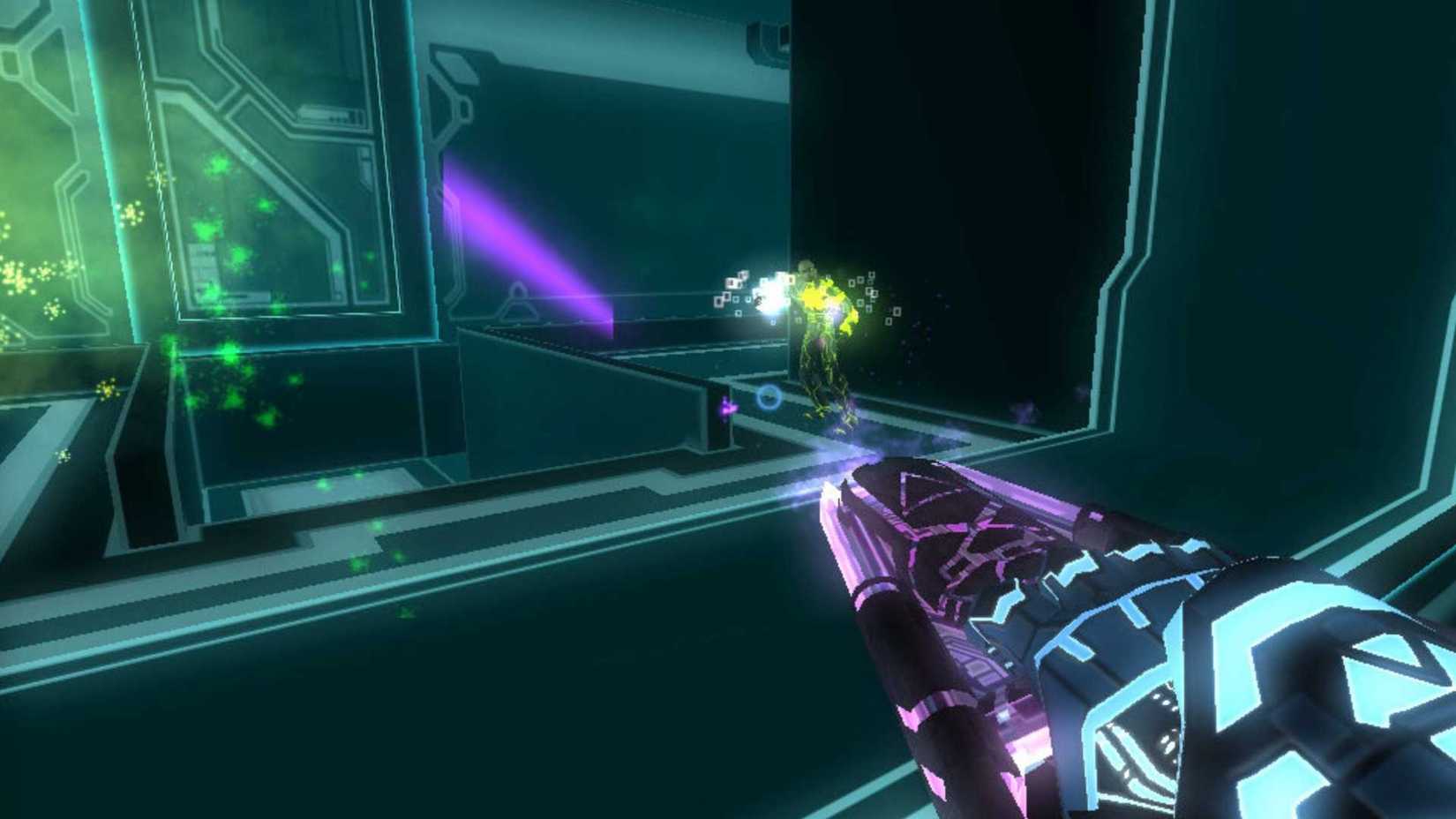
The developer responsible for Blood, The Operative: No One Lives Forever, F.E.A.R., and Middle-earth: Shadow of Mordor created a Tron FPS game. Yes, I was also caught off-guard by this tidbit, but Monolith Productions not only created Tron 2.0, but it also brought its A-game.
Serving as a sequel to the original movie, Tron 2.0 goes out of its way to faithfully recreate the world and aesthetic of its cinematic predecessor, all the while acting as a fantastic standalone shooter for anybody who doesn’t want to do any homework. Monolith designed the mechanics around the setting, creating perfect harmony between the story, environments, and combat. For instance, your inventory is represented through RAM slots, and weapons are subroutines that can have corrupted code.
Despite the Disney association, Tron 2.0 is a hardcore shooter by a master of the genre, one packed with tech jargon and light RPG mechanics. Reviews were very positive, but not all that many folks paid attention to a licensed game in an obscure franchise published by Mickey Mouse.
Read the full article on GameRant
This article originally appeared on GameRant and is republished here with permission.
Read the full article here
47 Comments
Silver leverage is strong here; beta cuts both ways though.
I like the balance sheet here—less leverage than peers.
Good point. Watching costs and grades closely.
Exploration results look promising, but permitting will be the key risk.
Good point. Watching costs and grades closely.
The cost guidance is better than expected. If they deliver, the stock could rerate.
Good point. Watching costs and grades closely.
Good point. Watching costs and grades closely.
Production mix shifting toward USA might help margins if metals stay firm.
Interesting update on Near-Perfect Single-Player FPS Games Nobody Played. Curious how the grades will trend next quarter.
Good point. Watching costs and grades closely.
Nice to see insider buying—usually a good signal in this space.
Good point. Watching costs and grades closely.
I like the balance sheet here—less leverage than peers.
If AISC keeps dropping, this becomes investable for me.
Good point. Watching costs and grades closely.
Good point. Watching costs and grades closely.
Exploration results look promising, but permitting will be the key risk.
Good point. Watching costs and grades closely.
Silver leverage is strong here; beta cuts both ways though.
Good point. Watching costs and grades closely.
Good point. Watching costs and grades closely.
Exploration results look promising, but permitting will be the key risk.
Good point. Watching costs and grades closely.
Good point. Watching costs and grades closely.
The cost guidance is better than expected. If they deliver, the stock could rerate.
Good point. Watching costs and grades closely.
Good point. Watching costs and grades closely.
The cost guidance is better than expected. If they deliver, the stock could rerate.
Good point. Watching costs and grades closely.
Good point. Watching costs and grades closely.
Nice to see insider buying—usually a good signal in this space.
Good point. Watching costs and grades closely.
The cost guidance is better than expected. If they deliver, the stock could rerate.
Production mix shifting toward USA might help margins if metals stay firm.
Good point. Watching costs and grades closely.
Silver leverage is strong here; beta cuts both ways though.
The cost guidance is better than expected. If they deliver, the stock could rerate.
Good point. Watching costs and grades closely.
Good point. Watching costs and grades closely.
Uranium names keep pushing higher—supply still tight into 2026.
Good point. Watching costs and grades closely.
Good point. Watching costs and grades closely.
If AISC keeps dropping, this becomes investable for me.
Good point. Watching costs and grades closely.
Uranium names keep pushing higher—supply still tight into 2026.
Good point. Watching costs and grades closely.