

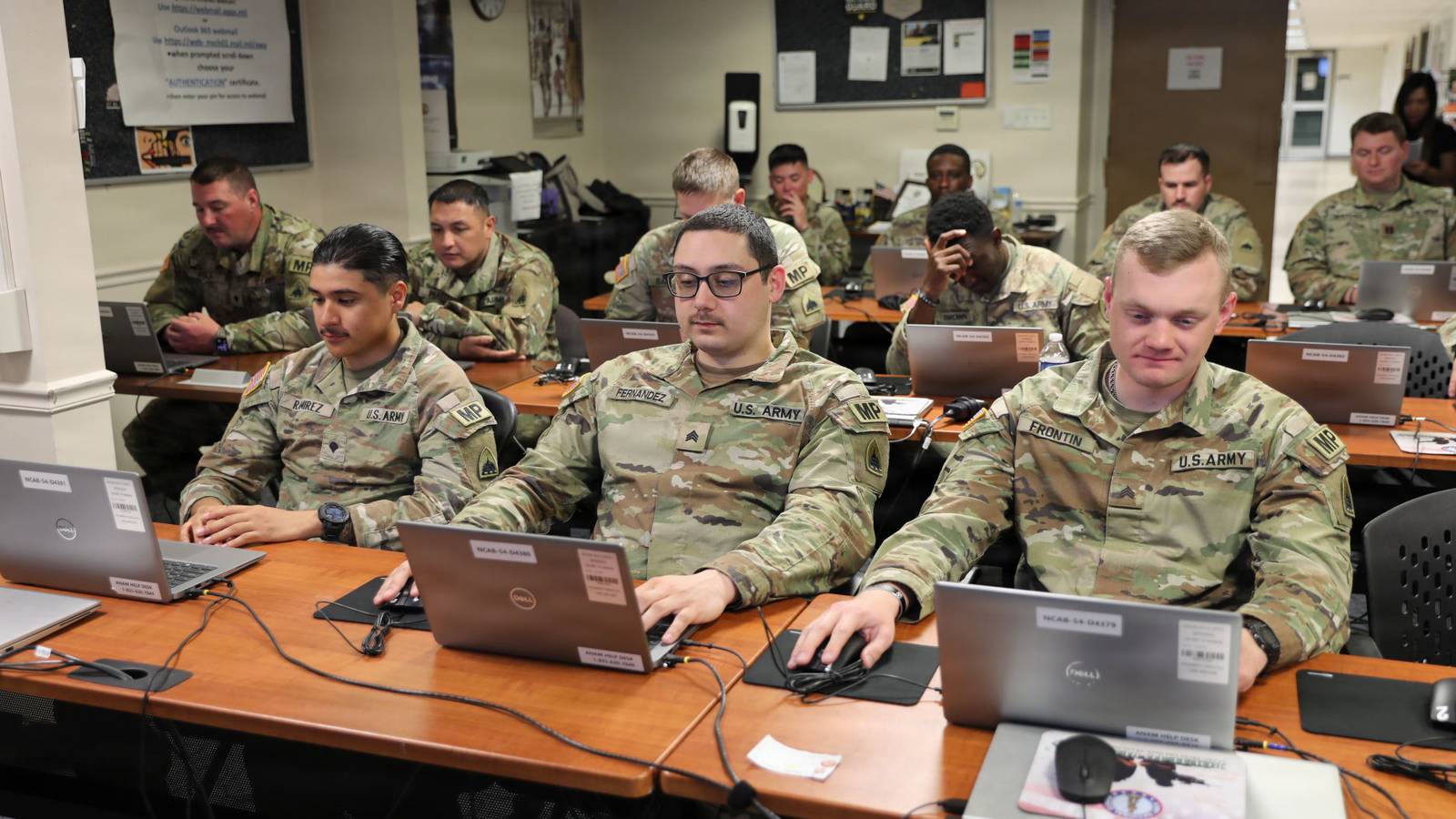
Around 97% of soldiers have completed cognitive assessments to help professionals in the army research the effects of blast exposure, the U.S. Army recently announced.
The Pentagon said Sept. 30 that the majority of soldiers have now used the Neurocognitive Assessment Tool (NCAT), established in 2024 by the Department of Defense (DOD) as a mandatory cognitive baseline assessment for soldiers in impacted career fields.
Researchers can monitor the long-term effects of blast exposure—a condition that accumulates over time when military personnel are exposed to weapons, training and other blasts.
“It demonstrates our commitment to cognitive safety, medical readiness and war fighting capability,” Jordan Gillis, the assistant secretary of the Army for installations, energy and environment, said in a statement.
Soldiers in high-risk roles have to redo the test every year, while every other soldier must take it every three years.
Departments Struggle with Military Blast Exposure
In August, the Government Accountability Office (GAO) found that DOD must assess the resources needed to monitor its research into military blast exposure after conducting an investigation into the matter.
DOD officials told GAO they were hampered by resource constraints, including a lack of staff and technology to conduct brain health assessments.
They also expressed concern regarding a lack of tracking mechanisms, in terms of weapons used and exposures to these weapons, to help aid their research.
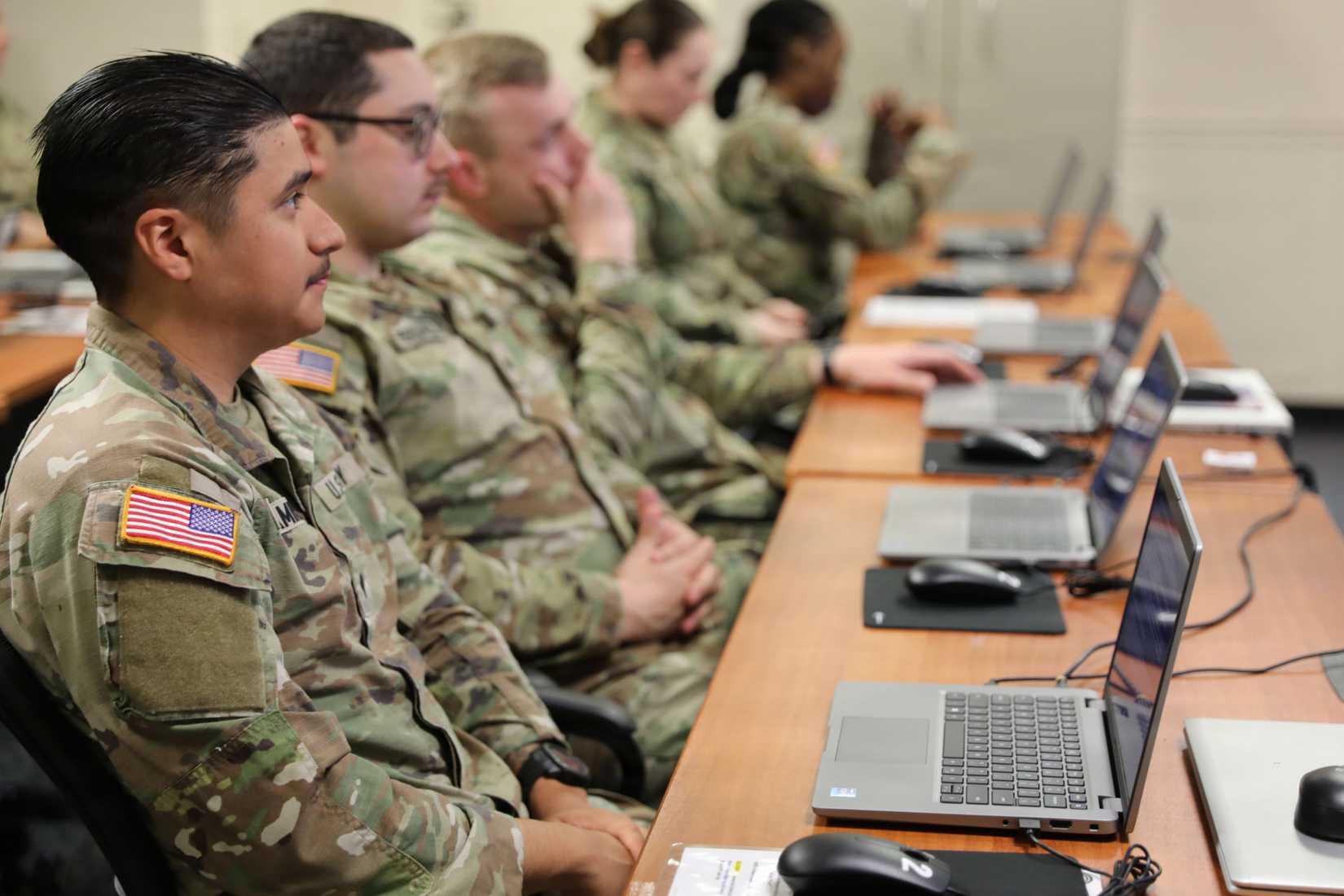
On Sept. 9, the House Oversight Committee claimed in a report that the U.S. Navy has not studied pilots to determine if the military branch has issues with brain injuries, which aviators can get from G-force turns and jumps from aircraft carriers.
Risks from Blast Exposure ‘Affect Everyone Differently’
Monitoring brain health is important as evidence increasingly suggests that troops are at risk of brain injury-causing blast overpressure, not just from enemy attacks but also from routine military activities—such as repeatedly firing artillery.
These brain injuries are linked to issues such as an increased risk of suicide and the developing of Alzheimer’s disease.
A recent study also found that veterans exposed to repeated military blasts are more likely to develop anger, aggression and violence than those who are not.
“It affects everyone differently,” Gillis, also a lieutenant colonel in the Army Reserve and a recipient of a Purple Heart and a Bronze Star Medal, said of blast overpressure. “The takeaway is we are trying to take care of soldiers and monitor their health.
“And if there is an impact, we’ll be able to treat them.”
Read the full article here
29 Comments
Uranium names keep pushing higher—supply still tight into 2026.
Good point. Watching costs and grades closely.
Good point. Watching costs and grades closely.
Nice to see insider buying—usually a good signal in this space.
Good point. Watching costs and grades closely.
Production mix shifting toward USA might help margins if metals stay firm.
Good point. Watching costs and grades closely.
Good point. Watching costs and grades closely.
Silver leverage is strong here; beta cuts both ways though.
Good point. Watching costs and grades closely.
Production mix shifting toward USA might help margins if metals stay firm.
Good point. Watching costs and grades closely.
I like the balance sheet here—less leverage than peers.
Silver leverage is strong here; beta cuts both ways though.
Good point. Watching costs and grades closely.
I like the balance sheet here—less leverage than peers.
Good point. Watching costs and grades closely.
Good point. Watching costs and grades closely.
The cost guidance is better than expected. If they deliver, the stock could rerate.
Good point. Watching costs and grades closely.
Good point. Watching costs and grades closely.
Silver leverage is strong here; beta cuts both ways though.
Exploration results look promising, but permitting will be the key risk.
Good point. Watching costs and grades closely.
Good point. Watching costs and grades closely.
I like the balance sheet here—less leverage than peers.
Interesting update on Nearly All Soldiers Completed Army Brain Health Test, Service Says. Curious how the grades will trend next quarter.
Uranium names keep pushing higher—supply still tight into 2026.
If AISC keeps dropping, this becomes investable for me.