


For Nick and Toni Lavery, success isn’t simply measured by how much money their businesses generate, how many clients they serve or how quickly their organizations grow.
In an exclusive joint interview with Military.com, the married Army special operations veterans discussed how they are translating decades of military experience into separate entrepreneurial ventures while developing a shared understanding of what success means beyond the uniform.
Nick founded Precision Components, a leadership and performance consulting company serving corporate executives, professional sports organizations and military units. Toni established Fox Force Foundation, a nonprofit dedicated to empowering women through mentorship, self-defense training and personal development.
Their organizations have different missions and business models, but both reflect a commitment to using their experiences to help others.
And as they build those organizations, the couple has discovered that professional success means something different when measured against the time they spend together, the example they set for their children and the legacy they hope to leave behind.
From Special Operations to Entrepreneurship
For Nick, the idea that eventually became Precision Components began on April 17, 2017, three days before the birth of their oldest son.
Sitting at his kitchen table around 2 a.m., he began thinking about fatherhood and what his future might look like beyond military service.
Until then, the Army had largely defined his professional identity.
Being an active duty guy was like my whole world, kind of all I really ever wanted to do, Nick recalled.
But becoming a father prompted him to consider how he could continue making a meaningful impact beyond his military career.
Nick had already experienced circumstances that brought him considerable public attention. After losing his right leg in combat in Afghanistan, he returned to combat operations as a Green Beret, an accomplishment that led to invitations to speak about his experiences.
Initially, he wanted nothing to do with those opportunities. He preferred being treated like any other member of his team rather than being singled out because of his injury.
Eventually, however, the responses from audiences helped him recognize that sharing his experiences could benefit others. He began developing his speaking skills, contacting organizations and accepting opportunities without compensation.
For a period of time, he paid for his own flights and hotels while working to determine whether his experiences could become the foundation of a business.
“Just paying out of pocket for flights and hotels. No one was paying any money to do anything,” he recalled.
What began as unpaid speaking engagements eventually developed into Precision Components, a company offering executive coaching, leadership development, consulting and team-building services.
Nick said the organization now has approximately 30 speakers and instructors and has worked with Fortune 100 and Fortune 500 companies, professional sports teams, law enforcement agencies and military organizations.
He described working alongside professional sports organizations, including the Boston Celtics, while also emphasizing the importance of serving younger audiences.
Despite increasing professional demands, Nick said he deliberately reserves time for youth organizations, including ROTC and JROTC programs.
As a father of two boys, he recognizes that some of the young people he meets may someday hold positions of authority or influence over his own children.
For Toni, the entrepreneurial journey emerged from a different set of experiences, but with a similar desire to make a difference.
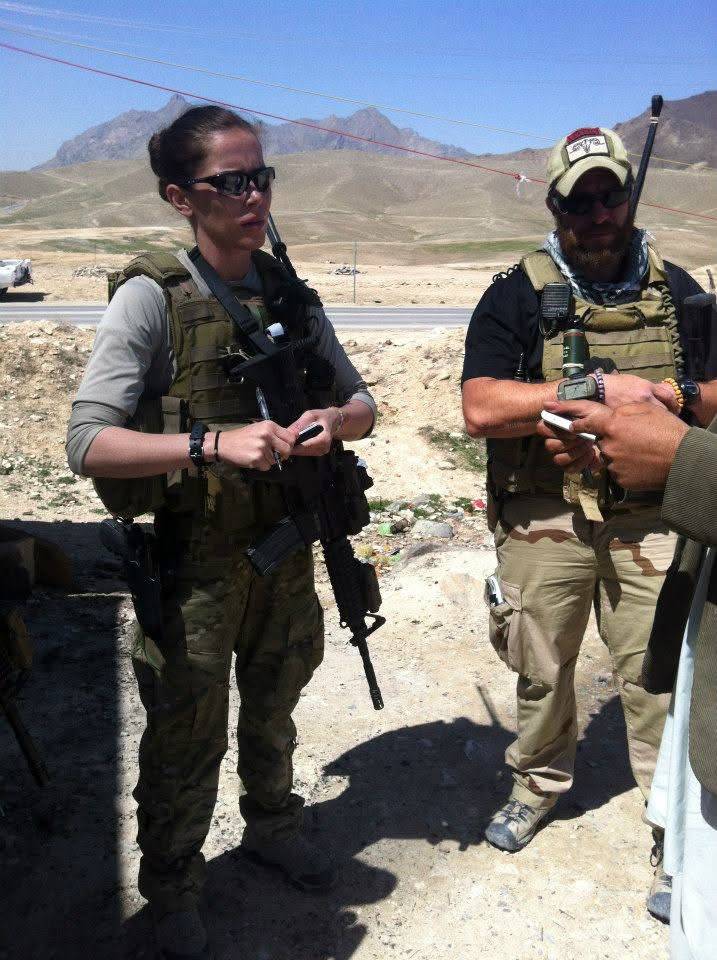
Two Different Businesses, One Shared Purpose
Following her last military deployment, Toni began experiencing unexplained problems with her vision. She sought answers from specialists at multiple medical facilities but struggled to obtain a definitive diagnosis or treatment.
During that period, she attended a retreat for women with military service backgrounds, where she connected with others interested in supporting vulnerable women.
Those relationships developed into an informal network providing mentorship, practical assistance and personal development opportunities.
Toni had also been teaching self-defense and situational awareness, initially working with military spouses before expanding into community organizations.
As the network grew, she recognized that their volunteer efforts could become something more sustainable.
We were essentially mentoring. It’s a full-time job if you do it right, Toni said.
That realization helped lead to the creation of Fox Force Foundation.
Unlike Nick’s for-profit consulting company, Toni’s nonprofit was designed to reach women who might not otherwise have the financial resources to access the services they needed. But she soon identified another challenge.
Some of the women she was helping had escaped domestic violence and were attempting to rebuild their lives while raising children.
Many had been out of the workforce for years, leaving them with limited employment options. Even when they found work, low wages and childcare expenses could make financial independence difficult.
Toni began developing a separate for-profit business intended to create employment opportunities for women facing those barriers.
Her proposed model would provide training and access to work that could be performed remotely, potentially allowing women greater flexibility while earning an income.
The objective is to help women move beyond immediate assistance toward long-term independence.
Although their organizations operate in different sectors, both Nick and Toni are focused on helping people develop the capabilities and opportunities needed to succeed.
Their military backgrounds also shaped how they approach the challenges of entrepreneurship.
Nick compared building a business to the endurance required during special operations training, where persistence can matter more than being the strongest or most naturally talented individual.
“You can outlast people that are faster, stronger, smarter, or have more money,” he said.
Toni emphasized a complementary lesson: learning from others and surrounding yourself with people who can help turn a vision into reality.
And she had the advantage of watching Nick navigate the entrepreneurial process before beginning her own.
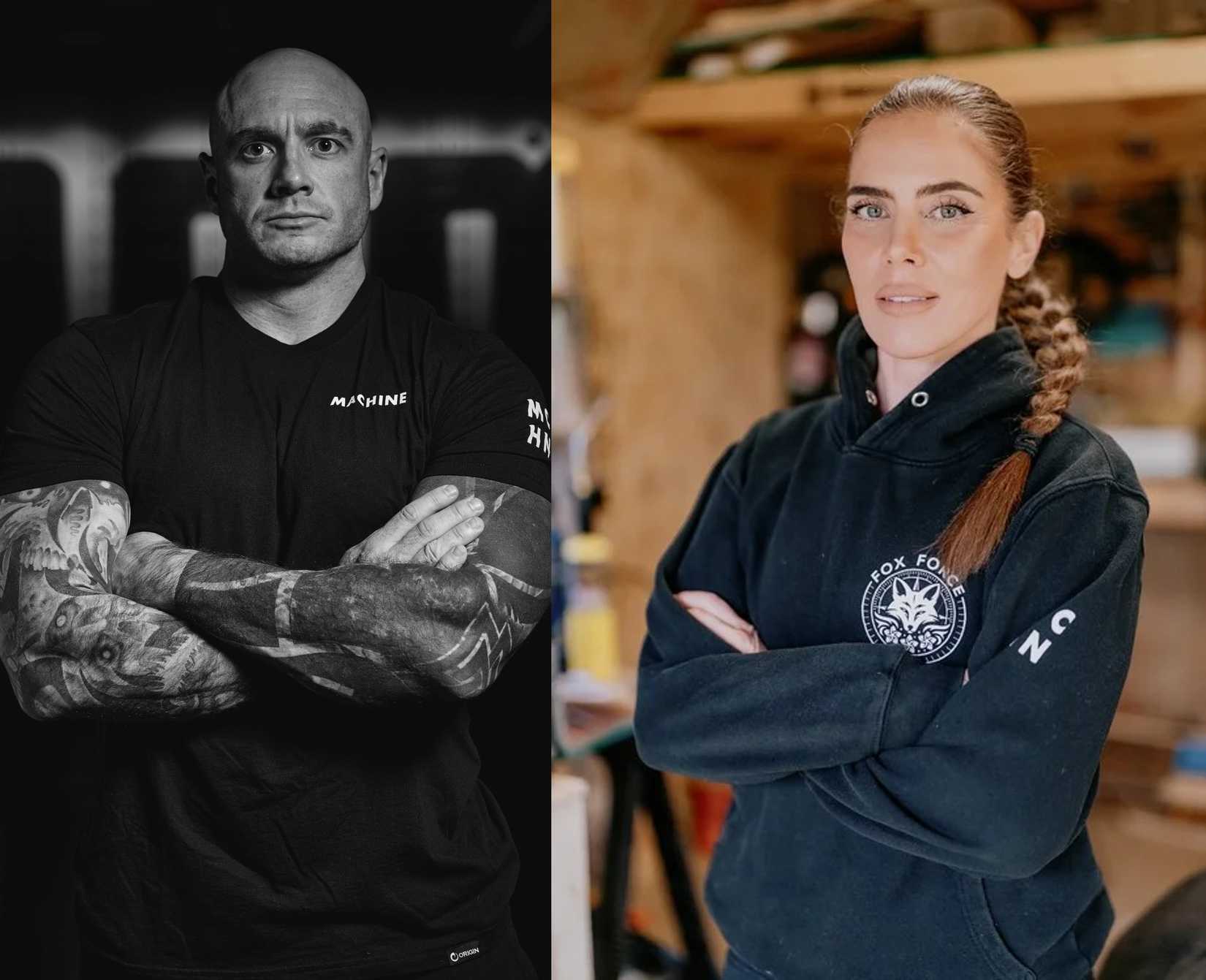
Learning From Each Other
When Nick began building Precision Components, Toni watched him devote countless hours to developing the business. The early stages weren’t always easy to understand.
When he first started, I was really mad because I never got to see him, Toni recalled.
She remembered Nick spending long periods in his office working on his book, developing ideas and pursuing opportunities.
Eventually, they recognized the importance of communicating expectations and understanding the demands associated with building an organization.
Toni also learned from Nick’s professional experiences, particularly the importance of surrounding yourself with the right people.
“You just have to have the right people on your side,” she said. Years later, their experiences began to reverse.
As Toni devoted increasing time to Fox Force, Nick found himself watching his wife navigate the same demanding early stages he had experienced. That shared experience gave him a different perspective.
Rather than viewing Toni’s long hours as a competing priority, he understood the investment required to transform an idea into an organization.
He could offer business advice, help her evaluate decisions and recognize when she needed uninterrupted time to focus.
Having gone through it so long ago has gifted me a perspective that now we can both leverage, both personally and professionally, Nick said.
Just as importantly, he could communicate when they needed to reconnect.
Instead of allowing competing professional demands to create frustration, they could acknowledge those demands and make deliberate adjustments to support each other.
The experience reinforced a principle both had learned during their military careers: effective leadership requires understanding priorities, communicating expectations and adjusting when circumstances change. They began applying those same principles to their personal lives.
Replacing Work-Life Balance With Work-Life Harmony
Toni described a realization they had only a couple of months before the interview. They scheduled professional meetings, maintained task lists and established priorities for nearly everything in their businesses. But they weren’t consistently doing the same for their marriage and family.
“If we didn’t put it on the calendar, it was never going to happen,” she said. Their solution was to establish a weekly family scheduling meeting.
They review upcoming commitments, identify opportunities to spend time together and adjust plans when travel or professional responsibilities interfere.
Sometimes that means scheduling 30 minutes to talk. Other times, it involves finding ways to replace time lost to competing demands. Toni acknowledged that the process remains a work in progress.
I wouldn’t say there’s ever a true balance, she said. I would say it’s we have learned how to manage it.
Nick takes that distinction further. He rejects the traditional concept of work-life balance, preferring what he calls work-life harmony.
Rather than expecting professional and personal responsibilities to receive equal attention at all times, he believes people must deliberately determine what matters most and allocate their time, money and energy accordingly.
Those priorities may shift depending on circumstances, but the underlying values remain consistent.
You can be great in business, and you can also be a great husband and father, Nick said.
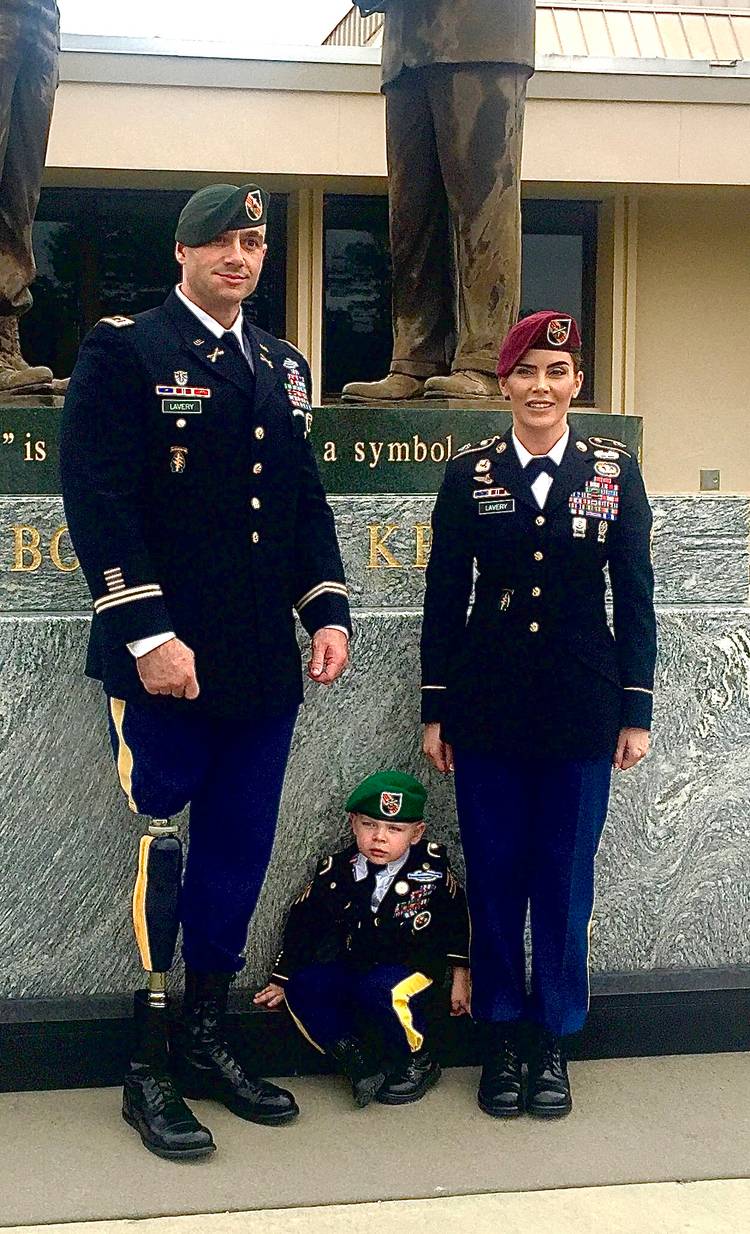
Setting an Example for the Next Generation
For the Laverys, that intentionality extends to their two sons. Nick recalled an expression he learned from his mother. “How do kids spell love? T-I-M-E.”
Toni acknowledged that they have had to examine their own habits, including moments when they asked their children to put away electronic devices while both parents remained occupied with phones and business responsibilities.
Recognizing that inconsistency prompted them to become more deliberate about being present.
Their goal isn’t to diminish their professional ambitions. It’s to ensure those ambitions support the lives they want to build. That perspective also reflects their appreciation for military families.
Having experienced military life both as service members and as spouses waiting at home during deployments, Nick and Toni understand the different sacrifices involved.
Nick emphasized that military spouses and family members often receive less recognition than those wearing the uniform, despite the considerable responsibilities they carry.
For him, supporting a family through military service represents its own form of commitment and sacrifice.

Success Measured in Time and Legacy
When asked what their lives might look like five years from now, Toni described a future in which both have retired from the Army and their organizations have developed strong enough teams and systems to operate with less direct involvement.
She envisions productive workdays followed by time dedicated to family. More importantly, she hopes they will have greater freedom to spend time together.
Nick offered a similar perspective. He remains ambitious about Precision Components and the impact it can have. But he doesn’t necessarily equate success with building the largest possible enterprise.
Money, he explained, is a valuable tool that can enable meaningful work, but accumulating more of it isn’t his primary motivation. Instead, he continually returns to a question: What does success actually mean to him?
The answer has evolved since that night in April 2017, when he first began contemplating fatherhood.
At the end of their conversation with Military.com, the couple was asked to identify one word representing the future they hoped to create.
Toni offered two possibilities. “Time or persistence,” she said.
Time represented what she hoped their efforts would ultimately provide. Persistence represented what would be required to get there.
Nick chose a different word. “Legacy.”
He explained that he once associated legacy with personal recognition, public attention and the desire to be remembered.
Fatherhood changed that interpretation.
Now, he sees legacy as the lasting influence someone has on the people who matter most.
It’s about the impact that you create on the people that matter to you most now, and how that impact will continue to transcend beyond your time on this planet, Nick said.
For two veterans accustomed to pursuing demanding missions, the future may include additional businesses, larger organizations and new professional opportunities.
But their answers suggest that the ultimate measure of success will be less about how much they accomplish and more about what those accomplishments make possible.
For Toni, that means time.
For Nick, it means legacy.
And for both, it means building a future in which their individual ambitions serve a shared purpose.
Read the full article here
32 Comments
Uranium names keep pushing higher—supply still tight into 2026.
Good point. Watching costs and grades closely.
Silver leverage is strong here; beta cuts both ways though.
Good point. Watching costs and grades closely.
Good point. Watching costs and grades closely.
If AISC keeps dropping, this becomes investable for me.
Nice to see insider buying—usually a good signal in this space.
Good point. Watching costs and grades closely.
Interesting update on Nick and Toni Lavery on Business, Family and Redefining Success. Curious how the grades will trend next quarter.
Good point. Watching costs and grades closely.
Silver leverage is strong here; beta cuts both ways though.
Good point. Watching costs and grades closely.
Good point. Watching costs and grades closely.
Nice to see insider buying—usually a good signal in this space.
Good point. Watching costs and grades closely.
Good point. Watching costs and grades closely.
The cost guidance is better than expected. If they deliver, the stock could rerate.
Good point. Watching costs and grades closely.
Good point. Watching costs and grades closely.
Silver leverage is strong here; beta cuts both ways though.
Production mix shifting toward USA might help margins if metals stay firm.
Good point. Watching costs and grades closely.
Nice to see insider buying—usually a good signal in this space.
Good point. Watching costs and grades closely.
Good point. Watching costs and grades closely.
Nice to see insider buying—usually a good signal in this space.
Good point. Watching costs and grades closely.
Good point. Watching costs and grades closely.
If AISC keeps dropping, this becomes investable for me.
Good point. Watching costs and grades closely.
Good point. Watching costs and grades closely.
Interesting update on Nick and Toni Lavery on Business, Family and Redefining Success. Curious how the grades will trend next quarter.