


When Army Maj. Omar Jones arrived at Fort Leavenworth, Kansas, in 2003 with his wife and three children, he expected the military to provide his family with a suitable home.
Instead, the housing office handed him the keys to a house that had already been condemned. The housing official explained that there wasn’t enough money to repair the property and advised Jones not to request maintenance unless it was an emergency.
Two decades later, Jones would oversee housing across 104 Army installations as commander of Army Installation Management Command, learning firsthand how military housing had changed and why the relationship between military leaders and private housing companies remains essential.
In an interview with Military.com during the Association of the United States Army’s annual meeting in Washington, D.C., Jones, the former commander of Army Installation Management Command and incoming vice president for Leadership and Education at AUSA, reflected on three decades of the Military Housing Privatization Initiative (MHPI), a program he credits with bringing approximately $30 billion in private investment into military housing.
His assessment is that privatization has delivered substantial improvements, but its continued success depends on something beyond financial investment: leadership, accountability and effective partnerships.
From Condemned Housing to Modern Homes
Congress established the Military Housing Privatization Initiative in 1996 to address deteriorating military housing and the government’s inability to fund needed improvements through traditional appropriations.
The initiative allowed the military to partner with private companies to finance, construct, renovate and manage housing on installations.
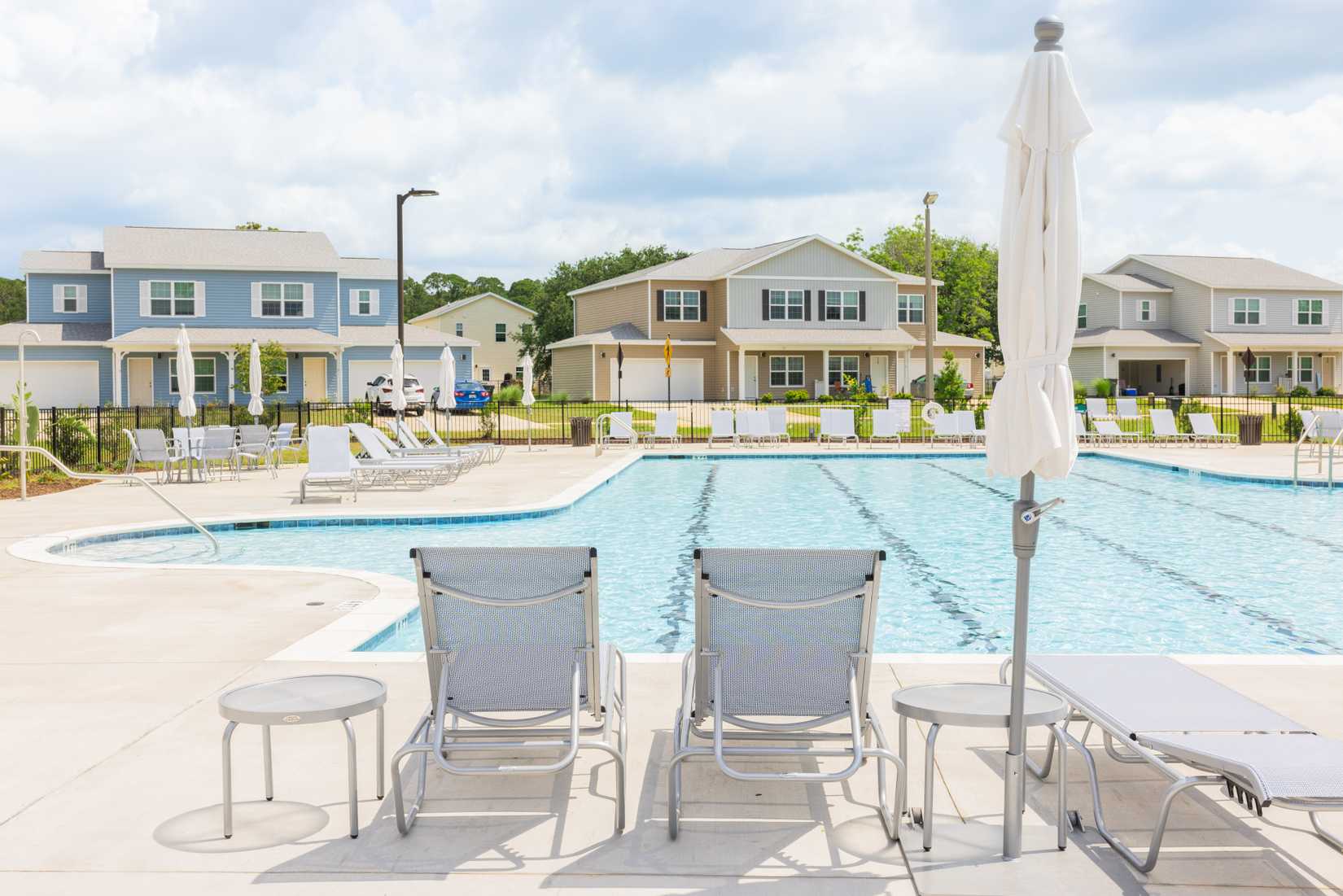
For Jones, the difference became apparent when his family moved to Fort Carson, Colorado, in 2012. After years of living in government-owned housing, including the condemned home at Fort Leavenworth, his family moved into its first privatized military residence.
He described the home as beautiful, well-maintained and comparable to housing available in the surrounding civilian community. It was a striking contrast to his earlier experience.
That transformation represents what Jones believes is one of privatization’s greatest accomplishments: bringing private investment and professional housing management to a system that had struggled for decades to maintain adequate living conditions.
According to Jones, private companies have invested approximately $30 billion in military housing through private financing arrangements over the program’s history.
He questioned whether Congress would ever have appropriated an equivalent amount specifically for military housing improvements. The house his family occupied at Fort Leavenworth has since been demolished and replaced with a new home.
For Jones, that represents the difference private investment can make. But investment alone, he learned, does not guarantee success.
Why Military Leadership Still Matters
When Jones assumed command of Army Installation Management Command, he inherited responsibility for 104 installations and approximately 60,000 military and civilian personnel.
Despite those extensive responsibilities, he estimated that roughly 25% of his time was devoted to privatized military housing.
That commitment reflected his belief that the military’s responsibility for its families does not end when a private company assumes responsibility for managing their homes.
Jones explained that the military and private housing companies operate through partnerships in which each has distinct responsibilities. Private companies provide:
- Financing
- Property management
- Maintenance
- Construction expertise
The military provides:
- Oversight
- Requirements
- Assurance that housing supports service members and their families.
The arrangement works best, Jones said, when both parties understand their responsibilities and hold one another accountable.
He described meeting regularly with senior housing company executives to review performance indicators across Army installations.
Those discussions covered maintenance performance, housing conditions, displaced families and areas requiring improvement. When problems emerged, Jones expected companies to develop corrective action plans and demonstrate measurable progress.
In one instance, he required a company to provide weekly updates for approximately two months until its performance improved.
The relationship was not one-sided. Jones said housing companies also raised concerns when government processes delayed decisions or investments needed to improve housing.
The objective was not simply to identify shortcomings, but to resolve problems through shared responsibility.
Lessons From the 2019 Housing Crisis
The importance of those partnerships became particularly clear during the military housing crisis of 2019.
Reports of mold, unsafe living conditions, maintenance failures and inadequate responses to family complaints raised serious questions about the effectiveness of privatized housing oversight.
Jones was serving as the Army’s chief of public affairs when the crisis intensified and later assumed command of the Military District of Washington.
He witnessed firsthand how differences in leadership and organizational responsiveness influenced the handling of housing problems.
At Fort Meade, Maryland, Jones said military and housing company leaders worked together to address problems relatively quickly.
At Fort Belvoir, Virginia, progress was more difficult. He attributed much of that difference to leadership engagement and the willingness of the housing company to take responsibility for correcting deficiencies.
Jones also believes reduced government oversight and leadership engagement following sequestration in 2013 contributed to the conditions that emerged before the 2019 crisis.
For Jones, the lesson was not that privatization should be abandoned. Rather, it demonstrated why military oversight and corporate accountability must remain central to the partnership.
Measuring Progress One Family at a Time
Jones said one of the most important indicators he monitored as commander was the number of Army families displaced from their homes because of maintenance or safety issues.
The Army was responsible for approximately 100,000 homes, including roughly 90,000 privatized residences and 10,000 government-owned properties, according to Jones.
During much of his final two years in command, he recalled that approximately 30 families across that portfolio were displaced on a typical Monday. About half involved planned maintenance, while the others resulted from unexpected problems such as plumbing failures or other necessary repairs.
Jones emphasized that even a relatively small number of displaced families represented a significant disruption to those affected. His leadership team tracked individual families, their temporary accommodations, financial support and expected return dates.
Housing company executives and military representatives were expected to account for those circumstances until the families could return home.
That level of attention reflected Jones’ broader philosophy: Housing performance should not be measured solely through construction projects or financial investment, but through the experiences of the military families living in those homes.
The Challenges Ahead
Despite the improvements Jones has witnessed, he believes the privatized housing model faces financial and structural challenges that must be addressed to sustain progress.
One involves the way Basic Allowance for Housing is calculated. Jones questioned whether current calculations adequately reflect the costs of providing and maintaining housing appropriate for military families in certain markets.
He also raised concerns about how the military determines the number of homes required on installations, suggesting that modern data analytics could improve those decisions.
Another challenge involves historic military housing. At installations such as Fort Leavenworth, maintaining older historic homes can cost significantly more than the rental revenue those properties generate.
Jones explained that housing companies sometimes must use funds generated by other properties or installations to support the maintenance of historic homes.
While that arrangement helps preserve important military properties, it can reduce money available for future renovations, construction and other improvements.
Jones believes addressing those financial pressures will be important to the program’s long-term sustainability.
The goal, he suggested, should be to preserve what privatization has accomplished while ensuring the financial model supports continued investment in military housing.
A Partnership That Must Continue to Evolve
Thirty years after the Military Housing Privatization Initiative began, Jones sees a program that has fundamentally changed the way the military provides housing.
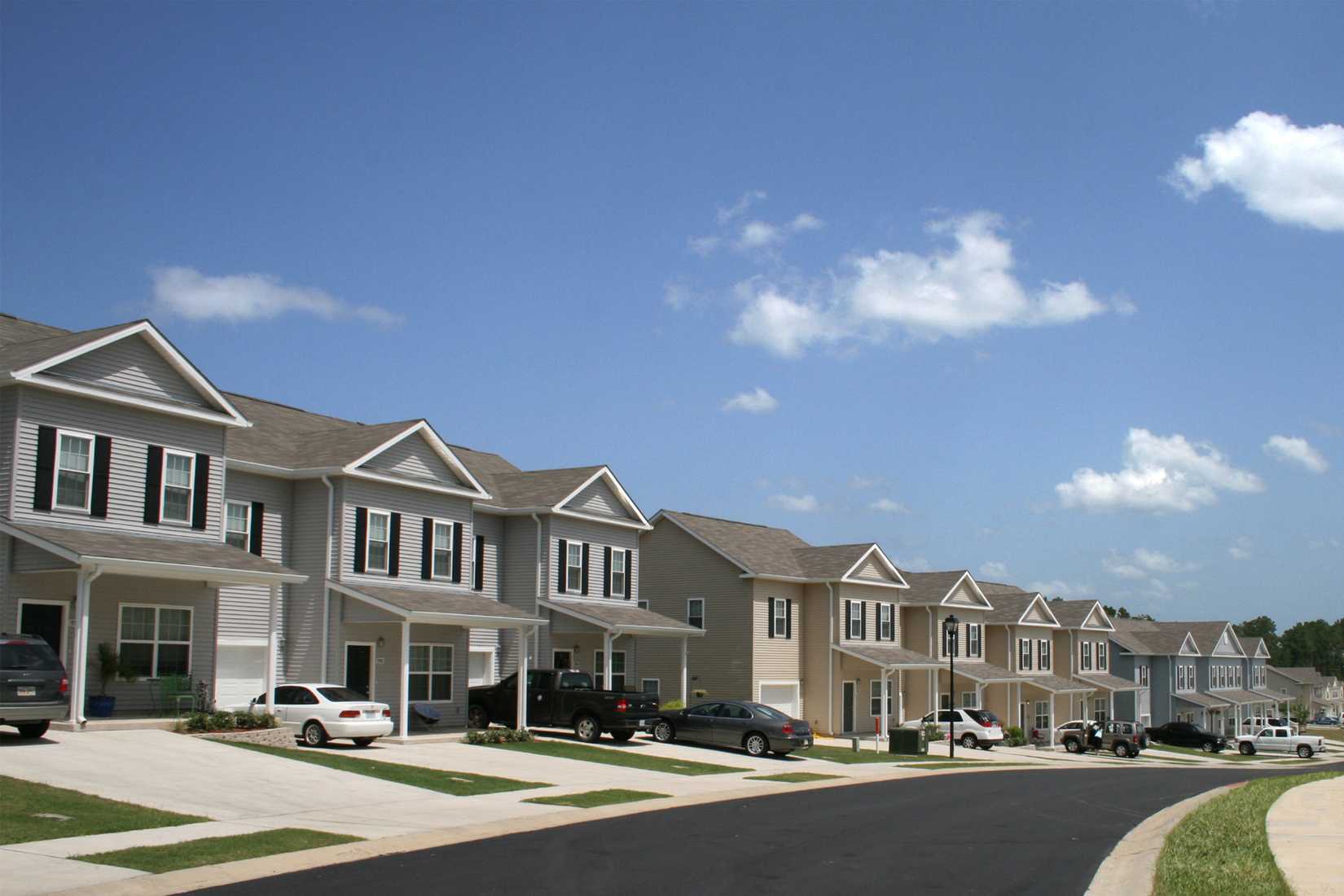
Private investment has helped replace deteriorating properties, renovate aging neighborhoods and provide housing that, in many cases, compares favorably with homes outside military installations.
At the same time, the experience of 2019 demonstrated that even a well-financed system can struggle when oversight and accountability weaken.
Jones believes the lessons extend beyond housing as the military explores additional opportunities to partner with private industry on infrastructure and installation improvements.
Private companies can provide capital, expertise and capabilities that government organizations may struggle to develop or finance independently.
But the military must retain responsibility for ensuring those partnerships serve the needs of service members and support military readiness.
For Jones, the future of privatized military housing depends on maintaining that balance. Thirty years of investment have demonstrated what public-private partnerships can accomplish.
The next chapter will depend on whether military leaders and housing companies continue working together to sustain those improvements.
And for the families who call military installations home, the ultimate measure of success remains straightforward: safe, reliable housing that allows service members to focus on their missions.
Read the full article here
27 Comments
Production mix shifting toward USA might help margins if metals stay firm.
Good point. Watching costs and grades closely.
Good point. Watching costs and grades closely.
Interesting update on Privatized Military Housing at 30: Army Leader’s Lessons. Curious how the grades will trend next quarter.
Nice to see insider buying—usually a good signal in this space.
Production mix shifting toward USA might help margins if metals stay firm.
Good point. Watching costs and grades closely.
I like the balance sheet here—less leverage than peers.
Good point. Watching costs and grades closely.
The cost guidance is better than expected. If they deliver, the stock could rerate.
Good point. Watching costs and grades closely.
Good point. Watching costs and grades closely.
The cost guidance is better than expected. If they deliver, the stock could rerate.
Good point. Watching costs and grades closely.
Good point. Watching costs and grades closely.
Uranium names keep pushing higher—supply still tight into 2026.
Good point. Watching costs and grades closely.
Good point. Watching costs and grades closely.
Exploration results look promising, but permitting will be the key risk.
Good point. Watching costs and grades closely.
If AISC keeps dropping, this becomes investable for me.
Nice to see insider buying—usually a good signal in this space.
Good point. Watching costs and grades closely.
Good point. Watching costs and grades closely.
Uranium names keep pushing higher—supply still tight into 2026.
Good point. Watching costs and grades closely.
Good point. Watching costs and grades closely.