

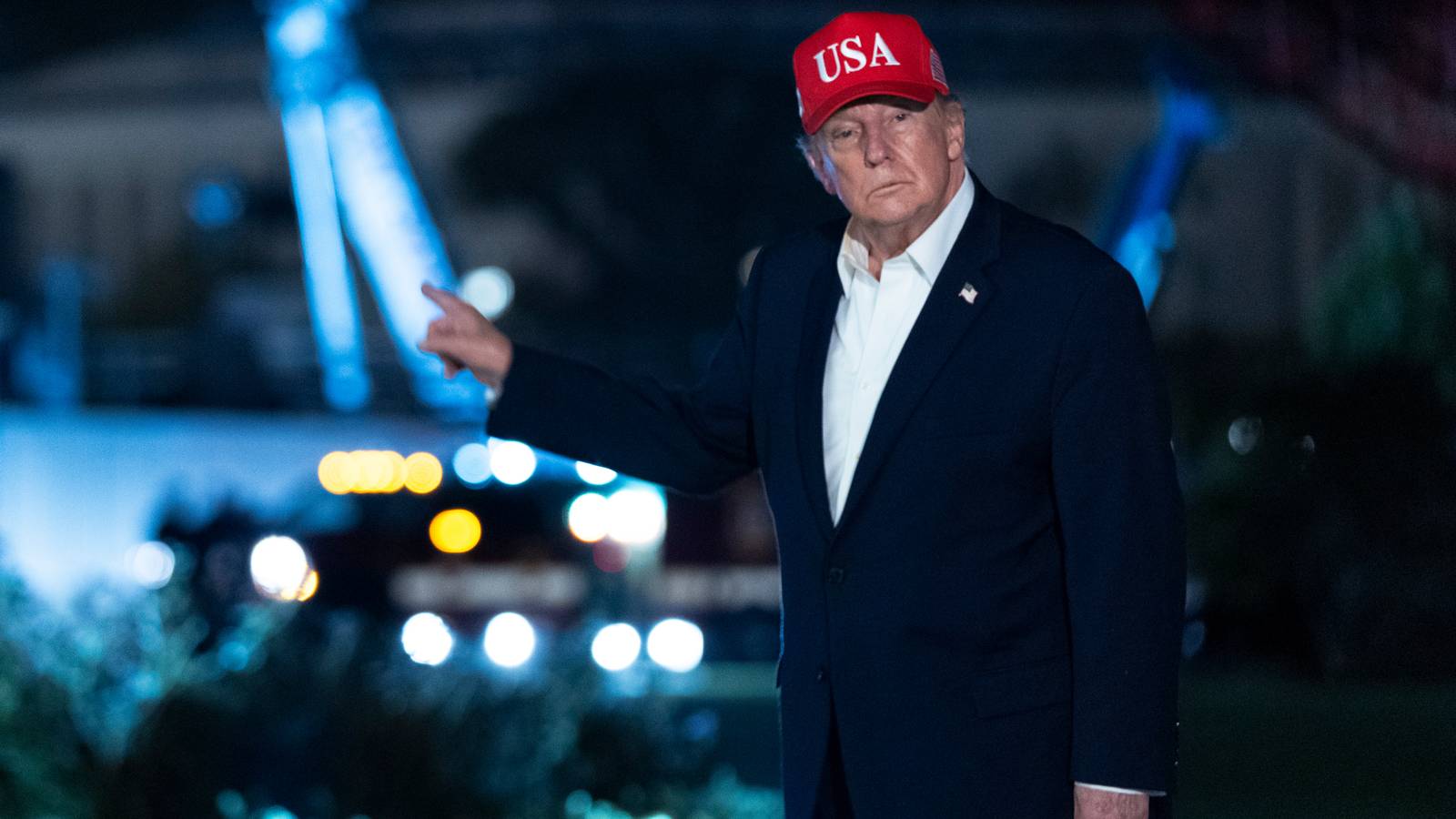
President Donald Trump announced Thursday that the execution of Fort Hood mass murderer Nidal Malik Hasan will not be livestreamed, putting to end a controversial decision announced roughly one week ago by Defense Secretary Pete Hegseth.
The president made the statement on Truth Social, calling Hasan “a very bad and evil man” while also laying blame towards the Obama administration for not preventing the 2009 mass murder that resulted in the deaths of 13 Americans.
“I think streaming the execution for all to see might have been a strong deterrent for the World to witness how America deals with Terrorists and SCUM like Hasan but, many very good and well meaning people would rather not watch him die, through streaming, or through any other visual device,” Trump wrote.
Trump’s Decision Puts End to Hegseth’s Intentions
Hasan is scheduled to be executed Dec. 3 for shooting and killing 13 people while wounding 32 others at the Texas military base.
Trump said Thursday that though the livestream has been reconsidered, Hasan will still be publicly executed—which will mark the first public execution in the United States since 1936.
“He will die, as scheduled, by firing squad, but this event will not be streamed,” Trump said. “That said, the execution may be viewed in person by the immediate families of the victims, if they so choose. They deserve to witness JUSTICE!” the president added.

Secretary of War Pete Hegseth headlines a panel discussing Project Agincourt at the annual AUSA Meeting and Exhibition in Washington, D.C., Oct. 14, 2026. (DoW photo by U.S. Air Force Staff Sgt. Madelyn Keech)
On Oct. 8., Hegseth said in an interview that the execution would be public.
“We’ll make sure that people are able to watch it, that it’s public, because people need to understand that there’s serious consequences for these types of things,” Hegseth said.
The Pentagon then confirmed to Military.com that the plan involved “livestreaming” Hasan’s death, but provided no logistics on how streaming his death would take place or be enforced.
Military.com reached out to the Pentagon on Thursday for comment on Trump’s decision.
Strong Feelings on the Issue
The decision drew both support and rebuke across the nation, including in religious communities.
Archbishop Timothy Broglio, who provides pastoral services to Catholics in the U.S. military, said in a statement on Monday that if a Catholic soldier is assigned to the firing squad, they should ask to be excused from that duty.
The crime committed by Hasan “was heinous, but does exposing the public to his execution serve any purpose?” Broglio said.
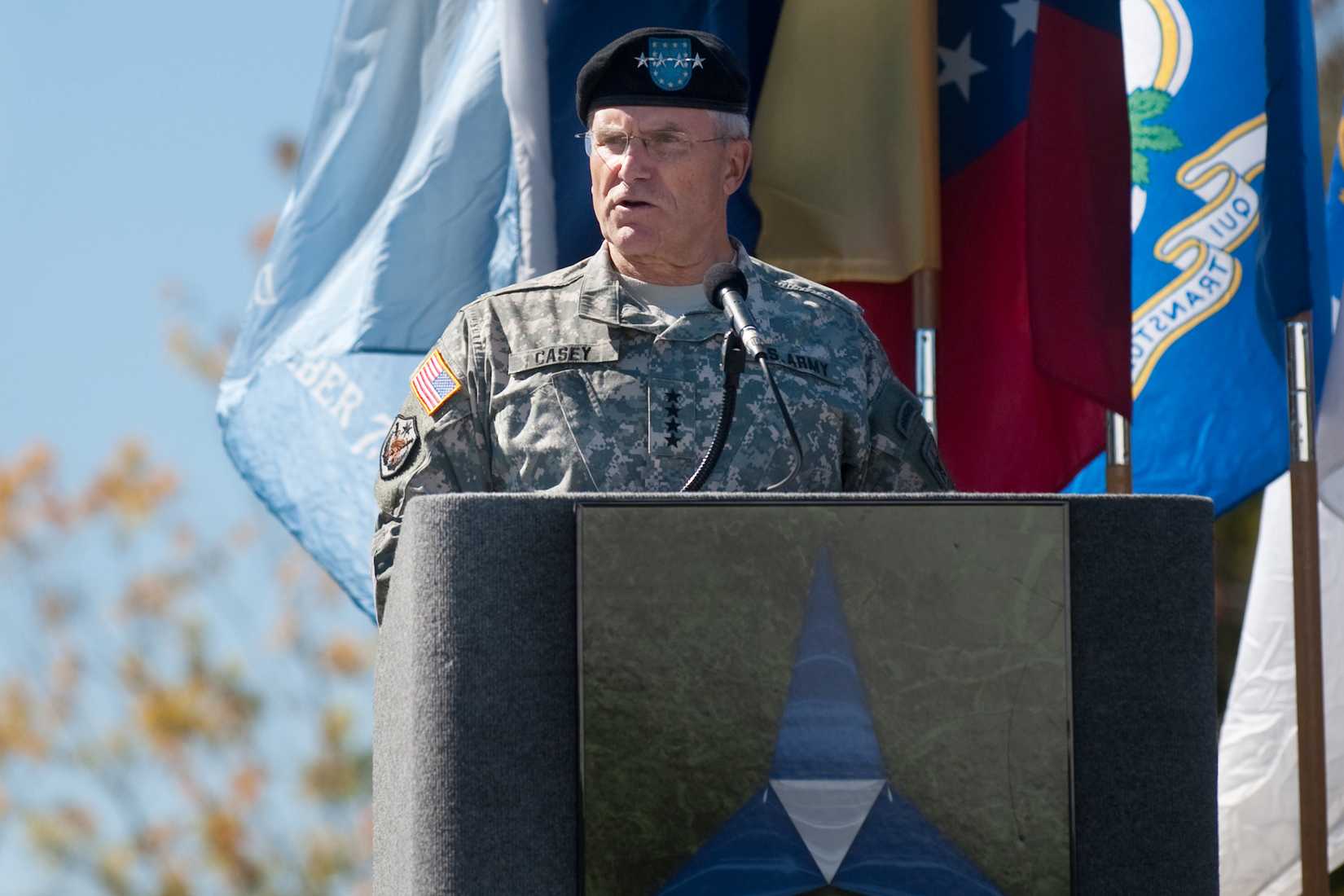
On Oct. 9, Archbishop Paul Coakley, president of the U.S. Conference of Catholic Bishops, called the decision “a barbaric promotion of a culture of death” and said it “must be reconsidered.”
Others have questioned how religion plays a role in service members’ partaking in executions.
Keely Vanacker, the daughter of 62-year-old Fort Hood shooting victim Michael Grant Cahill, publicly iterated her opposition to the execution being livestreamed.
“Livestreaming and taking joy in a tragedy that has deeply affected our family doesn’t bring my dad back,” Vanacker told The Spokesman-Review. “This is a serious event, and it’s not there for people’s entertainment.”
“Regardless of the fact he did horrific things that affected our family … making this something we can all watch stabs us in the back,” she added.
Many conservatives and Republicans have also been outspoken, including Rep. Tom Barrett (R-Mich.) who on Oct. 9 called on Hegseth to “seriously reconsider this decision.”
“Nidal Hasan is an evil person,” Barrett wrote on X. “He betrayed our country, killed 13 American soldiers, and wounded dozens more at Fort Hood—a place I trained the year before his brutal attack.
“That does not change the fact that our American values should strive to elevate human dignity. Making a public spectacle out of an already tragic situation is unnecessary and does not serve a public interest.”
UPDATED 11:28 a.m. ET, 10/15/26: This story was updated with additional information.
Read the full article here
38 Comments
I like the balance sheet here—less leverage than peers.
Good point. Watching costs and grades closely.
Good point. Watching costs and grades closely.
Uranium names keep pushing higher—supply still tight into 2026.
Good point. Watching costs and grades closely.
I like the balance sheet here—less leverage than peers.
Good point. Watching costs and grades closely.
Production mix shifting toward USA might help margins if metals stay firm.
Good point. Watching costs and grades closely.
Silver leverage is strong here; beta cuts both ways though.
Uranium names keep pushing higher—supply still tight into 2026.
Good point. Watching costs and grades closely.
Uranium names keep pushing higher—supply still tight into 2026.
Good point. Watching costs and grades closely.
If AISC keeps dropping, this becomes investable for me.
Good point. Watching costs and grades closely.
I like the balance sheet here—less leverage than peers.
Good point. Watching costs and grades closely.
The cost guidance is better than expected. If they deliver, the stock could rerate.
Good point. Watching costs and grades closely.
Good point. Watching costs and grades closely.
I like the balance sheet here—less leverage than peers.
Uranium names keep pushing higher—supply still tight into 2026.
Good point. Watching costs and grades closely.
Production mix shifting toward USA might help margins if metals stay firm.
Good point. Watching costs and grades closely.
Good point. Watching costs and grades closely.
If AISC keeps dropping, this becomes investable for me.
Good point. Watching costs and grades closely.
Good point. Watching costs and grades closely.
Uranium names keep pushing higher—supply still tight into 2026.
Good point. Watching costs and grades closely.
Good point. Watching costs and grades closely.
Nice to see insider buying—usually a good signal in this space.
Good point. Watching costs and grades closely.
Uranium names keep pushing higher—supply still tight into 2026.
I like the balance sheet here—less leverage than peers.
Good point. Watching costs and grades closely.