

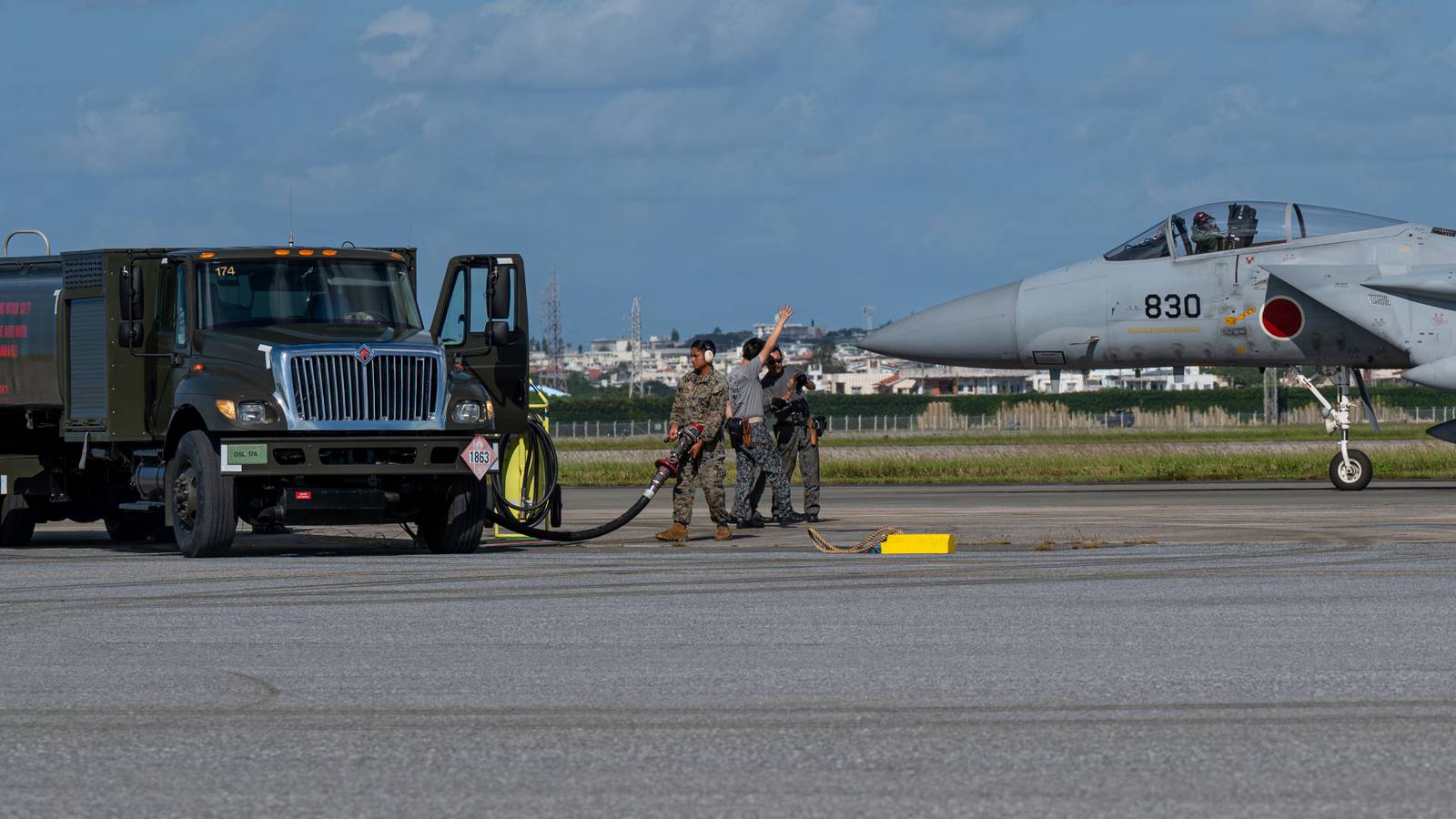
A U.S. military base in Japan has banned vehicles made by the Chinese company BYD, citing security concerns.
Kadena Air Force Base on the southern Japanese island of Okinawa enforced the ban this past weekend on all BYD vehicles, including privately owned cars, and has instructed security personnel to block these cars from entering the base’s gates, according to a report Monday by The Guardian.
“These vehicles present an unacceptable and unmitigable risk to our personnel and our mission,” Lt. Col. Alli Stormer, a spokesperson for the U.S. Air Force 18th Wing at Kadena, said in a statement to the publication.
Military.com reached out to the Air Force for comment.
BYD Ban Sparks Global Reaction
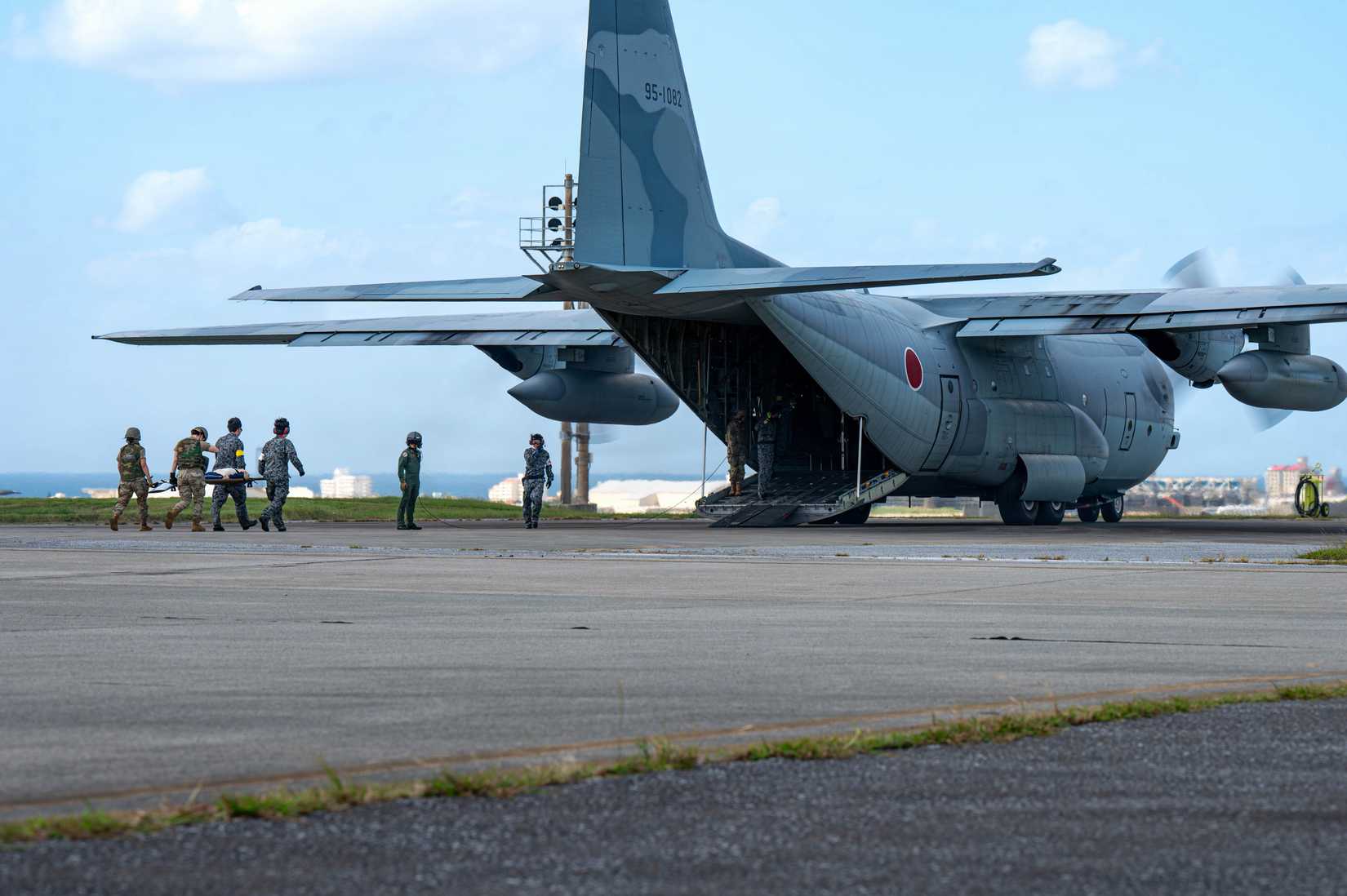
Kadena, located around 400 miles from Taiwan, is the biggest U.S. Air Force base in East Asia and hosts fighter planes and aircraft, as well as a Typhoon missile system that can fire Tomahawk missiles up to 1,600 kilometers away.
Wing commander Brig. Gen. John Gallemore took the decision to ban the vehicles “after a thorough, consultative process which determined that these vehicles present an unacceptable and unmitigable risk to our personnel and our mission,” a spokesperson told Stars and Stripes.
The ban sparked an international response. On Wednesday, Australian Defense Minister Richard Marles said in an interview that the U.S. had not requested that Australia take similar measures and that it would not make moves to restrict BYD.
“We obviously continue to monitor all the safety around our bases in every respect, but we haven’t taken that step,” Marles said.
Elsewhere, the U.S. has made other moves to restrict BYD, which became the biggest seller of battery-electric vehicles in 2025.
In June, the Pentagon added the company to a list of 188 firms it said could have ties to China’s military. At the time, BYD rejected this move.
Conversely, China also banned Tesla vehicles from some government compounds in 2021, citing security concerns. But Beijing removed this restriction in 2024.
Back in 2018, during President Donald Trump’s first administartion, the Pentagon also banned the sale and use of smartphones from Huawei and ZTE at military bases.
US-China Relations
Under the second Trump administration, Chinese and U.S. relations have fluctuated.
President Donald Trump has prioritized direct engagement with his counterpart Xi Jinping. There have been high-profile summits in Beijing in May 2026 and at the White House in September 2026, with a rumored additional summit in the works that would also include Russian President Vladimir Putin.
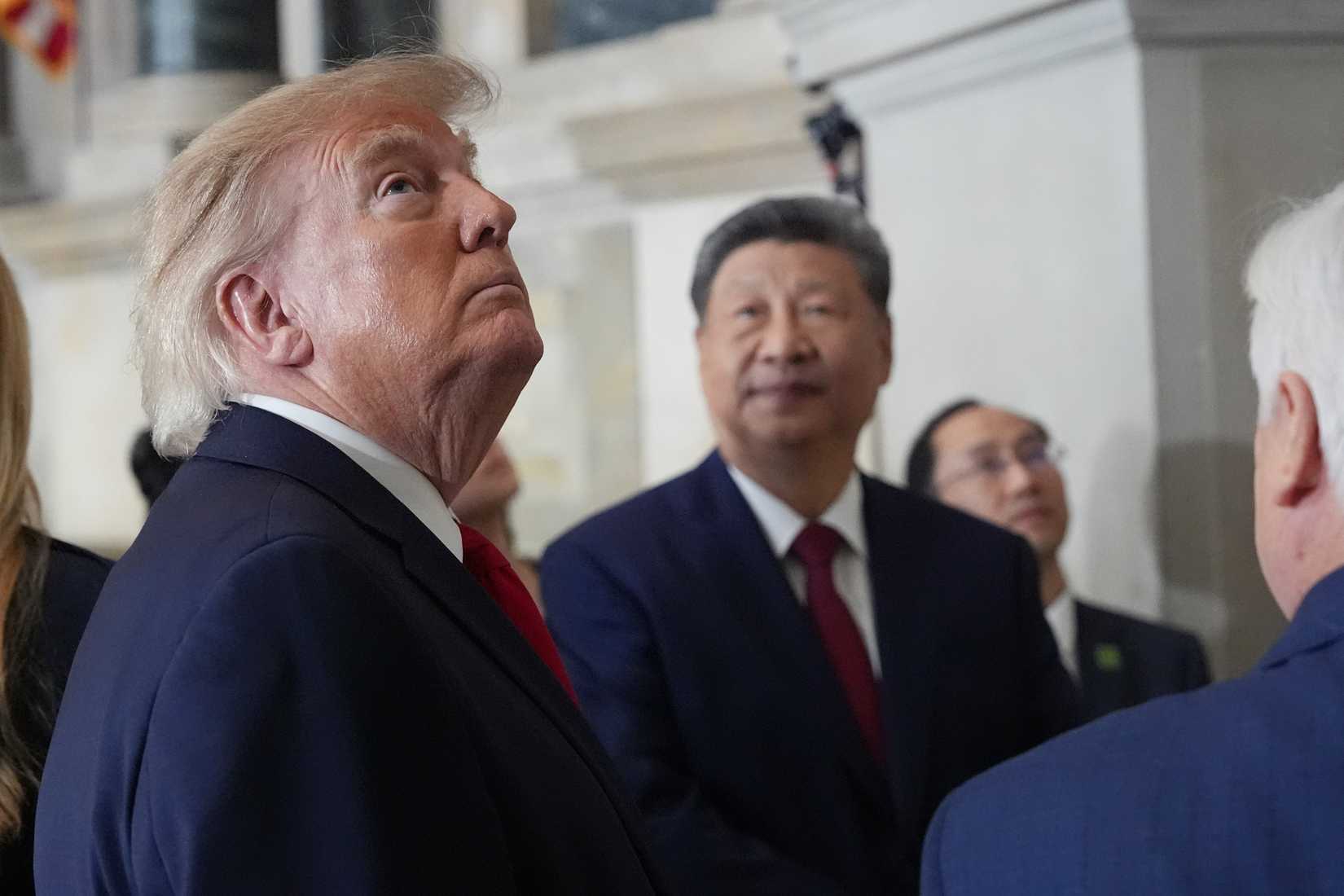
This diplomacy led to a trade war truce and established a bilateral “Super Intelligence” (SI) Dialogue to establish direct communications for artificial intelligence and cybersecurity incidents.
Simultaneously, Congress is pushing the trillion-dollar 2027 defense bill, which demands hard strategies to counter Chinese maneuvers in the South China Sea and mandates severe restrictions on Chinese microelectronics.
Read the full article here
28 Comments
Uranium names keep pushing higher—supply still tight into 2026.
Good point. Watching costs and grades closely.
Good point. Watching costs and grades closely.
Production mix shifting toward USA might help margins if metals stay firm.
Good point. Watching costs and grades closely.
Good point. Watching costs and grades closely.
Exploration results look promising, but permitting will be the key risk.
Silver leverage is strong here; beta cuts both ways though.
Good point. Watching costs and grades closely.
If AISC keeps dropping, this becomes investable for me.
Good point. Watching costs and grades closely.
Good point. Watching costs and grades closely.
Uranium names keep pushing higher—supply still tight into 2026.
Uranium names keep pushing higher—supply still tight into 2026.
The cost guidance is better than expected. If they deliver, the stock could rerate.
Good point. Watching costs and grades closely.
Uranium names keep pushing higher—supply still tight into 2026.
Exploration results look promising, but permitting will be the key risk.
The cost guidance is better than expected. If they deliver, the stock could rerate.
Nice to see insider buying—usually a good signal in this space.
Good point. Watching costs and grades closely.
If AISC keeps dropping, this becomes investable for me.
Good point. Watching costs and grades closely.
Exploration results look promising, but permitting will be the key risk.
Good point. Watching costs and grades closely.
I like the balance sheet here—less leverage than peers.
Good point. Watching costs and grades closely.
Good point. Watching costs and grades closely.