

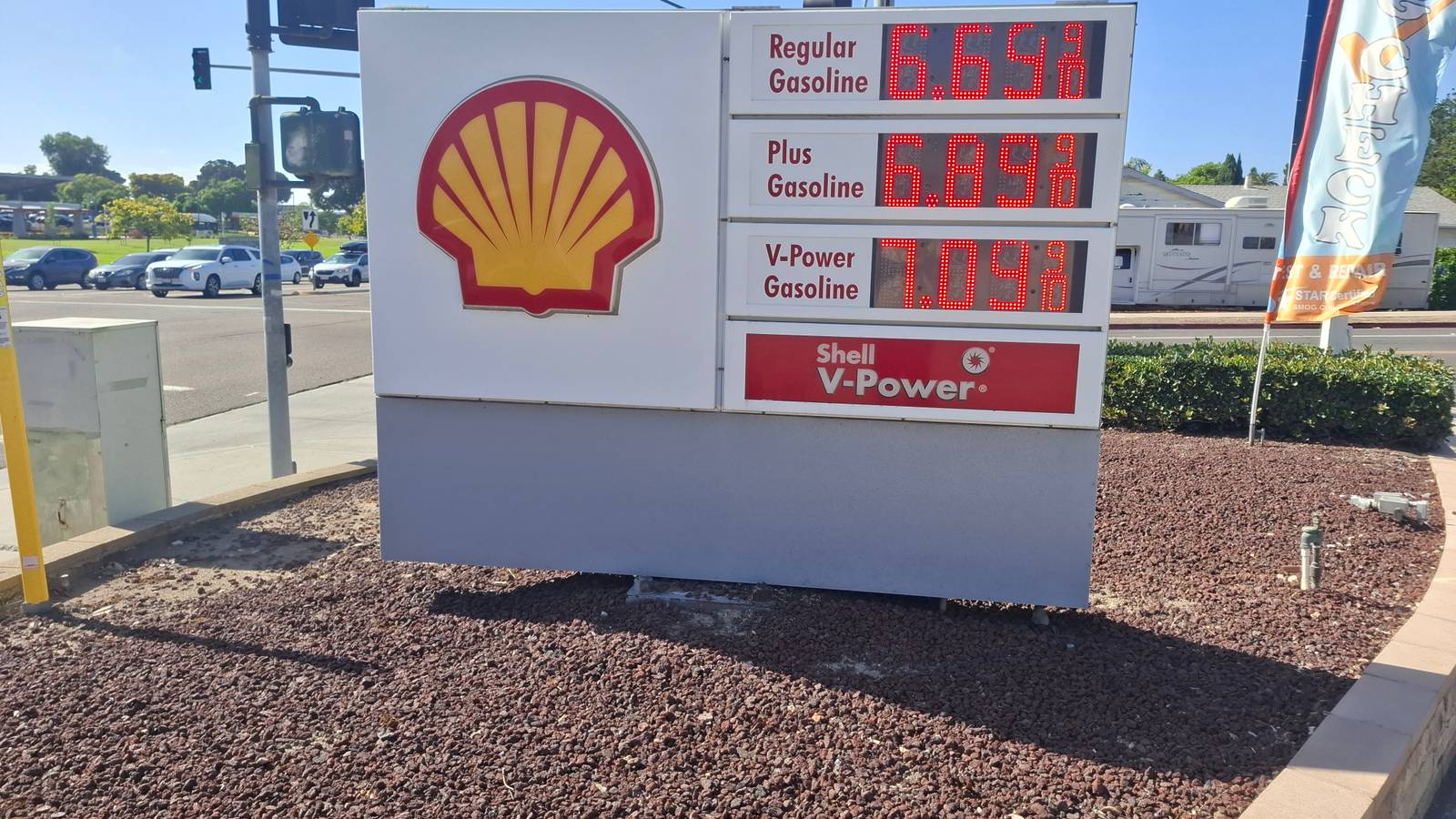
Veterans receiving VA disability compensation should expect a 3.6% cost-of-living adjustment to take effect Dec. 1, but questions revolving broader economics could put a dent into the COLA.The newest adjustment will add about $6.50a month for a veteran rated 10% and roughly $142 for one rated 100% with no dependents. Over the same year that the COLA was being calculated, the price of gasoline rose 34.2%.
Federal data show that energy expenses are the fastest-rising part of the household budget. How hard it hits veterans’ pockets depends on what they drive, how far they live from care, and how they heat their home.
The Department of Veterans Affairs did not respond to Military.com’s requests for comment.
The Dollars Must Make Sense
Applying 3.6% to the VA’s current rate table can show what the adjustment means at each level.
A veteran with no dependents rated 10% receives $180.42 a month now, and would gain about $6.50.
At 30%, the current $552.47 grows by roughly $19.89. A 50% rating adds about $40.78 to $1,132.90
A 70% rating adds about $65.10 to $1,808.45, and a 100% rating adds about $141.79 on top of $3,938.58, which works out to roughly $1,700 across a year.
Those are estimates built from the rates in effect now. Final figures arrive when the VA publishes its official 2027 compensation tables.
Where the Money Goes Fastest
Energy is the outlier in the latest federal inflation data, and it’s not by a small amount either.
Overall consumer prices rose 3.7% in the 12 months through September, according to the Bureau of Labor Statistics, while the energy index climbed 20.4%.
Gasoline rose 34.2% over that year, and fuel oil 74.2%. Those figures reflect the past year rather than predict the next, and the winter ahead looks uneven.
The Energy Information Administration forecast this month that households heating with oil can expect to pay about 21% more this season. Homes heated with electricity are also expected to pay more.
Families heating with natural gas or propane, about half the country, will likely spend less than last winter.
Elsewhere, the budget is not so tumultuous. Food rose 2.5% year over year, shelter 3.2%, and medical care 1.5%—all slower than the COLA.
The squeeze is real; however, it seems to be hitting specific budget lines rather than everything, everywhere, all at once.
A Flat Rate Meets Pump Prices
For many disabled veterans, going to the pump often is not optional.
Veterans rated 30% or higher, among others, qualify for mileage reimbursement when they drive to VA appointments. The department pays 41.5 cents a mile under its published rates.
That rate is flat. It does not rise with gas prices, and a $6 round-trip deductible applies per appointment until an $18 monthly cap is met.

Another question arises from the annual adjustment.
Federal COLAs are calculated from the CPI-W, an index that tracks the spending of urban wage earners and clerical workers rather than veterans with service-connected disabilities.
When asked whether the bureau keeps data on how disabled veterans’ spending, or households with disabilities’ spending in general, compares with that index, the Bureau of Labor Statistics said it does not.
“We do not have the data you’re seeking,” the bureau’s press office told Military.com in an email, pointing instead to experimental research indexes that it cautions “may be associated with larger measurement error” than the official measures.
How the 3.6% Was Set
Under federal law, the adjustment tracks the average CPI-W across July, August and September, measured against the same three months a year earlier.
That average rose 3.6%, the Social Security Administration announced Oct. 14.
For VA benefits, Congress still must pass a veterans COLA law each year to apply the increase to disability compensation.
Lawmakers have done so every year for decades. Once final, the new rates take effect Dec. 1, with the first increased payment arriving Dec. 31.
Read the full article here
26 Comments
Interesting update on Veterans Are Getting a 3.6% COLA Raise in 2027. Rising Costs Could Eat Into the Increase.. Curious how the grades will trend next quarter.
Production mix shifting toward USA might help margins if metals stay firm.
Good point. Watching costs and grades closely.
Good point. Watching costs and grades closely.
Silver leverage is strong here; beta cuts both ways though.
Good point. Watching costs and grades closely.
Good point. Watching costs and grades closely.
Interesting update on Veterans Are Getting a 3.6% COLA Raise in 2027. Rising Costs Could Eat Into the Increase.. Curious how the grades will trend next quarter.
Exploration results look promising, but permitting will be the key risk.
Good point. Watching costs and grades closely.
Good point. Watching costs and grades closely.
Uranium names keep pushing higher—supply still tight into 2026.
Nice to see insider buying—usually a good signal in this space.
Good point. Watching costs and grades closely.
I like the balance sheet here—less leverage than peers.
Good point. Watching costs and grades closely.
Production mix shifting toward USA might help margins if metals stay firm.
If AISC keeps dropping, this becomes investable for me.
Good point. Watching costs and grades closely.
Good point. Watching costs and grades closely.
Nice to see insider buying—usually a good signal in this space.
Uranium names keep pushing higher—supply still tight into 2026.
Good point. Watching costs and grades closely.
Good point. Watching costs and grades closely.
Interesting update on Veterans Are Getting a 3.6% COLA Raise in 2027. Rising Costs Could Eat Into the Increase.. Curious how the grades will trend next quarter.
Interesting update on Veterans Are Getting a 3.6% COLA Raise in 2027. Rising Costs Could Eat Into the Increase.. Curious how the grades will trend next quarter.