

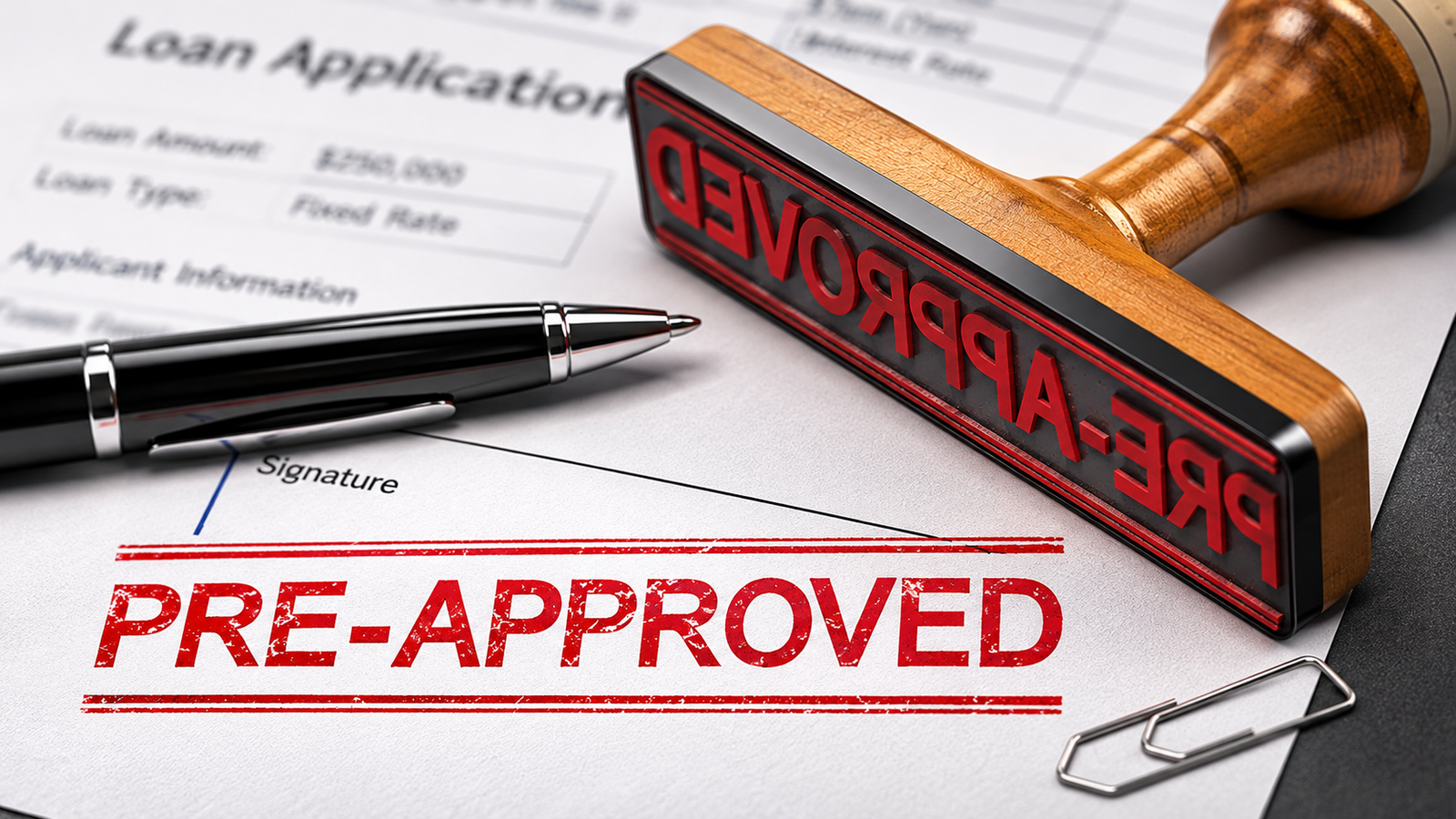
You’ve done everything you thought you were supposed to do: you got a VA mortgage pre-approval to know your price range before you started shopping, you and your realtor found a home you liked and negotiated a contract with the seller, and you answered all your lender’s questions when completing your application.
Yet now, two weeks before closing, you’re signing papers with your realtor to cancel your contract because your financing fell through.
How could this happen? You were pre-approved. Doesn’t that mean you were good to go?
The fact is, this happens a lot.
You have to keep in mind, a pre-approval is typically just a quick review of your credit report and an evaluation of how much you say your income is.Various things can come up during the process that turn that light from green to red; most are totally within your power to prevent, but some of them are out of your control:
1. Missing a Payment
During the home buying process, you have to make sure you make any loan or credit card payments you have on time.
Even if you were pre-approved at the beginning of your home shopping journey, your lender will most likely perform another soft pull on your credit, usually one to two weeks before closing.
If any delinquencies show up, they may require you to make those past-due payments, demand a letter of explanation as to why you’re behind on that account, or they may decline you for the loan.
2. Taking Out New Credit
A lot of people apply for a new credit card, take out a loan for a car, etc., while purchasing a home, thinking they may need that new credit card to buy furniture or appliances, or how great that new car will look in the driveway of their new house.
The problem is, that new debt completely changes your debt-to-income ratio; if that ratio is now too high, you no longer qualify for the loan.
Even if you feel that new debt is completely affordable, it may be too much on paper.
Whatever new credit you’re thinking of taking out, wait until after closing before doing it.
3. Emptying Your Bank Account
Some people, to avoid issue No. 2, just pay cash out of their bank account for that new big purchase they’re wanting to make.
The problem with that, however, is that you need funds in your account at the time of closing to cover your closing costs.
The seller is probably paying a portion of them, but you will most likely need to pay some of the settlement fees, typically one to two days before the actual closing.
Your lender may ask for an updated bank statement just before closing to verify that you still have sufficient funds to close and if you don’t, they can’t give you final approval for the loan.
Be patient and make that big purchase after closing.
4. Failing to Provide Documents
Remember when I clarified what a pre-approval really is and said, “…how much you say your income is?”
Well, once you have a home under contract, it is then time to prove your income.
Your lender is going to ask for pay stubs, W-2s and possibly tax returns to confirm your monthly gross income to the penny.
If you procrastinate and keep putting off sending your lender the documentation they ask you for, they may eventually give up and decline you for the loan.
Keep in mind, income is not the only type of documentation you may be asked to provide.
Every loan is unique and has its own unique requirements for approval; there are numerous different circumstances for which your lender may request one document or another, including:
- Trust documents
- Divorce decrees
- Child support orders
- PCS orders
- Insurance and mortgage documents on properties you currently own
- A letter certifying you are allowed to work from home
And that’s not an exhaustive list.
Make sure you stay on top of any requests from your lender & provide them with whatever they request ASAP.
5. Damage Found
Although most lenders don’t require it, they (and I) strongly recommend you have a home inspection done before buying any piece of property.
This is a little different from an appraisal; both are physical inspections of the home, but an appraisal is primarily concerned with the home’s value, whereas a home inspection focuses on the structural integrity and safety of the home.
A home inspector looks for signs of damage such as:
- wood rot
- faulty wiring
- foundation issues
- leaks in the roof or in the plumbing
- mold, etc.
If any damage or safety issue is found, you then have the opportunity to negotiate for the seller to repair such damage or issues before closing. If they are unwilling to do so, this is actually a good obstacle to encounter; you certainly don’t want to buy a house that’s a danger to you, your family or any friends who may visit.
6. House Doesn’t Appraise for Correct Value
An appraiser inspects the home for aspects that affect its market value, compares the home to similar homes in the area that have sold within the past year, and issues the buyer a report estimating the value of the home.
As long as the home is estimated to be worth what you’re paying for it or more, you’re good to go; if it appraises for less than the sales price, your realtor will share the appraisal with the seller and ask them to come down on the price.
As with the previous entry, if they are unwilling to do so, this is a good obstacle to encounter; you certainly don’t want to buy a house for more than it’s actually worth.
Keep in mind that this list is not exhaustive; other things can occur to cause a deal to fall through despite you being pre-approved (unknown lien discovered on the house, unpaid property taxes, etc.), but these are the most common issues that kill a deal based on my experience.
The first four entries are under your control, so just make sure you keep a handle on them and if anything else happens, you and your realtor can always resume shopping.
Read the full article here
45 Comments
If AISC keeps dropping, this becomes investable for me.
Good point. Watching costs and grades closely.
Good point. Watching costs and grades closely.
If AISC keeps dropping, this becomes investable for me.
I like the balance sheet here—less leverage than peers.
Silver leverage is strong here; beta cuts both ways though.
Good point. Watching costs and grades closely.
Good point. Watching costs and grades closely.
The cost guidance is better than expected. If they deliver, the stock could rerate.
Good point. Watching costs and grades closely.
Good point. Watching costs and grades closely.
Production mix shifting toward USA might help margins if metals stay firm.
Uranium names keep pushing higher—supply still tight into 2026.
Good point. Watching costs and grades closely.
Good point. Watching costs and grades closely.
Silver leverage is strong here; beta cuts both ways though.
Good point. Watching costs and grades closely.
Exploration results look promising, but permitting will be the key risk.
Nice to see insider buying—usually a good signal in this space.
Good point. Watching costs and grades closely.
Interesting update on What Can Still Derail Closing. Curious how the grades will trend next quarter.
Good point. Watching costs and grades closely.
Exploration results look promising, but permitting will be the key risk.
Exploration results look promising, but permitting will be the key risk.
Good point. Watching costs and grades closely.
Silver leverage is strong here; beta cuts both ways though.
If AISC keeps dropping, this becomes investable for me.
Nice to see insider buying—usually a good signal in this space.
The cost guidance is better than expected. If they deliver, the stock could rerate.
Good point. Watching costs and grades closely.
The cost guidance is better than expected. If they deliver, the stock could rerate.
Good point. Watching costs and grades closely.
Good point. Watching costs and grades closely.
Exploration results look promising, but permitting will be the key risk.
Good point. Watching costs and grades closely.
Good point. Watching costs and grades closely.
Production mix shifting toward USA might help margins if metals stay firm.
Good point. Watching costs and grades closely.
Good point. Watching costs and grades closely.
I like the balance sheet here—less leverage than peers.
Good point. Watching costs and grades closely.
Uranium names keep pushing higher—supply still tight into 2026.
Good point. Watching costs and grades closely.
If AISC keeps dropping, this becomes investable for me.
Good point. Watching costs and grades closely.