

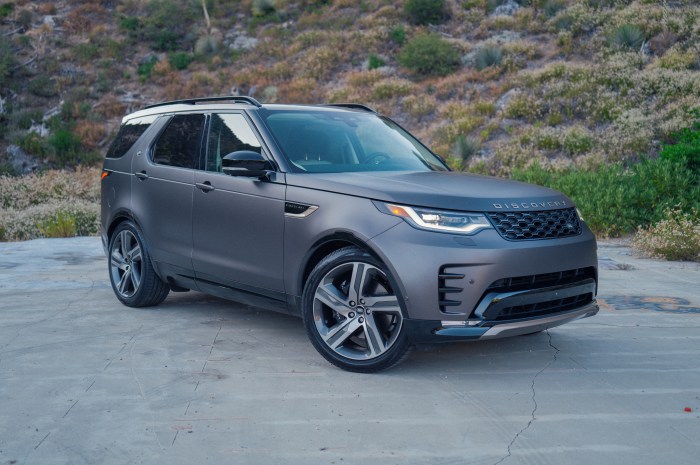
For a long time, in the world of Land Rover, Discovery was a dirty word – at least here in the US. The Discovery II, made from 1998 to 2004, was so notoriously unreliable that Land Rover killed the Discovery name altogether until 2017. There were Discoverys on sale elsewhere in the world during the interim period; they were simply called LR3 and LR4 here.
Now, to get things out of the way, the 2026 Land Rover Discovery isn’t a bad car per se. It’s got all the stuff people like about Land Rovers: super-plush air suspension, a decent drivetrain, and a luxurious interior. Unfortunately, the much more popular Land Rover Defender (which debuted in 2020) leaves little case for the long-serving Discovery these days. As the Brits say, it has been made redundant.
In Short: Land Rover’s fifth-generation Discovery is long in the tooth, having entered production for the 2017 model year, and its slot in the lineup has been made redundant by Land Rover’s own Defender 130. It’s not a bad car by any means, but being OK isn’t enough for a brand like Land Rover, which needs to be great to justify its price and niche spot in the market.
2026 Land Rover Discovery
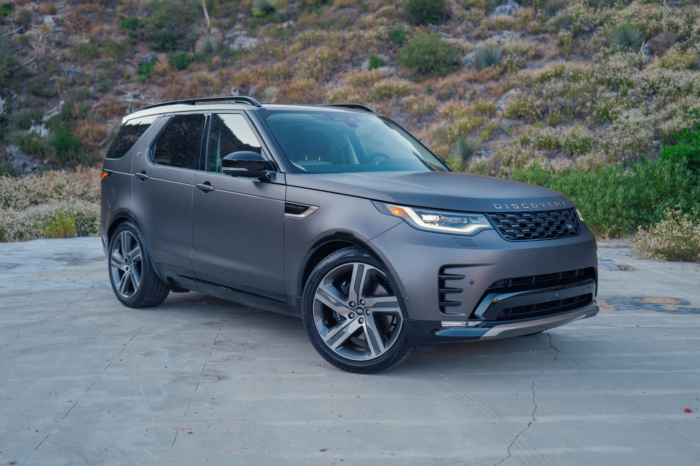
(Photo/Kyle Hyatt)
Specifications
Pros & Cons
Pros
- Comfortable interior
- Third-row seating
- Adequate drivetrain
Cons
- Off-road features bundled in expensive option package
- Looks like a little like a goat
- Platform is nearly a decade old
Disco Doesn’t Suck
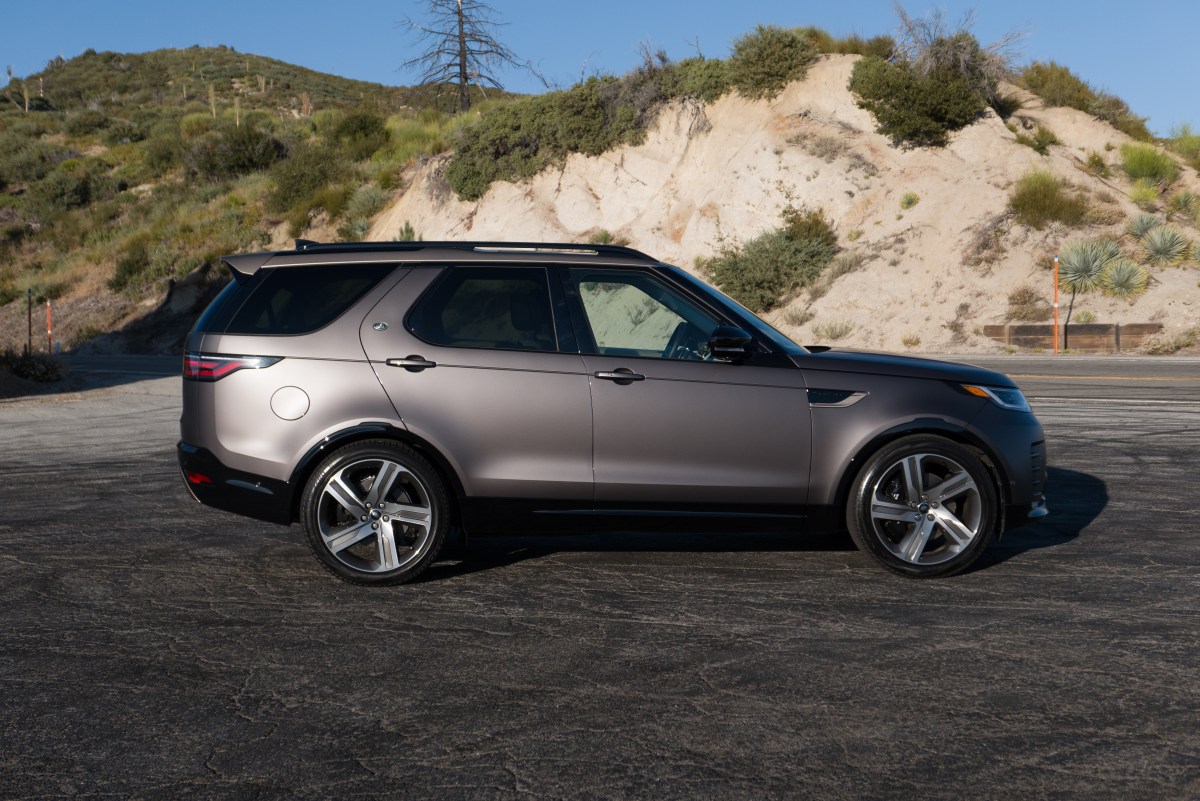
The week I spent with the Discovery (or Disco for short) was actually pretty pleasant. My test vehicle was the “Tempest” edition, which means it came packed with options and had both matte paint and a copper-colored roof. In the US, the Disco will only have one available engine going forward: a 355-horsepower 3.0-liter turbocharged inline-six paired with an eight-speed automatic transmission and all-wheel drive. It also had the optional “Advanced Off-Road Package,” which adds a two-speed transfer case (making it full-time four-wheel drive), a locking rear differential, and Land Rover’s excellent Terrain Response off-road traction control system. One big criticism that I’ll levy at Land Rover here is making a two-speed transfer case part of a $2,400 option package. For a brand as concerned with its off-roading image as Land Rover is, that should be standard across the board
I didn’t get too much time on the dirt in this particular Discovery. That’s mostly because I didn’t trust the tires it was on, and going out in an unfamiliar rig by myself without a winch for self-recovery seems like a bad plan. That said, the little bit of fire road driving I did was uneventful and pretty comfortable, even while staying at the recommended road tire pressure.
One headline feature of the Discovery’s 2017 launch was its move to all-aluminum construction, like its big brother, the full-size Range Rover. This shaved over 1,000 pounds off the car’s curb weight compared to the LR4 it replaced. As technology and luxury features have added weight over the nearly decade-long life of the fifth-generation Discovery, that initial savings continues to pay dividends in handling, acceleration, and fuel economy.
Light and Airy
Land Rover lists the Discovery’s curb weight at 4,835 pounds, which is impressive for a three-row luxury SUV. For comparison, my personal 2008 full-size Range Rover, known as the L322 generation, is about the same size as the Discovery, uses aluminum body panels over a steel structure, and weighs nearly 6,000 pounds. The Discovery’s lighter curb weight paired with a torquey engine and a well-tuned throttle makes for a smooth (if not exactly quick) drive around town.
The rest of the drive is equally nice. The steering is light, and the suspension is extremely well-calibrated for comfort. Land Rover has been putting air suspension on nearly everything for decades, and the brand’s familiarity with it shows. The Disco’s optional air suspension is height-adjustable, which helps with off-roading and makes it easier to get into parking structures, not to mention making it easier for kids and smaller adults to get in and out.
Showing Its Age
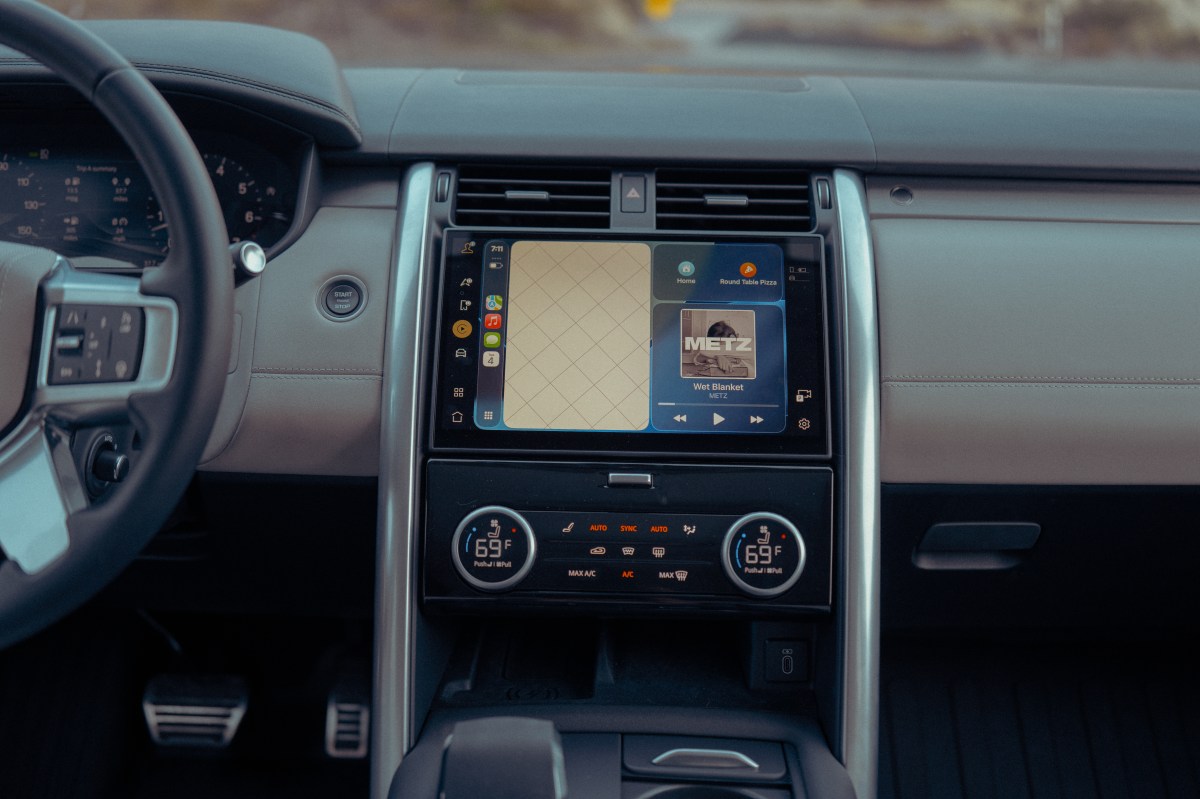
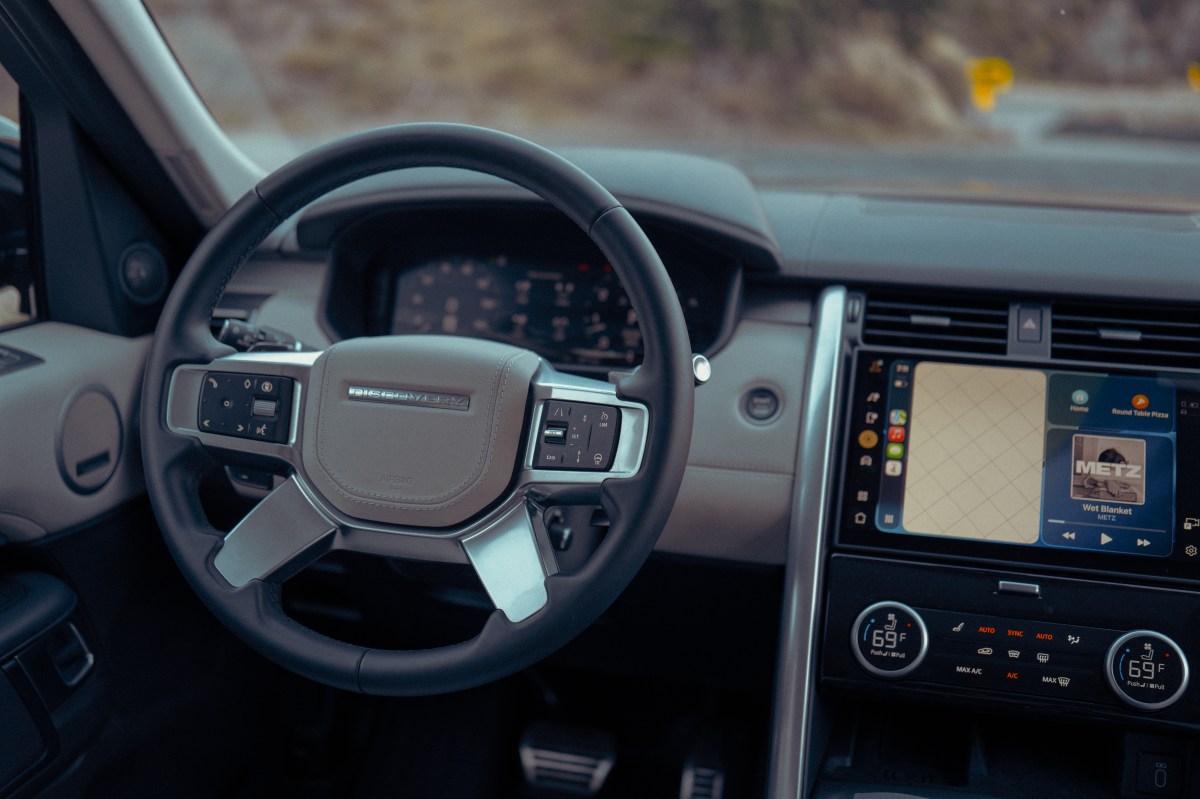
The Discovery’s big problem (other than the Defender’s existence) is that it is nearly a decade old. That means things like the infotainment system and interior layout also feel old. The Disco has only a few physical controls on the dash for important functions, with things like height adjustment handled through the infotainment system. This was cool and futuristic in 2017, but in 2026 we have learned that it’s mostly just a pain in the ass. Buttons are a good thing.
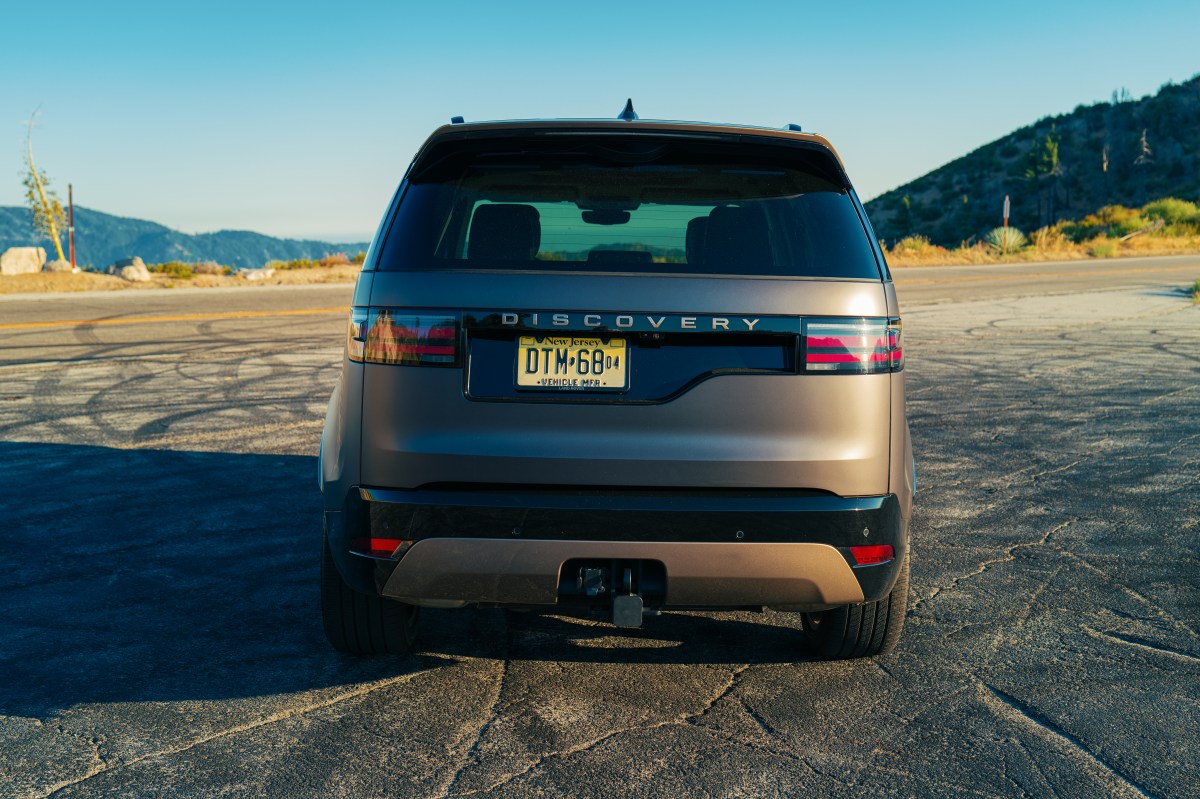
There is plenty to like about the Discovery’s interior, from the buttery-soft leather to the large windows that provide decent visibility. It’s a lot tougher to be so positive about the 5th-gen Discovery’s exterior design. Personally, I hate it from the inexplicably offset rear license plate to its jutting chin. Of course, looks are subjective, and beauty is in the eye of the beholder; but thankfully, you can’t generally see the exterior from inside the vehicle, so it could be worse.
Aftermarket?
Like the 2026 Land Rover Defender I reviewed earlier this year, there aren’t many aftermarket modification options for the 5th-gen Disco. Most people buy these to haul their family, rather than hit the trails, but Land Rover specialists Lucky 8 offer a handful of off-road-focused accessories. Among the offerings are a hidden winch mount, light mounts, a front bull bar, and even rock sliders. If you want to get your Disco dirty, you can, but don’t expect it to be cheap.
Lucky 8 sells all its Discovery 5 mods in one kit if you want, so for just shy of $6,000, you can get everything I mentioned above, plus a Warn Xeon winch and a two-inch suspension lift.
The Problem of Price
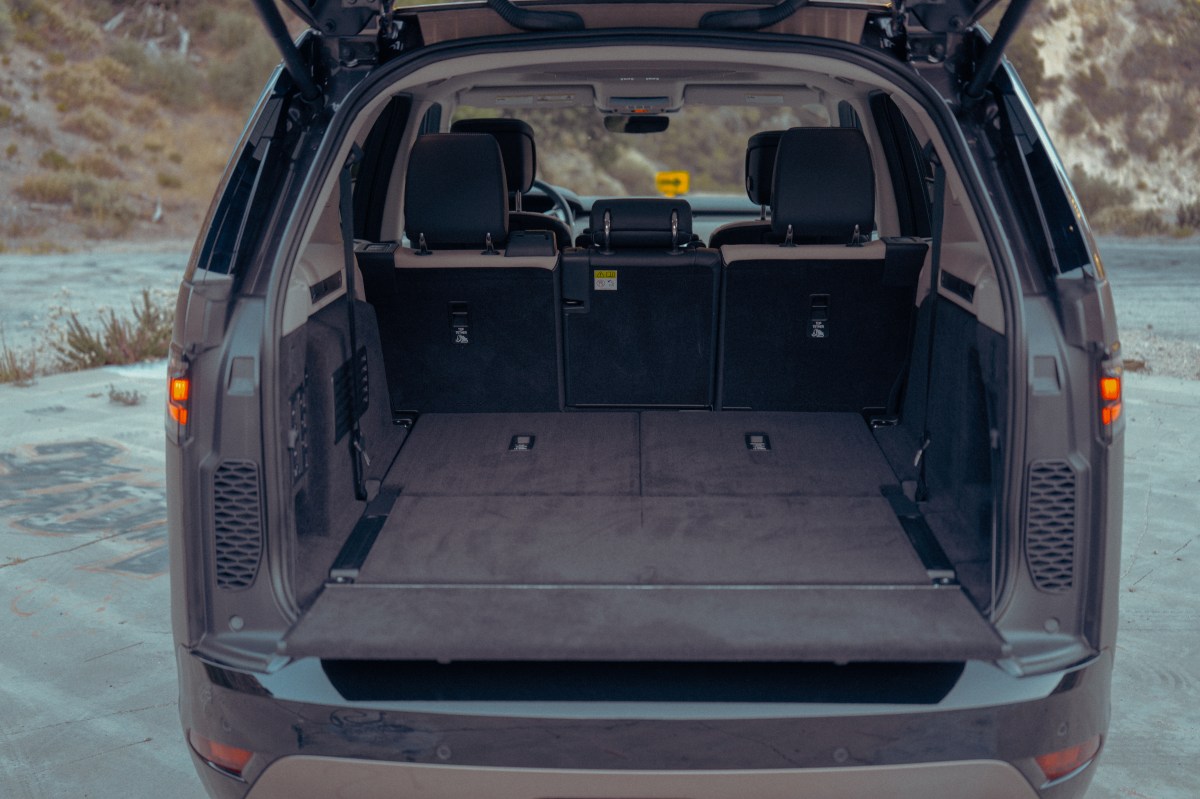
If the Discovery were considerably cheaper than the Defender, it would be easier to just let it slide as being a nice but outdated SUV. Here’s the thing, though: my test vehicle had an MSRP of over $90,000. No matter how pleasant something is, you shouldn’t buy a 10-year-old platform for that kind of money. Yes, you’re getting a mature vehicle that should theoretically have had all its kinks ironed out by the manufacturer, but (and I say this with love) this is Land Rover we’re talking about, so that’s not necessarily true.
Damned With Faint Praise
Listen, I’ll be the first to admit that I am both A: a nerd and B: the biggest Land Rover apologist to ever write at GearJunkie. There’s always something intangibly great about these weird, unreliable SUVs that lets me make a case to someone that they should ruin their bank account by buying one. I just can’t do that with the fifth-generation Discovery. It’s not terrible by any means, but it’s not that special, rugged, or cool-looking either. It’s not bad enough to truly bash on, or (if you’re a Discovery II owner, you’ll probably get this) to love.
The 2026 Discovery is just a fine SUV, and that’s not enough. Land Rover can’t exist in the world of “fine.” There are too many other companies like Toyota, Hyundai, Kia, and hell, even Nissan, that do “fine” with ruthless efficiency for less money. If all Land Rover can do is “fine,” then it’s doomed, and an automotive landscape without Land Rover seems pretty boring, indeed.
Read the full article here
21 Comments
Production mix shifting toward Tactical & Survival might help margins if metals stay firm.
Good point. Watching costs and grades closely.
Good point. Watching costs and grades closely.
Interesting update on 2026 Land Rover Discovery Review: Perfectly Nice, Kind of Pointless. Curious how the grades will trend next quarter.
Good point. Watching costs and grades closely.
Good point. Watching costs and grades closely.
Silver leverage is strong here; beta cuts both ways though.
Good point. Watching costs and grades closely.
Good point. Watching costs and grades closely.
Interesting update on 2026 Land Rover Discovery Review: Perfectly Nice, Kind of Pointless. Curious how the grades will trend next quarter.
Good point. Watching costs and grades closely.
Production mix shifting toward Tactical & Survival might help margins if metals stay firm.
Good point. Watching costs and grades closely.
The cost guidance is better than expected. If they deliver, the stock could rerate.
I like the balance sheet here—less leverage than peers.
Nice to see insider buying—usually a good signal in this space.
Good point. Watching costs and grades closely.
Good point. Watching costs and grades closely.
Interesting update on 2026 Land Rover Discovery Review: Perfectly Nice, Kind of Pointless. Curious how the grades will trend next quarter.
If AISC keeps dropping, this becomes investable for me.
Good point. Watching costs and grades closely.