

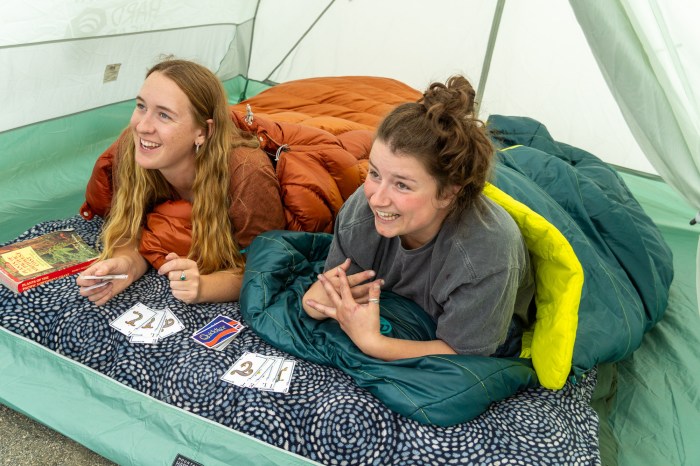
Mummy bags are all the rage for backpacking, but sometimes you need a bit more room to spread out. And where those bags prioritize weight and packability, the best camping sleeping bags go fully luxe.
In our latest lab session, testers Meghan LaHatte and Nick Belcaster logged more than 100 nights and 300 miles outdoors, testing five of 2026’s best new sleeping bags. Whether you’re after the roomy REI Co-op Siesta Hooded 20, the premium versatility of the Sea to Summit Basecamp 15, or the wallet-friendly nature of the Kelty Wayback 20, we’ve got an option for most anyone.
From the forests of the Pacific Northwest to Colorado’s alpine and the hills of Appalachia, we’ve put the entire market of sleeping bags to the test since 2021, and these are the ones we recommend today.
Editor’s Note: We updated our Camping Sleeping Bags guide on November 6, 2026 to rework all of our recommendations and make them easier to consult (and choose your next sleep setup).
The Best Camping Sleeping Bags of 2026
Best Overall Camping Sleeping Bag

REI Co-op Siesta Hooded 20
Best Budget Sleeping Bag
Kelty Wayback 20
Best Ventilating System Camping bag
Sea to Summit Ascent Sleeping Bag
Best Crossover for Camping and Backpacking
Therm-a-Rest Boost 650
Best Zipperless Sleeping Bag
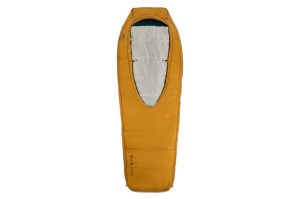
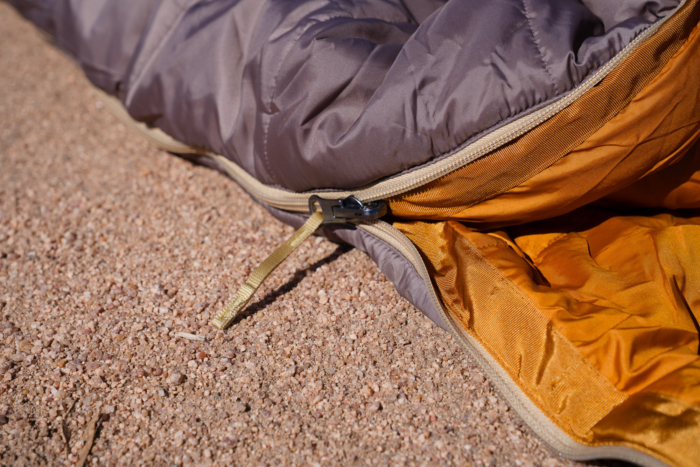
Kelty Eclipse 35
Best Premium Comfort Sleeping Bag
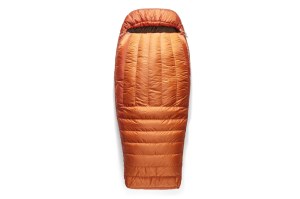
Sea to Summit Basecamp 15
Best Double Sleeping Bag for Couples & Families
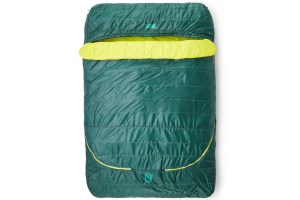
NEMO Jazz Double Sleeping Bag
See more picks
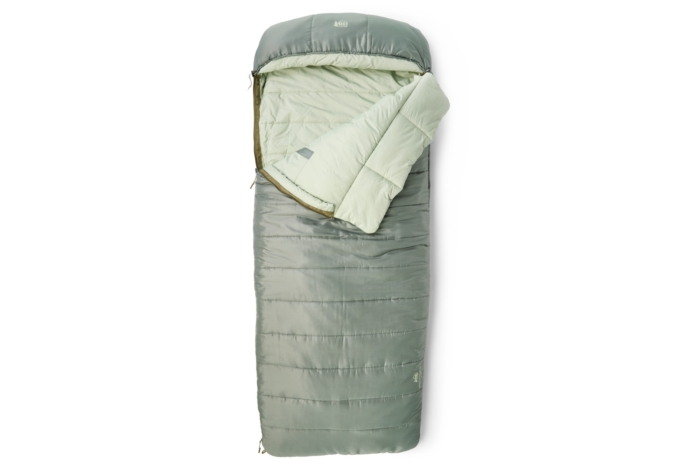
REI Co-op Siesta Hooded 20
-

-
(Photo/Meghan LaHatte)
-
(Photo/Meghan LaHatte)
-
(Photo/Meghan LaHatte)
-
(Photo/Meghan LaHatte)
-
(Photo/Meghan LaHatte)
Specifications
Pros & Cons
Pros
- Roomy headspace can accommodate a full-size pillow from home
- Affordable price for the quality and warmth
- Quilted design helps retain heat
- Low price
Cons
- Synthetic fill won’t compress as much as a natural down
- Zippers have tendency to snag
Bottom Line: A feature-rich, budget-friendly synthetic sleeping bag with a spacious rectangular cut and an oversized hood, making it an ideal choice for frontcountry car camping and short walk-in sites.
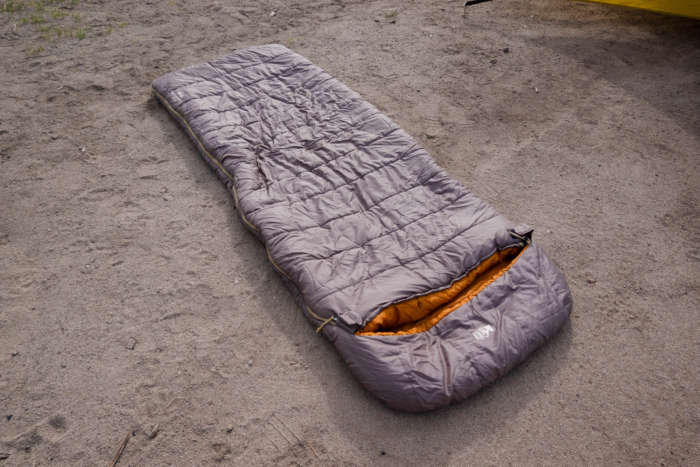
During crisp autumn overnights on Colorado’s Western Slope, tester Meghan LaHatte evaluated the REI Co-op Siesta Hooded 20 ($149) as overnight temperatures hovered between the upper 30s and low 40s. The synthetic bag delivered consistent, cozy insulation paired with impressive home-bed comfort. Designed with a wide profile, a dedicated pillow sleeve, and a partial side zipper for folding down the upper cuff, the Siesta Hooded 20 offers a plush sleep setup for campers and takes home our Best Overall award this year.
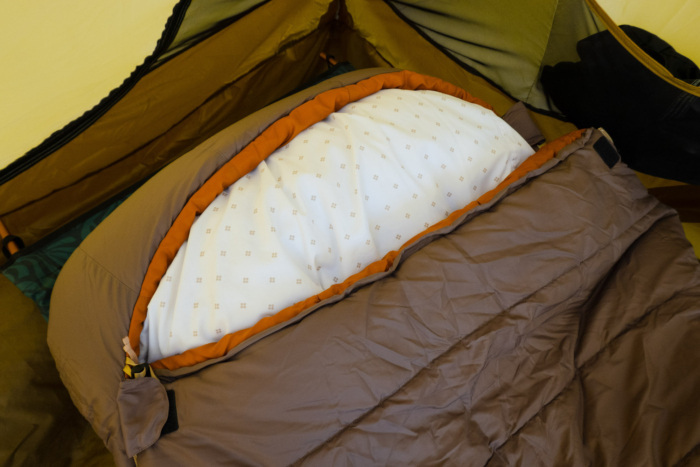
The Tech: REI constructs the Siesta Hooded 20 using Bluesign-approved recycled polyester synthetic fill encased in a durable polyester shell and lining. The 20-degree Fahrenheit model cuts a relaxed rectangular silhouette, and hosts an integrated pillow pocket within the hood that’s wide enough to fit your pillow from home, a primary side zipper (plus secondary fold-down zipper on the opposite side), quilted baffle construction, and an adjustable drawcord hood.
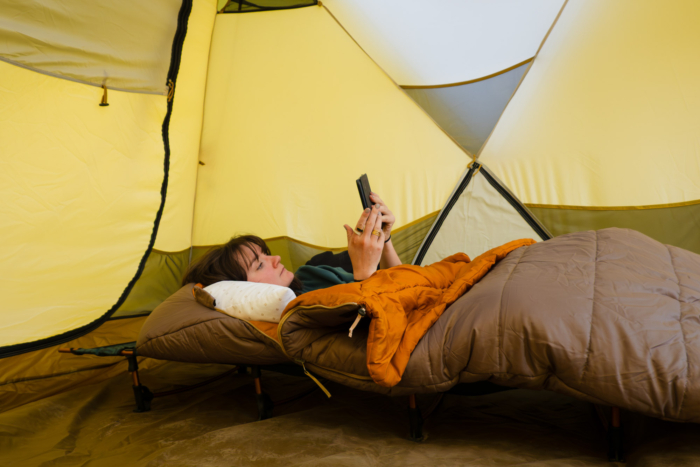
What We Like: The bed-like comfort, savvy features, and affordable price. LaHatte noted that wearing basic fleece layers kept her perfectly temperature-neutral all night, while the oversized hood easily held a standard pillow from home. The secondary short zipper allows users to fold down the top draft cuff like a household comforter for late-night reading or ventilation without exposing yourself to chilly air.
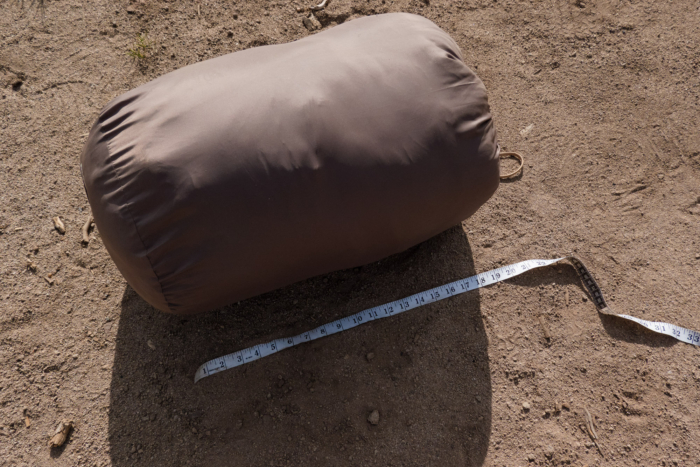
What We Don’t: The synthetic insulation and thick shell fabrics create a pretty bulky package that limits the bag strictly to car camping or short walk-in sites rather than any sort of backpacking. Additionally, despite some protective backing material, we found that the main zipper track occasionally snags on the interior shell fabric during quick pulls.
Should You Buy It? For frontcountry campers, weekend road-trippers, and outdoor enthusiasts seeking maximum comfort without spending down-bag prices, the Siesta Hooded 20 is a fantastic choice.
Kelty Wayback 20
-
-
(Photo/Ian Graber-Stiehl)
-
(Photo/Ian Graber-Stiehl)
-
(Photo/Ian Graber-Stiehl)
-
(Photo/Ian Graber-Stiehl)
Specifications
Pros & Cons
Pros
- Classic rectangle shape with some modern features
- Budget price
- Separate blanket is soft and cozy
- Flannel-lined interior
Cons
- Not as thermally efficient as a snugger-fit bag
- Packed size is a bit large
- Blanket isn't fully removable
Bottom Line: A plush, rectangular frontcountry sleeping bag combining a soft flannel lining and a built-in neck draft blanket for home-bed comfort at casual campsites.
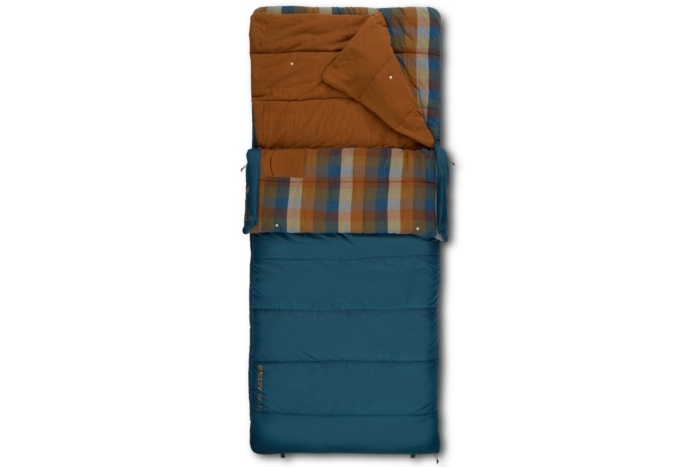
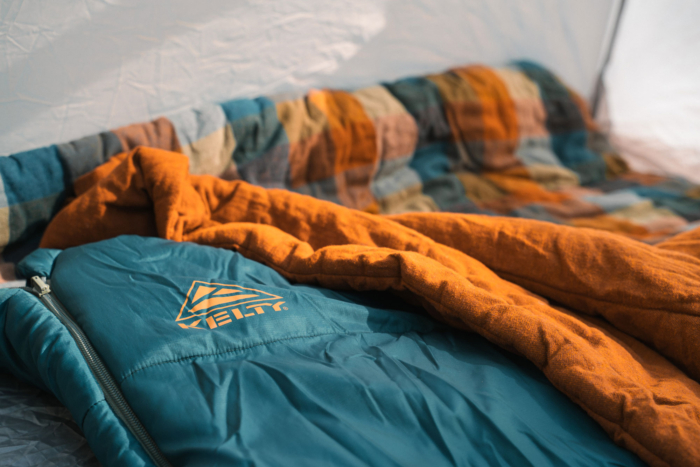
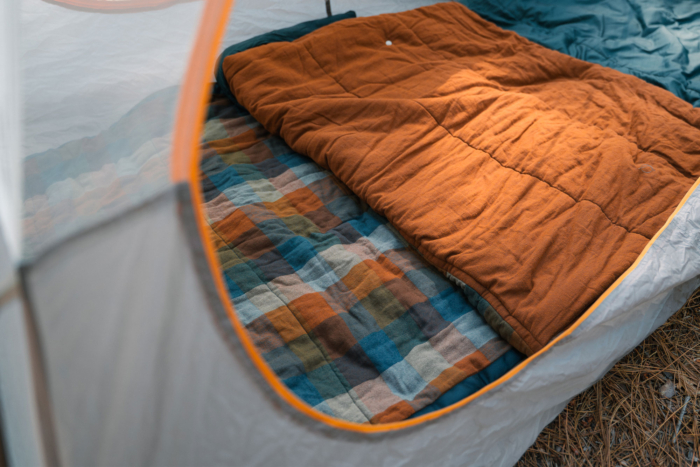
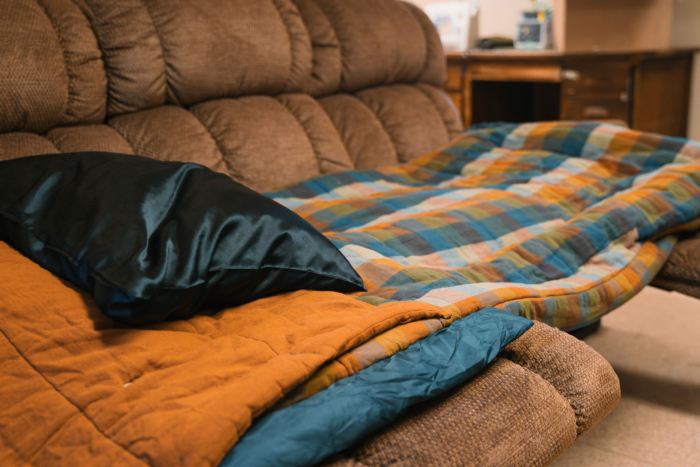
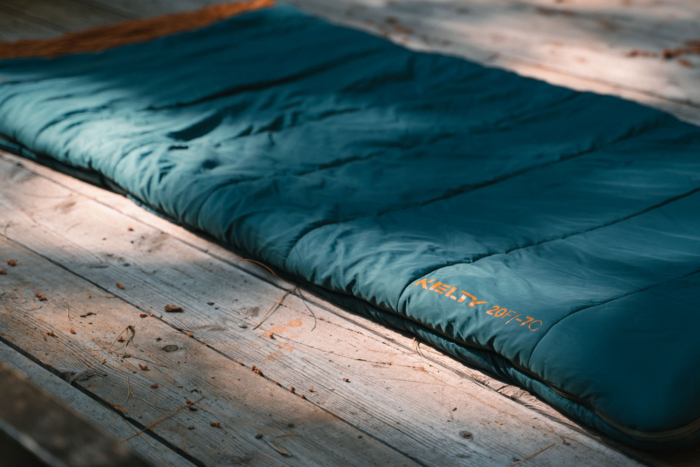
The Kelty Wayback 20 ($180) has some classic ‘cabin vibes’ appeal and a killer price. Built with a roomy rectangular cut and soft organic cotton flannel lining, the bag creates a cozy bed-like environment for frontcountry use. An integrated top blanket flap functions as an adjustable draft collar, allowing users to button it closed around the neck during chilly nights or fold it flat when temperatures rise.
The Tech: The Wayback 20 stuffs recycled Cloudloft Eco synthetic insulation in a 40-denier recycled ripstop nylon shell and an organic cotton flannel lining. Technical specifications include a 6-pound trail weight, an 82-inch length by 34-inch width profile, a primary side zipper paired with a secondary partial zipper for fold-down ventilation, a flannel-lined interior smartphone stash pocket, and a button-in neck blanket.
What We Like: Over the course of 100 testing nights across road trips, lake overnights, and wildland firefighting barracks, tester Ian Graber-Stiehl praised the soft flannel interior for providing an inviting, home-like feel against the skin. The spacious rectangular shape easily accommodates stomach and side sleepers, while the integrated phone pocket keeps electronics warm to preserve battery life in cold weather. The price is also competitive, and the comfort-per-dollar rate is excellent.
What We Don’t: The synthetic fill and thick cotton fabrics create a fairly massive 30-plus-liter packed size that restricts the bag strictly to vehicle trunks (or canoe trips). Furthermore, we found the 20-degree rating to be a bit optimistic; without a hood, heat escapes easily near freezing without extra headwear. Like most rectangular bags, the far corners can get cold when temperatures dip.
Should You Buy It? For frontcountry campers, cabin weekenders, and road-trippers who value a plush, blanket-like comfort, the Kelty Wayback 20 is an exceptionally cozy option. While backpackers and cold sleepers will require lighter, hood-equipped down mummies, casual campers will find it a delightful retreat.
Sea to Summit Ascent Sleeping Bag
-
-
Sea to Summit Ascent sleeping bag; (photo/Will Brendza)
-
(Photo/Will Brendza)
-
(Photo/Will Brendza)
-
(Photo/Will Brendza)
-
Sea to Summit Ascent sleeping bag; (photo/Will Brendza)
-
(Photo/Will Brendza)
-
(Photo/Will Brendza)
-
(Photo/Will Brendza)



Specifications
Pros & Cons
Pros
- Extremely warm
- Dynamic free-flow zipper system
- Made with water-resistant Ultra-Dry down
- Zips together with other Sea to Summit Ascent bags
Cons
- The phone pocket does not fit all sizes of phones
- The hood is wide and comes off somewhat easily
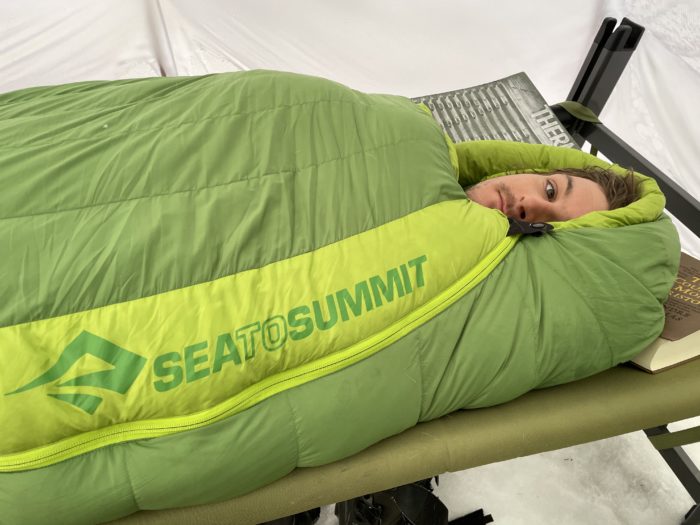
Bottom Line: A highly adaptable 750-fill down sleeping bag with a versatile Free-Flow triple-zipper system that allows campers to convert a technical cold-weather mummy into a ventilated, wearable duvet.
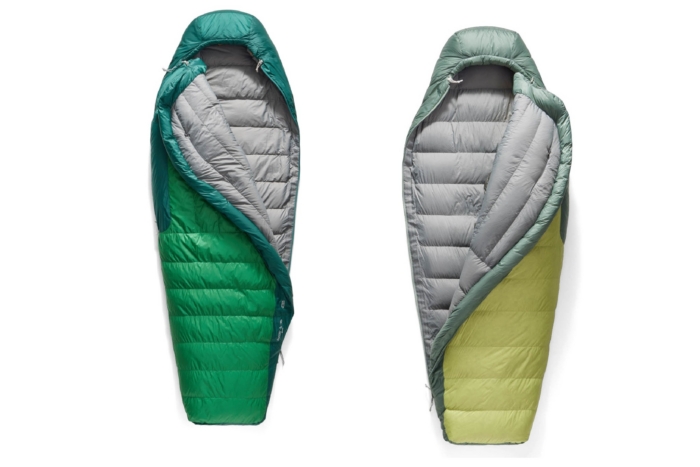
The Sea to Summit Ascent ($399–$499) has on-board climate control, making it one of the most versatile sleep systems on the trail. Built with a relaxed mummy silhouette, the bag balances thermal efficiency with room to sleep naturally in any position. Its Free-Flow triple-zipper architecture (combining a full-length main side zip, a half-length secondary zip, and a standalone footbox zip) allows users to dump excess heat, transform the bag into an open quilt, or slide their feet out to wear the bag around camp.
The Tech: The Ascent is constructed using 750+ fill power Ultra-Dry down treated with a water-repellent treatment, all wrapped in a 20-denier recycled nylon shell. Highlights include that Free-Flow triple-zipper setup, mixed baffle mapping (vertical baffles across the chest to prevent down shifting alongside horizontal lower baffles), an oversized draft collar with a zipper draft tube, an internal zippered stash pocket, and full zipper compatibility for pairing with other Sea to Summit models.
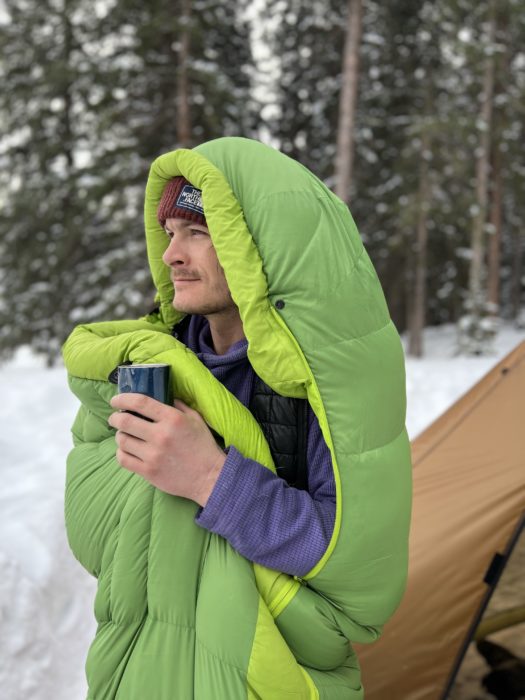
What We Like: Unrivaled ventilation options, robust draft protection, and water-resistant down performance. Tester Will Brendza evaluated the zero-degree Ascent during freezing winter tent camps and ski-area overnights where temperatures plummeted toward zero. Brendza praised how the vertical chest baffles kept insulation locked over his core, while the footbox zipper allowed him to step straight into his boots and wear the bag around camp to brew morning coffee. Even when frost and tent condensation soaked the shell, the treated Ultra-Dry down maintained its loft without clumping.
What We Don’t: With so many zippers, there are more future failure points, and so you’ll need to treat them all with care (and maybe a little zipper lube from time to time). Additionally, the interior phone pocket runs small and fails to fit larger modern smartphones, while the wide hood can occasionally slip off during active night tossing if not cinched down.
Should You Buy It? Campers who appreciate customizable airflow and wearable morning warmth will find this bag worth every penny, and it’s likely the best ‘wearable’ sleeping bag on the market.
Therm-a-Rest Boost 650
-
-
(Photo/Erika Courtney)
-
(Photo/Nick Belcaster)
-
(Photo/Nick Belcaster)
-
(Photo/Nick Belcaster)
-
(Photo/Nick Belcaster)
-
(Photo/Nick Belcaster)
Specifications
Pros & Cons
Pros
- Convertible zipper opens up the bag for room, or closes for more warmth
- Down insulation mapped out across the bag to consolidate warmth
- YKK anti-snag zippers
- Wide size range
Cons
- Armholes seem unnecessary
- Bit heavy for weight-conscious backpacking
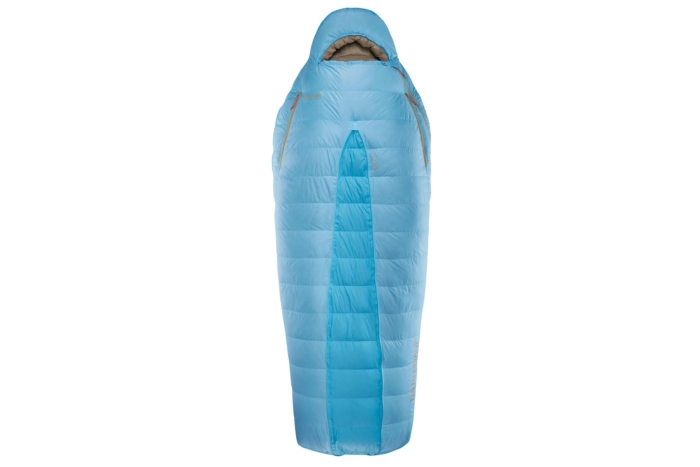
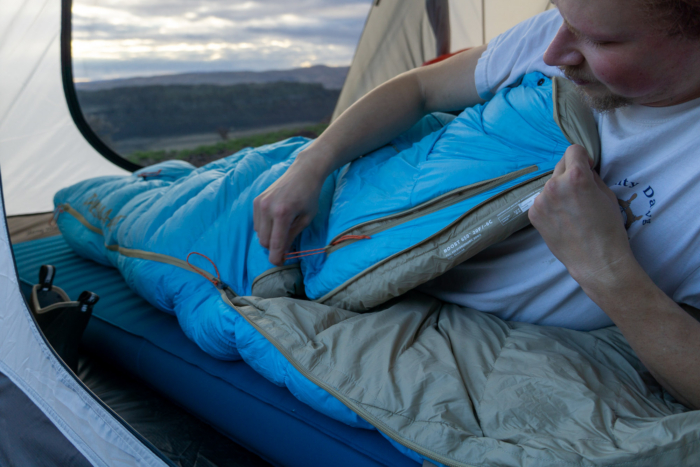
Bottom Line: A versatile crossover down sleeping bag with a central expansion panel that transforms from a snug 20-degree technical mummy into a roomy 32-degree semi-rectangular bag for car camping or mild trail nights.
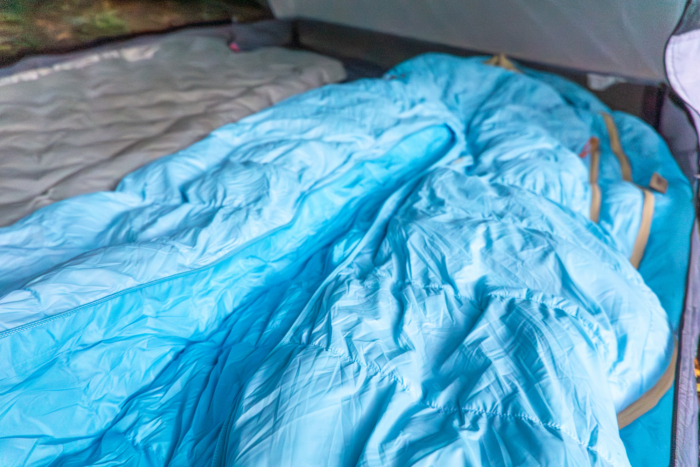
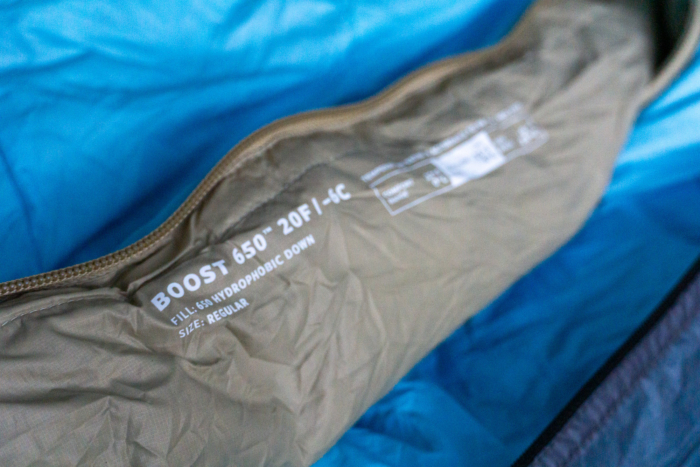
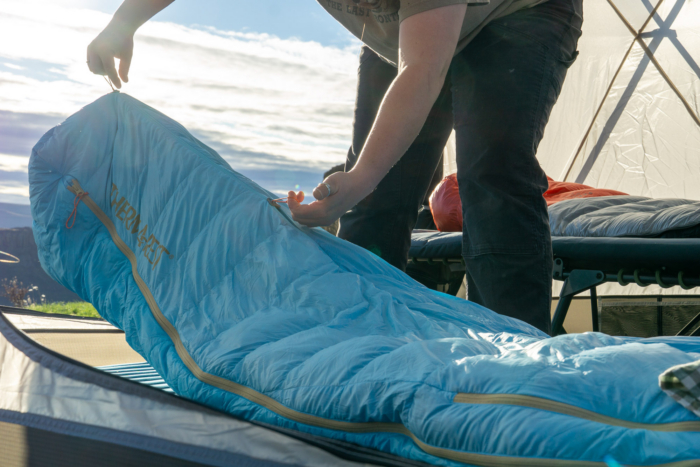
During a multi-day testing stint in the Cascades, tester Erika Courtney evaluated the Therm-a-Rest Boost 650 ($340) across shifting mountain temperatures, finding the central ‘WarmZip’ expansion system far more intuitive than traditional side-zipper designs. By combining a flexible volume-adjusting center panel with wearable arm slots, the Boost 650 seamlessly bridges the gap between technical backpacking requirements and frontcountry campsite livability.
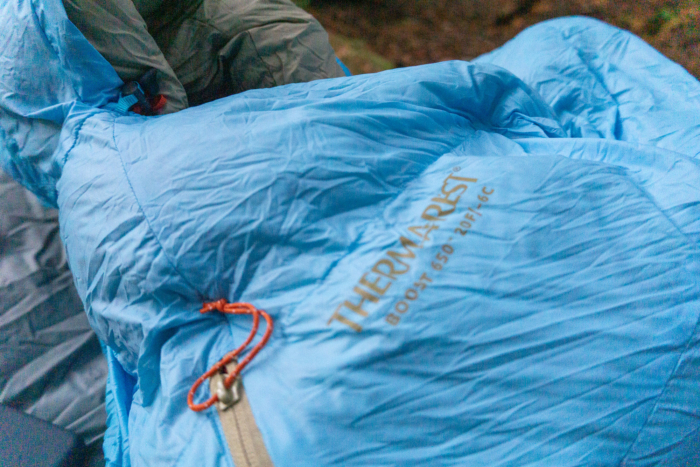
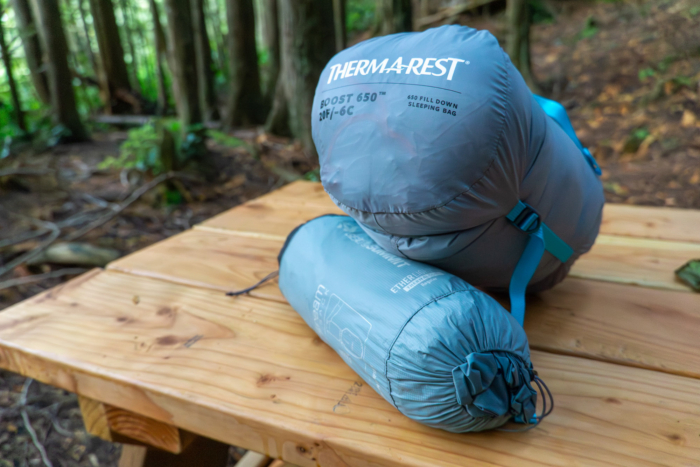
The Tech: The Boost 650 is built around 650-fill power Nikwax Hydrophobic Down encased in a soft 20-denier recycled nylon shell with a DWR finish. Specifications include a 2-pound, 11-ounce regular weight, dual temperature capability (20-degree closed mummy, 32-degree expanded semi-rectangular), a center WarmZip expansion baffle, zippered arm outlets for wearable use around camp, SynergyLink pad connectors (to affix the bag atop your sleeping pad), and included compression and storage sacks.
What We Like: It’s all about that central zipper on this bag, and we dig it. Expanding the central WarmZip thins the insulation layer across a wider baffle to lower thermal density for warmer nights, while zipping it closed snugs down tight to eliminate dead air space when frost hits. The integrated armholes allow campers to sit up and operate stove setups without leaving the bag’s warmth, while the 20-denier shell fabric offers a supple, bed-like feel against the skin. If you considered the Sea to Summit Ascent but wanted even more wiggle room, this is it.
What We Don’t: At 2 pounds, 11 ounces, the additional fabric and zipper hardware make it noticeably heavier and bulkier than real-deal backpacking sleeping bags. Furthermore, lower fill-power down requires a larger packed footprint inside your backpack, and the zippered arm hole system isn’t the best we’ve seen (that award goes to Sea to Summit Bags).
Should You Buy It? For campers seeking one versatile sleeping bag to handle both vehicle camping and multi-day backpacking trips, the Therm-a-Rest Boost 650 is an outstanding investment.
Kelty Eclipse 35
-
-
(Photo/Nick Belcaster)
-
(Photo/Nick Belcaster)
-
(Photo/Nick Belcaster)
-
(Photo/Nick Belcaster)
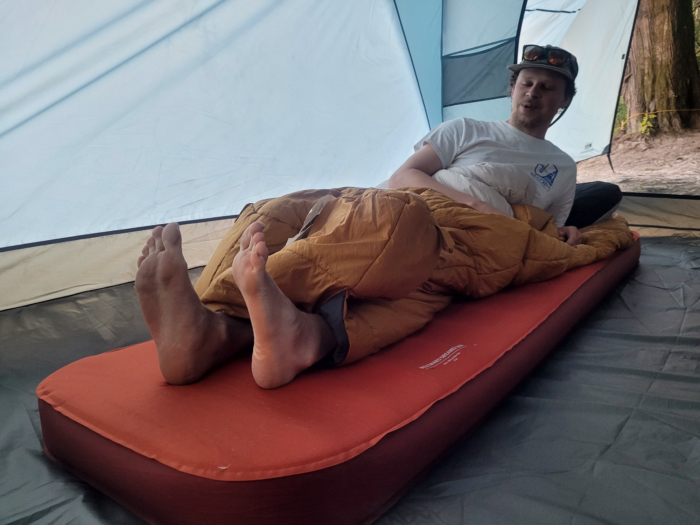
Specifications
Pros & Cons
Pros
- Integrated comforter is cozy and secure
- Self-sealing foot vent helps modulate temperature
- Durable shell and liner fabric choice
Cons
- A bit bulky and heavy when packed up
- Comforter attachment points can be difficult to get done up
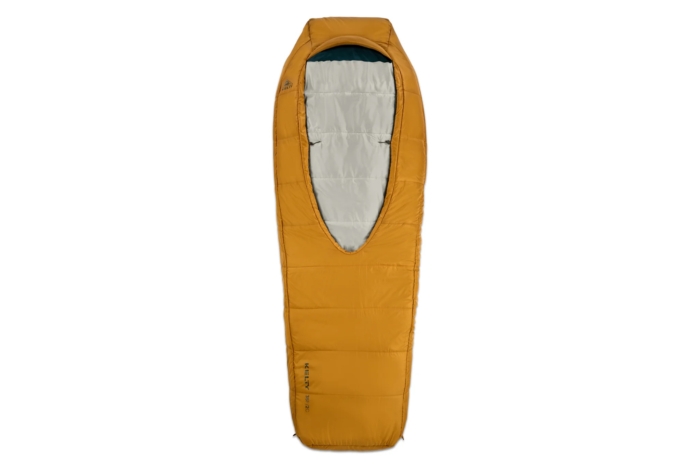
Bottom Line: A zipperless, blanket-style synthetic sleeping bag with an integrated comforter and self-sealing foot vent, offering home-duvet comfort for car campers who dislike claustrophobic mummy cuts.
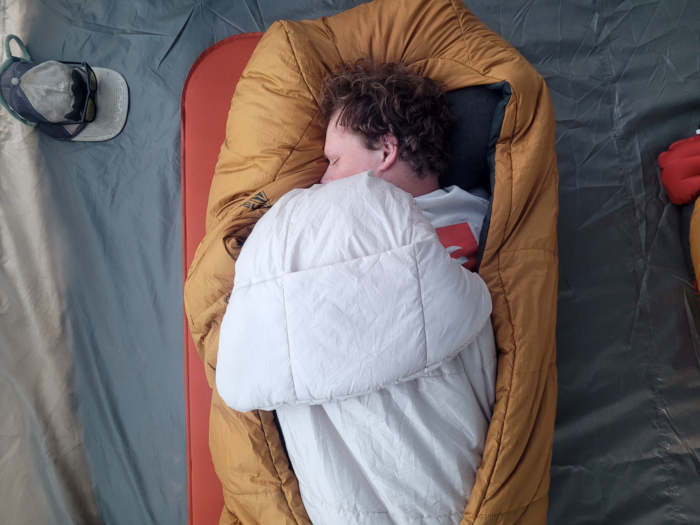
During a summer of car camping across Washington state, Senior Editor Nick Belcaster repeatedly grabbed the Kelty Eclipse 35 ($155) for trips where comfort was king and being cooped up inside a traditional bag wouldn’t fly. Ditching zippers entirely, this 65-inch-wide bag relies on an oversized comforter setup that eliminates snags and tight pressure points. The relaxed layout provides a bed-like experience under the stars, making it an ideal choice for frontcountry campers, side sleepers, and restless night tossers.
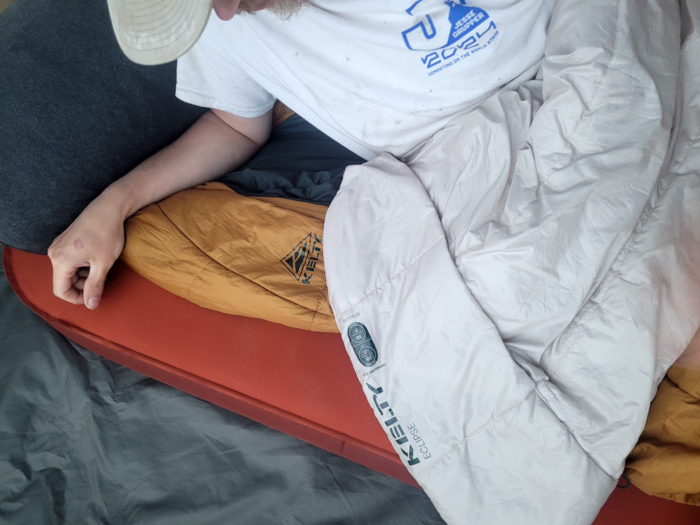
The Tech: There’s a lot of fun features tacked onto this bag, and Kelty constructs the Eclipse 35 using ThermaPro Eco recycled synthetic insulation wrapped in a 30-denier recycled polyester shell with a PFAS-free DWR finish. Specifications for the 35-degree model include a 3-pound, 10-ounce trail weight (with 2 pounds, 5 ounces of that being insulation), an accommodating 65-inch shoulder girth, a zipperless design with an integrated comforter flap, corner hand pockets on the blanket, a self-sealing foot vent for instant lower-body airflow, and an oversized hood designed to fit home pillows.
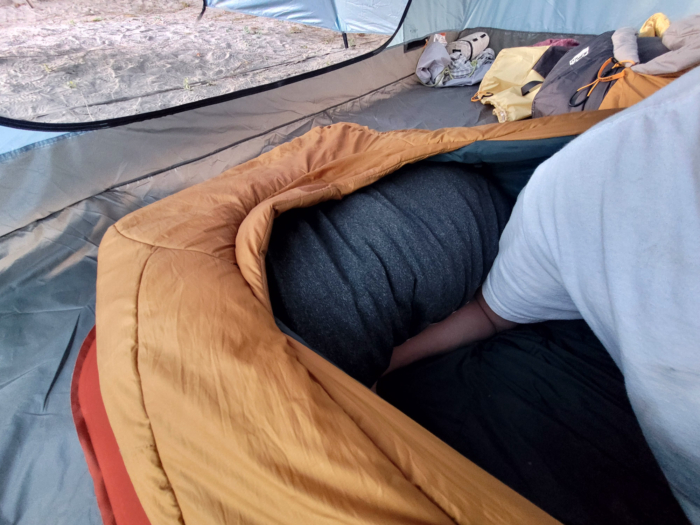
What We Like: Intuitive blanket-style wrap, snag-free entry, and clever ventilation options. Belcaster highlighted how the corner hand pockets in the integrated comforter worked in tandem with the shock-corded blanket tether to wrap insulation tightly around his shoulders during crisp mornings. Additionally, the self-sealing foot vent lets hot sleepers kick a foot out to regulate heat without completely unmaking their bed, while the dual-layer quilt construction prevents insulation from shifting or creating drafty thin spots.
What We Don’t: The heavy synthetic insulation and 3-pound, 10-ounce total weight create a bulky packed footprint that limits the bag strictly to vehicle-supported camping and short walk-in sites. Furthermore, without a full wrap-around zipper, draft control requires tucking the comforter tightly beneath your torso when temperatures drop toward the 35-degree lower limit. This isn’t the bag to test the limits in.
Should You Buy It? For frontcountry campers and side sleepers who want the cozy feel of a home duvet without paying premium down prices, the Kelty Eclipse 35 delivers impressive comfort for not much spend.
Sea to Summit Basecamp 15
-
-
(Photo/Erika Courtney)
-
(Photo/Erika Courtney)
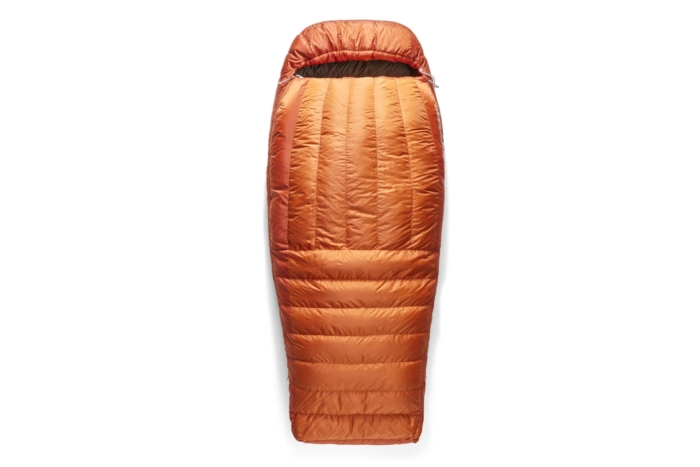
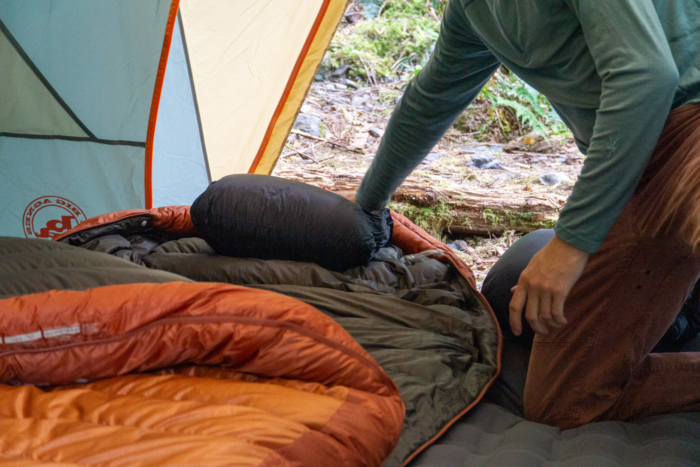
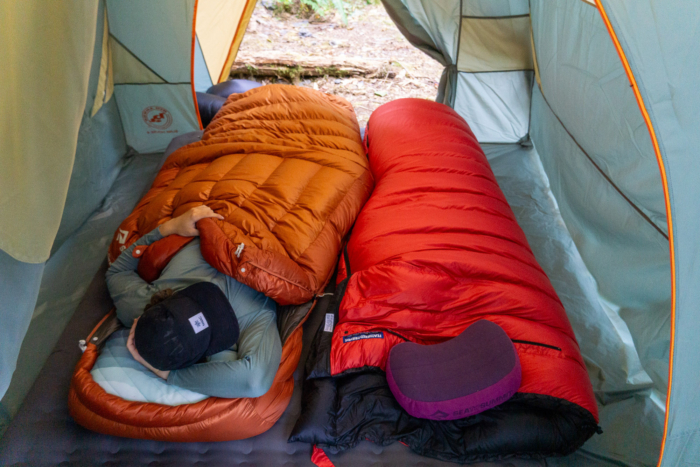
Specifications
Pros & Cons
Pros
- Very roomy fit with dual zippers for different venting options
- Quite warm for the shape with plenty of duck down
- Premium feature set
- Large hood can fit pillow from home
Cons
- Large packed size and weight
- On the pricier side
Bottom Line: A plush, exceptionally wide 15-degree down sleeping bag with a fully removable top quilt and wearable morning functionality, delivering home-bed comfort for car campers and road-trippers.
The Sea to Summit Basecamp 15 ($414) offers an expansive, comforter-like profile designed for sleepers who refuse to feel constrained at night. With a generous 75-inch width, the bag provides ample space to stretch out completely without creating tight pressure points against the shell. Smart zipper placement allows the entire top section to zip off for use as a standalone quilt, while integrated shoulder snaps enable arm-out morning mobility without sacrificing torso coverage.
The Tech: Sea to Summit builds the Basecamp with an astounding 1 pound, 13 ounces of non-PFAS DWR-treated 650-fill power down contained within a durable nylon shell. Technical specifications for the 15-degree model include a wide-cut rectangular profile, a mixed baffle layout (vertical torso baffles paired with horizontal lower baffles) to prevent down migration, dual full-length side zippers that fully detach the top quilt panel, shoulder snaps for armholes, and an oversized hood designed to fit home pillows. Functionally, it is like the Ascent bag widened and even warmer.
What We Like: Expansive interior volume, multi-configuration versatility, and heavy down fill. Senior Editor Nick Belcaster relied on the Basecamp as his primary car-camping setup throughout a Pacific Northwest summer, highlighting how the broad layout easily accommodated home pillows and natural sleeping movement. Belcaster also noted that the mixed baffle architecture held the dense 650-fill down securely in place, eliminating cold spots while camping near the bag’s lower temperature rating. This is one of the warmest camping bags we’ve ever tested!
What We Don’t: The high down weight and broad dimensions result in a heavier, bulkier footprint that restricts the bag to vehicle-supported adventures. Additionally, while far less expensive than boutique options like the Feathered Friends Penguin YF, the $414 price tag represents a significant investment compared to synthetic car camping alternatives like the REI Siesta Hooded. Finally, all of those zippers will need to be treated with care to ensure they go the distance.
Should You Buy It? For frontcountry campers, road-trippers, and side-sleeping starfishers seeking a luxurious, highly adaptable down sleep system, the Sea to Summit Basecamp 15 is an outstanding choice.
NEMO Jazz Double Sleeping Bag
-
-
(Photo/Xiaoling Keller)
-
(Photo/Xiaoling Keller)
-
(Photo/Xiaoling Keller)
-
(Photo/Xiaoling Keller)
Specifications
Pros & Cons
Pros
- Super comfortable and plush
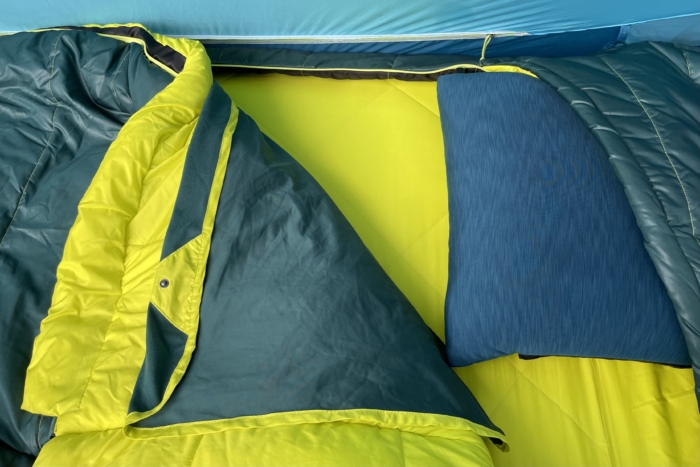
- Removable, washable, bed sheet attached with buttons
- Well designed
Cons
- Cumbersome to pack and carry
- Price
Bottom Line: A luxurious two-person synthetic sleeping bag equipped with an integrated pad sleeve, a removable bedsheet, and a pillow hood, offering unmatched home-bed comfort for car campers and overlanders.
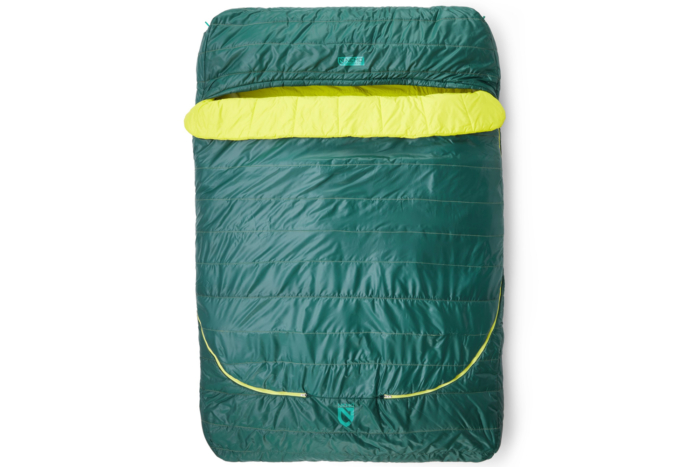
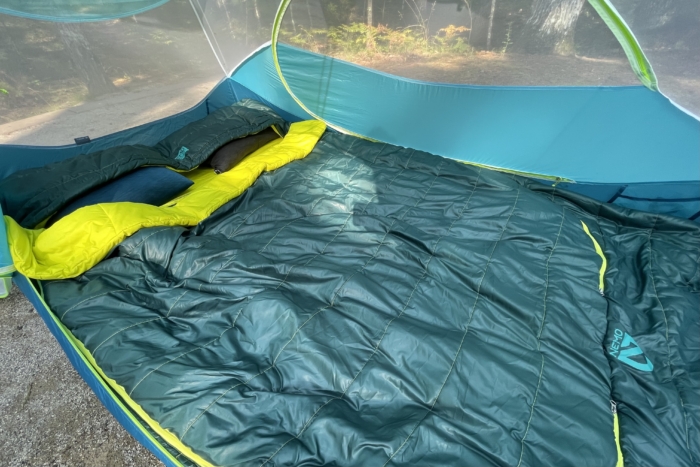
The NEMO Jazz 30 Double ($380) is an exceptionally cozy sleep environment for couples who prioritize comfort and the ability to snuggle. Built around a trapezoid shape that concentrates warmth across the center while reducing excess corner fabric, the bag combines featherbed-style quilting with plush draft controls. Dual side zippers allow each sleeper to manage their own ventilation independently, while an integrated pad sleeve holds double-wide sleeping pads securely underneath to eliminate midnight slipping.
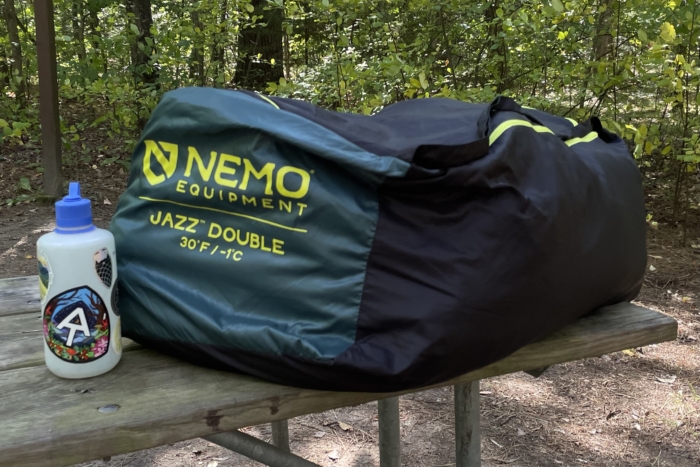
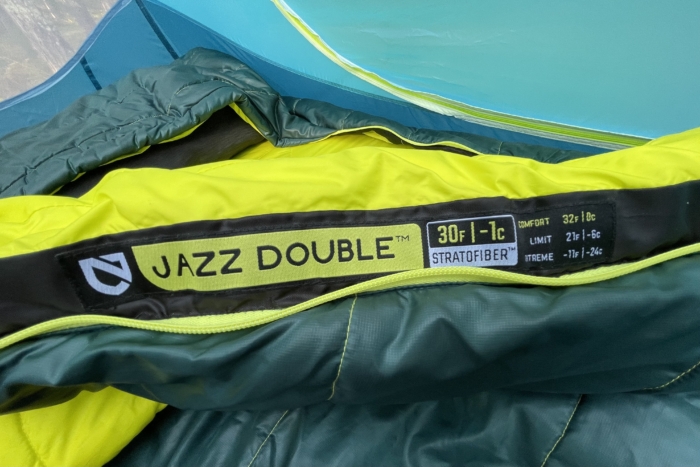
The Tech: NEMO constructs the Jazz Double with 100% recycled Stratofiber synthetic insulation wrapped in a 50-denier recycled polyester ripstop shell treated with a PFAS-free DWR finish. The 30-degree model is a portly 8-pound, 14-ounces (with 4 pounds, 10 ounces of that being fill), and hosts dual side zippers, a button-in removable 100% recycled polyester bedsheet, an integrated pillow sleeve hood, internal mesh storage pockets, a BlanketFold draft collar, and an included duffel-style storage bag.
What We Like: Tester Xiaoling Keller evaluated the Jazz Double across an extended season of car camping from summer through late autumn, noting that shared body heat paired with the BlanketFold draft collar kept sleepers warm even as temperatures dipped into the 20s. Keller also praised the soft, machine-washable bedsheet for its skin-friendly feel and highlighted how the pillow hood prevented pillows from sliding off onto the tent floor overnight. Of the few double-sized bags on the market, we think this one is the best.
What We Don’t: At nearly 9 pounds with a massive 138-liter(!) packed footprint, this bag is extremely bulky and restricted strictly to vehicle-supported camping, overlanding, or RV use. Additionally, the $380 price tag represents a significant investment for a car-camping setup.
Should You Buy It? For couples, road-trippers, and car campers looking to replicate the feel of a home mattress on the trail, the NEMO Jazz 30 Double is the gold standard for two-person sleep systems. Some may also consider the Feathered Friends Penguin YF, but for dedicated double-use, this is the way to go.
Other Sleeping Bags to Catch Some Zs In, Tested
While the seven award-winning sleeping bags above are our go-to choices, there are literally hundreds more we’ve tested over the years, and a number of excellent alternative bags we’d have no problem recommending. Check out our other suggestions below.
The North Face Wawona
-
-
(Photo/Meghan LaHatte)
Specifications
Pros & Cons
Pros
- Can zip with another Wawona bag to make a double bag
- Roomy shape works well for folks who toss and turn
- Upper fleece lining is soft on the face
Cons
- Polyester insulation less warming than natural
- Lack of hood may be bothersome for colder sleepers
Bottom Line: A budget-friendly, roomy square synthetic sleeping bag with soft touch points and a wraparound zipper, offering cozy car-camping comfort for warm-weather trips.
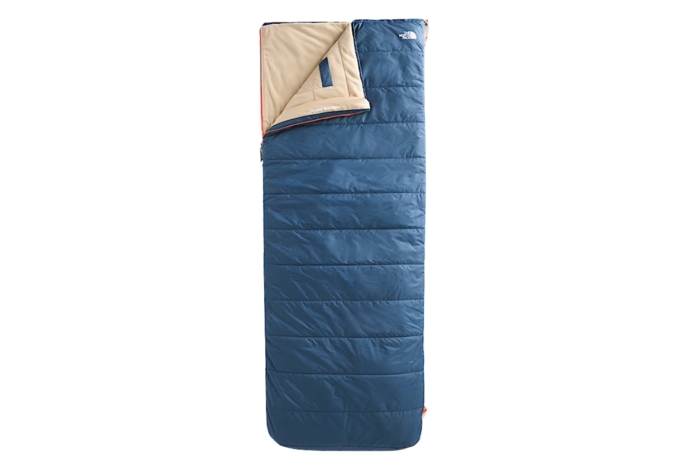
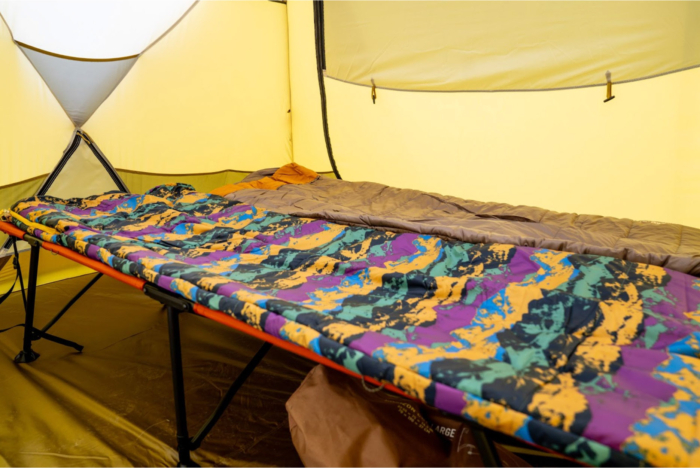
Tester Meghan LaHatte evaluated The North Face Wawona 20 Bed Sleeping Bag ($150) during Colorado nights when temperatures hovered in the mid-30s to 40s. As an active toss-and-turner, LaHatte appreciated the spacious square cut and wraparound zipper that prevented the bag from twisting up overnight. Designed for frontcountry car camping and weekend road trips, the Wawona 20 combines reliable synthetic warmth with soft, face-friendly liner fabrics for a cozy night under the stars.
The Tech: The Wawona Bed isn’t too flashy when it comes to tech, and is a durable synthetic insulation encased in a DWR-coated outer shell. That’s all wrapped in a rectangular silhouette, and trimmed with a fleece-lined upper collar for facial softness, durable full-length wraparound zippers with glow-in-the-dark pull tabs, the ability to zip together with another Wawona 20 bag to form a double bed, and a hoodless design.
What We Like: Generous interior room, snag-free mobility, and smart frontcountry details. LaHatte noted that wearing basic base layers kept her comfortable down into the mid-30s, while the DWR-coated exterior successfully repelled morning condensation and moisture. The glow-in-the-dark zipper pulls make nighttime tent navigation effortless, and the square shape pairs exceptionally well with camp cots.
What We Don’t: Like most rectangular bags, the lack of a hood allows body heat to escape more easily during colder nights, which was our primary complaint about this bag. Otherwise, it didn’t stand out in many other aspects, and the temperature rating felt a bit off in our testing (we’d suggest it’s more of a 30-degree bag).
Should You Buy It? For budget-conscious frontcountry campers, restless sleepers, and weekend road-trippers who prioritize a roomy, blanket-like feel over a technical hood, The North Face Wawona 20 is an affordable win.
The North Face Universal One Bag
-
-
(Photo/Nick Belcaster)
-
(Photo/Nick Belcaster)
-
(Photo/Nick Belcaster)
-
(Photo/Nick Belcaster)
-
(Photo/Nick Belcaster)
-
(Photo/Nick Belcaster)
-
(Photo/Nick Belcaster)
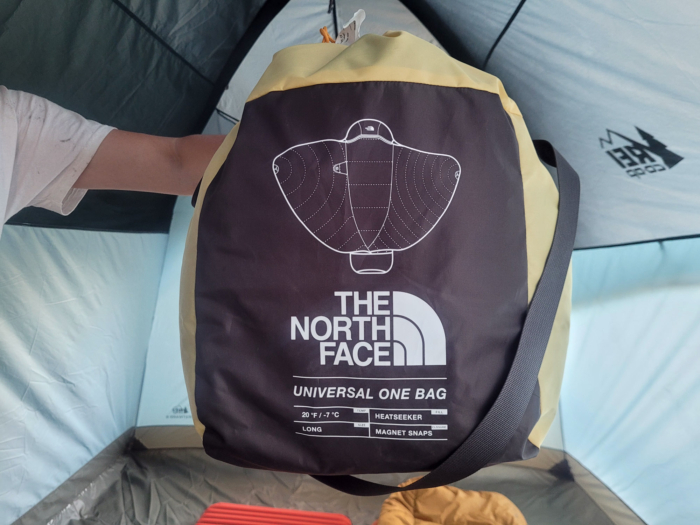
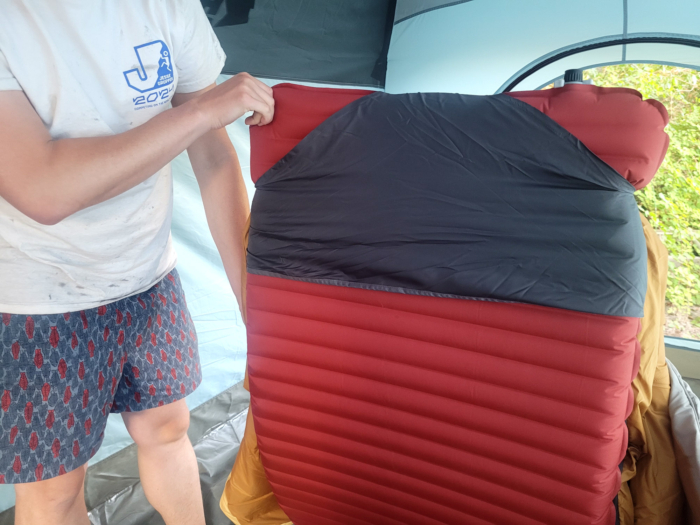
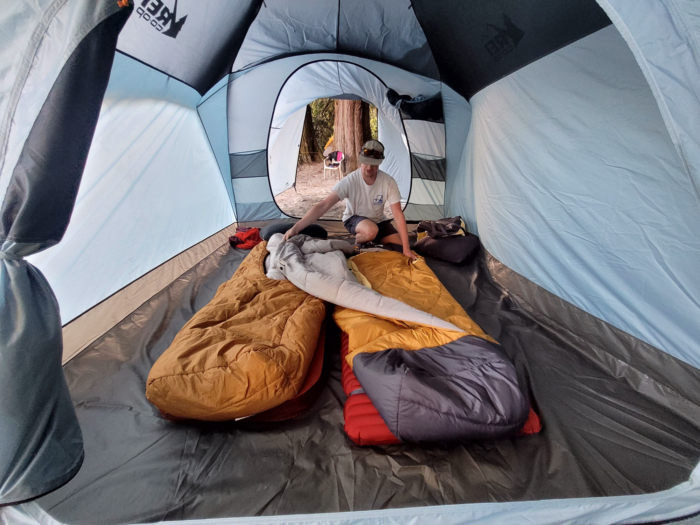
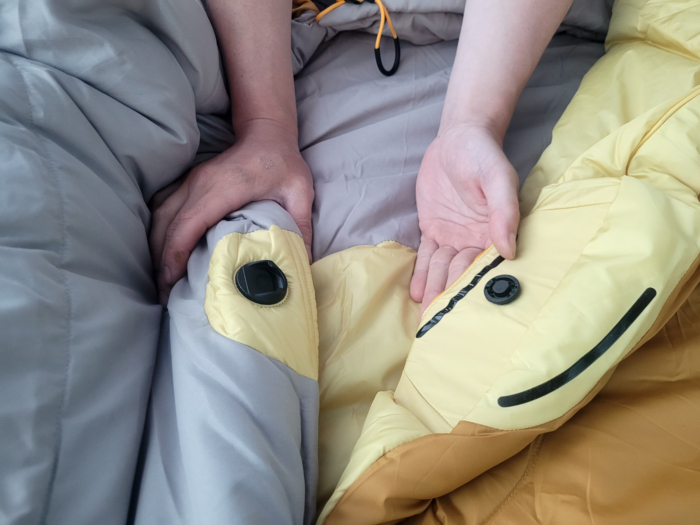
Specifications
Pros & Cons
Pros
- Very easy to get in and out of
- Fidlock closures are secure and self-seat
- Soft interior fabric is cozy
- Pad strap system locks the bag down
Cons
- More expensive than similar zipperless designs
- No way to entirely open the foot box
Bottom Line: An accessible, multi-configuration synthetic camp bag with an innovative zipperless layout with magnetic closures, tailored for campers seeking fuss-free entry and modular temperature control.
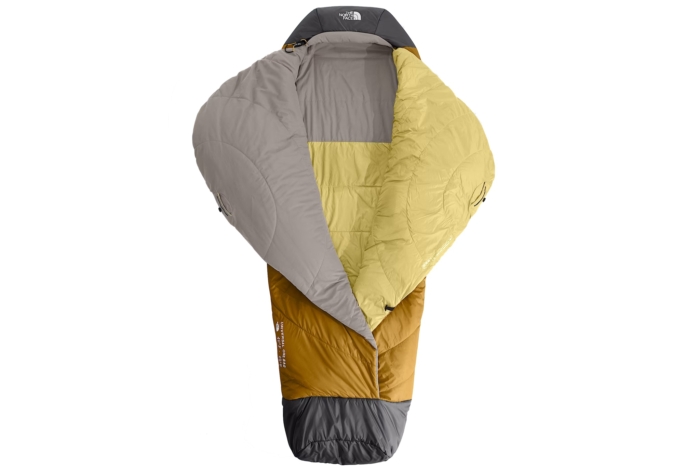
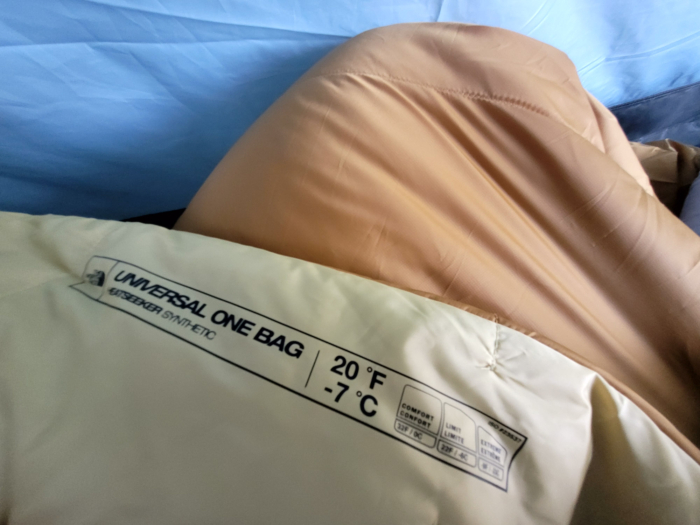
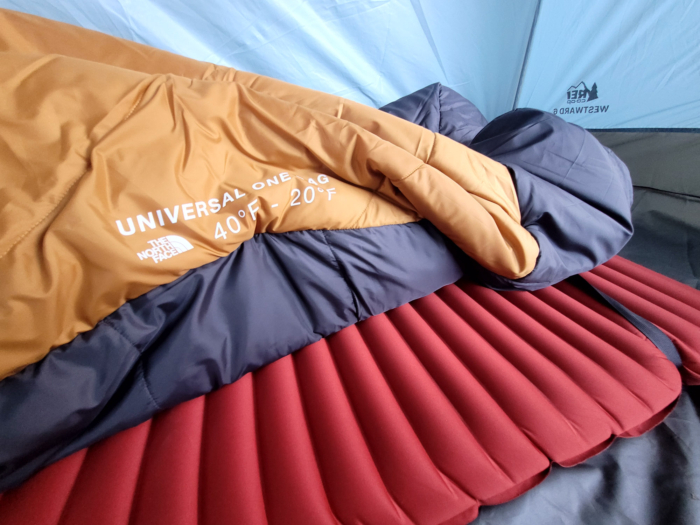
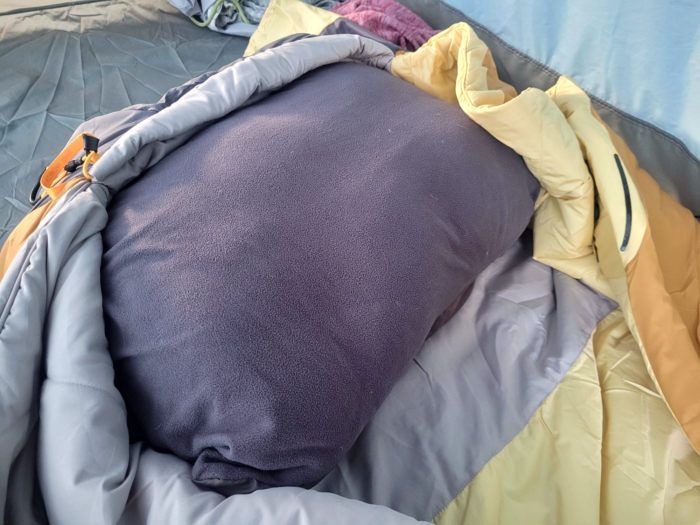
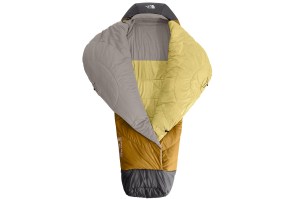
Senior Editor Nick Belcaster tested The North Face Universal One Bag ($270) through late summer, where it quickly stood out for its zero-fuss, adaptive design. Engineered around being mobility-friendly, the bag replaces traditional zippers with FIDLOCK magnetic fasteners and independent folding wings. This modular construction allows campers to adjust their insulation profile based on the season while eliminating zipper snags and tight entry points.
The Tech: There are plenty of novel choices on this bag, but the most interesting are the FIDLOCK magnetic clasps that close the insulated wings together. This makes for an almost hands-free closure, and the blankets stayed locked in even when twisting and turning. Otherwise, The North Face constructs the Universal One Bag with 2 pounds, 11 ounces of synthetic polyester insulation wrapped in a 30-denier recycled polyester shell with a non-PFC DWR finish (total weight: 4 pounds, 3 ounces). Those insulated wings provide three distinct warmth configurations (light summer, heavy autumn, or dual-layered), and even use different face fabrics on the blanket sides for cooler or warmer conditions.
What We Like: Accessible magnetic hardware, versatile wing layering, and soft interior fabrics. Belcaster praised the straight-tapered silhouette for providing ample room to shift positions, as well as the soft-touch lining that remains comfortable against bare skin. The pad strap system is also a breeze to use, and locks down the sleeping bag so you don’t need to worry about it wrapping around you in the night (often an issue with zipperless bags, such as the Kelty Eclipse).
What We Don’t: At over 4 pounds, the synthetic fill and heavy closure components create a bulky, heavy footprint strictly suited for car camping. Additionally, the $270 price tag sits significantly higher than simpler zipperless options like the Kelty Eclipse. It’s a pretty niche bag, however, so it does justify itself a bit.
Should You Buy It? For frontcountry campers, road-trippers, and outdoor enthusiasts with mobility or sensory considerations who want to bypass frustrating zippers, The North Face Universal One Bag is a pretty groundbreaking option.
NEMO Disco
Specifications
Pros & Cons
Pros
- NEMO's spoon-shape bag is uber-comfortable, especially for those who toss and turn or side-sleep
- Updated Thermo Gill vents help modulate temperature
- Oversized draft collar is cozy to tuck into
- Smart manufacturing choices mean this bag is 100% recyclable at end-of-life
Cons
- More of a backpacking bag, and might be more than you need for camping
- No footbox venting
Bottom Line: A fully recyclable, 100% recycled 650-fill down sleeping bag with a versatile spoon shape and zippered torso vents for effortless temperature control across multi-season trips.
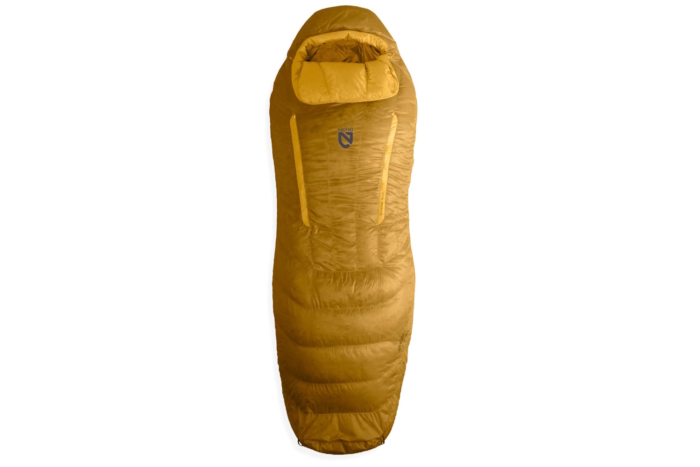
The NEMO Disco Endless Promise ($280) updates NEMO’s classic side-sleeper design with a fully recyclable construction without compromising performance. Laid out in an expansive spoon-shaped silhouette, the bag has generous room at the shoulders and knees while maintaining a tapered core to eliminate chilly dead air pockets. Zippered Thermo-Gill torso vents allow campers to dump excess body heat during mild summer nights or seal in warmth as temperatures drop.
The Tech: NEMO trims the Disco out using a 100% recycled PET shell and lining fabrics treated with a PFAS-free DWR, then filled with RDS-certified 650-fill power hydrophobic down. That build hits a 3-pound regular trail weight and includes dual zippered ‘Thermo-Gill’ torso vents, a 3D footbox, a BlanketFold draft collar, anti-snag zippers capable of pairing with opposite-zip models, and an included compression stuff sack.
What We Like: Exceptional side-and-stomach sleeping comfort, eco-friendly construction, and adaptable ventilation. Tester Mary Murphy evaluated the Disco 15 across varied backcountry and frontcountry trips, praising how the spoon cut comfortably accommodated a jutting knee for natural stomach sleeping. Murphy also highlighted the anti-snag zipper track and the ease of opening the Thermo-Gills to fine-tune her temperature without letting cold drafts into the footbox.
What We Don’t: Unlike bags with dual-way or standalone bottom zippers, the Disco lacks a dedicated footbox vent to let hot feet breathe on warmer nights. Additionally, while far lighter than pure car-camping bags, its 3-pound trail weight sits slightly higher than minimalist, narrow mummy options.
Should You Buy It? For side sleepers, restless toss-and-turners, and environmentally conscious hikers seeking one versatile down bag to bridge backcountry backpacking and weekend car camping, the NEMO Disco Endless Promise is an ideal choice.
Feathered Friends Penguin YF 20
-
-
(Photo/Erika Courtney)
-
(Photo/Erika Courtney)
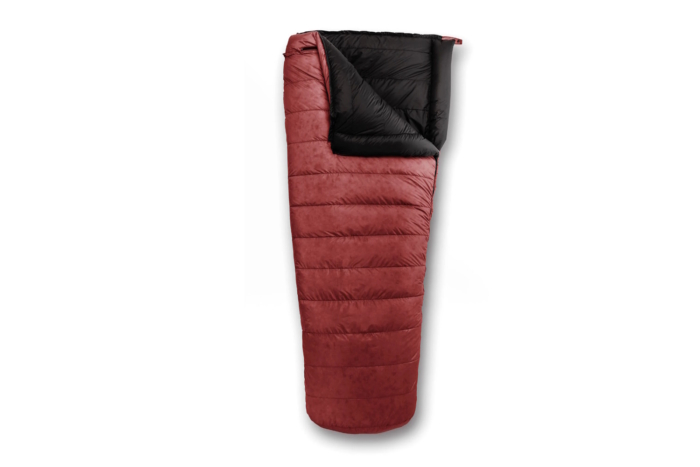
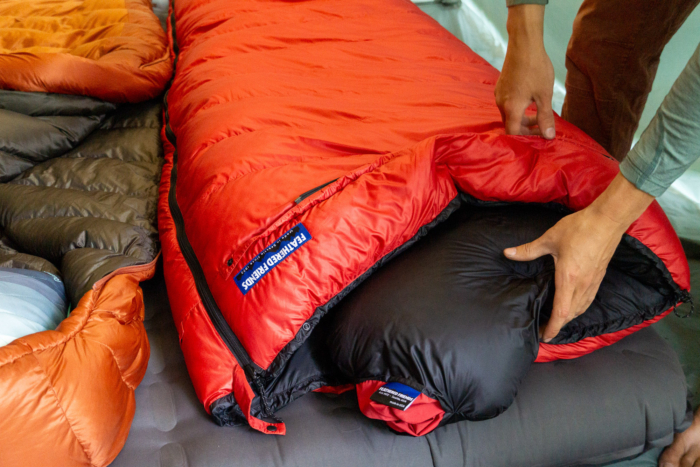
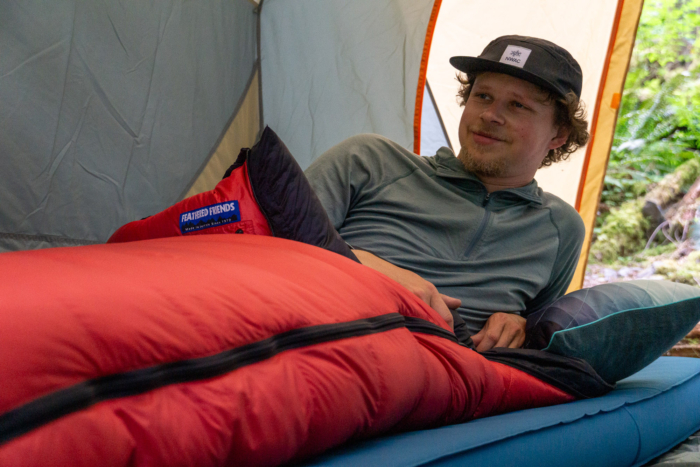
Specifications
Pros & Cons
Pros
- Impressively overstuffed with 1 lb. + of goose down
- Can be converted into a sleeping bag for two
- Option to take or leave hood based on needs
- Pertex shell is slick and soft feeling
- Twin zipper baffles locks out drafts
Cons
- Quite pricey, with additional kit needed to turn into a two-person bag
- Packed size is a bit large at 17 liters
Bottom Line: An ultra-luxurious, semi-rectangular 900+ fill power down sleeping bag that delivers massive loft and converts into a two-person quilt system when paired with an optional groundsheet.
The Feathered Friends Penguin YF ($619) brings high-end materials to a frontcountry design. Built with premium goose down and durable shell fabrics, the semi-rectangular cut offers generous elbow room for active toss-and-turners while tapering slightly at the feet to keep warmth where you need it. Beyond its plush single-sleeper setup, the bag unzips flat to integrate with an optional groundsheet and hoods, creating a fully modular two-person sleep system for couples.
The Tech: This is truly a high-powered bag when it comes to tech, and the Penguin YF packs in 900+ fill power RDS-certified goose down wrapped in a YF (YKK Pertex Quantum) 20-denier nylon shell. Technical specifications for the 20-degree Fahrenheit regular model include a 2-pound, 10-ounce total weight (1 pound, 8.5 ounces of down fill), a massive 7 inches of loft, dual wrap-around draft tubes, a full perimeter zipper, and compatibility with optional snap-in hoods ($84 each) and a two-person ground sheet ($114).
What We Like: An unrivaled loft-to-weight ratio, exceptional draft sealing, and modular co-sleeping capability. During early spring testing in the high desert around Joshua Tree, the 900+ fill down stayed super warm without feeling heavy or oppressive, and Senior Editor Nick Belcaster claimed it was the warmest 20-degree camp bag he’s ever tucked into. The twin draft tubes prevent cold air from sneaking past the zipper track, while unzipping the bag flat and pairing it with the pad-anchored groundsheet creates a seamless, draft-free double quilt setup for two.
What We Don’t: Fully outfitting the bag for double occupancy with two optional hoods and the groundsheet pushes the total system price above $800. Additionally, because the standard hood is sold separately, single campers must purchase the accessory to achieve full cold-weather mummy coverage.
Should You Buy It? For frontcountry campers, overlanders, and couples seeking the absolute pinnacle of down quality, interior comfort, and multi-use versatility, the Feathered Friends Penguin YF is a lifelong investment. While simpler synthetic bags are less expensive, those who want top-tier 900+ fill-power down performance in a spacious cut will love this bag.
Sleeping Bag Comparison Chart

REI Co-op Siesta Hooded 20 |
Kelty Wayback 20 |
Sea to Summit Ascent Sleeping Bag |
Therm-a-Rest Boost 650 |
Kelty Eclipse 35 |
Sea to Summit Basecamp 15 |
NEMO Jazz Double Sleeping Bag |
The North Face Wawona |
The North Face Universal One Bag |

NEMO Disco |

Feathered Friends Penguin YF 20 |
|
|---|---|---|---|---|---|---|---|---|---|---|---|
|
Compare |
|
|
|
|
|
|
|
|
|
|
|
|
Price |
$149 |
$180 |
$399 |
$340 |
$155 |
$414 |
$380 |
$130 |
$270 |
$280 |
$619 |
|
Shell fabric |
Recycled polyester, Bluesign approved |
Recycled 40D nylon ripstop |
20D recycled nylon |
20-denier ripstop nylon |
30D recycled polyester body; 50D recycled polyester liner |
100% RCS recycled polyester |
50-denier 100% recycled polyester ripstop w/ C0 DWR |
50D recycled polyester ripstop With non-PFC DWR |
70D nylon taffeta |
Recycled polyester ripstop with C0 DWR finish |
Pertex YFuse nylon |
|
Available temperature ratings |
20°F (tested) |
20°F (tested) |
15, 30°F (tested) |
20 (tested), 32°F |
35°F (tested), 15°F |
15°F (tested) |
30°F |
20°F (tested), 35°F |
20°F |
15 (tested), 30°F |
10, 20 (tested), 30, and 40°F |
|
Available sizes |
Medium (tested), Medium Wide, Long, Long Wide |
Regular |
Regular and Long |
Short, Short Wide, Regular (tested), Regular Wide, Long, Long Wide |
Short, Regular, Long |
Regular (tested), Long |
Double |
Regular and Long |
Short, Long (tested) |
Men's (tested) and Women's; Regular and Long |
Regular (tested) and Long |
|
Tested packed volume |
17.7 L |
37 L |
8.5L |
14.5 L |
22 L |
14 L |
138 L |
27 L |
22.5 L |
6.4 L |
17 L |
|
Tested weight |
5 lbs., 5 oz. |
6 lbs. |
1 lb., 12 oz. |
2 lbs., 11 oz. |
3 lbs., 12.2 oz. |
4 lbs., 0.3 oz. |
9 lbs., 5 oz. |
4 lbs., 14.3 oz. |
5 lbs. |
2 lbs., 11 oz. |
2 lbs., 10.8 oz. |
|
Insulation |
98% recycled polyester/2% polyester |
Recycled Cloudloft Eco |
750+ fill Ultra-Dry down |
650 fill-power hydrophobic duck down |
Thermapro Eco synthetic insulation |
650 FP duck |
Synthetic 100% recycled Stratofiber |
100% polyester fiber batting |
Heekseeker synthetic polyester |
650 fill-power duck down |
900+ FP Goose down |
How We Tested the Best Camping Sleeping Bags
For this comprehensive guide, our Buyer’s Guide team leveraged a collective decade of experience and hundreds of nights in the dirt. Our current rankings are built on 45+ sleeping bags tested, a diverse team of eight testers, and a regimen that demands three separate bench tests before these bags even hit the dirt. Then, they’re in for a solid week of testing overnights before we render a verdict.
Our Testing Process & Testing Grounds
1. Backcountry & Campground Field Testing
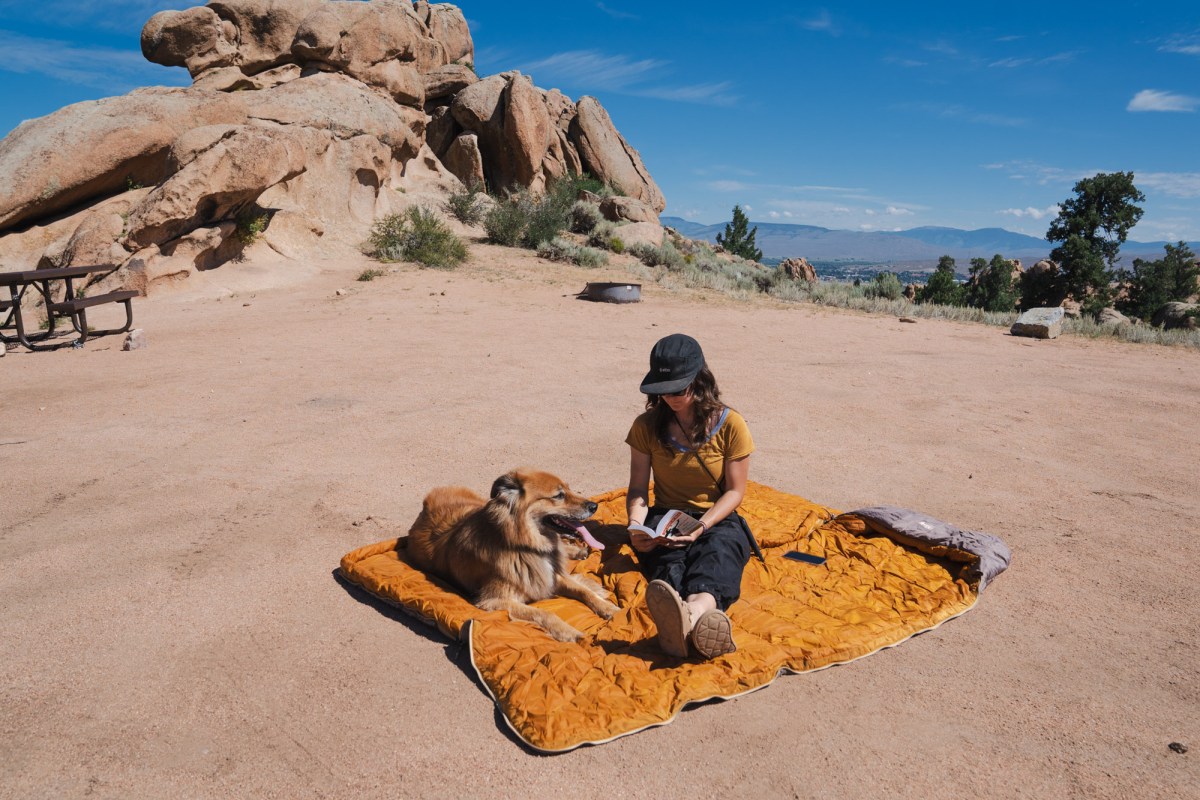
To ground-truth manufacturer claims, our team took these bags into the wild, ranging from 35°F nights in camping tents in Washington state to mid-40s Colorado evenings in rooftop canopies. We didn’t just guess the temperature; we utilized overnight data loggers to track ambient air versus internal bag warmth, giving us a precise look at thermal efficiency. This allows us to tell you exactly how a bag handles a 28-degree frost versus a humid summer night.
2. The Active Sleeper Fit & Feel Assessment
A bag’s comfort is only as good as its cut. Many on our team are self-described active sleepers who require significant tossing and turning before falling asleep. We specifically monitored how these bags responded to movement: checking for zipper snags, fabric twisting, and the mummy-bag snugness. To ensure our findings weren’t subjective, every bag in this guide was cycled through multiple testers of different body types to reach a consensus on interior volume and fabric softness.
3. In-House Lab: Weights, Volume, & Weatherproofing
Manufacturer specs are often “best-case scenarios,” so we verify them in-house.
- True Weight: Every bag is weighed on our digital scales to check for discrepancies against brand claims.
- Standardized Pack Volume: To compare packability fairly, we stuffed each bag into a standardized compression sack to measure its minimum possible volume.
- The Drench Test: To simulate a leaking tent or heavy condensation, we subjected each shell to a controlled moisture test, monitoring for water ingress and checking how well the DWR (Durable Water Repellent) finish protected the down or synthetic loft.
Our 100-Point Camping Sleeping Bag Rating System
To provide a transparent ranking, each bag is scored across four weighted categories:
- Warmth (30%): This is our highest priority. We evaluate the accuracy of the EN/ISO temperature ratings against our field data and tester consensus.
- Comfort (30%): We look for livability. This includes the shape of the cut, the hand-feel of the lining, and the inclusion of luxury features like oversized draft collars or integrated pillow sleeves.
- Feature Set (20%): Unlike minimalist backpacking quilts, camping bags should offer utility. We award points for integrated pockets, multi-zipper ventilation systems (like the Sea to Summit Ascent’s Free-Flow system), and specialized materials like flannel or canvas.
- Packed Size (20%): While less critical for car camping than for backpacking, we still value efficiency. Bags that utilize high-lofting 750+ fill down score higher here than bulky synthetic options, as they offer the most versatility for those who cross over into the backcountry.
Our Expert Testers
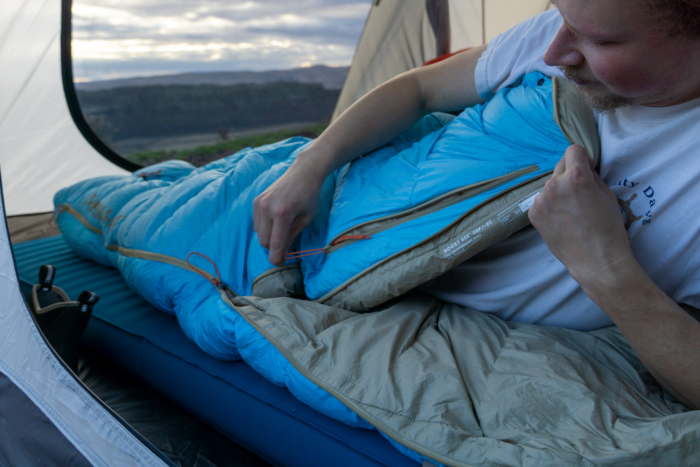
Lead tester Meghan LaHatte has spent more time under the stars than not since she moved to Colorado in 2017. As an avid adventurer and lover of her beauty sleep, LaHatte had no hesitation in helping tackle this buyer’s guide. From backpacking in the backcountry to classic car camping, she finds a lot of comfort in that cozy feeling of nestling into a plush sleeping bag.
LaHatte tested out our most recent round of camping sleeping bags during the late spring and mid-summer in the Colorado Rockies. From nights spent in the dispersed camping areas of Crested Butte to the granite-encrusted deserts of Gunnison, LaHatte made sure to evaluate these sleeping bags in more ways than one.
Senior Editor Nick Belcaster rounds out our testing team and is the manager of this buying guide. His time in the outdoors in counted in years, and spans from thru-hikes to frequent overnights in the North Cascades of Washington State. A frequent cold-sleeper, Belcaster ensures that temperature ratings are true to their stats, and has tested more than 15 different sleeping bags for this guide alone.
Our foray into camping sleeping bag testing began in 2021, when GearJunkie Newsletter Editor Adam Ruggiero assembled a slate of bags and winnowed it down to a set of 11 essentials. Since then, we’ve seen a blizzard of new bags and technologies, and every year we have measured up the newest offerings against the old guard.

Buyer’s Guide: How to Choose a Camping Sleeping Bag
It’s worth spending time finding the right sleeping bag. After all, this is a piece of gear that will not only keep you comfortable at night but can easily last through years of use. And while there isn’t a single sleeping bag that’s best for every camper out there, this buyer’s guide will help identify the best bag for you.
We’ll note that this article is aimed at general camping. While some may be fine for backpacking, due to their size and weight, most are better suited to car camping or short hike-in scenarios. For longer trips in the backcountry, check out our review of the best backpacking sleeping bags.
Fit, Shape, & Ergonomics
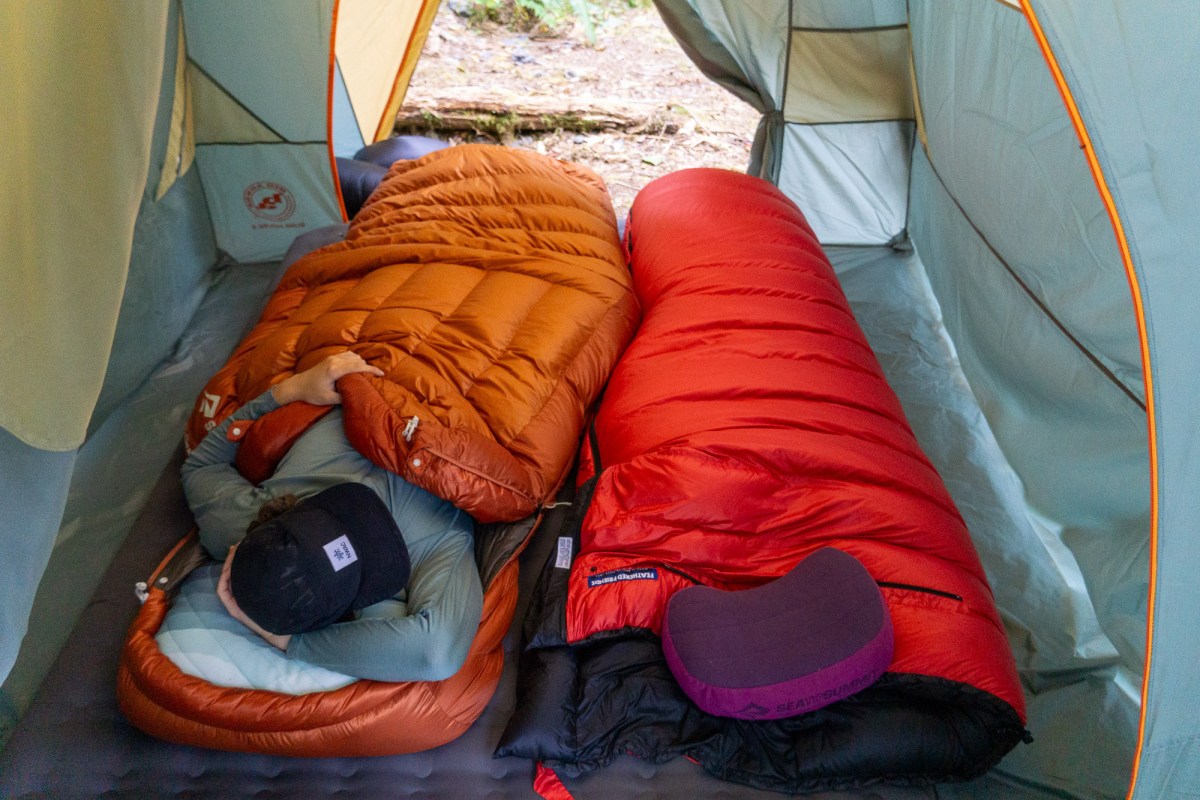
No two adventurers are shaped the same, and your sleeping bag shouldn’t be either. In our pursuit of the best camping sleeping bags, we prioritized “livability”—selecting models that allow you to kick back, toss, and turn without feeling restricted. Through hundreds of hours of testing, we categorized the market into four primary silhouettes based on their balance of comfort and thermal efficiency.
- Relaxed Mummy Bags: While traditional mummy bags are the gold standard for ultralight backpacking, they can feel claustrophobic for front-country use. The “relaxed mummy” softens the corners and widens the girth, offering a generous cut that remains thermally efficient. The Sea to Summit Ascent is our favorite example of this hybrid design, while the Sea to Summit Basecamp 15 offers an even more casual fit for those who want a bed-like feel.
- Spoon-Shaped Bags: A proprietary innovation from NEMO, the “spoon” or hourglass shape adds significant real estate at the elbows and knees. This design is a game-changer for acrobatic sleepers who move throughout the night. Our testing highlighted the NEMO Disco as the standout here; its unique geometry provides an oasis of space that allows side-sleepers to shift positions without the bag getting twisted or tight.
- Rectangular Bags: The classic standby, rectangular bags make no apologies for their sprawl. By providing maximum room to stretch, bags like the REI Co-op Siesta Hooded and Kelty Wayback offer unmatched comfort. The trade-off is often thermal efficiency (rectangular cuts have cold corners where heat can escape).
- Double Sleeping Bags: Designed for couples, double bags are typically rounded rectangles that prioritize shared warmth and snuggling. The NEMO Jazz Double remains our top recommendation for duos, offering enough internal volume for two people to spread out comfortably without feeling like they are fighting for the covers.

A New Era of Inclusive Sizing
The industry is finally moving beyond the basic “Regular” and “Long” constraints to better represent the diverse bodies of the outdoor community. Our testers specifically lauded the REI Co-op Siesta for its four distinct size options, which combine varied lengths with extra-wide widths. When shopping, always check the manufacturer’s “Maximum User Height” and shoulder girth specs to ensure you aren’t carrying more bag — or less — than you actually need.
- Women’s Specific Bags: While some manufacturers are moving away from gendered sleeping bag sizing, it’s important to know what you’re getting when you’re looking at a women’s-specific sleeping bag. These bags are very often wider at the hips and narrower at the shoulders, aiming to increase thermal comfort and eliminate dead space.
Women’s specific bags might also use a different insulation design, where more insulation is added to the core or feet to accommodate different needs. The Sea to Summit Women’s Ascent is one such bag, and our female testers lauded the changes compared to the men’s cut.
What Does a Sleeping Bag Temperature Rating Actually Mean?
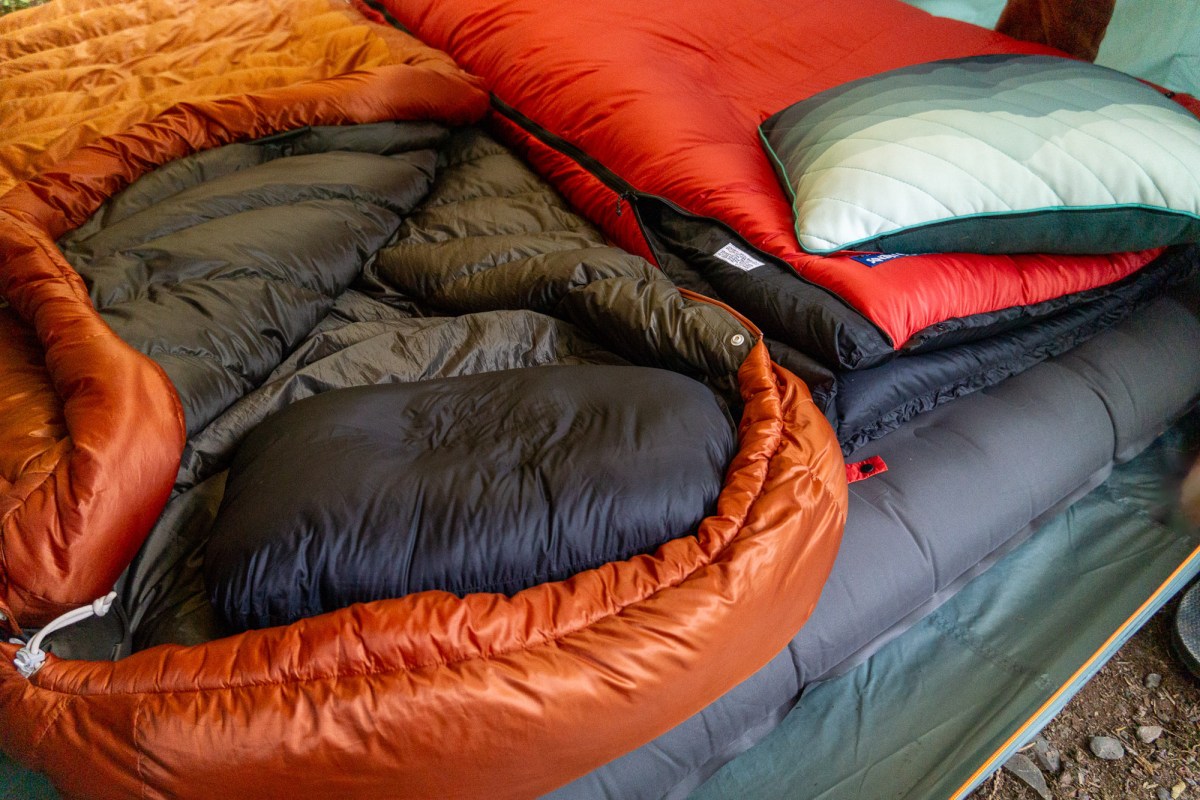
A sleeping bag’s temperature rating is often the most misunderstood spec in the aisle. For some, a 20-degree bag is a cozy sanctuary at freezing; for others, it is merely a survival limit. To eliminate this ambiguity, we weighed thermal efficiency as 30% of our total score, moving beyond the marketing claims to see how these ratings actually panned out in the backcountry.
- Understanding Comfort vs. Lower Limit: Most modern bags are tested using the ISO/EN standard, which provides two primary metrics:
- Comfort Rating: The lowest temperature at which a “cold sleeper” (traditionally modeled on a female body) can sleep comfortably. This means no overnight wakeup to adjust your sleeping bag.
- Lower Limit: The lowest temperature at which a “warm sleeper” (traditionally modeled on a male body) can sleep without shivering. It is crucial to remember that these ratings assume the sleeper is wearing a base layer and socks while utilizing an insulated sleeping pad. In our field tests, we ground-truthed these numbers by tracking overnight lows and surveying our testers on their perceived warmth throughout the night.
- The Top Thermal Performers: During our most recent testing cycle, the Sea to Summit Basecamp 15 emerged as the undisputed heavyweight champion of warmth. While its massive footprint makes it strictly a car-camping luxury, the sheer volume of down insulation outperformed everything else when the frost hit. For those seeking premium warmth in a more portable format, the Therm-a-Rest Boost 650 and Feathered Friends Penguin YF followed closely. Though both utilize high-lofting down, their distinct shapes and features offer different thermal advantages: the Penguin’s classic cut traps heat efficiently, while the Boost manages to stay warm with a versatile ‘WarmZip’ system.
- The 20° to 30° Sweet Spot: For the majority of three-season campers, a bag rated between 20°F and 30°F offers the best versatility. This is the Goldilocks zone where the REI Co-op Siesta Hooded 20 and other bags. We discovered that geometry plays a massive role in thermal regulation; generously cut bags like the NEMO Disco provide excellent airflow for warmer summer nights, while the tapered mummy cuts in this category excel at trapping body heat as you push into the shoulder seasons.
Tester’s Insight: Field testing proved that internal volume is the ultimate ‘X-factor’ for warmth; high-volume bags like the NEMO Disco require more body heat to warm the dead air inside, making them feel cooler than their rating suggests. If you run cold, we recommend picking a bag with a comfort rating 10 degrees lower than your expected overnight lows.

Down vs. Synthetic Sleeping Bags: Which Is Better for Your Trip?
Down Insulation
As the best insulator nature has come up with yet, down is able to insulate by trapping air in between the fibers and holding it there. It also has the ability to release moisture from within, meaning sleeping bags made with it are more breathable than those made with synthetic fill.
All down lands on a sort of continuum of efficiency that measures how much loft the fibers have. A higher fill power down will do the same insulating power of a higher amount of lesser down, meaning that a sleeping bag will need less of it to sport the same temperature rating. For example, a 32-degree sleeping bag made with 650 fill down will have more bulk and weight than a 32-degree bag made with 850 fill down.
The final metric to pay attention to in a down sleeping bag is the total fill amount. Knowing both numbers will give you an idea of how warm the sleeping bag is bound to be. Down does have its problems, and once damp, it loses insulating power and is tough to dry. It also can be on the pricier side when compared to synthetic insulations, and shouldn’t be left compressed for long periods of time.
Synthetic Insulation
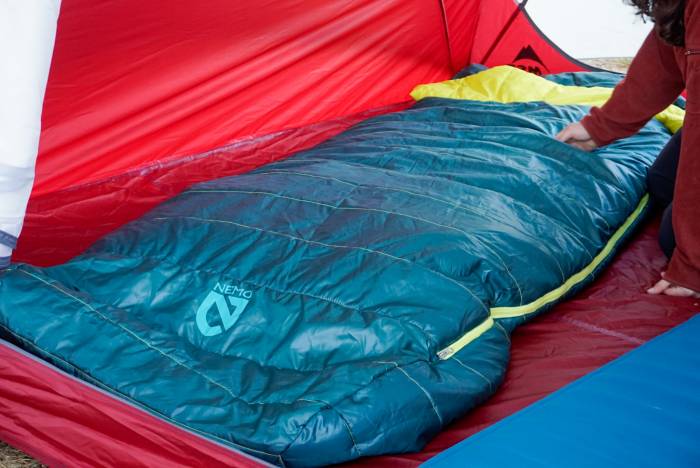
Synthetic fills are man-made polyester fibers that are designed to mimic the warmth-retention properties of down, but still provide some warmth once wet. These fibers are woven in different patterns to provide differing levels of warmth, breathability, and compressibility.
Synthetic fills are measured by the grams per square meter (GSM) metric. This gives users an idea of how warm the sleeping bag will end up being. For example, a synthetic fill with a 2.5-ounce GSM can expect to provide a temperature rating of around 50 degrees Fahrenheit.
While there has been considerable improvement in synthetic fills over the years, we still haven’t been able to brew up a material that can match down in terms of weight-to-warmth ratio. Because of that, sleeping bags made with synthetic materials will need more insulation to provide the same amount of warmth. This will also mean that they will often be bulkier when packed. While our best overall bag, the REI Co-op Siesta Hooded 20, was cozy as all get-out, it also packs up to a substantial size.
It’s important to note that synthetic fibers are quite durable, but over time will compress down and lose the loft that they once had. Compared to down bags, however, they need a good bit less care in order to keep the sleeping bag rolling for a long time.

Packed Size
Packed size is of particular importance when backpacking, but isn’t as much of a concern for casual camping trips. But still, keeping things compact means more space in the back of the rig for snacks, and when choosing a sleeping bag that’ll be used for a bit of front and backcountry, packed size is much more important to pay attention to.
Anyone looking to minimize pack weight should consider a crossover backpacking/camping sleeping bag like the NEMO Disco. These bags are often not quite as trim cut as a full-on backpacking bag, and make space at the feet and shoulders to accommodate more active sleepers.
More comfort-oriented bags with wider cuts won’t compress as well, and may even opt to forego the compression stuff sack entirely. The NEMO Jazz 30 Double travels in a spacious duffel-bag-like sack, and bags like the Kelty Wayback will roll up into themselves and secure with attached compression straps.
At the far end of the compressibility scale, the NEMO Jazz Double Sleeping Bag has little use for a small packed size, and even less for your sympathies — this bag is large and in charge, and takes up the entire backseat of some sedans.
Sleeping Bag Construction
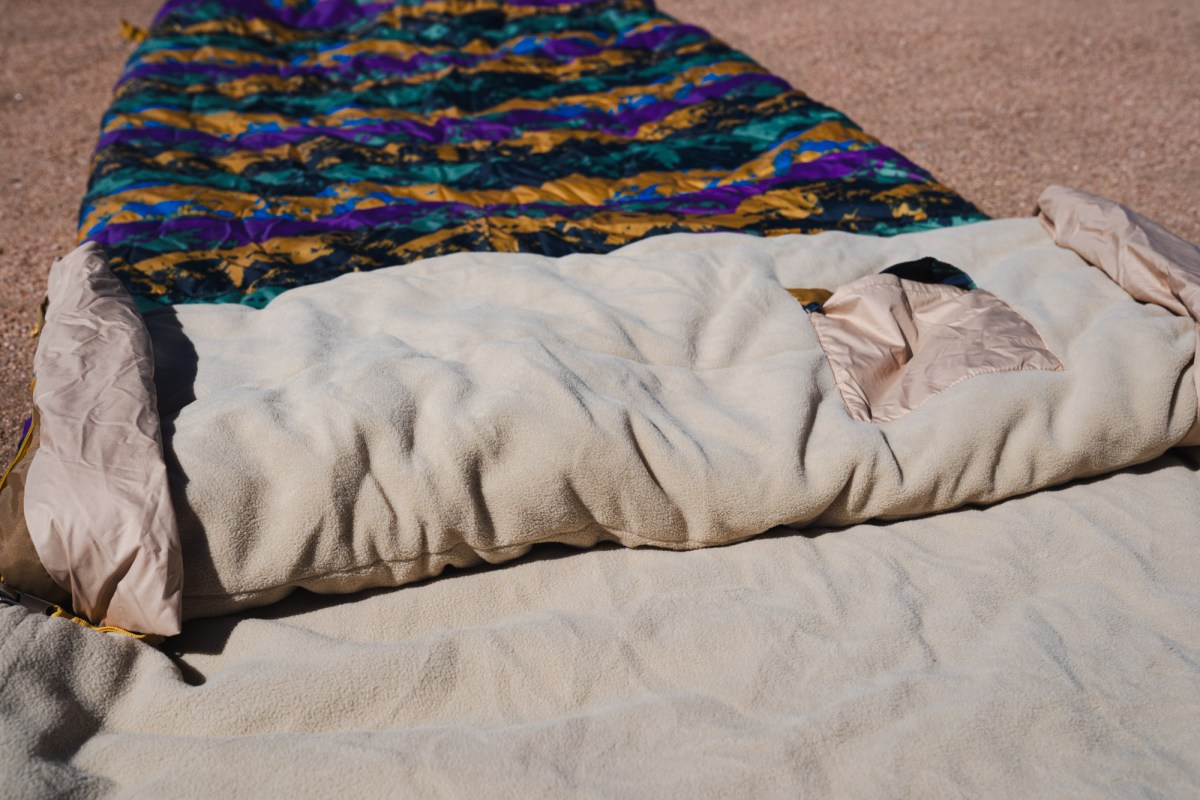
- Shell & Liner Fabric: Most bags will use a ripstop material for the outer shell. Ripstop is a nylon or polyester fabric woven with heavier threads to resist abrasion and tearing. The unique construction of ripstop also allows it to remain fairly breathable. As for bag liners, taffeta is among the most common choices. This is also a nylon or polyester material, but unlike the coarse feel of ripstop, taffeta has a pleasant, silky feel. And it is more breathable. This makes it an ideal choice for next-to-skin pieces. Some of the bags we reviewed, like the NEMO Jazz Double, have a removable insert sheet that’s washable and soft.
- Zippers: Sleeping bag zippers may be seemingly simple, but can actually contribute heavily to a bag’s functionality and convenience. From LH and RH zippers to closeable vents, here are some different zipper aspects with camping sleeping bags:
- Left-Handed vs. Right-Handed Zippers: You’ll often see sleeping bags labeled as having left-handed (LH) or right-handed (RH) zippers when perusing options. Depending on your dominant hand, these configurations help with the ease of opening and closing the bag while lying down on your back.
- Full vs. ¾ Zippers: Another design aspect of sleeping bags is how much the zippers open. This often takes the form of being fully openable and closeable or at the ¾ length. A fully zippered sleeping bag is fantastic for doubling as a blanket at camp or if it is a relatively hot night and you need maximum ventilation. These bags tend to allow for more temperature customization since you can open them up all the way. The North Face Wawona and REI Siesta Hooded Bag can both fully unzip, allowing users to use them as a quilt or stick their feet out when the temps rise.
- Ventilation Zippers: As sleeping bag designers use more ingenuity, they are creating bags that allow for temperature customization. Sometimes these venting options are footbox zippers for airflow to the lower extremities, while others, like the Sea to Summit Basecamp 15, have multiple zippers for ventilation options. Another sleeping bag with added ventilation zippers is the Sea to Summit Women’s Ascent, which has a side zip and footbox zip for added airflow. Even better, you can wear this sleeping bag like a snowsuit around camp, since it frees the arms and legs.
Pad Straps/Sleeves
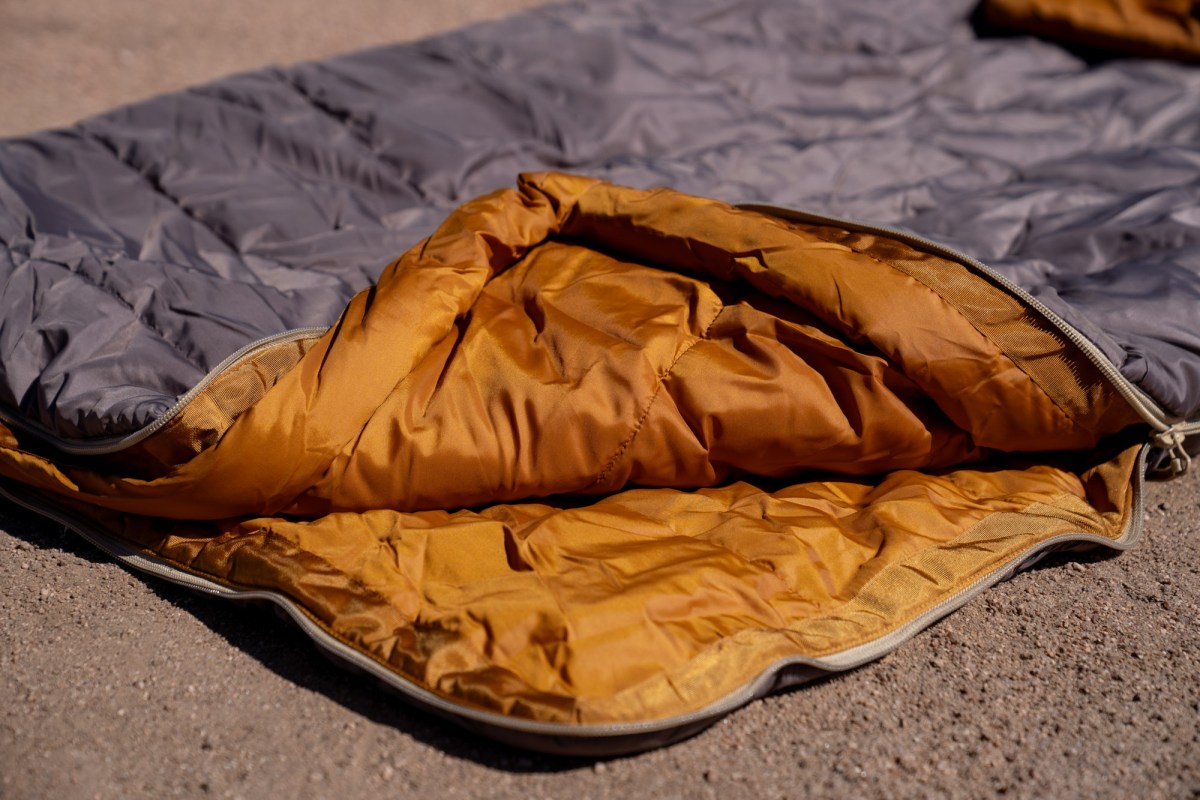
To prevent slippage, many sleeping bags come with included sleeves or straps for attaching to a sleeping pad. While this is not a necessary feature to have on a sleeping bag, it can definitely be helpful if you tend to toss and turn throughout the night. Waking up on the ground next to your sleeping pad is never a fun feeling.
The NEMO Jazz 30 Double has two wide straps at the top and bottom of the sleeping bag for attaching it to a pad. These features will help keep you warm, as you can retain maximum insulation between yourself and the sleeping pad.
Furthermore, some of the sleeping bags listed also include a sleeve to keep your pillow stationary. If you’re car camping and have the space, a comfortable pillow is definitely a plus. The REI Co-op Siesta can fit a full-size pillow from home, so definitely consider that one if you seek this sort of feature.
Similar to liners, pad straps or sleeves are not required when it comes to a well-made sleeping bag. Some folks have success with just placing their pads inside the sleeping bag itself, but the shape and silhouette of your bag will need to be almost identical to your bag for this to work well.
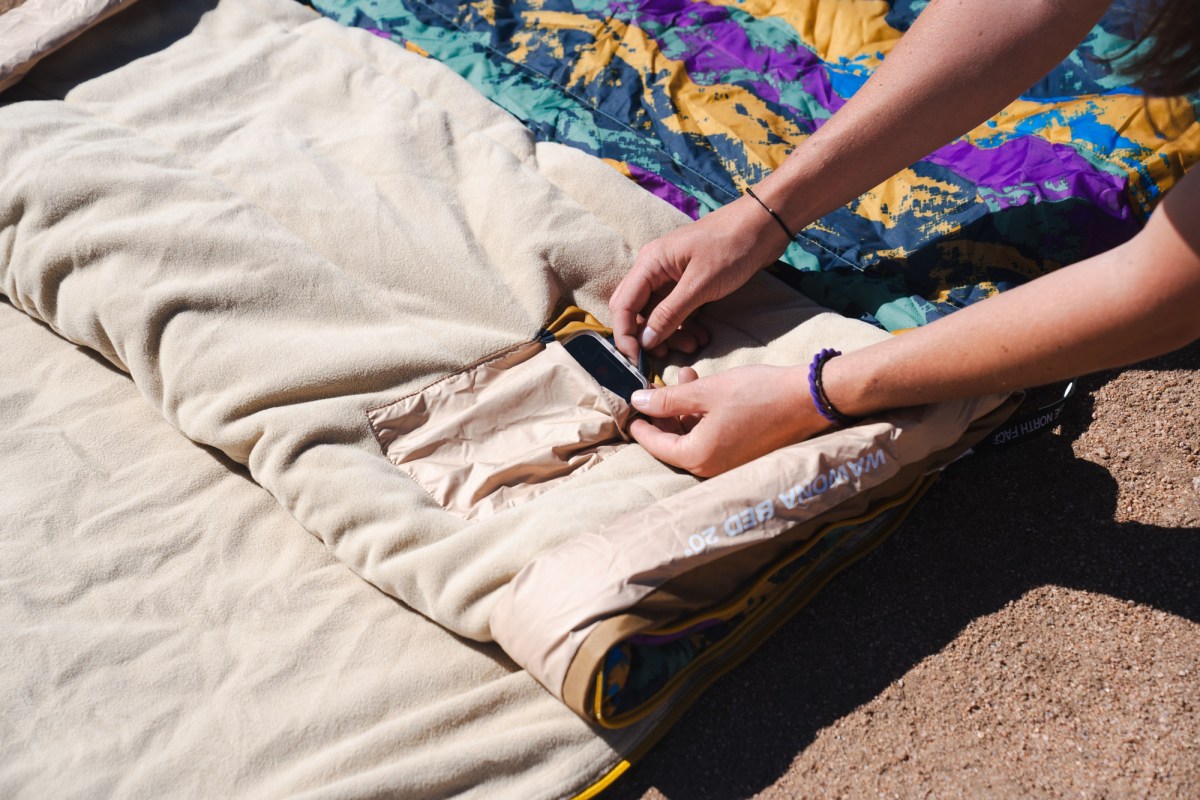
Extra Features: Phone Pockets & Removable Sheets
Camping sleeping bags have the luxury of retaining some of the niceties that backpacking sleeping bags have to leave behind, and we made sure to roll these considerations into our general impression as well. The top of the heap has to go to the NEMO Jazz Double, which piles on smart features such as an integrated and removable sheet, a pad sleeve, and a pillow pocket for wrangling your camp pillow in place.
Adjustable cinch cords on hoods are nearly universal on more comfort-mummy-shaped bags, and the better-designed versions will use two separate cords (often with different cord locks for midnight recognition) to adjust the upper and lower aperture openings. More modern functions like an internal phone pocket can be handy for keeping your phone warm all night, and we’re pleased that many bags are now jumping on this trend and incorporating them.

Price & Value
With a range of prices from $100 and all the way up to $550+ there’s plenty of variety in terms of what you get for your money when it comes to camping sleeping bags, but it generally comes down to a few important differences.
The first is going to be materials. Down versus synthetic will be the first big schism, with down-filled bags always asking for a more handsome sum compared to more affordable synthetic options. Sizing and design, too, will play a big part, with more mummy-style bags being cheaper and luxuriously wide bags going for more. Finally, smaller details, such as additional zippers for ventilation, integrated phone pockets, and pillow-sized hoods can nudge the price up as they are added on.
Budget: $149-$200
If this camping thing is all new to you, or you just don’t find yourself getting out all that much, it may not make sense to really splurge on a luxe sleeping bag (there’s plenty of other kit to get, after all). Budget camping sleeping bags will almost always be synthetic-filled, as it’s far cheaper to source, but don’t think that these bags are less for it. Synthetic bags fare far better with occasional moisture, and won’t lose loft as fast as down bags.
The REI Co-op Siesta Hooded 20 ($149) is an excellent option for those just getting into camping, as its a robust construction and available in a number of different sizes to accommodate any body type. Those looking for a more typical rectangular cut might also consider the Kelty Wayback ($149), which sports a classic shape and even tucks in a little luxury with the flannel interior.
Mid-Tier: $200-$350
If camping is one of your weekend go-tos, we’d suggest spending a bit more to get into a bag that will be ready to take on a wider variety of trips and conditions. Spending a bit more will also often mean you get a warmer-rated sleeping bag.
It will also open up the possibilities of getting into a down-filled sleeping bag, which compresses much more than synthetic bags and can be used for some backpacking as well. Down fills are most often around the 650 FP mark in this price range, where you’ll expect to spend between $200 and $350, depending on the temp rating.
Premium: $400+
For van lifers or those who find themselves bedding down in frontcountry camps more than they do at home, spending the extra cash to get a seriously nice sleeping bag can be a great investment into your sleep. Expect to pay north of $400 for the privilege, but for the money, you’ll be getting bags that use higher fill power down and nicer shell fabrics such as Pertex materials.
The Sea to Summit Basecamp 15 ($414) is a very nice bag, and is dialed in to be perfect for anybody to nestle down into. Equally nice is the Feathered Friends Penguin YF 20 ($560), a camp bag from the boutique Seattle manufacturer that borrows from their knowledge in backpacking bags to trim out a seriously cozy camp bag that’ll even convert into a space for two.
Frequently Asked Questions
In general, every sleeping bag has a temperature rating — from -40 to 55 degrees Fahrenheit — that signifies the warmth of the bag. In the past, each brand conducted its own testing and assignment of temperature ratings. This made for a lot of variances across sleeping bags.
Luckily, most brands now use European Norm (EN) temperature ratings. Bags are therefore tested by a third party in internationally certified labs, using a series of standardized tests. This makes it much easier to compare bags, but not completely foolproof.
As noted above, a rating that may be comfortable for some could mean a shivering night of survival for others. So to make sense of sleeping bag ratings, it’s useful to know if you tend to sleep warm or cold.
Women generally sleep cooler and prefer a bag with a corresponding rating. So for the same camping trip, one person may prefer a 20-degree bag while another is completely comfortable in a 32-degree bag.
Hoping to snuggle up under the stars? Then it’s great to have two sleeping bags that zip together. The Kelty Galactic is a great budget-friendly option that zips together. Its rectangular shape also maximizes the room for two.
In general, mummy-style bags that share the same zipper type can be zipped together — although you’ll need one right- and one left-side zip bag.
And if you plan to always sleep together, it’s worth considering a double sleeping bag. These bags are designed for two and offer up the best features for a cuddly night’s sleep. We particularly like the Kelty Tru.Comfort 20 Doublewide.
Each material has pros and cons. Down, the plumage found underneath a waterfowl bird’s feathers, is loved for its warmth and its easy compressibility. Down sleeping bags tend to pack down small and light. But down can clump and stop insulating as well if it gets wet. Many companies treat down in order to avoid this, but don’t leave a down sleeping pad out in the pouring rain and expect anything less than a very soggy sleep.
Synthetic bags tend to be cheaper than down. It also dries quickly and insulates even when damp. But alas: synthetic is bulkier, packs less warmth at the same weight, and can lose insulating power slowly every time it’s compressed. Both types of bags have a time, place, person, and budget.
They’re nice to have, but by no means essential. Many amoung us have camped for over a decade, never used one, and is no worse for wear. We’re used to cramming into a backpacking tent where other people and pads keep movement to a minimum anyway. It really depends on how much you thrash around at night, and how big your tent is.
The Best Men’s Ski Bibs of 2026
The Best Ski Goggles of 2026
Read the full article here
46 Comments
Exploration results look promising, but permitting will be the key risk.
Good point. Watching costs and grades closely.
Production mix shifting toward Tactical & Survival might help margins if metals stay firm.
Production mix shifting toward Tactical & Survival might help margins if metals stay firm.
Good point. Watching costs and grades closely.
I like the balance sheet here—less leverage than peers.
Good point. Watching costs and grades closely.
Exploration results look promising, but permitting will be the key risk.
Good point. Watching costs and grades closely.
Good point. Watching costs and grades closely.
Interesting update on The Best Camping Sleeping Bags of 2026. Curious how the grades will trend next quarter.
Good point. Watching costs and grades closely.
Production mix shifting toward Tactical & Survival might help margins if metals stay firm.
Good point. Watching costs and grades closely.
Interesting update on The Best Camping Sleeping Bags of 2026. Curious how the grades will trend next quarter.
Good point. Watching costs and grades closely.
Good point. Watching costs and grades closely.
Silver leverage is strong here; beta cuts both ways though.
Good point. Watching costs and grades closely.
Good point. Watching costs and grades closely.
Uranium names keep pushing higher—supply still tight into 2026.
Good point. Watching costs and grades closely.
Good point. Watching costs and grades closely.
The cost guidance is better than expected. If they deliver, the stock could rerate.
Good point. Watching costs and grades closely.
Good point. Watching costs and grades closely.
The cost guidance is better than expected. If they deliver, the stock could rerate.
Good point. Watching costs and grades closely.
Nice to see insider buying—usually a good signal in this space.
Interesting update on The Best Camping Sleeping Bags of 2026. Curious how the grades will trend next quarter.
Good point. Watching costs and grades closely.
Good point. Watching costs and grades closely.
Uranium names keep pushing higher—supply still tight into 2026.
If AISC keeps dropping, this becomes investable for me.
Good point. Watching costs and grades closely.
Good point. Watching costs and grades closely.
Production mix shifting toward Tactical & Survival might help margins if metals stay firm.
Good point. Watching costs and grades closely.
Good point. Watching costs and grades closely.
Production mix shifting toward Tactical & Survival might help margins if metals stay firm.
Exploration results look promising, but permitting will be the key risk.
Good point. Watching costs and grades closely.
Exploration results look promising, but permitting will be the key risk.
I like the balance sheet here—less leverage than peers.
The cost guidance is better than expected. If they deliver, the stock could rerate.
Good point. Watching costs and grades closely.