

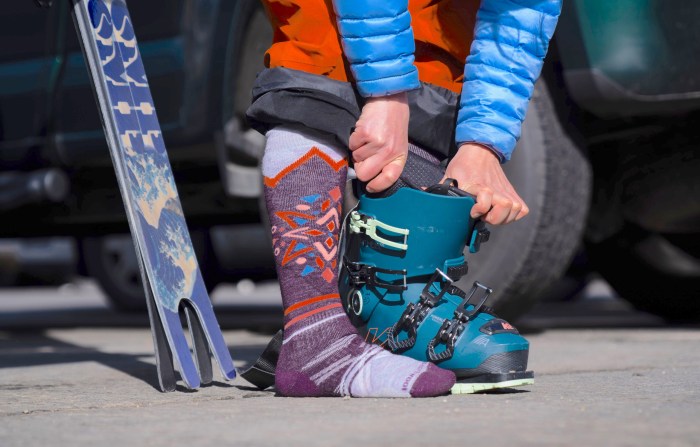
Cold, clammy, tingly feet will wreck a ski day in a hurry. The best ski socks are a technical layer that does a lot of heavy lifting for warmth, moisture management, and comfort from first chair to last run. Match the right pair to your foot shape, your circulation, and the day’s conditions, and it can be the difference between heading in early and squeezing out a few more perfect turns.
Over the past 5 years, our team has tested dozens of ski socks across resort laps, deep backcountry days, and everything in between. Led by veteran gear tester Chris Kassar and contributor Ryan Kempfer, we’ve worn them not just in ski boots, but while backcountry skiing, snowshoeing, sledding, snowmobiling, and grinding through long winter days outside, to see how they hold up beyond the lift line.
From premium merino options like the Smartwool Ski Targeted Cushion OTC Socks to lightweight options like the Icebreaker Ski+ Light Over the Calf Socks to the burly, built-to-last Darn Tough Over the Calf Midweight Socks, these are the best ski socks we’ve tested for keeping feet warm, dry, and comfortable all winter.
Editor’s Note: We updated this guide on November 6, 2026, with a new intro, refreshed reviews with signposts and bottom-line summaries, and a new comparison table. We also removed a product for the guide’s brevity.
The Best Ski Socks of 2026
Best Overall Ski Socks
Smartwool Targeted Cushion OTC Ski Socks
Best Budget Ski Socks

REI Co-op Lightweight Powderbound Snow Socks
Best Full Cushion Ski Socks
Smartwool Full Cushion OTC Ski Socks
Best Medium Cushion Ski Socks

Darn Tough OTC Midweight Ski & Snowboard Socks
Best Light Cushion Ski Socks
Icebreaker Merino Ski+ Light OTC Ski Socks
Best Zero Cushion Ski Socks
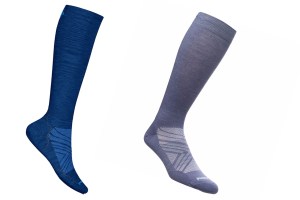
Smartwool Zero Cushion OTC Ski Socks
Best Compression Ski Socks
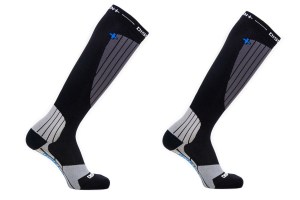
Dissent GFX Compression Hybrid
See more picks
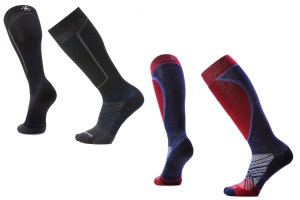
Smartwool Targeted Cushion OTC Ski Socks


Specifications
Pros & Cons
Pros
- Excellent warmth-to-breathability balance
- Targeted cushion zones for comfort and support
- Secure, stay-put fit with wide welt
- Seamless toe prevents pressure points
Cons
- Some pilling after use
Bottom Line: A near-perfect balance of comfort, performance and versatility. It kept our feet warm, dry, and comfortable all day through sunshine, sleet, and deep snow, with targeted padding that cushions where it counts without adding bulk. It has less padding than a full-cushion sock, which matters if you want a plusher feel.
The Smartwool Ski Targeted Cushion OTC Socks ($30) (also available in Women’s) strike a near-perfect balance between comfort, performance, and versatility. Whether you’re chasing powder in the Pacific Northwest or carving steep Colorado groomers, these socks deliver dependable warmth, breathability, and support. We tested them through sunshine, sleet, and deep snow.
The Tech: The socks have a seamless toe and a wide, stay-put welt. Body-mapped mesh zones enhance airflow, and targeted padding sits at the shin, heel, and toe. They come in a variety of colors and patterns. Smartwool also offers snowboard-specific versions, like the Snowboard Retro Line and Women’s Piste Machine, with cushion zones tuned to the shape and pressure points of snowboard boots.
What We Like: These socks kept our feet warm, dry, and comfortable all day. The seamless toe eliminates hot spots and that dreaded “something’s in my boot” feeling, while the welt holds securely without cutting off circulation. The mesh zones keep air moving, and the targeted padding cushions where it counts most without adding bulk. We also appreciated the variety of colors and patterns, which brings a little fun to functional gear. Compared to the Smartwool Ski Full Cushion Over the Calf Socks, which wrap the entire foot and calf in thicker padding, the Targeted Cushion model trims weight and boosts breathability for skiers and riders who prefer a more responsive feel. It’s a versatile design that transitions easily from cold-weather resort laps to backcountry tours.
What We Don’t: The trimmed-down padding means they’re not as plush as a full-cushion sock, but skiers with extremely tight boots could find these have too much material.
Should You Buy It? If you want all-day comfort without extra bulk, these are an easy choice for skiers and snowboarders. They’re soft, breathable, and built to perform from first chair to last run.
REI Co-op Lightweight Powderbound Snow Socks

Specifications
Pros & Cons
Pros
- Comfortable feel
- Targeted heel and toe cushioning
- Excellent value
Cons
- Wear out faster than premium ski sock brands
- Less plush than higher-end options
Bottom Line: A straightforward, budget-friendly merino blend sock that’s comfortable all day in ski boots. It manages moisture, resists odor, and adds light insulation without overheating, for $24. It isn’t as durable as premium ski socks, and it shows wear sooner with frequent use.
The REI Co-op Lightweight Powderbound Snow Socks ($24) are a straightforward, budget-friendly option for long days in ski boots.
The Tech: The socks use a merino wool blend, with over-the-calf height, reinforced heels and toes, a stretch arch band, and seamless toes.
What We Like: The merino blend manages moisture well, resists odor, and provides light insulation without overheating. The over-the-calf height helps prevent boot rub, and the reinforced heels and toes add just enough cushioning for all-day comfort. They feel supportive and low-profile on snow, and the stretch arch band and seamless toes help reduce hot spots. For the price, they deliver reliable comfort that’s easy to justify.
What We Don’t: Durability isn’t on par with premium ski sock brands, and signs of wear tend to show up sooner with frequent use.
Should You Buy It? If you want reliable, comfortable ski socks without spending $30 or more, these are an easy pick. If you ski 80 or more days a season, consider paying more for a longer-lasting pair.
Smartwool Full Cushion OTC Ski Socks

Specifications
Pros & Cons
Pros
- Seamless fit
- Holds up to many washes
- Cushioning allows for a comfortable fit with reduced movement
Cons
- Recycled material percentages vary depending on pattern choice
- Texture of fabric is a bit rigid
Bottom Line: Plush warmth and dependable performance for skiers who like more padding underfoot. It kept our feet warm, secure, and dry from subzero mornings to spring slush. The texture feels slightly rigid compared to softer merino socks, and Darn Tough’s midweight sock edges it out for durability.
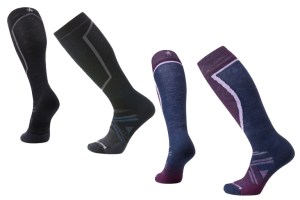
The Smartwool Ski Full Cushion Over the Calf Socks ($31) deliver plush warmth and dependable performance for skiers who prefer more padding underfoot. We tested them at high-altitude Colorado resorts.
The Tech: Full cushioning covers the shin, Achilles, toe box, heel, and sole. The socks use a 63% merino wool blend, with body-mapped mesh zones for ventilation and Smartwool’s 4 Degree Elite Fit System, a cross-stitched, X-shaped support. They have a seamless toe box, and the height hits just below the knee. Both the men’s and women’s versions are anatomically shaped, and Smartwool continues to increase recycled nylon content in each production cycle.
What We Like: They kept our feet warm, secure, and dry from subzero mornings to spring slush, offering comfort and stability on long resort days. The merino blend regulates temperature well, and the mesh zones add ventilation where it’s needed most. The fit system locks in the heel and midfoot to minimize movement, and the seamless toe box prevents pressure points. The cuff holds securely without restricting circulation, and the height gives full coverage. Compared to the Icebreaker Ski+ Light, this sock offers more cushion and insulation, and it’s thicker and warmer overall.
What We Don’t: The texture feels slightly rigid compared to softer merino blends like the Icebreaker Ski+ Light. The Darn Tough Over the Calf Midweight also edges it out for durability and compression.
Should You Buy It? If you prefer a comfort-fit boot and want plenty of padding, these are a favorite for lasting comfort and reliable warmth. If your boots fit snug or race-style, go with a lighter cushion for a more responsive feel.
Darn Tough OTC Midweight Ski & Snowboard Socks
-

-
-
-
Ryan Kemper gearing up for a ski tour wearing the Darn Toug OTC Midweight Ski Socks; (photo/Elk Raven Photography)
-
-
-
(photo/Elk Raven Photography)
-
(photo/Elk Raven Photography)


Specifications
Pros & Cons
Pros
- Extremely durable construction
- Excellent compression and support
- Warm, moisture-wicking merino blend
- Lifetime guarantee
Cons
- Tighter, firmer fit than softer merino blends
Bottom Line: The sock built to last, with a snug, performance-driven fit and a lifetime guarantee. It kept our feet dry, stable, and comfortable all day, with reliable warmth and compression that doesn’t feel bulky. It runs firmer and tighter than softer merino options.
The Darn Tough Over the Calf Midweight Socks ($32) live up to their name with rugged durability and a snug, performance-driven fit that lasts season after season. During testing in the Tetons and on cold lift rides in Colorado, they kept our feet dry, stable, and comfortable all day long.
The Tech: The socks are knit in Vermont and backed by the brand’s legendary lifetime guarantee. They use a merino wool blend with midweight cushioning underfoot and along the shin, reinforced heels and toes, and a fine-gauge knit that lightly compresses the foot.
What We Like: They deliver reliable warmth and compression without feeling bulky. The merino blend provides balanced insulation, moisture management, and stretch, and the cushioning protects against pressure points while maintaining a close, boot-hugging fit. The fine-gauge knit gives Darn Tough’s signature smooth feel with zero bunching, and the compressive fit helps reduce fatigue and slippage during long ski days. Compared to the Smartwool Ski Full Cushion Over the Calf Socks, the Darn Tough Midweight offers better long-term durability and support.
What We Don’t: The compressive fit can feel tighter than softer merino options like Smartwool’s Full Cushion or Icebreaker’s Ski+ Light. Compared to the Smartwool socks, the Darn Tough runs firmer and more structured, at the expense of a little softness.
Should You Buy It? If you want a secure, performance-oriented sock that’s built to last through heavy use, this is a top pick. If you prioritize a plush, soft feel, look at the Smartwool Full Cushion.
Icebreaker Merino Ski+ Light OTC Ski Socks
-
-
(photo/Elk Raven Photography)
-
-
-


Specifications
Pros & Cons
Pros
- Warm & Comfortable
- Excellent temperature regulation
- Perfect fit
Cons
- Can pill with repeated washing and drying
Bottom Line: Everything we’ve come to expect from the New Zealand merino experts: premium threads, excellent moisture control, and a precise, boot-friendly fit. These socks feel luxuriously smooth and itch-free, with just enough padding to soften pressure points without adding bulk. They tend to pill slightly after a few washes, so line drying is worth the effort.
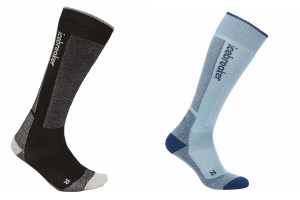
The Icebreaker Ski+ Light Over the Calf Socks ($31) deliver everything we’ve come to expect from the New Zealand merino experts: premium threads, excellent moisture control, and a precise, boot-friendly fit.
The Tech: The newest version uses slightly less merino wool than before (52% instead of 70%), and the added nylon improves durability and helps the socks retain their shape for multiple seasons. They have light padding underfoot and along the shin, and a left- and right-specific design.
What We Like: On the slopes, these socks feel luxuriously smooth and itch-free, with just enough padding to soften pressure points without adding bulk. The left- and right-specific design keeps them snug and secure, reducing any bunching or slippage during long ski days. Compared to our Best Zero Cushion pick, the Smartwool Ski Zero Cushion OTC Socks, the Icebreaker offers a touch more padding for added comfort without crossing into midweight territory. They’re soft, breathable, and built for long days in the mountains, hitting the perfect balance between cushion, warmth, and a precise fit.
What We Don’t: Our only gripe is the tendency to pill slightly after a few washes, especially if you use a dryer, so line drying is worth the effort. If you need extra insulation for frigid resort days, the Darn Tough Over the Calf Midweight provides more warmth, though at the expense of some breathability.
Should You Buy It? Expert skiers with a tight boot fit should give these a look. If you want a soft, precise-fitting sock that’s comfortable all day, and you’re willing to line dry it, this is a top pick.
Smartwool Zero Cushion OTC Ski Socks
-
-
(photo/Elk Raven Photography)
-
(photo/Elk Raven Photography)


Specifications
Pros & Cons
Pros
- Excellent boot feel and precision
- Superb moisture management
- Secure, stay-put fit
- Durable ultralight construction
Cons
- Limited warmth for very cold conditions
Bottom Line: A barely-there sock that maximizes precision, responsiveness, and comfort for skiers who want a close connection with their boots. It kept our feet dry, blister-free, and surprisingly warm for its weight. The featherweight construction trades away insulation, so it isn’t for frigid lift rides or subzero mornings.
The Smartwool Ski Zero Cushion Over the Calf Socks ($28) deliver a barely-there feel that maximizes precision, responsiveness, and comfort for skiers who prefer a close connection with their boots. We tested them in Colorado’s high alpine and on spring backcountry missions.
The Tech: The socks use a thin merino wool blend with a minimal, ultralight design. Smartwool’s 4 Degree Elite Fit System wraps the heel and midfoot, and the toe box is virtually seamless.
What We Like: The socks kept our feet dry, blister-free, and surprisingly warm for their weight. The merino blend excels at wicking moisture and regulating temperature, and the minimal design eliminates bulk for a true performance fit. The fit system securely holds the heel and midfoot to prevent slipping, and the seamless toe box ensures all-day comfort inside tight-fitting boots. Despite the ultralight build, the knit feels strong and refined, holding its shape even after repeated washings. Compared to the Icebreaker Ski+ Light, which adds a touch more cushion for comfort, the Zero Cushion offers a sleeker, more responsive feel that racers and expert skiers will love. It also breathes better than the Darn Tough Midweight, making it ideal for high-output days or warmer conditions.
What We Don’t: The featherweight construction does come with a trade-off in insulation, so these aren’t designed for frigid lift rides or subzero mornings.
Should You Buy It? If you wear a tight, race-style boot, these are the socks to get: light, breathable, and dialed for precision, they’re for skiers who prioritize fit, control, and performance above all else. If your boots run roomier, you’ll want more cushion to fill the extra space.
Dissent GFX Compression Hybrid

Specifications
Pros & Cons
Pros
- Breathable
- Form-fitting anatomical design
Cons
- Expensive
Bottom Line: A thin, performance sock with ultimate breathability and an as-close-as-it-gets fit inside your boots. We’ve never had a blister or hot spot in it, and after several seasons it shows only a bit of pilling and no holes. It has a snug compression-style fit but not true graduated compression, and at $63 it’s one of the priciest socks we’ve tested.
If you’re looking for a performance sock with ultimate breathability and an as-close-as-it-gets fit inside your boots, look no further. The Dissent GFX Compression Hybrid ($63) has been in our rotation for several seasons.
The Tech: The sock is thin with low-profile padding, the second-most amount of padding offered among the GFX Compression ski sock lineup, and a Polygiene material treatment that masks odors. NanoGlide fibers help to prevent friction while enhancing hydrophobic, quick-drying ability. It has slight cushioning over the shin and around the ankle, a tight-fitting seamless toe, and an anatomical design. On the sustainability side, Dissent’s products will be made without any toxic effluent materials this season, so the manufacturing of their yarn will not be harmful to people or the environment, and the brand aims to use 100% renewable energy.
What We Like: We love the anatomical design, the excellent breathability (especially for sweaty, hot feet), and the lack of slippage. The Polygiene treatment does a good job masking odors, and we’ve never experienced blisters or hot spots with these socks, despite how thin they are. After testing for several seasons, there’s only a bit of pilling but no holes. In terms of sustainability, Dissent is certainly crushing the realm, which is why they are a top choice for us.
What We Don’t: While this sock has a very snug compression-style fit, it doesn’t have true graduated compression like the CEP Ski Touring Compression Socks, which offer a moderate 20-30 mmHg. It also has a bit of pilling, and at $63, it’s a premium price for a sock.
Should You Buy It? If you wear a tight, performance-oriented boot and want a thin, breathable sock that fits like a second skin, this is one of the best out there. If you want true graduated compression, look at the CEP, and if your boots are roomy, you’ll want a thicker sock.
Other Top Ski Socks to Keep Your Dogs Cozy, Tested
Gordini Burke Lightweight Ski Socks

Specifications
Pros & Cons
Pros
- Secure, no-bunch fit
- Breathable merino blend manages moisture well
- Targeted heel and toe cushioning without bulk
- Comfortable for high-output ski days
Cons
- Not warm enough for very cold days
- Too thin for skiers who want plush cushioning
Bottom Line: A low-profile merino blend sock that improves comfort and control inside your boots. It regulates temperature and wicks moisture well, so it won’t overheat you on high-output days. It isn’t the warmest option for frigid resort days.
The Gordini Burke Lightweight Ski Socks ($30) are built for skiers and riders who want a low-profile sock that improves comfort and control inside ski boots.
The Tech: The socks use a merino wool blend with OrbitKNIT technology, which creates a secure, contoured fit around the shin and leg. They have targeted cushioning in the heel and toe and a seamless toe closure.
What We Like: The merino blend regulates temperature and wicks moisture effectively, helping keep feet warm without overheating on high-output days. The contoured fit reduces slippage and pressure points. The targeted cushioning adds protection where it’s needed, and the seamless toe closure minimizes friction.
What We Don’t: They’re not the warmest option for frigid resort days.
Should You Buy It? If you prioritize precision and all-day comfort without extra bulk, and your boots fit snugly, these are an excellent choice.
Smartwool Compression OTC Ski Socks
-
-
(photo/Elk Raven Photography)
-
Testing the Smartwool Compression Ski Socks in the Tetons; (photo/Elk Raven Photography)
-
(photo/Elk Raven Photography)
-
(photo/Elk Raven Photography)


Specifications
Pros & Cons
Pros
- Improves circulation and reduces fatigue
- Snug, stay-put fit
- Moisture-wicking merino blend
- Durable and supportive construction
Cons
- Less insulation than cushioned models
Bottom Line: Smartwool’s proven merino comfort with a touch of light, graduated compression. It felt supportive yet soft, with just enough squeeze to keep legs fresh after full days of skiing. At $45, it costs more than Smartwool’s non-compression socks.
The Smartwool Ski Compression Over the Calf Socks ($45) combine Smartwool’s proven merino comfort with the added performance benefit of light, graduated compression. Designed to improve circulation and reduce fatigue, these socks hug the foot and calf for a secure, stay-put fit that shines on long days in the mountains. We tested them in Colorado and Wyoming.
The Tech: The socks use a blend of merino wool and nylon with light, graduated compression. Strategic mesh zones boost ventilation, and the seamless toe and contoured design are built to prevent bunching and pressure points.
What We Like: In testing, they felt supportive yet soft, with just enough squeeze to keep legs fresh after full days of skiing. The merino blend delivers the warmth, breathability, and moisture control Smartwool is known for, and the mesh zones boost ventilation during high-output activity. The seamless toe and contoured design help prevent bunching and pressure points inside tight ski boots. The compression is subtle enough to stay comfortable on chairlift rides but effective enough to notice on back-to-back laps or long tours. Compared to the Smartwool Ski Targeted Cushion, this sock has a thinner, more streamlined feel and excels when efficiency and muscle recovery are priorities.
What We Don’t: At $45, it costs more than Smartwool’s non-compression socks, and the compression is subtle, so it won’t give the firm squeeze of a medical-grade sock.
Should You Buy It? If you wear a snug boot and want all-day comfort with a touch of performance enhancement and recovery, this is an excellent choice. If your boots are roomy, you may prefer a thicker, more cushioned sock.
Bridgedale Easy On Merino Endurance Ski Socks
-
-
(photo/Elk Raven Photography)
-
(photo/Elk Raven Photography)
-
(photo/Elk Raven Photography)


Specifications
Pros & Cons
Pros
- Easy to pull on and off
- Soft, warm merino blend
- Excellent durability and fit retention
- Targeted cushioning for comfort
Cons
- Slightly thicker than ideal for performance race boots
Bottom Line: The easiest sock to pull on and off, even over cold or damp feet, with a medium-weight feel that balances warmth, fit, and durability. The dense yet breathable knit kept our feet dry, and the reinforced zones protect where boots tend to rub. It runs thicker than Smartwool’s targeted cushion sock, which takes up more room in a snug boot.
The Bridgedale Easy On Merino Endurance Ski Socks ($32) hit the nail on the head with a design that’s remarkably easy to pull on and off, even over cold or damp feet. These socks combine thoughtful construction with lasting comfort.
The Tech: The socks have a medium-weight feel with a merino blend and Bridgedale’s signature Endurofil fibers. They have a dense yet breathable knit, a soft ribbed cuff, and reinforced shin and heel zones.
What We Like: The merino blend provides natural temperature regulation and softness, while the Endurofil fibers enhance strength and moisture management for long days on the slopes. The dense yet breathable knit kept our feet dry without feeling restrictive. The soft ribbed cuff stayed comfortably in place without pinching, and the reinforced shin and heel zones added protection exactly where ski boots tend to rub. They’re also refreshingly easy to get on after a cold parking lot changeover. Compared to the Smartwool Ski Targeted Cushion, the Bridgedale runs slightly thicker with a loftier feel, making it better suited for colder conditions or skiers who prefer a little more padding.
What We Don’t: The thicker, loftier feel takes up more room in your boot, so it’s not the sock for a tight, race-style fit.
Should You Buy It? If you wear a roomier, comfort-fit boot and want a sock that’s easy to get on and keeps you comfortable day after day, you’ll keep reaching for it all winter. If your boots fit snug, a thinner sock will give you more precision.
Icebreaker Medium Over the Calf Socks

Specifications
Pros & Cons
Pros
- Good warmth to thickness ratio
- Stretchy and comfortable
- Moderate padding in key areas
Cons
- Too stretchy for ski touring
Bottom Line: An all-around performer that handled open-to-close ski days in any weather. The medium weight is warm enough for freezing days without turning your boots into swamp buckets on spring corn, and the low-profile cushion didn’t create pressure points in our tight-fitting boots. It wasn’t our favorite for ski touring.
These Icebreaker Merino Ski+ Medium Over the Calf Socks ($31) impressed us with their all-around performance during open-to-close ski days in any weather. There’s a women’s version, too.
The Tech: The Ski+ socks, like many others on this list, use a mix of merino wool and nylon in a medium weight. They have what Icebreaker calls variable cushion density: medium padding down the shin and behind the ankle, and lighter padding behind the calf and under the foot.
What We Like: The merino gives them good warmth, moisture movement, and stink resistance, while the nylon adds stretchiness and durability. We were pleased with the ratio, which is relatively standard because it’s tried-and-true. We liked the medium weight, which was a good, versatile balance: warm enough on freezing cold days, but our boots didn’t turn into swamp buckets during the warmest spring corn sessions. Our tight-fitting boots were happy to have a warm, cushioned sock that was still low profile, so as not to create painful pressure points. The padding was medium where we wanted it, and they fit a variety of feet well without any slack.
What We Don’t: Being so stretchy and moderately cushy, they weren’t our favorite socks for ski touring.
Should You Buy It? They’re a great option for downhill skiing and snowboarding, winter hiking, snowshoeing, and any other cold-weather activity that requires all-day comfort and a little bit of warmth. If you tour a lot, look at a thinner, less stretchy sock.
CEP Ski Touring Compression Socks


Specifications
Pros & Cons
Pros
- Just-right compression
- Quick to dry
Cons
- Not the best choice for the coldest days
- Expensive
Bottom Line: A lean, backcountry-focused compression sock that stays put no matter how much vert you climb and descend. We’ve had no blisters, clumping, odors, or shifting underfoot, even on sunny 40-degree days. It’s a premium-priced sock, and the compression takes some getting used to.
With a lean silhouette, CEP’s expansion of the Ski Collection and the CEP Men’s Ski Touring Compression Socks and CEP Women’s Ski Touring Compression Socks ($55) have been a blessing to our hardworking feet. Now, CEP is adding more wool and adjusting the fit slightly for better control in the boot, comfort, warmth, and moisture management.
The Tech: The socks use graduated compression that’s not too tight, a moderate 20-30 mmHg. They have padding on the shin and around the ankle bones, and are otherwise light and quick-drying. Sizes are tailored to calf circumference, for men and women.
What We Like: These backcountry-centric socks stay put no matter how many vertical feet we’re climbing and descending each day in ski or snowboard boots. We’ve experienced no blisters, fabric clumping, odors, or shifting underfoot, even on sunny, calm days that reach 40 degrees Fahrenheit. They hug like a hero, and the added wool and adjusted fit give better control in the boot, plus comfort, warmth, and moisture management.
What We Don’t: At $55, they’re among the pricier socks we’ve tested, and the firm compression takes some getting used to if you normally stick to a looser sock.
Should You Buy It? If you tour a lot and want nice padding on the shin and around the ankle bones in an otherwise light, quick-drying sock, this is a good choice, especially for snug boots. If you’re not sold on compression, a standard merino sock will do the job for less.
Le Bent Cody Townsend & Elyse Saugstad Pro Series Zero Cushion


Specifications
Pros & Cons
Pros
- Silicone strips help sock stay up and prevent heel movement
- Extremely soft
- Articulated, athletic fit
Cons
- Upper price tier
- Longer length might not be everyone’s top choice
- No cushion might be a no-go for some
Bottom Line: Wildly soft merino and bamboo socks, overhauled to the tune of an ISPO award, and one of the first pairs we grab for the resort or a tour. Silicone strips and a knit Achilles hold the sock and your heel in place, and the zero-cushion build still feels durable. The women’s version runs long enough to reach the back of the knee.
Cody Townsend and Elyse Saugstad recently released heavily updated versions of their namesake ski socks, specific for men and women: the Le Bent Elyse Saugstad Pro Series Zero Cushion and Le Bent Cody Townsend Pro Series Zero Cushion Snow Sock ($44). The overhaul was so stellar it received an ISPO award.
The Tech: The socks blend merino wool with bamboo rayon. Silicone strips are strategically placed on the exterior Achilles and the interior cuff, and ventilation panels sit at the top of the foot. The fabric around the Achilles is knit to hold the inside of the boot, and the instep is elasticated. The Elyse Saugstad version has a slightly shorter forefoot length and leg height. Unlike the CEP Ski Touring Compression Socks, there’s no graduated compression.
What We Like: This unique textile is wildly soft, a signature detail of Le Bent, and provides excellent odor resistance, which held true on repeat. The silicone strips help prevent rubbing and slippage, and they work. The ventilation panels let off steam on a climb, and the Achilles knit minimizes heel lift. While this model is a zero-cushion sock, it doesn’t feel as thin as other Le Bent socks have in the past: it feels like a durable, lower-mid-weight sock. The elasticated instep helps prevent bunching while skinning uphill or ripping bell-to-bell pow laps. Compared to the CEP Ski Touring Compression Socks, which have moderate graduated compression and less merino wool, this series is softer and incorporates more merino plus bamboo.
What We Don’t: The ladies’ socks are quite long and reach all the way to the back of the knee, so we’d like to see a slightly shorter version. There’s also no graduated compression, if that’s what you’re after.
Should You Buy It? We absolutely recommend snagging a pair of the Elyse Saugstad Zero Cushion or Cody Townsend Zero Cushion Snow Socks. They’re a great pick for tight-fitting boots, where a thin, close-fitting sock gives you the most precision. If you wear a roomy boot, you’ll want more cushion.
FITS Light Ski Sierra


Specifications
Pros & Cons
Pros
- Full contact fit
- Heel lock feature prevents blisters
- Lightweight and breathable
Cons
- Unisex design may not work for everyone
Bottom Line: A light, buttery-soft sock that’s a supreme choice for performance and breathability. The dynamic toe design reduces blister and pressure-point risk, and the sock nestles into the boot with little to no movement. It’s a lighter-density sock, so it isn’t the pick for the coldest days.
With a lighter density, the over-the-calf tall FITS Light Ski Sierra ($28) is a supreme choice for those looking for both performance and breathability in a sock. We rocked these at the resort without any issues.
The Tech: This ski and snowboard sock is made with a combination of merino wool and nylon. FITS’ dynamic toe design conforms to your toes. A targeted cushion is located in the shin, toe box, and heel.
What We Like: The merino and nylon blend makes it stretchy enough without losing that ideal amount of embrace while shredding the mountain. The toe design reduces any risk of blisters or unwanted pressure points, and with the performance-oriented yarn, it makes for a sock that is consistently comfortable, elastic, and moisture-wicking. It’s buttery soft and generous in length, and it comfortably nestles into our ski boot with little to no movement. The targeted cushion protects where you tend to feel the most impact in your boots.
What We Don’t: The lighter pile means it isn’t the warmest option for frigid days.
Should You Buy It? It’s perfect for the do-it-all skier who wants to ski or ride all day without compromising comfort or performance on the mountain. It works best in a snug to average-fitting boot, where the light cushion won’t leave extra space.
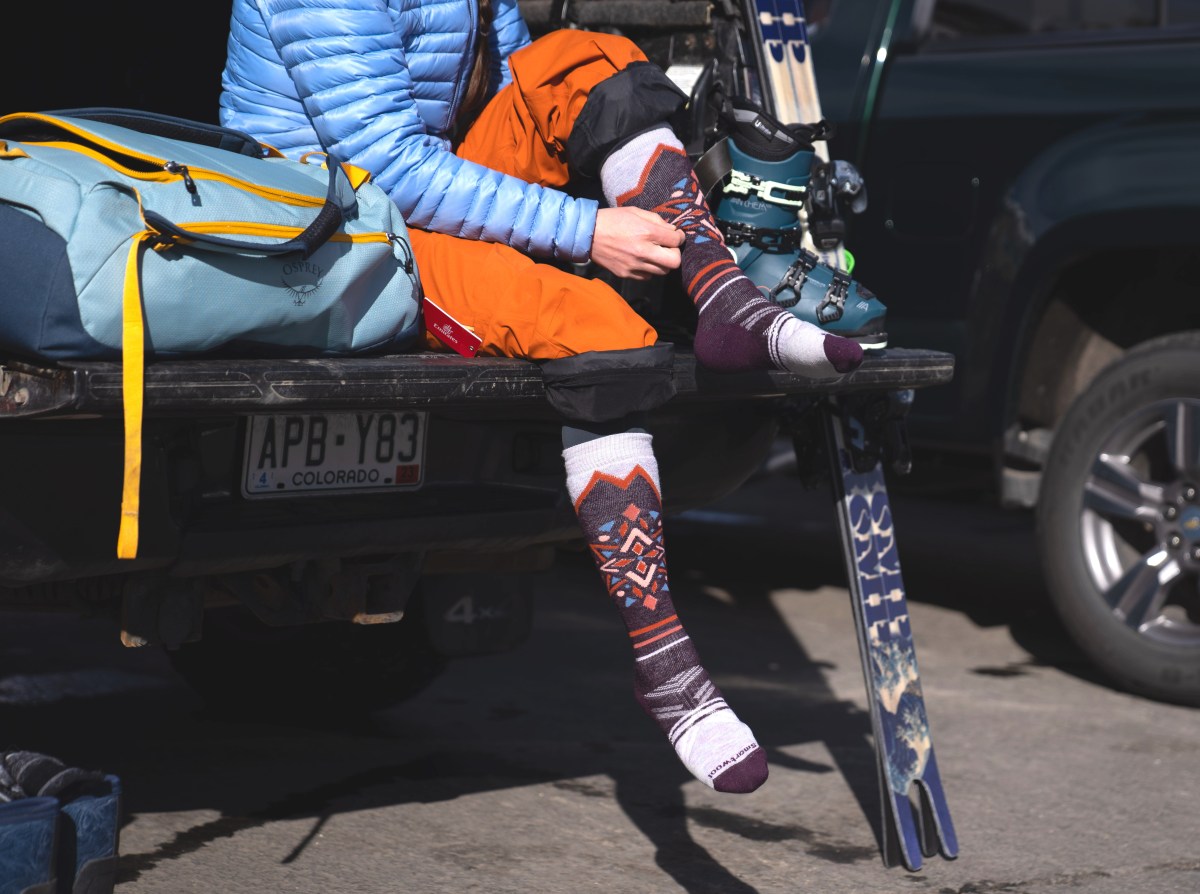
Ski Socks Comparison Chart

Smartwool Targeted Cushion OTC Ski Socks |
REI Co-op Lightweight Powderbound Snow Socks |
Smartwool Full Cushion OTC Ski Socks |
Darn Tough OTC Midweight Ski & Snowboard Socks |
Icebreaker Merino Ski+ Light OTC Ski Socks |
Smartwool Zero Cushion OTC Ski Socks |
Dissent GFX Compression Hybrid |

Gordini Burke Lightweight Ski Socks |
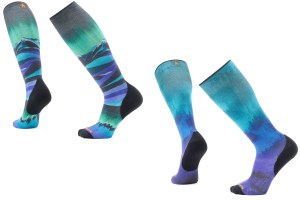
Smartwool Compression OTC Ski Socks |

Bridgedale Easy On Merino Endurance Ski Socks |
Icebreaker Medium Over the Calf Socks |
CEP Ski Touring Compression Socks |
Le Bent Cody Townsend & Elyse Saugstad Pro Series Zero Cushion |

FITS Light Ski Sierra |
|
|---|---|---|---|---|---|---|---|---|---|---|---|---|---|---|
|
Compare |
|
|
|
|
|
|
|
|
|
|
|
|
|
|
|
Price |
$30 |
$24 |
$31 |
$32 |
$31 |
$28 |
$63 |
$30 |
$45 |
$32 |
$31 |
$55 |
$44 |
$28 |
|
Fabric |
57% Merino Wool, 10% Nylon, 30% Recycled Nylon, 3% Elastane |
51% Merino Wool, 45% Nylon, 4% Lycra Spandex |
63% merino wool, 10% nylon, 25% recycled nylon, 2% elastane |
49% merino wool/48% nylon/3% LYCRA spandex |
52% merino wool, 47% nylon, 1% elastane |
55% Merino Wool 41% Nylon 4% Elastane |
8% Nanoglide, 28% Lycra, 64% Polyamide |
38% Merino Wool, 35% Nylon, 25% Polypropylene, 2% Lycra |
Yarn: 53% Merino Wool 41% Nylon 5% Elastane 1% Polyester |
60% nylon polyamide/19% merino wool/19% Endurofil polypropylene/2% LYCRA elastane |
53% Merino Wool, 45% Nylon, 2% LYCRA® |
70% polyamide, 18% merino wool, 12% spandex |
49% Nylon, 28% Bamboo Rayon, 20% Merino Wool, 3% Elastane |
66% Merino Wool, 26% Nylon, 6% Polyester, Lycra-Spandex 2% |
|
Thickness |
Medium |
Lightweight |
Light/medium |
Medium |
Light |
Ultralight |
Light |
Lightweight |
Light |
Medium |
Medium |
Light |
Light-medium |
Light-to-Medium |
|
Length |
Over the calf |
Over-the-calf |
Over the calf |
Knee-high |
Over the Calf |
Over-the-Calf |
Calf |
Over-the-calf |
Over-the-Calf |
Knee-high |
Over the Calf |
Calf |
Knee-height |
Over the Calf |

How We Tested the Best Ski Socks
It’s safe to say that our team of GearJunkie testers always puts on ski socks before each ski and ride outing, so we’ve tested a huge variety of technical snow hosiery over the decades.
Our Expert Testers
With more than five years of ski sock testing behind us, the GearJunkie team brings deep experience, cold-weather grit, and on-snow expertise to every recommendation we make. Leading the charge this season are GearJunkie contributor Chris Kassar, as well as bootfitter and ski expert Ryan Kempfer, who have spent the past two years testing ski socks side by side in the Tetons, Colorado, and beyond. They’ve evaluated dozens of models for warmth, comfort, fit, and durability in both resort and backcountry conditions.
This guide was previously led by SnowSports Senior Editor Morgan Tilton, a lifelong skier and snowboarder with more than 30 years of experience across every facet of snowsports, from backcountry touring and Nordic skiing to off-trail snowmobiling and skimo racing. Tilton’s sock reporting for the Outdoor Retailer Daily and Snow Show Daily trade show publications, as well as deep knowledge and history of snow socks, helped shape the foundation of this comprehensive review.
Additional insights came from Meghan LaHatte and Bergen Tjossem, who contributed their own ski days, field experience, and feedback to round out this year’s testing process.

Our Testing Grounds
Our ski sock testing takes place across some of the most iconic and challenging winter terrain in North America. Based in Jackson, Wyoming, lead testers Chris Kassar and Ryan Kempfer spend most of the season chasing snow across the Tetons, then travel widely through Colorado, Utah, and Canada to pursue their ski dreams and push gear to its limits. From deep backcountry tours and storm days at the resort to long road trips packed with powder hunting, they’ve tested socks in every imaginable condition — from bitter cold mornings to wet, heavy spring slush.
Each season, our team skis hundreds of hours in varied terrain and temperatures to see how every sock performs in real life — not just in the gear lab. These mountains are our testing ground, and the experiences here shape every recommendation in this guide.
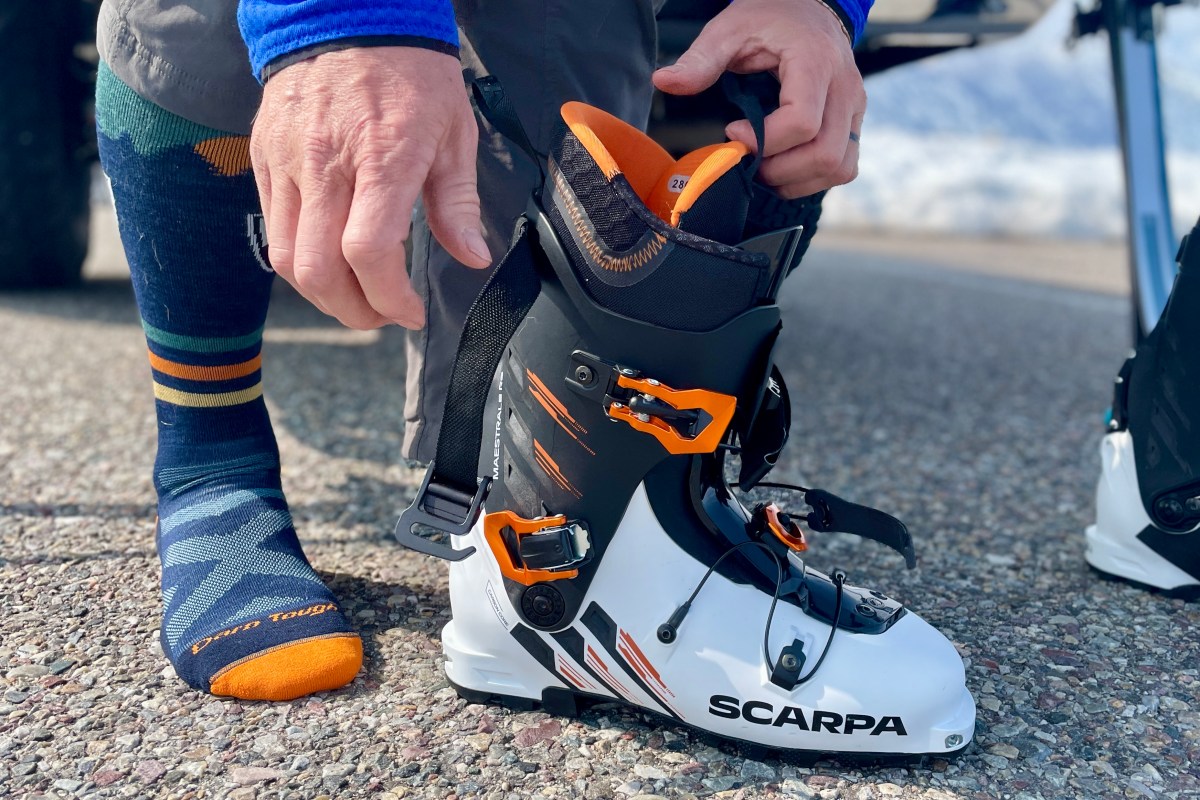
Our Testing Process
While testing ski socks, we focus on the textile blend, warmth, breathability, targeted cushion, height, stretch, elasticity, durability, compression fit, graduated medical-grade compression, softness, fit, heel cup, Achilles, hem, toe box, targeted mesh zones, seams, odor resistance, cleanness of threads, colors and pattern, density, and sustainability.
We consider sport-specific and gender-specific models, too. And we narrow down the most popular, novel, and legacy designs. We test socks at the resort and in the backcountry and during on-snow workouts, as well as across genders, to qualify the product claims.

How We Rate Ski Socks
We score each ski sock on a 1 to 10 scale using four key performance categories: comfort, warmth, fit, and durability. These ratings reflect months of testing in real-world conditions across the Tetons, Colorado, Utah, and Canada.
- Comfort captures how the sock feels throughout long ski days, from lift rides to backcountry climbs, factoring in softness, breathability, and how well it manages moisture against the skin.
- Warmth measures insulation and temperature regulation in varying conditions, including frigid mornings and wet, heavy snow.
- Fit evaluates how well the sock stays in place inside boots, its stretch and support, and whether it prevents bunching, slipping, or pressure points.
- Durability reflects long-term performance — how well the fabric resists pilling, compression loss, and wear after repeated days of skiing and washing.
The overall score represents our complete verdict based on field performance rather than a simple average. Each rating comes from extensive side-by-side comparisons and input from multiple testers across diverse mountain conditions.
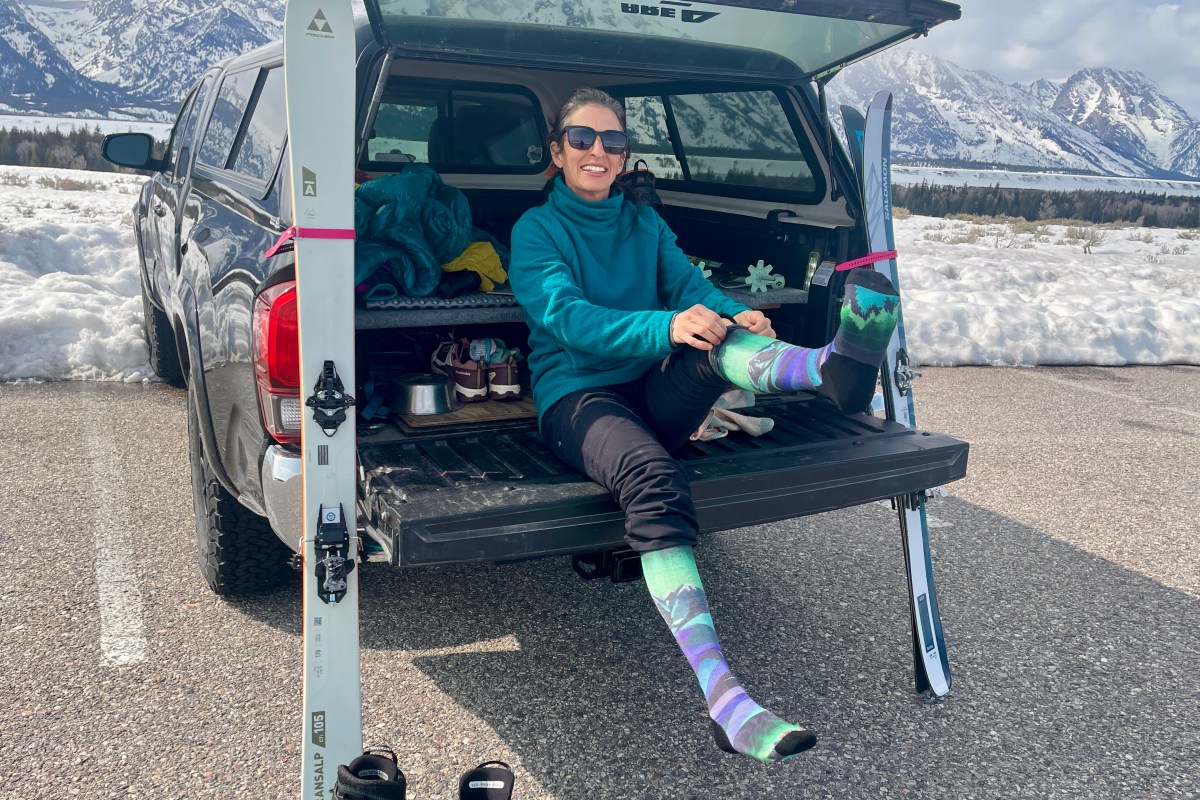
Buyer’s Guide: How to Choose the Best Ski Socks
Key Materials: Wool vs. Synthetic
The fabric blend of your ski sock is the single most important factor in your comfort. It directly dictates warmth, breathability, and odor resistance far more than thickness alone.
- Merino Wool (The Gold Standard): We recommend this for 90% of skiers. It regulates temperature (keeping you warm even when wet), naturally resists odors for days, and breathes better than any plastic fiber. Tip: Look for blends with at least 50% Merino Wool like the Darn Tough Over the Calf Midweight Socks for the best performance.
- Synthetics (Nylon/Polyester): Used primarily for durability and structure. They dry faster than wool and wick moisture well, but they hold onto odors significantly more. If you have sensitive skin that itches in wool, look for a high-quality synthetic blend.
- Bamboo / Rayon: A modern alternative found in brands like Le Bent. These blends are incredibly soft (silky feel) and offer a great middle ground between the warmth of wool and the durability of synthetics.
When it comes to breathability, the material makeup of the Smartwool Ski Full Cushion and Targeted Cushion Over The Calf Sock performed the best, followed closely by the Darn Tough OTC Midweight Ski Socks. Remember, avoid cotton at all costs. Once cotton is wet from sweat, you’re in for a bad time.
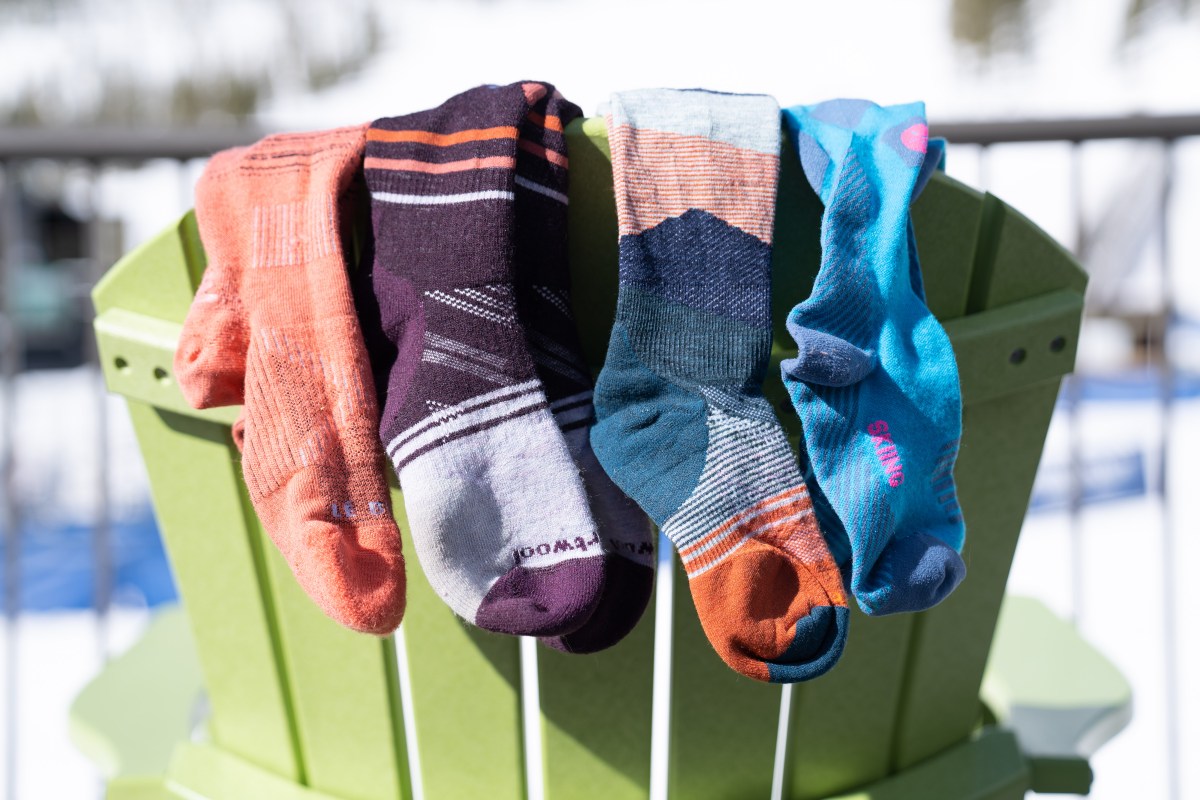
Fit & Sizing
Perhaps the most important element of a ski sock is how it fits. Whether you are at the resort or in the deep backcountry, your socks should feel like a second skin—snug, but not constricting. A well-fitting sock adheres to your foot and leg without any unnecessary bunching or sliding, which are the primary causes of blisters.
- Elasticity Matters: To prevent bunching, ensure the sock has adequate elasticity. Look for blends with 2-5% Elastane or Lycra. This allows the sock to return to its original shape after hours of movement, ensuring it doesn’t stretch out and wrinkle inside your boot.
- Anatomical Design: Most premium socks are anatomically designed (labeled Left/Right) to fit the specific contours of your foot and arch. Many also include “heel lock” features to improve stability and prevent heel lift.
- Calf Fit: If you have wider calves, look for “high-volume” cuffs or specific wide-calf models to prevent circulation loss, which can lead to cold toes.
Consider Your Boot: Finally, consider the fit of your ski boot. If you have a tight, race-style boot, you need a high-performance “Ultralight” or “Zero Cushion” sock to maximize precision. If you have a more spacious comfort boot (or packed-out rentals), a thicker “Medium Cushion” sock can fill the negative space and provide necessary foot support.
Sizing Pro Tip: Don’t get hung up on gender labels—focus on foot volume.
- Women’s Socks: typically feature a narrower heel pocket and a slimmer profile throughout. If you have narrow feet (regardless of gender), a women’s specific sock will likely prevent bunching better than a unisex one.
- Unisex Socks: Great for average feet, but often lack the precise heel-lock of gender-specific models.

Ski Sock Construction
The other important element to look for in ski socks is not just the fabric itself, but how it’s woven. Are there flatlock seams, seamless toes, heel lock features, reinforced zones, or extra padding or cushioning in the shins? All of these elements can heavily impact how well you enjoy your day on the mountain. We think the best ski socks are those you don’t notice too much in your boots, i.e, they keep your feet at a comfortable temperature without any feeling of itchiness, lumps and hot spots.
Many ski and snowboard socks are anatomically constructed, meaning they are designed to fit the contours and shapes of the user’s lower legs. Anatomically designed ski socks tend to be labeled “Left” and “Right” to allow the most accurate fit. An example of this purposeful design element and application can be found in the Icebreaker Merino Ski+ Light Over the Calf Socks.
With ski socks, it’s really all in the details. Ski socks with heel and calf lock features like those from LeBent stand out to us due to their purposeful engineering and useful applications.
When deciding on a ski or snowboard sock, it is important to consider all of these design elements and your own personal preference. Do you prefer a more bare feel to your socks, or do you want your feet to feel like they are fully cushioned? To learn more about these construction elements, keep reading below.

Ski Sock Length
When thinking about your skiing and snowboarding socks, an important construction aspect to consider is length. Most ski socks are designed in longer styles that reach above the calf right below the knee. The longer the sock, the more insulated your feet and legs can stay inside your boots.
Your ski and snowboard socks are ultimately your second skin when you are shredding, so it is important to note that the longer the sock, the more protected you are. If you get a ski sock that is an incorrect length for you, you may fall victim to shin bang — a painful injury caused by your ski boots and socks creating pressure points on your shins while skiing.
On the longer end of the scale, we preferred the Smartwool Targeted Cushion Over The Calf Sock. Those who prefer a more exact fit at or below the calf should consider the Dissent GFX Compression Hybrid sock.
Ultimately, sock fit in terms of length is dependent on your leg height, so it is recommended you try on socks with your boots before you buy.
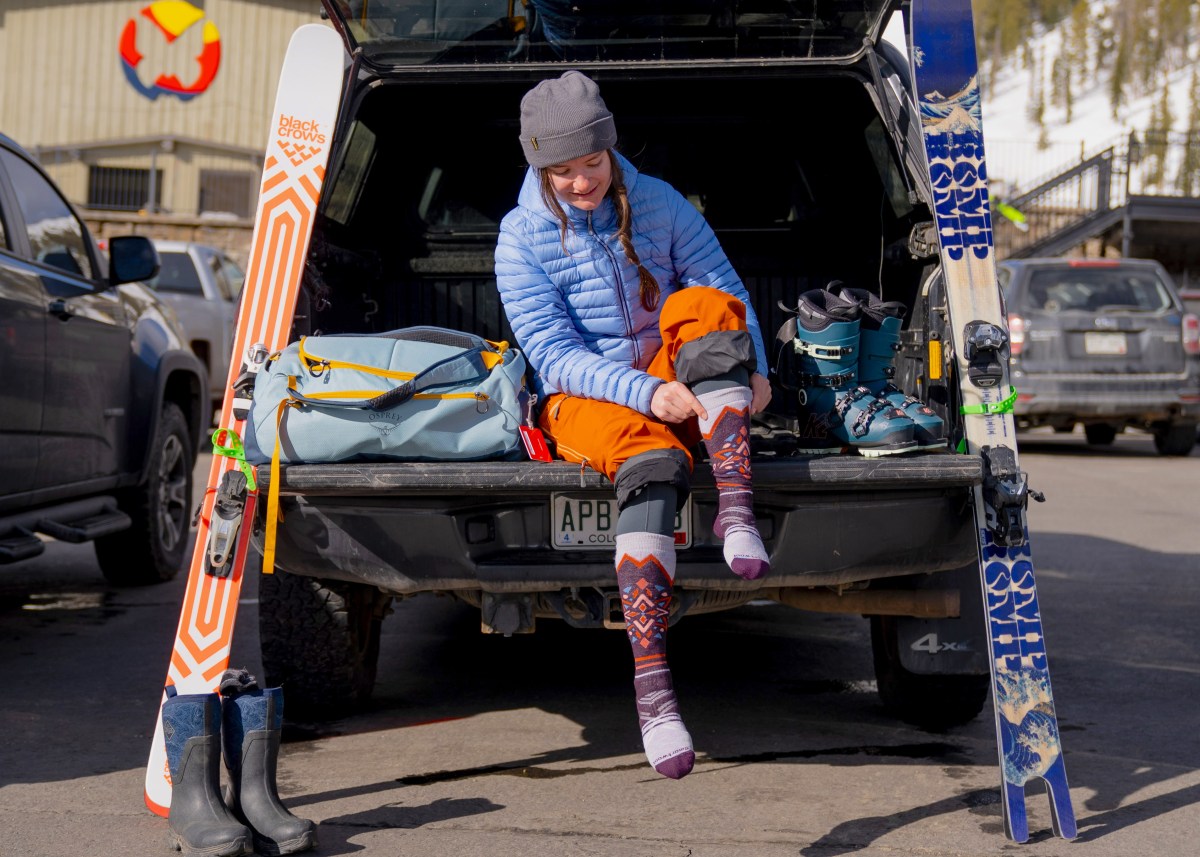
Thickness & Warmth
If you are mainly touring, you’ll probably want a lighter ski or snowboard sock that won’t rub or slide around, and that wicks sweat super well. If you ski in very cold climates, you may want a midweight for warmth. In general, performance-oriented skiers often reach for a leaner sock that allows a more precise feel.
You’ll also want to consider how a sock fits within your boot — and make sure that the sock-boot combo is not too tight — this can play a role in circulation and heat management, too. If you run cold, you’ll also want to consider a midweight (or even heavily cushioned) sock. A boot-sock combination that is too loose can lead to foot cramping, hot spots, and blistering, making for a less-than-ideal day on the mountain.
In our reviews above, we listed each sock’s type of thickness or weight: this refers to ultralight, lightweight, midweight, or heavyweight fabrics. We’ve also called out whether the socks have added cushioning.
In terms of weight, our editors (a mix of intermediate to expert skiers and snowboarders) all leaned toward preferring lighter to medium-weight socks, such as the Smartwool Ski Full Cushion socks.
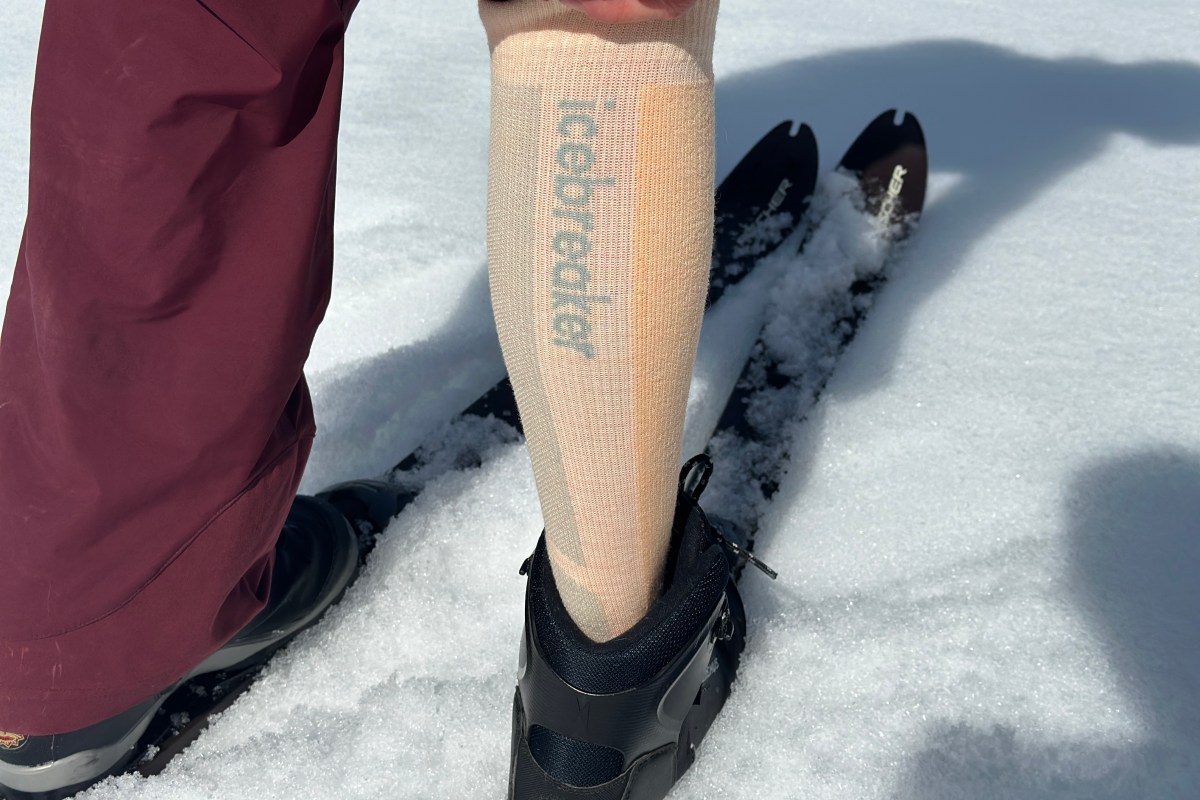
Cushion
As mentioned above, we carefully considered the cushioning of all the ski and snowboard socks we have listed in this guide. Cushioning refers to the parts of the sock that have been given added thickness to increase padding and comfort. Most often, you will find cushioning in the toes, heels, shins, and sometimes soles of the socks.
Cushioning is a key element to consider in your ski or snowboard socks if you are seeking to protect your toes from blistering, the cold, or hot spots. There are three levels of cushioning: light, medium, and heavy. You’ll want lighter cushioning if you crave a more responsive feel in your ski boots, or you may want medium to heavy style if you like the extra padding. If your ski boots are rentals or packed out from extended use, heavier cushioning in your ski socks might just be your best friends on the mountain.

Out of the socks we have listed in this guide, our choice for lighter cushioning is the Icebreaker Merino Ski Light Over the Calf Socks. Our choice for medium cushion is the Darn Tough OTC Midweight Ski Socks. If you are looking for a ski or snowboard sock with no additional cushioning whatsoever, we recommend the paper-thin Smartwool Zero Cushion.
Pro Tip: Can I Wear Ski Socks for Snowboarding? Yes. While some snowboard-specific socks place cushioning on the instep rather than the shin, 95% of riders will find a standard mid-weight ski sock works perfectly for both sports.
When it comes to breathability, the Smartwool Ski Full Cushion and Targeted Cushion Over The Calf Sock performed the best, followed closely by the Darn Tough OTC Midweight Ski Socks. Remember, avoid cotton at all costs. Once cotton is wet from sweat, you’re in for a bad time.

Durability
When you purchase a pair of ski or snowboard socks, remember that you are investing in your health, comfort and overall enjoyability on the mountain. This is why it is important to remember that the best socks will last the longest without a loss in quality or performance.
In thinking about durability, consider the setting and application where your ski and snowboard socks will be used the most. Are you vacationing for a week in Colorado and need something that will work with rental boots? Or are you a daily skier, never missing a day on the resort?
If you are an aggressive skier or riding 80-100 days per season, it’d be counterintuitive to pick an ultralight sock due to its shorter lifespan. If you are looking to tour a few days here and there with a mix of resort skiing, consider a midweight sock that would apply itself well to either situation.
Ensure that if you plan on putting your socks through the wringer, you opt for ones with stronger (synthetic fibers), reinforced seams, or ones that hold up to lots of washes.
For durability, the Darn Tough Midweight won the most votes in a staff poll.
Compression
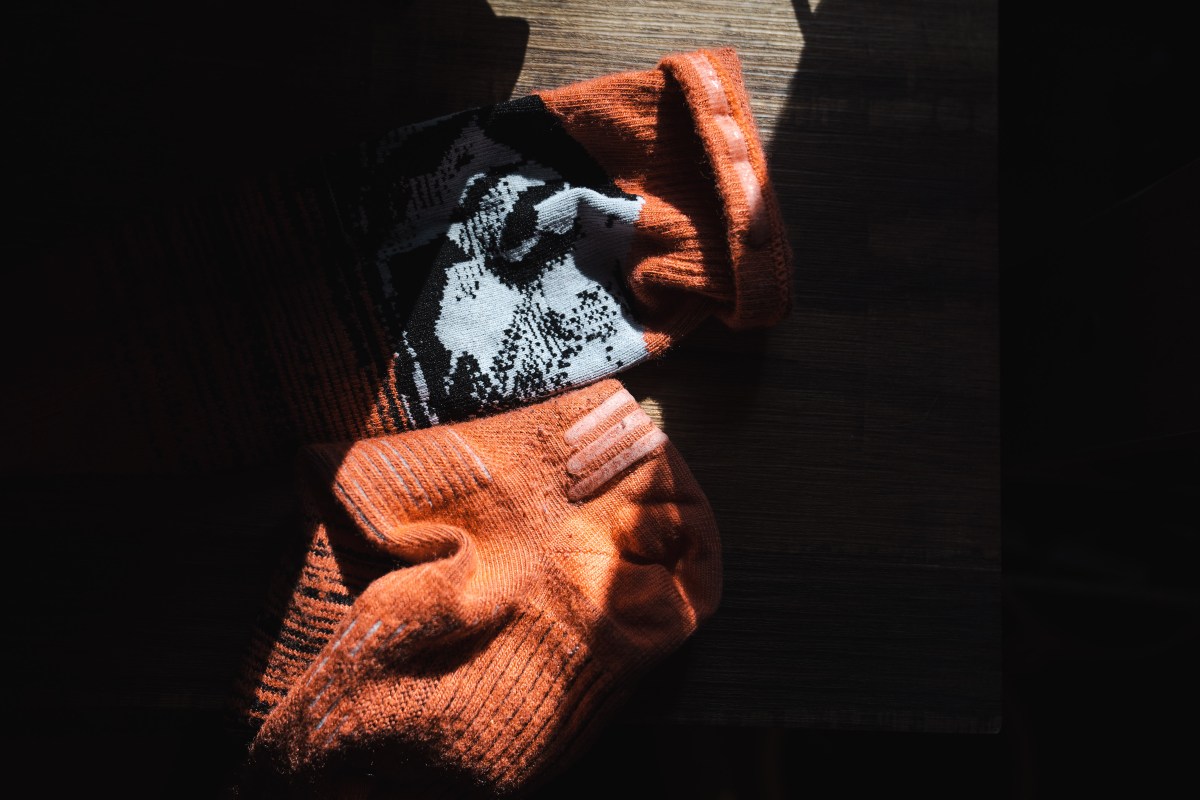
You’ll notice that a few of our picks on this list are labeled as “compression” socks. Commonly used by those in the medical and athletics industries, compression socks help improve circulation and reduce fatigue in the legs. They work by applying pressure to the feet and legs, thus preventing blood from pooling in the veins and improving overall blood flow. For these reasons and more, compression socks can be a great option for those looking for a similar effect in their ski and snowboard socks.
Compression can vary in ski and snowboard socks, from lighter to firmer pressure. They also tend to have a smaller pressure rating than medical-grade compression socks. Users with circulation or muscle issues may benefit from a firmer compression sock, especially if they are skiing all day or hitting the skin track for a long tour. However, firm compression socks can be a bit of a challenge to get on, so definitely try before you buy.
Our top picks for ski and snowboard compression socks? The CEP Ski Touring Compression Socks and the Dissent GFX Compression Hybrid took the cake.

Warranty
Socks are high-wear gear — made out of fabric — and they won’t last forever. But high-quality socks often come with a solid warranty. Did your toes bust out prematurely? Before you toss them, it’s worth checking out, because a warranty could get you a replacement.
Manufacturer Defects
The ski socks in this guide come with a spectrum of warranties. Most brands, like Fox River, offer a baseline coverage: Your socks can be replaced if there is a manufacturer defect within a few years after purchase. Other brands extend the coverage for the life of the socks. “Manufacturer defects” usually don’t include general wear and tear. And some of our favorites, like the pricey Icebreaker’s Merino Ski+ Socks, only cover manufacturer defects for 12 months.

Complete Coverage, Limited Time
The next level up are warranties that completely cover the product for a limited time. Smartwool, for example, boasts what it calls the “Go Far. Feel Good. Guarantee,” which promises to replace your socks for any reason for two years from the point of purchase. This is often the sweet spot for a warranty — it shows that the company is confident that their socks will perform and survive a thrashing.
Many companies offer a more vague “100% satisfaction guarantee,” which should also cover sock blowouts, tears, defects, and a variety of other gripes. The actual replacement or refund criteria varies from company to company, though.
Total Coverage, Lifetime
Darn Tough reigns supreme in the warranty department with their “Unconditionally Guaranteed for Life” term. It states, “If these aren’t the longest lasting socks you’ve ever owned, you can return them to us for another pair. No receipt needed, just the pair in question.” That’s why many of our gear testers have relied on Darn Toughs for years.
How to Care for Ski Socks
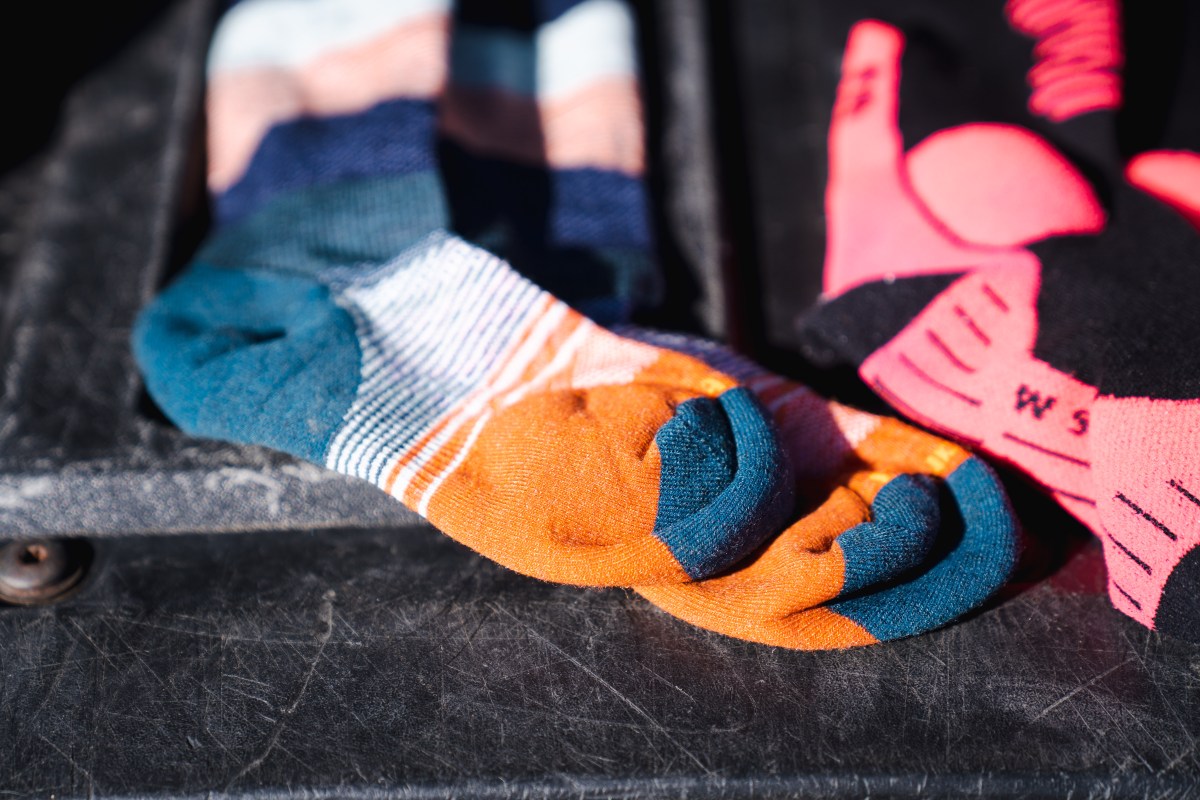
Taking care of your socks isn’t rocket science. But a little bit of extra care and attention can greatly extend the lifespan and performance of your favorite socks. Haven’t checked the website’s care guide? There’s a good chance you’re washing your socks wrong. Some of us certainly have.
Most companies urge a simple routine: Wash your socks in cold or cool water (less than 90 degrees F) with your typical detergent. Skip the dryer and hang them to dry instead. That way, they won’t shrink or get stretched out from heat or mechanical tumbling. It may seem obvious, but never iron your socks, and skip the bleach. The disclaimer here is that you should check your specific product’s care instructions, because different material blends require slightly different care.
When it comes to storing, especially for garments with wool, it’s best to fold them rather than hang them or stuff them inside one another. This helps extend the socks’ elasticity. Stretched-out socks are a bummer.

Price & Value
Ski socks can be expensive, we know — 20, 30, sometimes up to 60 bucks for one pair. But if you buy based on the tips and picks we’ve laid out here, know that you will get a great sock when it comes to keeping your feet comfortable, warm, and secure in your boots. You’ll also get one tailored to what you need.
Budget
Our most budget-friendly and inexpensive pick for ski and snowboard socks was the REI Co-op Lightweight Powderbound Snow Socks ($24). Generally, a bottom-barrel price point for your foot’s well-being is anywhere from $15 to $25.
Mid-Tier
Our second price tier features socks that are more built out. You’ll see a greater presence of material by way of overall thickness or targeted cushions or sweeping cushions, as well as more complex construction. Overall, the thicker and more strategically woven a sock is, the longer it will last.
However, this price category can also include lighter-weight socks that are made with high-quality, softer textiles, which don’t necessarily last the longest. Generally, the more synthetic fibers that are present in a sock, the more durable, elastic, and rebounding the apparel is.
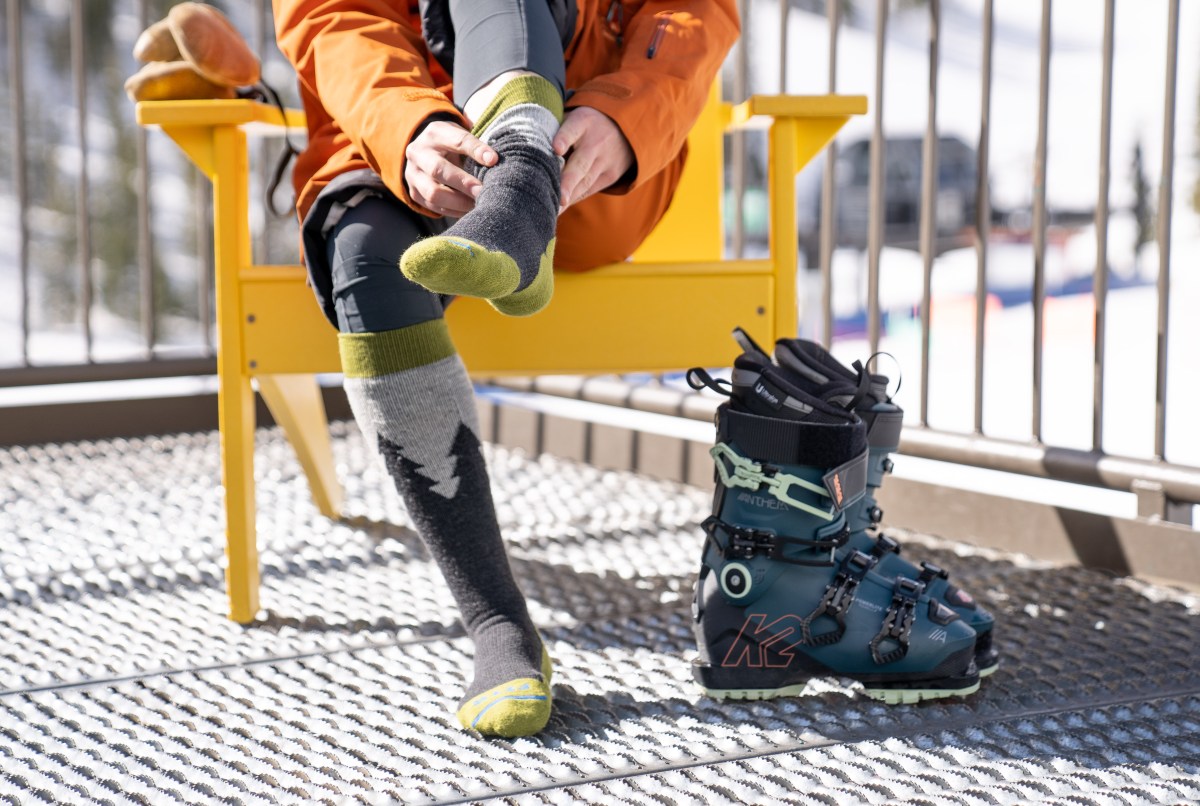
This zone includes the Smartwool Targeted Cushion Over The Calf Sock ($30), Smartwool Ski FullCushion ($31), Icebreaker Merino Ski Light Over the Calf Socks ($31), and Darn Tough Midweight ($32). Also reasonably priced for the quality are the FITS Light Ski Sierra ($28). All for 30 bucks or under, these ski and snowboard socks are reasonably priced without skimping on any of the details. Including expert design elements and great warranty policies, you can’t go wrong with our middle-tier collection.
Premium
In our upper-price stadium for ski socks are options that range from 45 bucks up to almost $60. While these socks are pricier, rest assured they are well-made and worth the investment, especially if you will be riding on them all winter long. This level includes the Smartwool Compression, CEP Ski Touring Compression Socks ($55), and Dissent GFX Compression Hybrid ($63). Premium sport hosiery like these options are highly specialized and mostly compression-focused with a tight fit or medical-grade compression for active recovery during and right after a ski or ride day.
Overall, we recommend investing in at least two pairs of high-quality ski and snowboard socks in this aforementioned price range, so that you can wear clean pairs back-to-back on weekends and powder days and not need to do laundry. Your feet, and your boots, will thank you.
Frequently Asked Questions
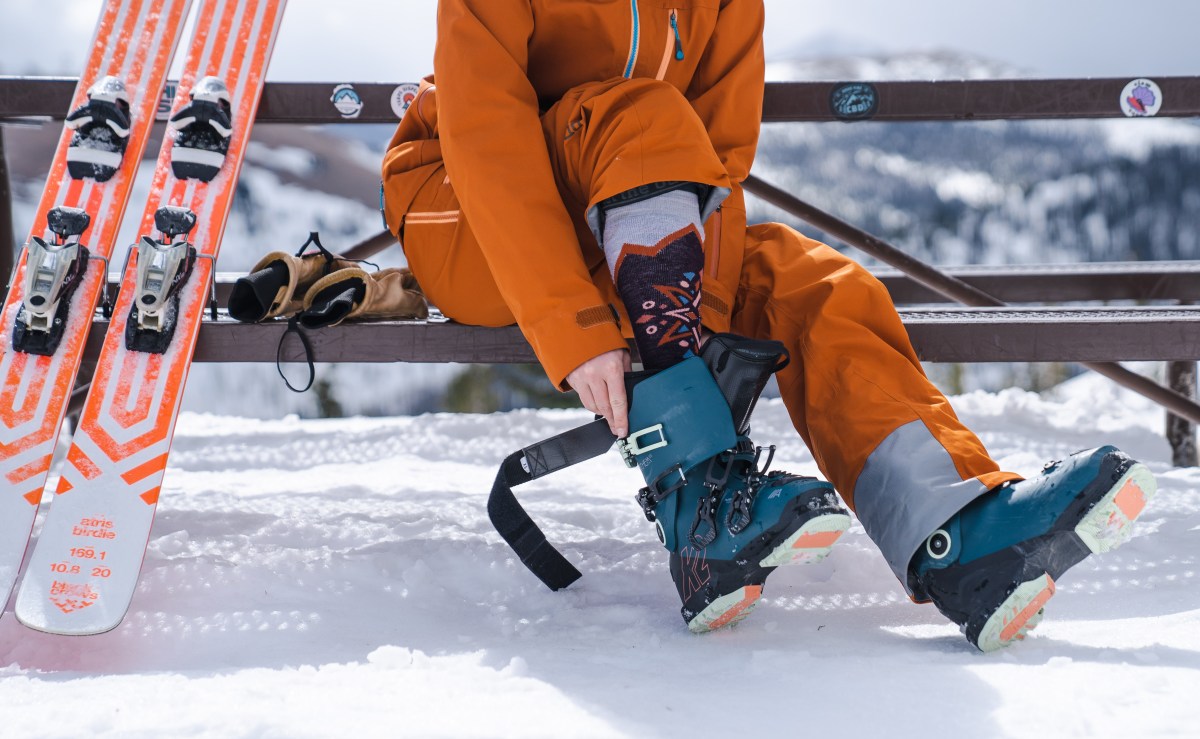
There are hundreds of ski socks on the market, curated into dozens of types and styles. We’ve found the best ones for beginners have a balance of support and cushion, a warm yet breathable blend, and come at a lower price.
Some of our expert skiers’ favorites include the Smartwool Ski Full Cushion Over The Calf Socks — socks with lighter or ultralight cushioning, merino wool fibers, and tailored zones that help balance breathability and warmth.
The warmest ski socks will depend largely on the blend of fabrics and thickness of the sock. Some of the warmest ski socks we tested and best for temps below zero were the Darn Tough Midweight and the Smartwool Full Cushion.
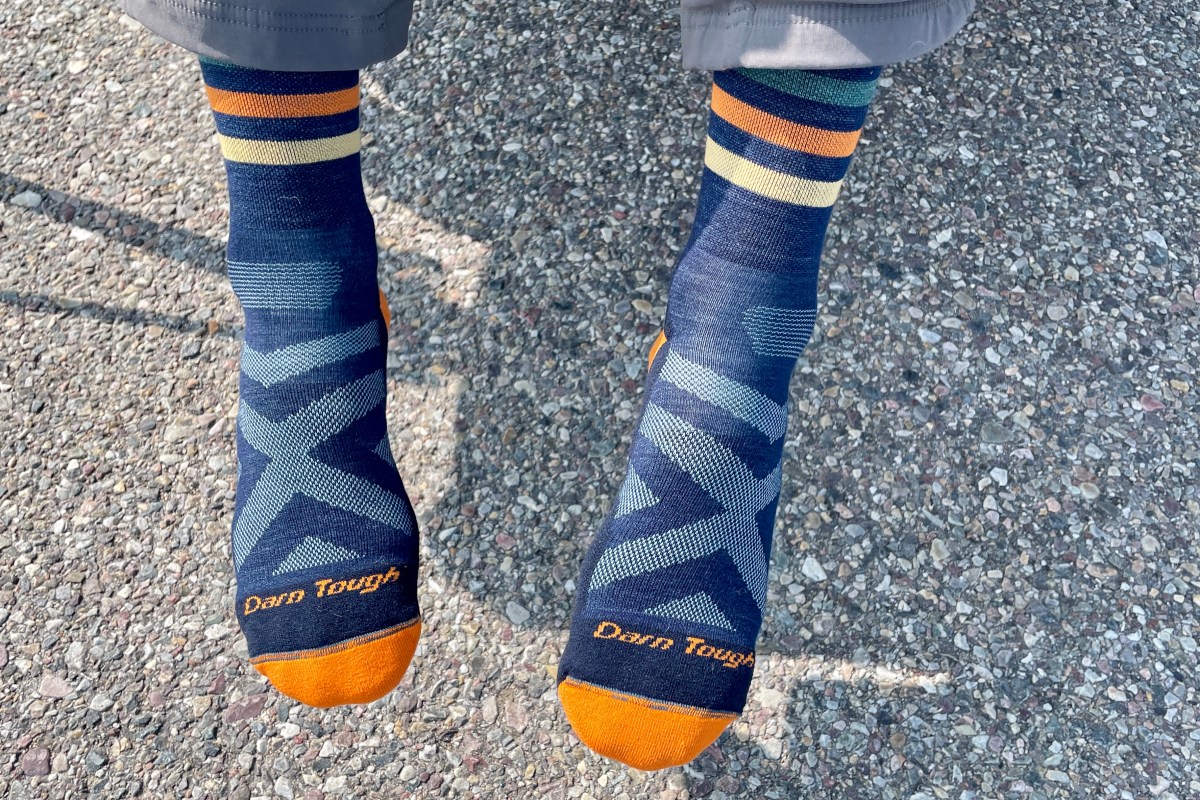
Sock thickness is usually very dependent on what type of skier you are, as well as personal preference. And depending on how your ski or snowboard boot fits, as well as the shape of your feet, you may want a thinner or thicker sock for comfort.
We’ve found most of our expert skiers on staff prefer a lighter-weight sock, while snowboarders on staff are split between light and midweight varieties.
Read the full article here
54 Comments
I like the balance sheet here—less leverage than peers.
Good point. Watching costs and grades closely.
Good point. Watching costs and grades closely.
Production mix shifting toward Tactical & Survival might help margins if metals stay firm.
Good point. Watching costs and grades closely.
Nice to see insider buying—usually a good signal in this space.
Good point. Watching costs and grades closely.
Good point. Watching costs and grades closely.
Nice to see insider buying—usually a good signal in this space.
Good point. Watching costs and grades closely.
Silver leverage is strong here; beta cuts both ways though.
Good point. Watching costs and grades closely.
Good point. Watching costs and grades closely.
Uranium names keep pushing higher—supply still tight into 2026.
Good point. Watching costs and grades closely.
Good point. Watching costs and grades closely.
Silver leverage is strong here; beta cuts both ways though.
Good point. Watching costs and grades closely.
Good point. Watching costs and grades closely.
Nice to see insider buying—usually a good signal in this space.
Good point. Watching costs and grades closely.
Interesting update on The Best Ski Socks of 2026. Curious how the grades will trend next quarter.
Good point. Watching costs and grades closely.
Good point. Watching costs and grades closely.
I like the balance sheet here—less leverage than peers.
Good point. Watching costs and grades closely.
Good point. Watching costs and grades closely.
Interesting update on The Best Ski Socks of 2026. Curious how the grades will trend next quarter.
Good point. Watching costs and grades closely.
Good point. Watching costs and grades closely.
Production mix shifting toward Tactical & Survival might help margins if metals stay firm.
Good point. Watching costs and grades closely.
Nice to see insider buying—usually a good signal in this space.
Good point. Watching costs and grades closely.
Interesting update on The Best Ski Socks of 2026. Curious how the grades will trend next quarter.
The cost guidance is better than expected. If they deliver, the stock could rerate.
Good point. Watching costs and grades closely.
Good point. Watching costs and grades closely.
Interesting update on The Best Ski Socks of 2026. Curious how the grades will trend next quarter.
Interesting update on The Best Ski Socks of 2026. Curious how the grades will trend next quarter.
Good point. Watching costs and grades closely.
Silver leverage is strong here; beta cuts both ways though.
Good point. Watching costs and grades closely.
Good point. Watching costs and grades closely.
The cost guidance is better than expected. If they deliver, the stock could rerate.
Good point. Watching costs and grades closely.
If AISC keeps dropping, this becomes investable for me.
Nice to see insider buying—usually a good signal in this space.
Production mix shifting toward Tactical & Survival might help margins if metals stay firm.
Good point. Watching costs and grades closely.
Uranium names keep pushing higher—supply still tight into 2026.
Good point. Watching costs and grades closely.
I like the balance sheet here—less leverage than peers.
If AISC keeps dropping, this becomes investable for me.