


The lift line ends, the skin track begins, and suddenly your skis are a whole lot more than gear. They’re your ticket to freedom. The best backcountry skis walk a fine line: light enough to save your legs on a 4,000-foot climb, but damp enough to charge variable snow on the way down. Nail one half and botch the other, and you’ll know it by lunch.
To separate the winners from the also-rans, on-snow testers Chris Kassar and Ryan Kempfer tested more than 25 top models in our most recent test period. They skied on these pairs for weeks at a time across the Tetons, the Rockies, Canada, and the East Coast, covering hundreds of miles and many thousands of vertical feet.
Whether you want a featherweight mountaineering tool like the Black Diamond Helio, a high-end charger like the Atomic Backland 102, or a lightweight value ski like the Dynafit Blacklight 88, this guide breaks down the best backcountry skis for the 2026 season.
Editor’s Note: We updated this guide on November 6, 2026, removing products that were no longer relevant, refreshing reviews with signposts and bottom-line summaries, adding a rewritten intro and a new comparison chart.
The Best Backcountry Skis of 2026
Best Overall Backcountry Skis
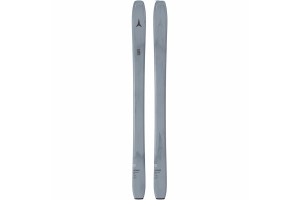
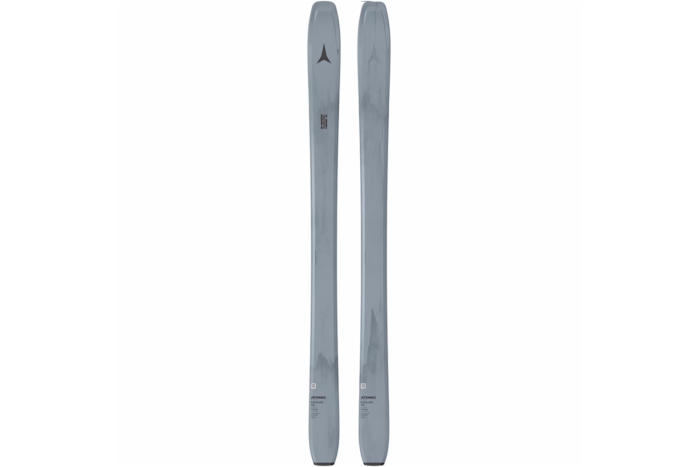
Atomic Backland 102
Best Value Backcountry Skis

Dynafit Blacklight 88
Best Playful Backcountry Skis
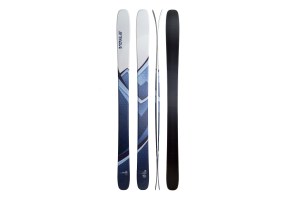
Voile Hyper Manti Skis
Best Uphill Backcountry Skis

Black Diamond Helio Carbon 88
Best Powder Backcountry Skis
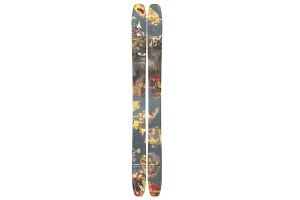
Atomic Bent Chetler 120
Best 50/50 Backcountry Skis
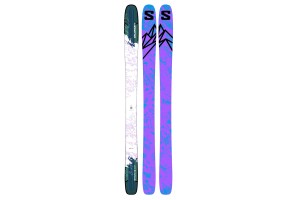
Salomon QST Echo 106
Best Technical Backcountry Skis
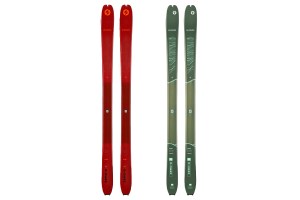
Blizzard Zero G 96
See more picks
Atomic Backland 102
-

-
(Photo/Rachel Laux)
-
(Photo/Will Brendza)
-
(Photo/Will Brendza)
-
Agile uphill doesn't compromise performance or fun skiing down; (photo by Berne Broudy)


Specifications
Pros & Cons
Pros
- Extremely lightweight
- High-energy and playful
- Low carbon emission construction process
- Float extremely well in powder
Cons
- Not good for hard chop and chunder
Bottom Line: A nimble uphill ski that doesn’t sacrifice downhill fun. It’s light, floaty, and playful, and it was unmatched in deep powder and capable across the variable snow most of us actually ski. The lightweight build gets bucked around in hard chop, crust, and ice.
Choosing a nimble uphill ski often means sacrificing performance on the downhill. The Atomic Backland 102 ($750) breaks that paradigm. Designed with big mountain skier Chris Rubens, this ski is light, nimble, floaty, and just as fun with a pin-tech or hybrid binding on a powdery inbounds day. We tested it during a three-day blizzard at Utah’s Powder Mountain.
The Tech: Built for big mountain touring, the Backland 102 has a lighter, lower-impact construction with more poplar wood and less metal, fiberglass, and resin. The core is poplar and caruba, with a full ash inlay underfoot for a stable binding mount. Atomic’s hollow HRZN 3D tip adds float, and the tip-tail rocker has camber underfoot. Atomic also cut the ski’s carbon footprint by 26% by using fewer raw materials and more recycled content across its construction.
What We Like: The ski offers better float and more uphill efficiency, and the construction delivers a smoother flex and livelier feel. The light yet solid core balances grams with performance, and the rocker and camber profile keeps it playful and easy to maneuver in soft snow. When the snow is deep, this ski excels: it carves creamy turns, pops through the fluff, and handles soft chop and corn with ease. You can carve long, floaty arcs or bounce from turn to turn right near the surface of the snow. When it comes to backcountry performance, the Backland 102 is unmatched in deep pow and highly capable across the variable snow most of us actually ski.
What We Don’t: In hard chop, crust, or icy conditions, its lightweight build can get bucked around. The Backland 102 still performs adequately on that kind of snow; it just isn’t its specialty.
Should You Buy It? If you want a ski that’s fun uphill and down, pair it with a hybrid binding like the Atomic Shift for more power on the descent, or go full pin-tech to save energy on long climbs.
Dynafit Blacklight 88

Specifications
Pros & Cons
Pros
- Light and efficient on long climbs
- Strong edge hold on firm and variable snow
- Precise feel for technical terrain
- Affordable for a lightweight backcountry ski
Cons
- Less forgiving in soft or chopped-up snow
- Not ideal for powder-focused or playful skiing
Bottom Line: A lightweight, no-frills touring ski that climbs quickly and descends with a precise, confidence-inspiring feel, at a price that undercuts many skis in its category. It delivers nearly the same climbing efficiency as the Black Diamond Helio Carbon 88 for significantly less cash. It isn’t forgiving in soft or chopped-up snow.
The Dynafit Blacklight 88 ($750) is a lightweight backcountry ski built for skiers who prioritize efficiency on the climb while still wanting a predictable ride during descents, all at a price that undercuts many skis in its category.
The Tech: The Blacklight 88 has a Paulownia wood core reinforced by carbon and fiberglass. It has a narrower waist and a directional shape. It’s a focused, no-frills design that emphasizes performance and value over flashy extras.
What We Like: On the skin track, it feels quick and efficient, making long approaches, steep skin tracks, and frequent transitions noticeably easier. Downhill, it skis with a crisp, responsive feel, offering strong edge hold on firm snow, spring corn, and wind-affected surfaces. The narrower waist and directional shape reward good technique and make it especially well-suited for couloirs and mountaineering-focused objectives. While it lacks the premium dampness of the Black Diamond Helio Carbon 88, which earned our Uphill Performance award, the Blacklight delivers nearly identical climbing efficiency for significantly less cash. It combines low weight, reliable edge hold, and a competitive price into a streamlined package.
What We Don’t: The trade-off is forgiveness. In softer snow and chopped-up conditions, the Blacklight 88 can feel demanding compared to wider, heavier skis, and it lacks the suspension needed to smooth out truly rough descents. It’s a ski that favors precision and efficiency over playfulness, especially when conditions turn deep or inconsistent.
Should You Buy It? The Blacklight 88 stands out as a strong value for skiers focused on human-powered travel. It makes sense for big days, big vert, and technical terrain where efficiency matters most.
Voile Hyper Manti Skis


Specifications
Pros & Cons
Pros
- Ideal for ultra lightweight touring
- Playful design allows for surfing and maneuverability
- Short turn radius
- Intuitive
Cons
- Tips chatter on hard pack at high speeds
- Mellow top sheet design (but getting better year after year)
Bottom Line: A ski that makes you grin the moment it touches snow. It’s intuitive, maneuverable and light on its feet, with buoyant float in deep powder and a dependable edge on firm spring mornings. The lightweight carbon build chatters on hardpack, so it isn’t the pick for resort laps.
The Voile Hyper Manti ($850) is one of those skis that makes you grin the moment it touches snow. It quickly became a tester favorite for big backcountry days and deep powder missions, and after multiple seasons of testing, our team remains impressed by its blend of agility, stability, and pure fun factor.
The Tech: Voile’s “Hyper” construction replaces the traditional poplar core with a double layup of carbon and paulownia wood. The ski has early rise in the tip and a subtly rockered tail.
What We Like: The light build still feels stable on the descent, and the rocker profile floats easily, engages turns smoothly, and lets you flow through trees and powder with confidence. Across steep Tetons couloirs and high Colorado peaks, it delivered reliable control and playful response through soft snow, wind crust, and breakable slabs. It’s one of those rare skis that feels predictable in nearly every condition. On storm days, it surfed through deep powder with buoyant ease, while on firm spring mornings it still held a dependable edge without feeling nervous or twitchy. When the terrain tightened or conditions changed, it responded intuitively, quick to pivot and steady when driven.
What We Don’t: The lightweight carbon build does introduce some chatter on hardpack. If you spend most of your time on groomers or resort laps, the heavier Ultra version may be the better call.
Should You Buy It? For backcountry skiers chasing fresh snow and variable conditions, or anyone looking to earn turns in deep snow or explore big alpine terrain without carrying extra grams, the Hyper Manti is a playful, high-energy touring ski that rewards effort with smooth, confident turns and a big smile at the bottom.
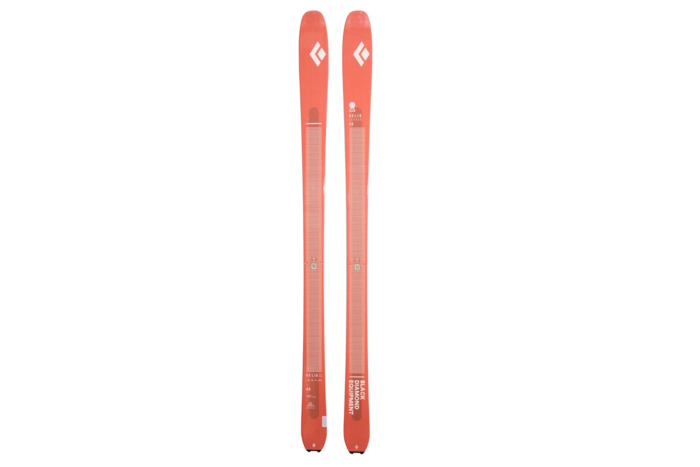
Black Diamond Helio Carbon 88
-
-
(photo/Elk Raven Photography)
-
BD Helio Carbon 88s were our favorite for light and fast missions; (photo/Elk Raven Photography)
-
Black Diamond Helio Carbon 88; (photo/Elk Raven Photography)
-
(photo/Elk Raven Photography)
-
The early rise of the lightweight Black Diamond Helio Carbon 88 helped keep us afloat in fresh snow; (photo/Elk Raven Photography)


Specifications
Pros & Cons
Pros
- Ultra-lightweight
- Versatile
- Responsive
- Great combo of uphill and downhill performance
Cons
- Chatter on extreme hard pack at high speeds
- Not designed for the deepest days
Bottom Line: An ultralight touring ski that climbs effortlessly and stays impressively composed on the way down. It earned our Best Uphill Performance award for its damper, more composed ride than similar skis, and it floated better than expected in the Tetons’ regular refreshes. At 88 mm underfoot, it isn’t built for storm days, and it chatters on hardpack.
The Black Diamond Helio Carbon 88 Skis ($825) are built for big objectives and long days when speed and efficiency matter as much as downhill confidence. Whether you’re cranking out a dawn patrol lap or tackling an all-day sufferfest, these ultralight boards deliver a rare mix of uphill ease and reliable performance in technical terrain. Over a full year of testing in Wyoming and Colorado, we logged more than 30 tours on them, and they became our go-to for sunrise skins up the steep slopes of Snow King in Jackson.
The Tech: Among the lightest skis in our lineup, the Helio Carbon 88 is 88 mm underfoot, with a stiff construction, a short turning radius, and a carbon fiber layup. It has early-rise tips and a small tail bumper that keeps climbing skins securely centered to prevent snow creep and skin slippage.
What We Like: They cruise uphill effortlessly, yet remain impressively composed on the way down. The stiff construction and carbon layup keep them stable through variable snow and damp out most chatter, and they held their own from icy groomers and tight trees to spring corn and fresh refills. The early-rise tips kept us floating better than expected through the Tetons’ regular 8- to 12-inch refreshes, and even in deeper snow, they skimmed just below the surface with some careful balance work, proving more capable than their dimensions suggest. They cut cleanly through crud, hold a strong edge in refrozen corn, and respond quickly when jump turns are needed on steep descents like Colorado’s Mount Taylor or Mount Aetna. The nimble feel and snappy rebound made technical terrain more approachable, while the featherweight build saved energy on long approaches and boot packs. While the Dynafit Blacklight 88 took home our “Best Value” award for offering similar weight savings at a lower price, the Helio Carbon 88 edged it out for “Best Uphill Performance” thanks to a slightly damper, more composed ride that justifies the extra investment for big objectives.
What We Don’t: The main drawbacks are their width and weight class limits. At 88 mm underfoot, they’re not made for bottomless powder days, and you’ll want something wider, like the Voile Hyper Manti or Atomic Bent Chetler 120, when storms dump over a foot of snow. Though they hold a solid edge, they can chatter a bit when really pushed on hardpack or resort groomers.
Should You Buy It? For high-alpine missions, big traverses, or technical tours where light weight and precision matter most, the Helio Carbon 88s are hard to beat. They climb fast, descend confidently, and strike the perfect balance between efficiency and control for dedicated backcountry skiers.
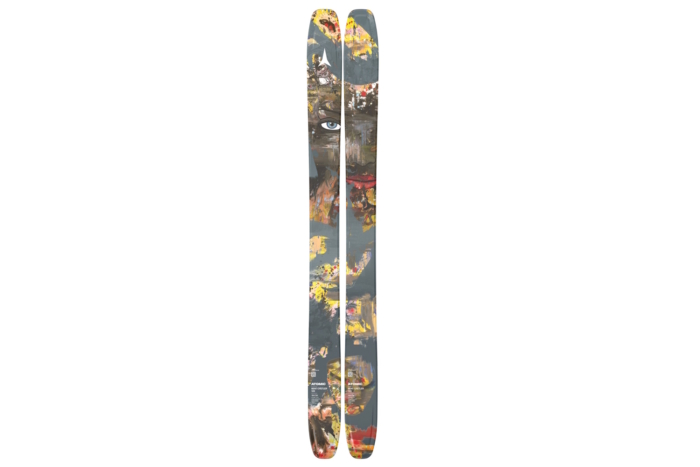
Atomic Bent Chetler 120
-
-
A quiver ski that shines in powder but isn’t the most versatile for mixed conditions; (photo/Berne Broudy)
-
Less metal and resin, more recycled content—designed for better performance with a smaller footprint; (photo/Berne Broudy)
-
Sizing up adds speed and float, while a shorter length improves agility in tight terrain; (photo/Berne Broudy)
-
From the first turns, the Bent Chetler 120 felt powerful, grippy, and playful in deep snow; (photo/Berne Broudy)
-
(Photo/Berne Broudy)


Specifications
Pros & Cons
Pros
- Cool graphics
- New, more eco-friendly construction
- Surfy and playful
Cons
- Not as versatile as other skis
- For the deepest days only
- Heavy for the uphill
Bottom Line: The ski that turns powder days into pure play, and our favorite touring ski for deep snow and creative lines. It’s poppy, surfy, and floaty, and it smooths out soft snow and windblown crust. It isn’t built for groomers or hardpack, so save it for the big storm days.
The Atomic Bent Chetler 120 ($850) was significantly redesigned for 2025 by its namesake, Chris Bentchetler, who calls it the harmonic convergence of art and skiing. We agree: this is the ski that turns powder days into pure play.
The Tech: The ski is built around a lightweight poplar wood core that’s slightly stiffer than before, with a 120 mm waist. It has a twin-tip design, generous rocker, a full-wrap tip and tail profile, and an updated HRZN 3D tip and tail. The turn radius is long. The new core uses more poplar and less metal, fiberglass, and resin, reducing its environmental footprint. A recycled topsheet cuts carbon emissions by 13%, and a new ash wood binding insert replaces metal reinforcement while increasing strength by 10%. It also has Bentchetler’s signature artwork.
What We Like: It has a fun, poppy feel and a responsive new construction, and it maintains its trademark surfy personality while feeling more energetic and precise. It floats higher and stays balanced, even in the deepest powder, and the long turn radius gives you freedom to carve big, arcing turns or pivot quickly through trees. In soft snow, it’s effortless: the exaggerated rocker keeps the tips up and smooths out inconsistencies, taking the sting out of windblown crust or early-season obstacles. It’s more versatile than its 120 mm waist might suggest, able to handle moderate conditions when you still want that floaty feel. When the snow stacks up, it inspires creativity and confidence, encouraging you to pop, smear, and draw new lines through the powder. It rides as beautifully as it looks, and when it comes to float, fun, and freeride style, the Bent Chetler 120 stands alone.
What We Don’t: Make no mistake, this ski lives for the big storm days. It’s not built for groomers or hardpack, so you’ll want to reserve it for the deepest days. For mixed conditions, the Backland 109 or Line Vision 104 are more versatile.
Should You Buy It? When it’s dumping, there’s nothing better. If your touring is all about deep snow and creative lines, the Bent Chetler is the one.
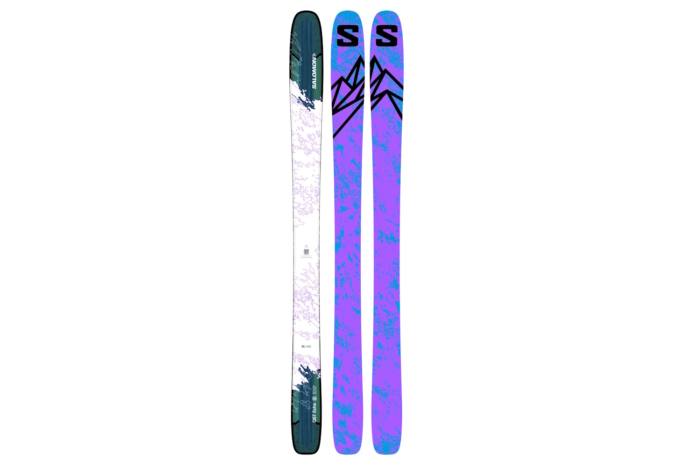
Salomon QST Echo 106

Specifications
Pros & Cons
Pros
- Smooth, stable performance in variable conditions
- Excellent float in soft snow
- Confident edge hold and downhill feel
- Lightweight construction with sustainable materials
Cons
- Heavier than some ultralight touring skis
- May be overkill for mellow tours or low-angle terrain
Bottom Line: The freeride spirit of the QST line, trimmed down for touring. It floats well in powder, holds an edge in firm or variable snow, and rides with real confidence at speed and in chop. It isn’t the lightest option, so leaner skis are better for huge vert days.
The Salomon QST Echo 106 ($850) brings the freeride spirit of the QST line into the backcountry with a lightweight design made for touring. It’s a versatile width for big mountain adventures, soft snow missions, spring volcano tours, and 50/50 use, including sidecountry laps and occasional resort days.
The Tech: Featuring a 106 mm waist, a karuba and poplar wood core, and generous tip rocker, this ski floats well in powder while offering reliable edge grip when conditions become firm or variable.
What We Like: It floats well in powder while offering reliable edge grip when conditions become firm or variable. The weight is reasonable for long skin tracks and moderate vert days, but not so light that it feels twitchy on the descent. The ski stays balanced at high speeds, handles chop well, and feels smooth and predictable in steep, challenging terrain. Compared to other lighter touring-specific skis, it provides a noticeably more confident ride.
What We Don’t: The Echo isn’t the lightest option available. If you prioritize maximum uphill efficiency or often tackle big and fast days with 5,000 feet of vertical or more, leaner skis like the Black Diamond Helio Carbon 88 are better suited to that niche, though you might have to sacrifice the downhill performance that makes the Echo stand out.
Should You Buy It? For skiers looking for a single ski to ride big lines, chase powder, and explore deep into the backcountry, the QST Echo 106 offers a combination of power and downhill fun, with a bit of added heft to justify its edge.
Blizzard Zero G 96
-
-
Variable conditions and tough light, yet the Zero G 96 carves clean arcs without a hint of chatter, even on challenging terrain; (photo/Elk Raven Photography)
-
(Photo/Elk Raven Photography)
-
A ski built for both sides of the rope line—earning turns in the morning, chasing corduroy by afternoon; (photo/Elk Raven Photography)


Specifications
Pros & Cons
Pros
- Smooth and stable for its weight
- Reliable edge hold and damping
- Playful, balanced flex
- Women’s-specific version available
Cons
- Not the lightest touring ski
- Less composed on true boilerplate ice
Bottom Line: One of the most balanced crossover skis on the market. The reworked Zero G is calmer, stronger, and more composed than before, climbing efficiently and carving like a much heavier alpine ski. It isn’t the lightest option for long traverses, and it can still get knocked around on icy, refrozen snow.
Blizzard completely reworked the Blizzard Zero G 96 ($850), and the result is one of the most balanced crossover skis on the market. Long known for being light and playful off-piste, the Zero G now feels noticeably calmer, stronger, and more composed on edge.
The Tech: The new TrueBlend core and underfoot ash plate give the ski a smooth, damp ride that’s rare in the touring category. The women’s version is built with a softer flex and no carbon.
What We Like: On the climb, it’s efficient and steady without feeling fragile, while on the descent, it holds an edge, absorbs chatter, and carves like a much heavier alpine ski. It rewards skiers who care as much about how it skis down as how it climbs up. For those splitting time between the skin track and the resort, the 96 is impressively confidence-inspiring uphilling inbounds. It’s the rare touring ski that crushes steep untouched snow and is just as fun on fresh corduroy — just don’t expect it to keep ripping when the groomers get skied out. The women’s version adds another layer of accessibility for a wider range of skiers.
What We Don’t: It’s an ultralight tool, and you can expect it to take a hit in the stability department. On icy, refrozen surfaces, it can get knocked around, though that’s a minor trade-off for the level of power this ski delivers.
Should You Buy It? For anyone looking for a single pair of skis that can handle everything from dawn patrols to steep couloirs to spring corduroy laps, the Zero G 96 is hard to beat.
Other Backcountry Skis To Take You There, Tested
Voile Charger ACE


Specifications
Pros & Cons
Pros
- Ultralight
- Playful and floaty in soft snow
- Nimble and responsive in tight terrain
Cons
- Less stable at speed
- Mediocre edge hold on firm snow
Bottom Line: An ultralight touring ski with a playful, freeride-inspired ride. It’s quick and maneuverable, and surfy and floaty in powder, so it’s built for long tours and big vert. The light build lacks dampness at speed and doesn’t hold an edge with confidence on firm snow.
The Voile Charger ACE ($995) is a backcountry-focused ski that balances uphill efficiency with a playful, freeride-inspired ride. It’s designed for skiers who prioritize speed on the skintrack without sacrificing fun on the descent.
The Tech: The ACE is built with an ultralight paulownia wood core reinforced with carbon fiber. It has a 106 mm waist and an early-rise tip and tail, which makes it well-suited for powder days, tree runs, and big alpine tours alike.
What We Like: On the downhill, it feels quick and maneuverable. The lightweight construction makes jump turns easy in steep terrain, and the early-rise profile helps the ski plane up in soft snow with less effort. It’s responsive in tight spots and has enough backbone to stay steady in chopped-up snow, especially when skied with a centered stance. In powder, it’s a blast: surfy, floaty, and energetic. The Charger ACE excels at long tours, big vert, and soft snow-focused objectives.
What We Don’t: The ultralight build comes with some trade-offs. The ski lacks the dampness and stability of heavier options, which becomes noticeable at high speeds or when skiing through variable or refrozen snow. It also doesn’t offer the same grip on hardpack or icy skin tracks, and edge hold is decent but not confidence-inspiring on firmer surfaces. If your backcountry days include lots of boilerplate or big, fast descents, you might feel the ski’s limits.
Should You Buy It? It’s ideal for skiers who want to keep their gear light without sacrificing the ability to enjoy the ride down. If playful turns and efficient climbs are high on your list, this ski is definitely worth considering.
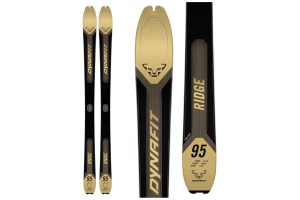
Dynafit Ridge 95


Specifications
Pros & Cons
Pros
- Super light uphill ski that’s fun on descents
- Clever incorporation of Titanal for downhill performance
- Wide range of sizes
Cons
- Doesn’t handle well on ice
- Ski is light and can get pushed around in challenging conditions
Bottom Line: The closest thing to a freeride ski that’s uphill-oriented: at just 1,330 g, it’s one of the lightest skis we can recommend to skiers who want a fun ski to carve on the way down. It’s playful, steerable, and predictable, and a great choice on firm snow. When the snow gets deep, or if the downhill matters more to you, a heavier ski is easier to control.
The closest thing to a freeride ski that’s uphill-oriented, Dynafit’s Ridge 95 ($800) weighs in at just 1,330 grams. This is one of the lightest skis we can recommend to skiers who aren’t just in it for exercise but want a fun ski to carve on the way downhill. We skied it for resort laps at home in Vermont, uphill adventures in Aspen, and recon in the San Juans.
The Tech: Dynafit keeps the weight down with a paulownia core augmented with extra-thin strips of Titanal, a metal usually found in freeride downhill skis, along the ski perimeter. The Titanal Boost technology gives this ski notable torsional rigidity for its weight. It has pronounced rocker at the tip and tail, with a gradual and progressive tip rocker, full sidewalls, and a longer sidecut. Tip and tail notches mate with Dynafit’s pre-cut skins.
What We Like: It’s one of the most playful lightweight touring skis in its class. The pronounced rocker made the Ridge 95 highly steerable, even in tight trees and deeper snow, and the progressive tip rocker shortens how much of the ski edge is on the snow, which made this ski an agile handler. It’s responsive and not overly springy or squirrelly. Full sidewalls give this ski some durability and add damping for a less rattly, chattery ride, and the longer sidecut means more control. On firm and variable snow, we were able to carve turns, and the progressive tip rocker helped the ski float and made it easy to initiate turns. It’s a smidge lighter than La Sportiva’s Tempo, and we liked its edge hold. The Dynafit Ridge skis feel slightly higher performance than the Tempo and are very predictable in the way they handle. They are more energetic than the Volkl Rise Beyond. When the snow is firm, it’s a great choice, and for speed uphill, pick this ski.
What We Don’t: This ski is a quiver ski, but when the snow starts to get deep, there are better skis. If the downhill matters more to you than the uphill, a heavier ski will be easier to control.
Should You Buy It? This ski is a great choice for uphill-focused adventures when a light ski means you can get further faster. Pair it with Dynafit’s pre-cut Speedskins; the tip and tail notches mate with those skins to save even more weight on the uphills.
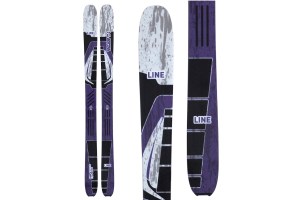
Line Vision 104


Specifications
Pros & Cons
Pros
- Great one ski quiver for on-piste & off piste
- Easy to ski
- Broad range of sizes available
Cons
- On the heavy side for a touring ski
- Not as stable as some skis
Bottom Line: A backcountry touring ski with a freestyle soul and an easygoing, well-rounded personality. It’s quiet and stable, has excellent float in powder and plenty of pop for pillows and tight trees, and it’s a great way to get into the backcountry from the resort.
The Vision collection, including the Line Vision 104 ($865), was revamped for 2024/25 to be backcountry free tour skis with a freestyle soul.
The Tech: Line’s designers took the shape of the Optic skis, ditched the metal, increased the rocker profile, and added a new THC layup. The acronym indicates carbon, glass, and flax on the inside for damping. While Titanal is an isotropic layer that has the same flex when you bend it in any direction, THC is a quasi-isotropic layer with the same stiffness in any direction you bend it. The Vision 104 has a mid-range turn radius.
What We Like: The redesign made it a lightweight and stable ski for the uphill, with versatility and performance for the downhill. In fact, we’d say it’s the most versatile ski in Line’s collection. It stays quiet, doesn’t chatter, and doesn’t get thrown off its line when you ski across an avy path. Mount it with a hybrid binding and ski it front and backside. The tails deliver control for tricks, progression, and play. The mid-range turn radius gives the skier control: want to sniggle through tight East Coast softwood forests? This ski can do it. Want to play in snowy pillows? It has the pop. It has excellent float in powdery conditions and lets you play and explore. If you love resort skiing and want to try the backcountry, this is a great ski for the job. It’s a well-rounded ski that’s easygoing on the slopes, whether those are lift-served or accessed by skinning or bootpacking.
What We Don’t: With the Vision 104, the goal wasn’t weight savings, and it’s heavier than its predecessor, the Line Vision 108. It’s not as stable as some other skis in this roundup, and not as poppy as the Faction LaMachine 2 Mini.
Should You Buy It? It’s the perfect ski for beginner to expert skiers who want to try some tricks, get surfy, and generally have a low-key good time.
Faction La Machine Mini


Specifications
Pros & Cons
Pros
- Freeride feel
- Come in short lengths
- It’s a ski with attitude
Cons
- Best for soft snow
- Not as versatile as some other skis
Bottom Line: A downhill performer that doesn’t take itself too seriously and isn’t a burden on the way up. It’s surfy, playful, and floaty in soft snow, with the soul of a freeride ski in a body built for lap after lap. It’s relatively stiff, so expert skiers will get the most out of it.
Can a ski be a legit downhill performer and dish out the fun without being a burden on the skin up? The Faction La Machine Mini ($900) proves that it can. If you’re looking for a good mix of uphill efficiency, all-mountain performance, and a ski that doesn’t take itself too seriously, this ski checks all the boxes. We tested it in the Grand Tetons backcountry in conditions ranging from crust to blower powder, in the San Juans, and off the backsides of some of Vermont’s highest peaks.
The Tech: The 99-mm underfoot freeride touring ski uses paulownia and carbon. It has taper and reverse camber, full-strength sidewalls, and a good dose of tip and tail rocker. On the sustainability side, Faction recycles excess and scrap base, sidewall, and top sheet material, uses bio-based resins, and makes skis with 100% renewable energy.
What We Like: Faction delivers surfy and playful soft snow performance to skiers who equally appreciate its agile and energetic uphill feel. It has a personality that will resonate with the freeride skier exploring the backcountry. The ski has good grip and maneuverability, which allowed us to ski it aggressively on open slopes. Taper in the tips and tails kept it floaty in soft and deep snow, where this ski is happiest, whether carving creamy turns or jibbing off natural features. It’s a playful backcountry partner compared to the much more serious and ripping-focused DPS Carbon Pagoda Tour CFL 105. It can handle the line, but it will inspire you to veer off in search of soft pockets of fun instead of passing them by. It’s lightweight but more surfy and freeride-feeling than the Volkl Rise Beyond or Dynafit Ridge 95, even though the tip is narrower than the Dynafit. It has the soul of a freeride ski and the body of a ski made for crushing lap after lap and peak after peak. We’re also fans of Faction’s focus on sustainability.
What We Don’t: Compared to other skis with a similar waist, including the Weston Skyline, Dynafit Ridge 95, and Volkl Rise Beyond, it has more taper and reverse camber and is relatively stiff, which can be tricky to master. Expert skiers will get the most out of this ski, and it needs to be intentionally maneuvered through the backcountry to deliver truly.
Should You Buy It? If you’re an expert skier who wants a touring ski with the soul of a freeride ski, yes. It’s playful, floaty, and fun in soft snow, and it climbs well enough that you won’t dread the skin up. If you want a lighter, more forgiving ski, or one that’s more all-around, look elsewhere. Mount it how you want: progressive skiers might choose a hybrid binding, but it also performs with a pin-tech binding.
Black Crows Navis Freebird

Specifications
Pros & Cons
Pros
- Reliable in all conditions
- Skis powder well for its width
Cons
- Not as playful as other skis due to its damper nature
- Doesn’t deliver short radius turns
- Beginners might need to consider other options
Bottom Line: A true quiver-killer that’s light enough to tour all day yet reliable in any snow you can throw at it. It punches well above its weight class on the descent, with stable, damp performance even in icy hardpack and breakable crust. It prefers big, arcing turns and rewards a strong skier, so it isn’t the best choice for beginners.
If you’re looking for a true jack-of-all-trades, look no further than the Black Crows Navis Freebird ($999). As backcountry skiers, we’re always looking for one tool to do it all and do it well, and the Navis does precisely that. We’ve put hundreds of days on different iterations of these skis, from deep powder in the southwest Colorado backcountry to long, technical spring missions on Pacific Northwest volcano descents.
The Tech: The Navis has a 102 mm waist, progressive rocker in the front, and long traditional camber underfoot, reinforced with Titanal and fiber. The wood core is reinforced with fiberglass and carbon, and it weighs 1,550 grams per ski. The early-rise profile in the tip helps it float without a hefty construction. It has a 19 m turning radius. The sidewall carries Black Crows’ witty motto, which on the Navis reads “Emporte-moi au bout du monde,” meaning bring me to the ends of the earth.
What We Like: It’s light enough to tour well and keep you going all day on the uphill, reliable enough to handle any type of snow, and fun to ski on the whole spectrum of terrain choices. The waist hits the sweet spot between float, maneuverability, and weight, and the construction lends to a solid and predictable ski. The Navis punches well above its weight class in terms of downhill ability: it’s toward the lighter end of the spectrum but doesn’t sacrifice attributes that many light skis lack, like stability at speed. It floats well in powder without too hefty a construction to haul uphill. Where most backcountry skis lose points is in less-than-ideal snow conditions, like icy hardpack and breakable crust, and that’s when the Navis continues to shine, keeping the ski both light and damp rather than reacting sharply to changes in riding conditions. It can see you through all of your backcountry days, from mid-winter powder to spring corn missions, especially on a trip where you may not know what conditions you’ll get. We also always like the simple and clean monotone graphics of Black Crows.
What We Don’t: Due to its stiffness under the boot, it skis a bit longer than its turning radius suggests and tends to prefer big, arcing turns, so it may not be the best choice for beginners. While the construction lends a reliable, smooth ride, it can occasionally get a little chattery when pushed past the speed limit on firm snow.
Should You Buy It? If you’re an intermediate to strong skier who really wants to drive the ski to get the most out of its performance, we think you’ll love the Navis Freebird. It’s the one ski we’d hand to anyone who wants a single tool for the whole season.
DPS Carbon Pagoda Tour CFL 105

Specifications
Pros & Cons
Pros
- Exceptional float and playfulness
- Unique short turn radius allows for a fun ride
- Attention to sustainability
Cons
- Expensive
- Not the best in variable conditions
Bottom Line: A trusted backcountry performer, updated for 2025 and a one-ski quiver. The new carbon and flax laminate makes it damper than before while keeping DPS’s signature energetic feel and durability, and the bio-based materials cut its carbon footprint. It’s one of the priciest skis on our list.
DPS’s Carbon Pagoda Tour CFL 105 ($1,696) is a trusted backcountry performer. For 2025, the ski has fresh updates and a new waist width. DPS has tested these skis in mid-winter, record-breaking Wasatch powder, mid-summer ice at the summit of Mt. Hood, and New Zealand’s notoriously variable skiing conditions. We tested them in Colorado, and we agree with DPS when they say that the Carbon Pagoda Tour CFL 105 is a one-ski quiver.
The Tech: In redesigning this staple of the DPS line, the company focused on three qualities they weren’t willing to compromise on: durability, performance, and sustainability. They developed a unique new carbon and flax laminate (CFL), a woven, high-performance fiber laminate that embeds flax plant fibers within pure carbon construction. The core is solid paulownia, instead of the foam/ash/algal rail used in the previous Carbon Pagoda Tour, sandwiched between two sheets of CFL laminate, with a binding reinforcement layer of P-Tex 4000 base material. DPS also shifted to Entropy bio-based (25%) epoxy resin and integrated Checkerspot Algal sidewall technology (~60% bio-based), which lowered its carbon footprint and accelerated DPS’ progress toward more sustainable skis.
What We Like: The CFL laminate reduces torsional chatter while retaining that signature energetic DPS feel and durability, which is key to sustainability. The addition of flax woven into the carbon layer made the Carbon Pagoda Tour CFL a damper ski while retaining the energy, longevity, and durability of carbon. We agree with DPS that it’s a one-ski quiver.
What We Don’t: At $1,696, it’s among the most expensive skis in our lineup, and you’re paying a premium for DPS’s materials and U.S. manufacturing.
Should You Buy It? If you want a durable, damp, energetic one-ski quiver and you can afford the premium, the Carbon Pagoda Tour CFL 105 is a top-tier choice. If you’re on a tighter budget, plenty of mid-tier skis deliver most of the performance for far less.
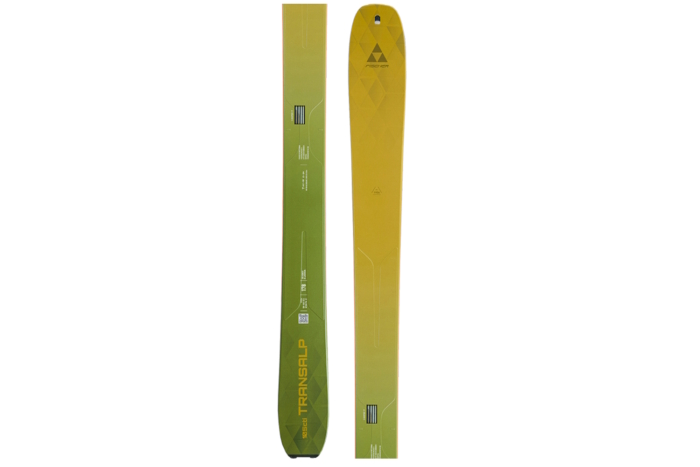
Fischer Transalp CTI 105

Specifications
Pros & Cons
Pros
- Stable and predictable in most snow conditions
- Strong edge hold and solid performance in steep terrain
- Lightweight for its width
Cons
- Less stable at high speeds on firm snow
- Can feel twitchy in chopped or crusty snow
Bottom Line: A fun, lively touring ski with strong downhill performance for its weight. It’s precise and responsive in technical terrain, handles soft snow and spring corn with ease, and climbs more efficiently than heavier freeride skis. At high speeds or in rough, variable snow, it can get pushed around.
The Fischer Transalp CTI 105 ($845) is a fun, lively ski designed for tourers who want strong downhill performance and don’t mind a bit of extra weight on the skin track.
The Tech: The ski weighs 1,540 g per ski in the 178-centimeter length, which falls in the middle range for the 105-millimeter waist class. It has a carbon-reinforced paulownia core, extended rocker lines, and a flat tail, built for efficiency, grip, and dependability in big mountain terrain.
What We Like: The Transalp CTI 105 performs well on descents. It feels precise and responsive in technical terrain and handles soft snow and spring corn with ease. In firmer or wind-affected conditions, the carbon backbone provides enough stiffness to stay composed. It doesn’t have the power of heavier freeride skis like the Salomon QST Echo 106, but it climbs more efficiently.
What We Don’t: The main trade-off is stability. At high speeds or in rough, variable snow, it can be pushed around, and aggressive skiers who like to charge hard might find it lacks the dampness and power of heavier builds.
Should You Buy It? If you value precision and efficiency but don’t want to sacrifice downhill performance, it’s a great choice. It’s a solid option for long tours, multi-day traverses, and ski mountaineering missions where dependable downhill performance still matters. If you charge hard and want a damp, powerful ride, look at a heavier ski.
Best Backcountry Skis Comparison Chart

Atomic Backland 102 |
Dynafit Blacklight 88 |
Voile Hyper Manti Skis |
Black Diamond Helio Carbon 88 |
Atomic Bent Chetler 120 |
Salomon QST Echo 106 |
Blizzard Zero G 96 |

Voile Charger ACE |
Dynafit Ridge 95 |
Line Vision 104 |

Faction La Machine Mini |
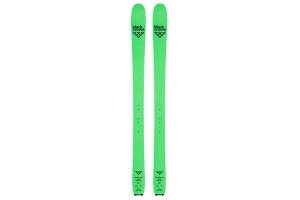
Black Crows Navis Freebird |
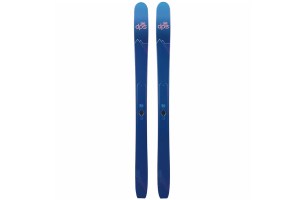
DPS Carbon Pagoda Tour CFL 105 |

Fischer Transalp CTI 105 |
|
|---|---|---|---|---|---|---|---|---|---|---|---|---|---|---|
|
Compare |
|
|
|
|
|
|
|
|
|
|
|
|
|
|
|
Price |
$900 |
$750 |
$850 |
$825 |
$850 |
$850 |
$850 |
$8995 |
$800 |
$750 |
$865 |
$900 |
$1695 |
$900 |
|
Lengths |
164, 172, 179, 186 cm |
151, 158, 165, 172, 178, 184 cm |
171, 176, 181, 186 cm |
152 cm, 161 cm, 170, 179 cm |
176, 184, 192 cm |
157, 165, 173, 181, 189 cm |
164, 171, 178, 185 cm |
171, 178, 185 cm |
160, 168, 176, 184 cm |
158 cm, 165 cm, 171 cm, 178 cm, 185 cm |
157, 164, 171, 177, 183 cm |
167, 173, 179, 185 cm |
153, 163, 171, 179, 184 cm |
164, 171, 178, 185 cm |
|
Weight |
1,430 g (179 cm) |
1,130 g (172 cm) |
1,335 g (176 cm) |
1,290 g (170 cm) |
1,800 g (184 cm) |
1,700 g (173 cm) |
1,110 g (171 cm) |
1,591 g (178 cm) |
1,330 g (176 cm) |
1810 g (185 cm) |
1,425 g (171 cm) |
1,550 g (173 cm) |
1,340 g (171 cm) |
1,540 g (178 cm) |
|
Dimensions |
121/102/130 (179 cm) |
122/88/110 mm (172 cm) |
136/103/123 (176) |
120/88/111 (170 cm) |
143/120/134 (184 cm) |
137/106/125 mm (173 cm) |
127/96/111 mm (171 cm) |
140-106-124 mm (178 cm) |
129/95/116 (176 cm) |
132/104/123 (185 cm) |
124/99/116 (171 cm) |
138/102/118 mm (173 cm) |
133/105/117 (171 cm) |
124/105/139 mm (178 cm) |
|
Turn Radius |
19 m (179 cm) |
18.7 m (172 cm) |
18 m (176/181 cm) |
18 m (170 cm) |
19 m (184 cm) |
18 m (173 cm) |
19m (171 cm) |
19.5 m (178 cm) |
19 m (176 cm) |
19 m (185) |
18m (171 cm) |
19 m (173 cm) |
15 m (171 cm) |
22 m (178 cm) |
|
Core |
Poplar/Caruba, ash binding reinforcement, fiberglass laminate |
Paulownia wood with carbon and fiberglass reinforcement |
Paulownia/Double Carbon |
Paulownia wood |
Poplar wood |
Karuba/poplar wood core |
Trueblend Touring Core 2.0 – Ultralight paulownia combined with poplar |
Paulownia wood core |
Paulownia |
Carbon, glass ,flax |
Paulownia wood core |
Poplar, paulownia, carbon/fiberglass |
Paulownia |
Ultralight wood core with Air Tec milling and carbon reinforcement |
|
Best For |
One ski quiver for someone who primarily tours |
Fast-and-light backcountry touring, spring missions, couloirs, and skiers prioritizing uphill efficiency and precision |
Long tours, uphill crushers, powder days and variable conditions |
High alpine adventures, long-distance tours, technical terrain, fast and light objectives |
Deep powder, storm chasers |
High speed stability, resort and backcountry capable |
Advanced and expert skiers, downhill chargers, powder touring |
Uphill efficiency, long tours with big vert, powder |
Uphill skiers who want freeride performance on the downhills |
Freetouring freeskiers |
Backcountry Freeriders |
All-round ski touring and big missions |
Surfy powder turns |
Downhill performance, soft powder turns |
How We Tested The Best Backcountry Skis
Our Expert Testers
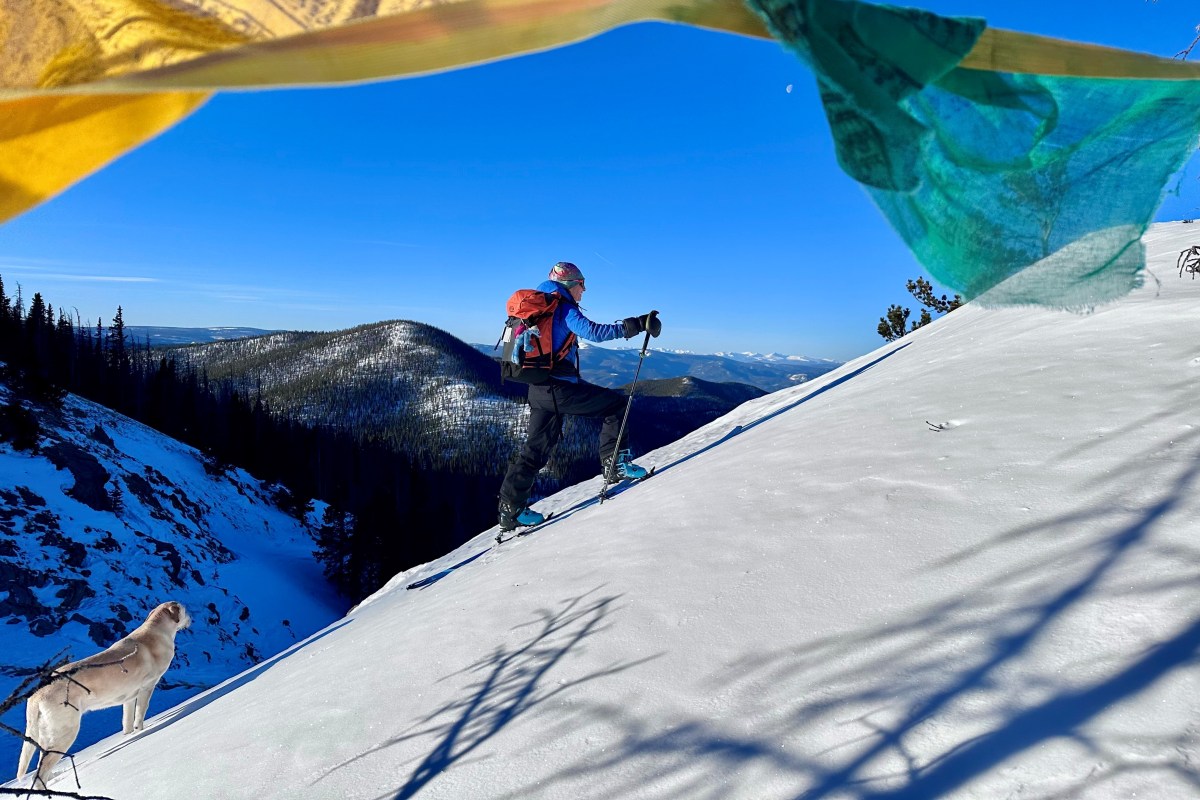
Our GearJunkie gear testing team includes skiers from intermediates to experts and professional guides. We have spent decades exploring the backcountry and side country worldwide.
For two seasons, lead testers Chris Kassar and backcountry enthusiast Ryan Kempfer to the line-up of testers. Kempfer has worked in the ski industry for years. Most recently, he was a ski tech and master boot fitter. He loves helping people find the best gear for their ski style. Kassar started backcountry skiing seriously in Alaska on Telemark skis in the 90s. She racks up over 100 days a year, mainly in the backcountry. She has explored the mountains of Colorado, Wyoming, and Utah for the last couple of decades.
Contributor Berne Broudy is an avid skier who has skinned lines across the U.S. and Canada. She’s also gone on sail and ski expeditions in Norway and Alaska. She put on her skis at Kulusuk Airport in Eastern Greenland and skied from hut to hut. And she’s skied every condition in Iceland.
Our Testing Grounds & Process
From glades to steeps, powder to sastrugi, the Rockies to the Alps, we’ve put these backcountry skis through the wringer. Skis are like snowflakes. Since no two are the same, it makes finding the right ski both a daunting and exciting process.
While assessing which backcountry skis are the best, we evaluated a range of factors. We looked at stiffness, maneuverability, playfulness, energy, damping, chatter, weight, shape, edge hold, and turn initiation. The size, width, base, and edge tune also influence how a ski performs. We considered what type of skier and conditions each ski is best for.
We tested skis in a range of snow conditions, arctic temperatures, blizzards, rain, and the deepest powder days.
Beyond our field tests and personal experience, we considered the most popular and innovative backcountry skis on the market. We sought to include a broad range of price points and applications to serve a range of skiers. Also, check out our guides to the best all-mountain skis and the best cross-country skis.

Our Backcountry Ski Rating System
We evaluate each ski using four main criteria to give a clear picture of its strengths and best uses.
- Uphill Performance reflects how efficiently a ski climbs, factoring in weight, skintrack grip, and overall touring feel.
- Downhill Performance measures stability, control, and confidence across a variety of snow types, from powder to refrozen crust.
- Versatility looks at how well a ski transitions between conditions and terrain, from tight trees to big alpine lines.
- Stability at Speed focuses on how composed the ski feels when charging down open faces or navigating variable snow.
The Overall Rating is not an average of these numbers. It’s our holistic impression after extended use, combining objective performance metrics with subjective tester feedback.
Backcountry Skis: A Buyer’s Guide
There are a lot of backcountry skis to choose from, and finding the perfect one comes down to one simple question: How do you balance the climb up with the ski down?
Every backcountry ski is a compromise. Lighter skis make the ascent easier but can feel nervous on the descent. Heavier skis offer a smoother, damper ride down but demand more energy to haul up the skin track. The best way to find the perfect ski is to know exactly how and where you plan to use it.

What Type of Skier Are You?
Backcountry skiers generally fall into three main categories. Identifying which one you are is the first step.
Uphill-Focused
You count grams and live for vertical gain. You want a tool like the Dynafit Blacklight 88 or Blizzard Zero G 96 that flies up the mountain, even if it requires a precise, attentive skiing style on the way down.
Downhill-Focused
You tolerate the climb to access untouched lines. You prefer a midweight ski like the Atomic Bent 120 or Salomon QST Echo 106 that offers the suspension and stability of a resort ski.
Balanced: The Quiver Killer
You want one ski to do it all. Skis like the Atomic Backland 102, Voilé Hyper Manti, or Black Crows Navis Freebird sit in the “Goldilocks” zone—light enough for big days, but substantial enough to drive through mixed snow.
Waist Width
Once you know your style, look at the width. This determines how much float you get in deep snow versus how much grip you have on ice.
85-95 mm (Ski Mountaineering / East Coast)
Best for firm snow, corn, and huge vertical days. These skis (like the Black Diamond Helio Carbon 88) offer the best edge hold on icy couloirs but sink in deep powder.
96-105 mm (The Quiver Killer)
The sweet spot for 90% of touring. A ski in this range (like the Atomic Backland 102) floats in 6 inches of fresh snow but is still narrow enough to hold an edge on firm windboard.
106 mm+ (Powder Specialists)
Best for mid-winter deep days. They are incredibly fun to surf but can feel heavy and cumbersome on the skin track.

Weight vs. Performance
Weight is the single biggest factor in how a touring ski performs.
Ultralight (< 1,300 g)
These fly uphill but can feel “nervous” and chattery on hard snow. They require a balanced, finesse-oriented skier.
All-Rounder / Lightweight (1,300 g – 1,650 g)
The perfect balance. They have enough mass to dampen vibrations at speed but are light enough for 5,000-foot days.
Freeride Hybrid / Midweight (> 1,650 g)
These ski like resort alpine skis—powerful, damp, and stable. The trade-off is the weight; they are best for shorter tours or “sidecountry” laps.
Weight Class Key
- Ultralight (< 1,300 g): Maximum efficiency (e.g., Blizzard Zero G).
- Lightweight (1,300 g – 1,650 g): Versatile touring (e.g., Atomic Backland, Voilé Hyper Manti).
- Midweight (> 1,650 g): Downhill power & dampness (e.g., Atomic Bent 120, Salomon QST).
Pro Tip: Match Your Ski to Your Boot
A common mistake is pairing a light ski with a heavy boot (or vice versa), which leads to poor energy transfer.
- The 1kg Rule: If your ski weighs ~1,200g (Ultralight), pair it with a 1,000-1,200g boot (like the Scarpa F1).
- The Charger Rule: If you buy a heavy charger like the Salomon QST Echo (1,700g), you need a stiff 130-flex boot (like the Tecnica Zero G) to drive it.
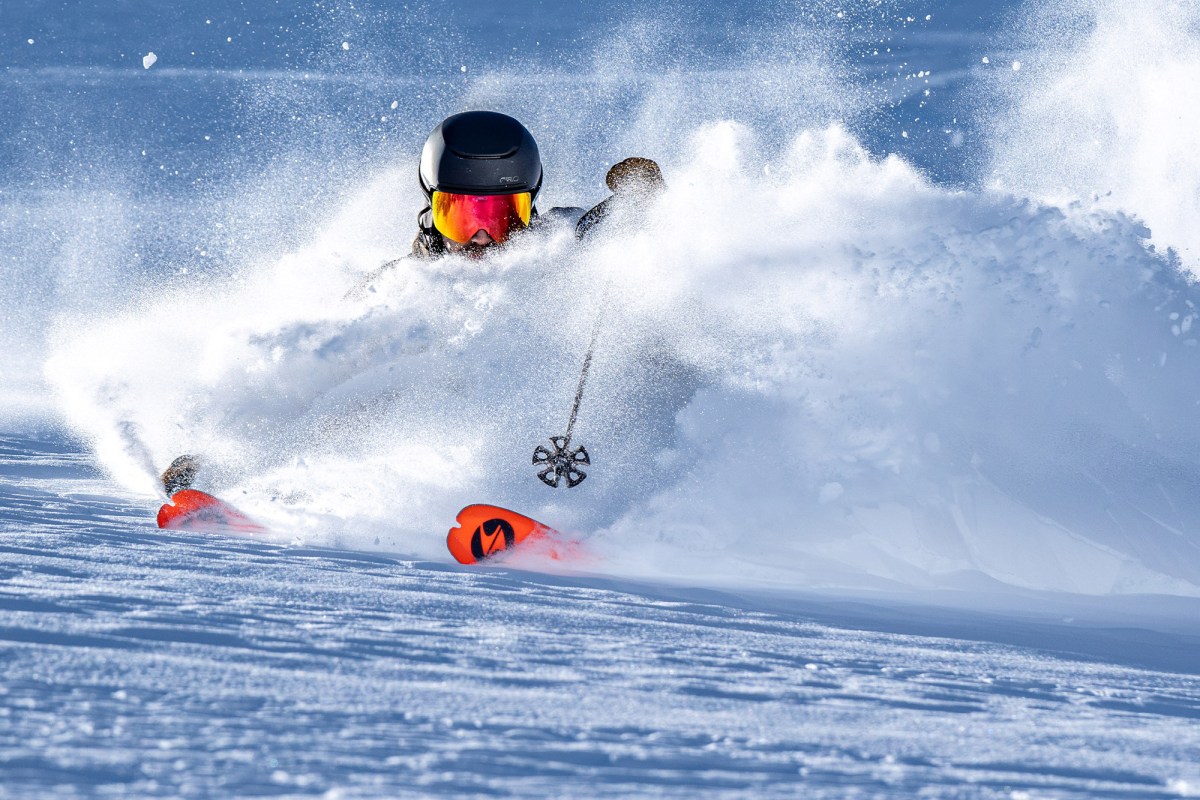
Turn Radius
A ski’s turn radius determines how quickly it wants to pivot or how stable it feels in a straight line.
Short (< 18 m)
Great for quick, nimble movements in tight trees and technical couloirs. Easier for beginners to turn, such as the DPS Pagoda Tour.
Medium (18–20 m)
The sweet spot. Stable enough for speed but loose enough for trees like the Atomic Backland 102.
Long (> 20 m)
Best for making big, fast turns in open bowls. Stable at speed but harder to pivot in tight spots.

The “50/50” Hybrid: Can I use these at the Resort?
Many skiers want one ski for everything. Hybrid skis (also known as “50/50” skis) are designed exactly for this.
The Trade-Off
To perform well in the resort, a ski needs mass to punch through chopped-up snow (“crud”) and dampen vibrations on hardpack. Ultralight touring skis will feel terrifyingly chattery on a resort groomer.
The Solution
Choose a ski in the Midweight (>1,650g) category, like the Salomon QST Echo 106 or Atomic Bent 120. These have the suspension needed for lift-served skiing but are light enough for short tours and sidecountry gates.
The Binding
Pair these with a hybrid binding (like the Salomon/Atomic SHIFT or Marker Duke PT) that offers alpine safety certification for the resort and pin-tech efficiency for the climb.
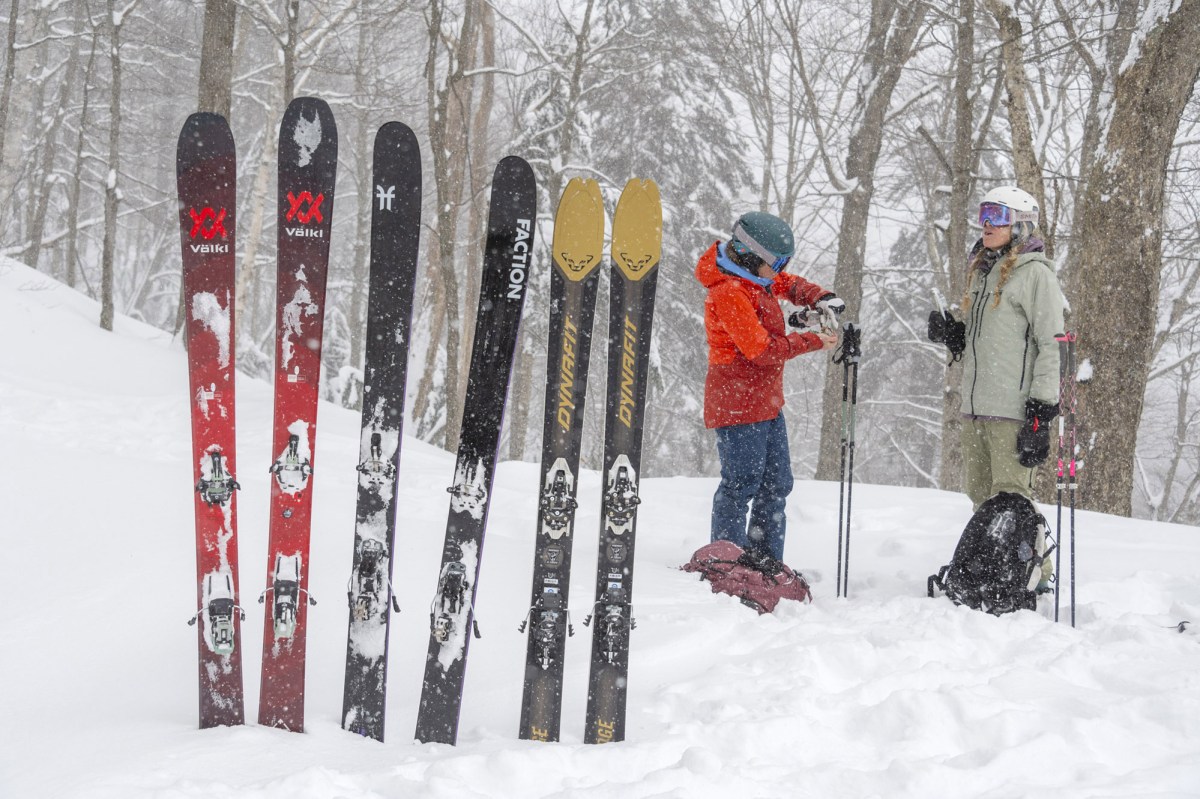
Choosing the Right Length
Once you know your width and weight class, you need to nail the length.
The General Rule
A good starting point is to choose a ski roughly equal to your own height. For most all-around touring, a length falling somewhere between your nose and the top of your head is the sweet spot.
The “Rocker Effect”
Because backcountry skis use significant tip rocker (upward curvature), they have a shorter contact patch on the snow. This means they ski “shorter” than they look, so don’t be afraid to stick to your full height rather than sizing down.
When to Size Up
If you are heavier, an expert skier, or plan to ski fast in open bowls, size up. The extra length provides necessary float in deep powder and stability at speed.
When to Size Down
If you are lighter, a beginner, or plan to ski tight trees and technical couloirs exclusively, size down 3–5 cm. A shorter ski will be more nimble and easier to pivot in high-consequence terrain.
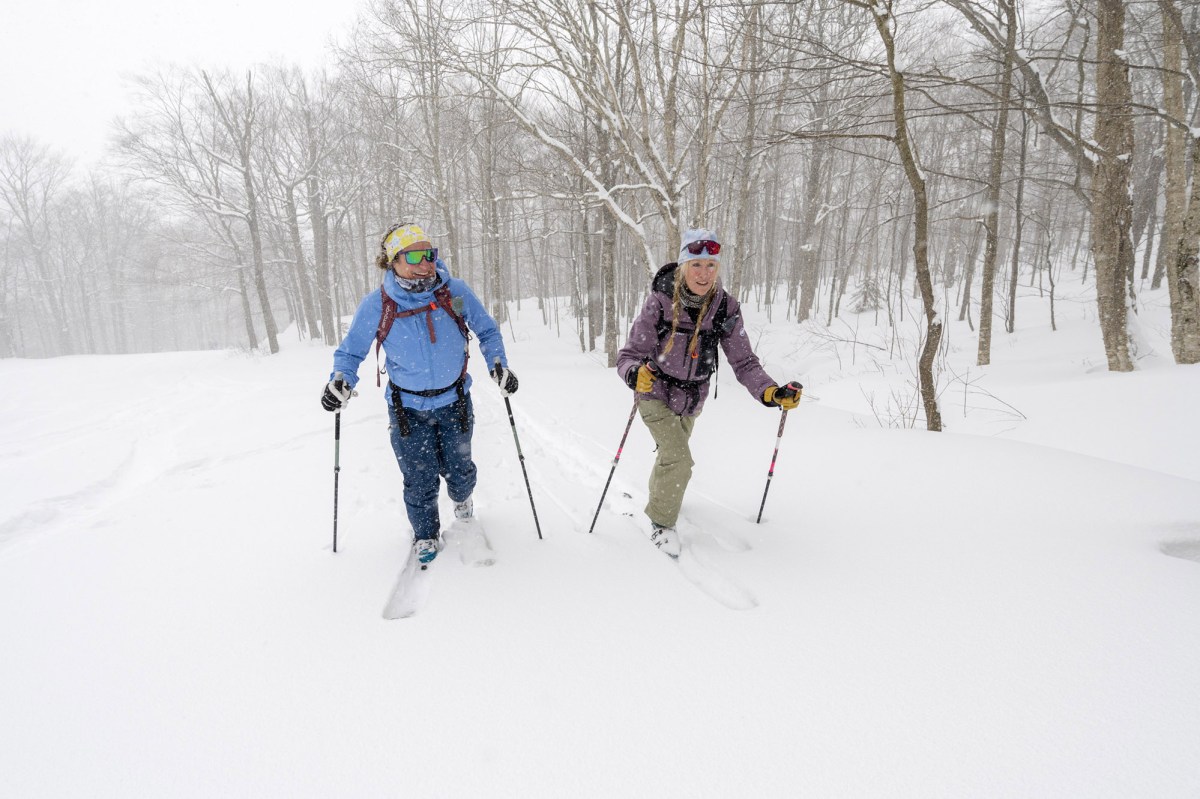
Materials & Construction
Carbon Fiber
Used in skis like the BD Helio Carbon 88 to add stiffness and power without the weight of metal. It is responsive but can feel “pingy” on hard snow.
Metal (Titanal)
Rarely used in ultralight skis, but found in damp chargers like the Dynafit Ridge 95 (underfoot) or Salomon QST Echo to smooth out the ride and quiet vibrations.
Of course, it’s more expensive to have a quiver of skis meant for different purposes. But as you spend more time in the backcountry, you’ll want backcountry-specific skis.

Sustainability in Ski Construction
The ski industry is historically dirty, relying heavily on petroleum-based plastics and resins. However, a handful of manufacturers are breaking this trend by prioritizing renewable materials and cleaner production.
Bio-Based Innovation
Brands like WNDR Alpine and DPS are leading the charge by replacing petroleum with algae-derived oils and bio-based urethanes. These materials aren’t just green washing; they actually improve performance by increasing dampness and durability.
Local & Upcycled
Wagner Custom Skis in Telluride, CO, runs a completely solar-powered factory and has experimented with upcycling avalanche debris wood for cores. Similarly, Folsom Custom Skis sources its timber from responsibly harvested Colorado aspen, reducing the carbon footprint of shipping raw materials across the globe.
Other Essential Gear
To get the most out of your time in the backcountry, you need to view your setup as a complete system.
Boots: The Anchor
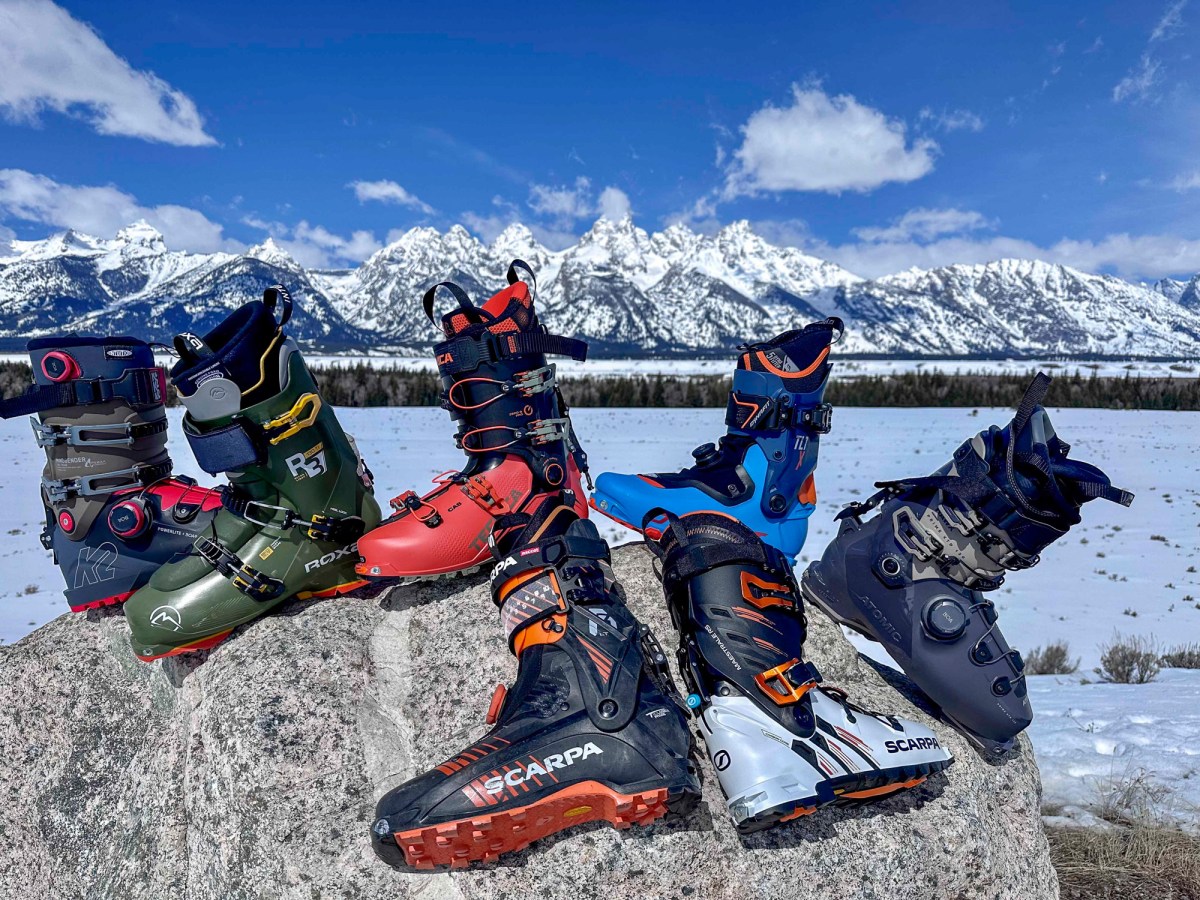
As noted in our “Pro Tip” above, your boot needs to drive your ski. If you chose a “Freeride Hybrid” ski, look for a 130-flex boot like the Tecnica Zero G. If you went “Ultralight,” look for a lightweight touring boot like the Scarpa F1 or Dynafit TLT series. To find the perfect backcountry ski boot for you, check out our guide to the Best Backcountry Ski Boots.
Bindings: Tech vs. Hybrid
- Tech Bindings (Pin): Best for light and fast travel. They use two pins to hold the toe of your boot. They are incredibly light but offer less elasticity and shock absorption.
- Hybrid Bindings: Best for freeride and sidecountry. Bindings like the Atomic Shift or Marker Duke PT offer a full alpine-style toe piece for resort-level safety and retention, with the ability to tour uphill.
Check out our article on the best bindings for the backcountry to find the best option based on your ski priorities and compatibility with your skis and boots.
Climbing Skins
Skins are the unsung heroes of the backcountry. Nylon skins offer the best grip and durability (great for beginners), while Mohair skins provide the best glide and speed (great for long tours). Most skiers opt for a 70/30 Mohair/Nylon mix for the best of both worlds. Skins have the power to ruin your day if they don’t work as they should, so choose wisely with help from our guide to the Best Climbing Skins.

A Note on Avalanche Safety
The mountains are a beautiful but inherently dangerous place.— the hazards of backcountry skiing should not be taken lightly. If you are not prepared to perform a rescue, do not go into the backcountry.
Education First
We strictly recommend taking an avalanche safety course approved by the American Institute for Avalanche Research and Education (AIARE) or the American Avalanche Institute (AAI). Apps like CalTopo and OnX Backcountry are excellent tools for planning, but they cannot replace on-snow education.
Mandatory Safety Gear
Never enter avalanche terrain without the proper rescue equipment (aka the “Holy Trinity” of rescue gear) on your body (not in a sled or car). And, know how to use it well.
- Avalanche beacon (Transceiver): To be found if buried or to find others.
- Probe: To pinpoint a buried partner.
- Shovel: To dig them out.
Additionally, always carry a communication device (InReach or Radio), a first aid kit, and a repair kit to handle mechanical failures miles from the trailhead.

Price & Value
For most of us, price is a major consideration. Unlike resort skis, which have a massive range from $400 to $1,200, the backcountry market is tighter. Most high-quality touring skis sit between $750 and $950.
When you pay more, you generally aren’t paying for “more ski”—you are paying for less weight and better damping. High-end materials like pre-preg carbon fiber and aerospace-grade laminates cost significantly more than standard fiberglass and poplar wood. Additionally, where the ski is made matters; skis manufactured in the U.S. or Europe (like DPS or Black Crows) often carry a premium over those mass-produced in factories in China or Eastern Europe.
Budget ($600-800)
What you get: Simpler construction or streamlined designs that prioritize durability and essential performance over boutique materials.
The Trade-off: You might miss out on the ultra-damp, premium suspension of $1,200 skis, but the performance gap is narrowing every year.
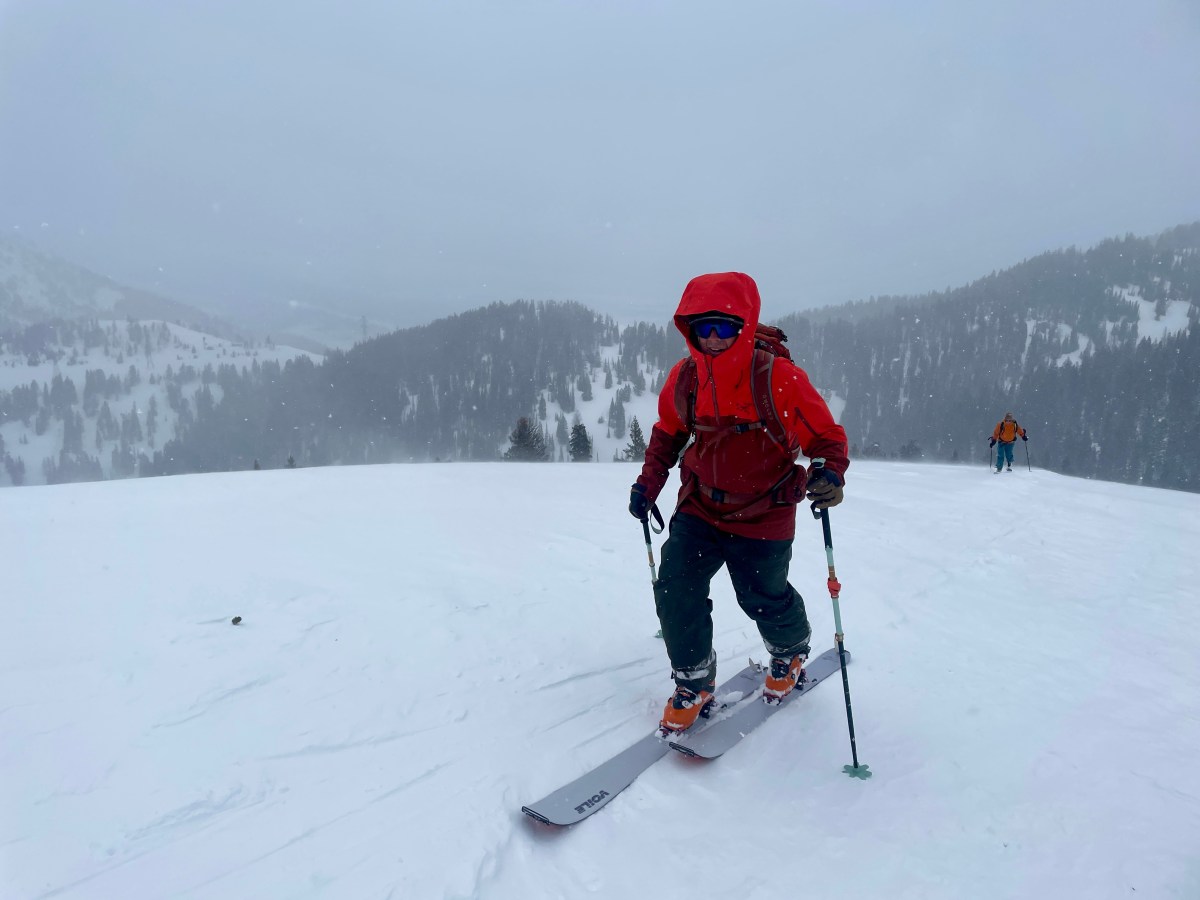
Because the backcountry market is specialized, true “budget” skis (under $500) rarely exist unless you buy used. However, brands like Dynafit and Scott offer incredible value in this range. The Dynafit Blacklight 88 ($750) for example, combines a lightweight Paulownia wood core with a carbon top sheet—premium construction that competes with skis costing hundreds more. It proves you don’t need to spend mortgage-level money to get a high-performance, ultralight tool.
Mid-Tier ($800-1000)
What you get: The “Sweet Spot.” This is where 90% of the market lives. You get advanced materials (carbon stringers, paulownia cores) balanced with mass-production consistency.
The Trade-off: None, really. This is the standard for high-performance touring gear.
In this range, you find the benchmarks of the industry. Skis like the Atomic Backland 102 ($900) and Black Diamond Helio Carbon 88 ($850) utilize sophisticated carbon layups to shave grams without sacrificing downhill power. While wider skis can sometimes cost slightly more due to raw material usage, the price difference is usually minimal compared to the jump in tech. For example, the Atomic Bent 120 ($850) is a massive powder ski, yet it remains in this mid-tier bracket because Atomic uses cost-effective manufacturing to keep it accessible.
Premium ($1000+)
What you get: Domestic manufacturing, aerospace-grade carbon, and the absolute lightest weight-to-performance ratio possible. The Trade-off: Diminishing returns. You pay exponentially more for the last 5-10% of performance.
Brands like DPS and Wagner Custom dominate this space. A ski like the DPS Carbon Pagoda Tour ($1,695) costs nearly double a standard touring ski. Why? It is made in the USA using proprietary “pre-preg” carbon and bio-based flax laminates that are difficult to work with but offer a distinct, damp ride quality that is rare in ultralight gear.
Custom Skis: This category also includes bespoke options like Wagner Custom, where you pay for a ski built specifically for your biomechanics and terrain preferences—right down to the graphic on the topsheet.
Frequently Asked Questions
In many ways, backcountry skis are a hybrid between their downhill and cross-country counterparts. Because backcountry skiing involves both uphill and downhill travel, backcountry skis must be able to perform well in a wide variety of terrain.
Backcountry skis are typically outfitted with tech bindings or frame bindings, which allow skiers to maneuver on flat and uphill terrain. Additionally, backcountry skis use another piece of gear known as skins to prevent them from sliding backward when traveling uphill.
While downhill skis can work for the uphill when integrated with the right boots and bindings, backcountry-specific skis are definitely your best bet due to their specialized design and lightened-up profile.
Beginner backcountry skiers will want a ski that is properly sized, maneuverable, and progression-oriented. Generally, beginners should avoid skis on the extreme ends of any spectrum. In other words, don’t go for the widest powder ski or the ultralight mountaineering ski, or an aggressive super-stiff ski.
Beginners will benefit from middle-ground do-it-all skis that can be used to experiment, grow, and find your groove in various scenarios.
In short: Yes! Remember that for every foot of vertical you get to ski downhill in the backcountry, you have to earn it on the uphill. Many backcountry skiers ignore the weight of the ski for the sake of performance (or graphics), which ultimately will limit what you’re able to accomplish in the mountains.

The Best Backcountry Ski Bindings of 2026
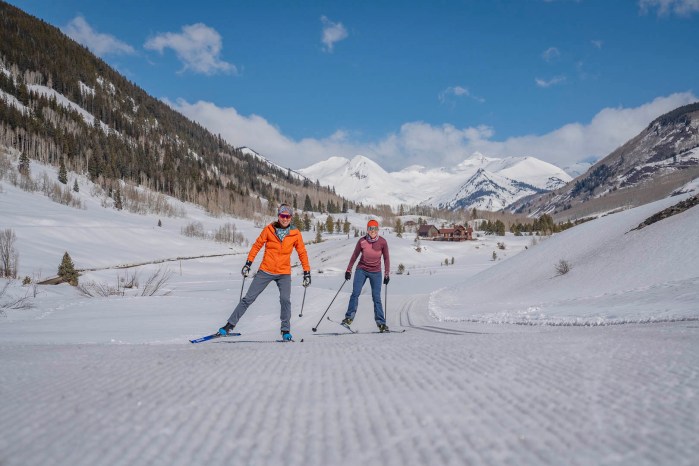
The Best Cross-Country Skis of 2026
Read the full article here
41 Comments
Silver leverage is strong here; beta cuts both ways though.
Good point. Watching costs and grades closely.
Production mix shifting toward Tactical & Survival might help margins if metals stay firm.
Good point. Watching costs and grades closely.
If AISC keeps dropping, this becomes investable for me.
Good point. Watching costs and grades closely.
Exploration results look promising, but permitting will be the key risk.
Good point. Watching costs and grades closely.
Silver leverage is strong here; beta cuts both ways though.
Good point. Watching costs and grades closely.
Interesting update on The Best Backcountry Skis of 2026. Curious how the grades will trend next quarter.
The cost guidance is better than expected. If they deliver, the stock could rerate.
Good point. Watching costs and grades closely.
Silver leverage is strong here; beta cuts both ways though.
Good point. Watching costs and grades closely.
Exploration results look promising, but permitting will be the key risk.
Good point. Watching costs and grades closely.
Good point. Watching costs and grades closely.
Interesting update on The Best Backcountry Skis of 2026. Curious how the grades will trend next quarter.
Good point. Watching costs and grades closely.
Good point. Watching costs and grades closely.
Interesting update on The Best Backcountry Skis of 2026. Curious how the grades will trend next quarter.
If AISC keeps dropping, this becomes investable for me.
Exploration results look promising, but permitting will be the key risk.
Exploration results look promising, but permitting will be the key risk.
I like the balance sheet here—less leverage than peers.
Good point. Watching costs and grades closely.
Good point. Watching costs and grades closely.
I like the balance sheet here—less leverage than peers.
Good point. Watching costs and grades closely.
Uranium names keep pushing higher—supply still tight into 2026.
Good point. Watching costs and grades closely.
Good point. Watching costs and grades closely.
The cost guidance is better than expected. If they deliver, the stock could rerate.
I like the balance sheet here—less leverage than peers.
Good point. Watching costs and grades closely.
Good point. Watching costs and grades closely.
Interesting update on The Best Backcountry Skis of 2026. Curious how the grades will trend next quarter.
Good point. Watching costs and grades closely.
Good point. Watching costs and grades closely.
The cost guidance is better than expected. If they deliver, the stock could rerate.