

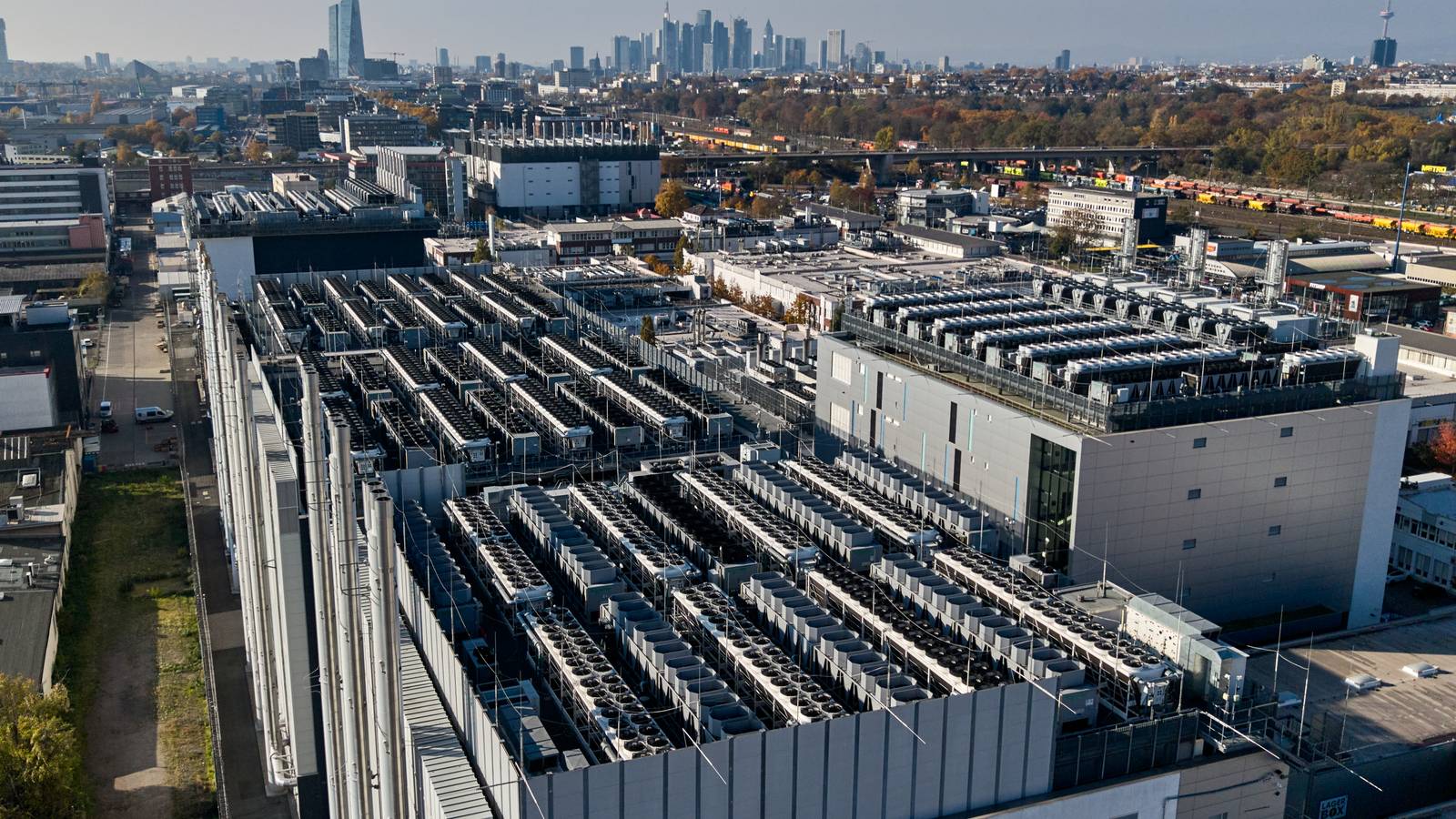
On Nov. 20, the Army offered land at nine installations for commercial power projects and said it prefers proposals that include a data center. This comes nine days after a veterans group led by a retired Army general called for a pause on data centers on federal public lands.
The two efforts are on separate tracks. Veterans for Public Lands addressed its request to the Interior Department and to Congress, while the Army is pursuing leases under its own legal authority.
Nothing in the solicitation means any of the nine installations will get a data center, and the veterans group has not said publicly whether its proposed pause would reach military land.
Military.com reached out to the Army, the Interior Department and retired Army Lt. Gen. Jeffrey Buchanan for comment, and none immediately responded.
What the Army Is Offering
The Army’s Nov. 20 notice covers nine installations across the country:
“The Army’s preference is for integrated power generation facility and commercial data center projects,” the solicitation says. Developers may propose power generation alone, but “proposals for a data center-only will not be considered.”
In return, the Army wants backup electricity. Projects must deliver power “within one (1) hour of a grid outage and for a minimum of fourteen (14) continuous days,” according to the notice, which describes an initial 25-year lease.
It also says water use “must be net-neutral or better.” Proposals are due Jan. 18, 2027.
The Army had previously pursued data center projects at two other installations. In March 2026, the Army conditionally selected Carlyle for about 1,384 acres at Fort Bliss, Texas, and CyrusOne for about 1,201 acres at Dugway Proving Ground, Utah, though neither lease has been finalized.
Military.com reported in July on the wider effort across the services.
What the Veterans Are Asking
Veterans for Public Lands launched on Veterans Day with Buchanan as its chair. Its website describes it as a program of Vet Voice Foundation, an existing veterans advocacy group.
In its launch announcement, the group called on the interior secretary “to immediately pause new data center development on federal public lands” while the government sets rules for public input, environmental review, water and energy use, and tribal consultation.
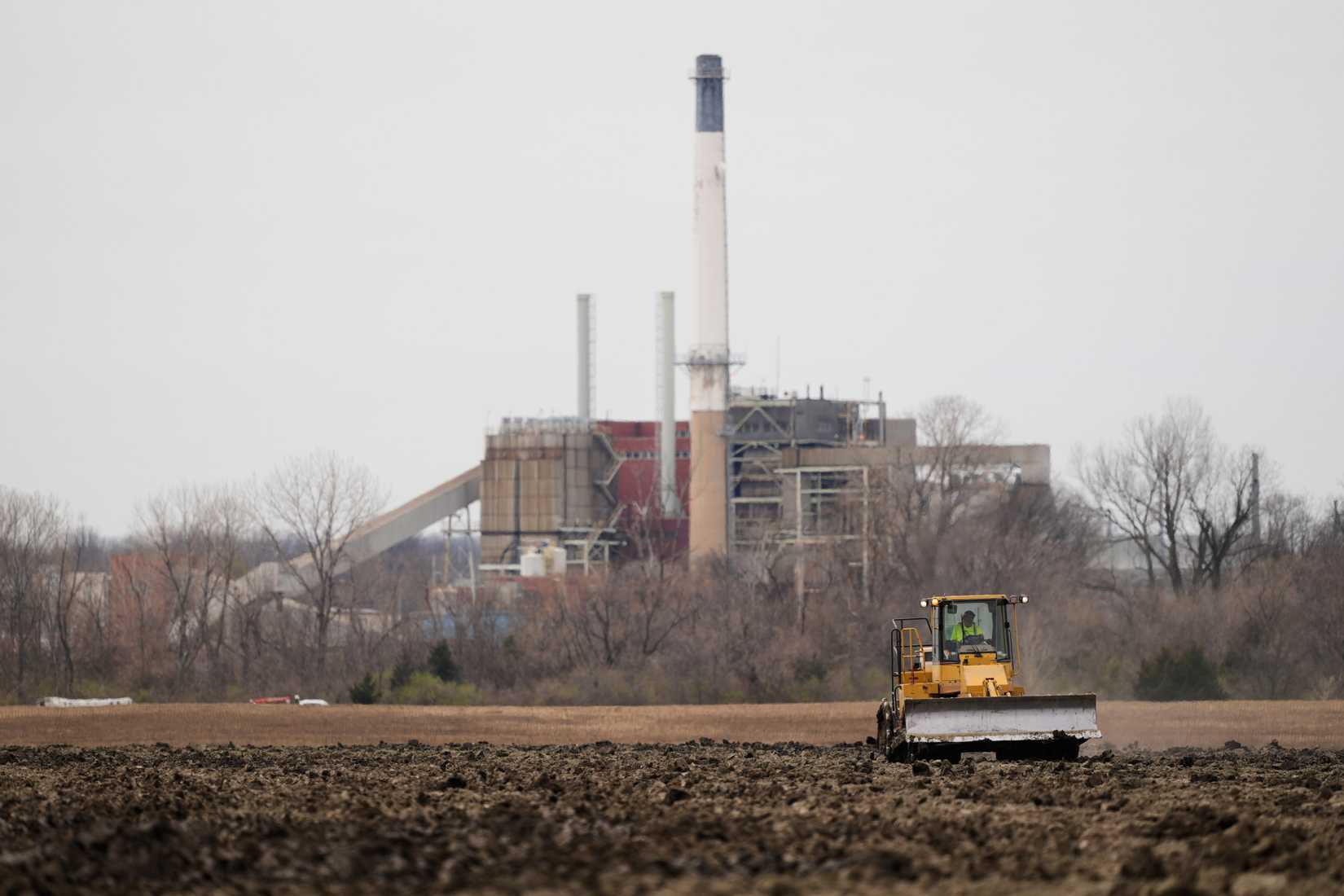
It also urged the incoming Congress to advance moratorium legislation in its first 100 days.
“You and I own that land, but we’re not getting a voice in whether or not this land gets used to build a data center,” Buchanan told the Deseret News, a Salt Lake City newspaper. Buchanan commanded U.S. Army North (Fifth Army) and served four tours in Iraq.
He retired in 2019 after 37 years in the Army and was later appointed to the Arizona Game and Fish Commission by former Republican Gov. Doug Ducey.
Vet Voice Foundation also signed a Nov. 18 letter from 115 organizations asking Interior Secretary Doug Burgum and Agriculture Secretary Brooke Rollins to pause data center approvals on land their agencies manage.
Why a Public Land Pause Wouldn’t Stop the Army
Both efforts trace to an executive order President Donald Trump signed in July 2025, titled “Accelerating Federal Permitting of Data Center Infrastructure.” One part of the order tells the Interior and Energy departments to “offer appropriate authorizations” for data center sites on land they manage.

A separate part tells the defense secretary to “competitively lease available lands” on military installations.
A pause at Interior would not, by its terms, stop the Army. The same is true of legislation introduced in the Senate.
Sen. Ron Wyden, D-Ore., introduced legislation, S. 5658, on Sept. 30 that says “the construction of data centers on Federal land is prohibited” and defines that land as National Forest land and land managed by the Interior secretary. Military installations are not in the definition.
One congressional proposal does target military land. On Nov. 16, Sen. Ruben Gallego, D-Ariz., submitted an amendment to the defense authorization bill, which has not yet received a vote, that would prohibit new privately operated data centers on military installations, except for facilities operated by or for the Defense Department for national security purposes.
Where Congress Stands
The Senate passed a broad permitting bill, the Bipartisan American Affordability and Jobs Act, 62-33 on Nov. 19 without voting on Wyden’s proposal as an amendment.
Sen. Martin Heinrich, D-N.M., has separately pressed for answers. In a Nov. 6 letter, he asked the Bureau of Land Management for a full list of data center proposals and the legal authority it is relying on, with a Nov. 20 deadline. The agency has not publicly released a response by Monday.
His letter cites a Politico report that the agency is “considering at least 15 proposals.” Sixteen House Democrats wrote to Burgum on Sept. 24, citing “at least a dozen” data center proposals covering “at least 17,600 acres” of public land in six Western states.
The Bureau of Land Management approved one near Boulder City, Nevada, in June. The Interior Board of Land Appeals put that approval on hold Sept. 1, according to the board’s order.
Read the full article here
34 Comments
Nice to see insider buying—usually a good signal in this space.
Interesting update on Army Offers Land at 9 Bases for Data Centers as Veterans Seek Public Land Pause. Curious how the grades will trend next quarter.
Uranium names keep pushing higher—supply still tight into 2026.
Good point. Watching costs and grades closely.
Good point. Watching costs and grades closely.
Exploration results look promising, but permitting will be the key risk.
Production mix shifting toward USA might help margins if metals stay firm.
Uranium names keep pushing higher—supply still tight into 2026.
Interesting update on Army Offers Land at 9 Bases for Data Centers as Veterans Seek Public Land Pause. Curious how the grades will trend next quarter.
Good point. Watching costs and grades closely.
Good point. Watching costs and grades closely.
Interesting update on Army Offers Land at 9 Bases for Data Centers as Veterans Seek Public Land Pause. Curious how the grades will trend next quarter.
Good point. Watching costs and grades closely.
Good point. Watching costs and grades closely.
Exploration results look promising, but permitting will be the key risk.
Good point. Watching costs and grades closely.
I like the balance sheet here—less leverage than peers.
Good point. Watching costs and grades closely.
Good point. Watching costs and grades closely.
Uranium names keep pushing higher—supply still tight into 2026.
Good point. Watching costs and grades closely.
Production mix shifting toward USA might help margins if metals stay firm.
Good point. Watching costs and grades closely.
The cost guidance is better than expected. If they deliver, the stock could rerate.
Nice to see insider buying—usually a good signal in this space.
Good point. Watching costs and grades closely.
Good point. Watching costs and grades closely.
The cost guidance is better than expected. If they deliver, the stock could rerate.
Good point. Watching costs and grades closely.
Interesting update on Army Offers Land at 9 Bases for Data Centers as Veterans Seek Public Land Pause. Curious how the grades will trend next quarter.
Good point. Watching costs and grades closely.
Good point. Watching costs and grades closely.
Uranium names keep pushing higher—supply still tight into 2026.
Good point. Watching costs and grades closely.