

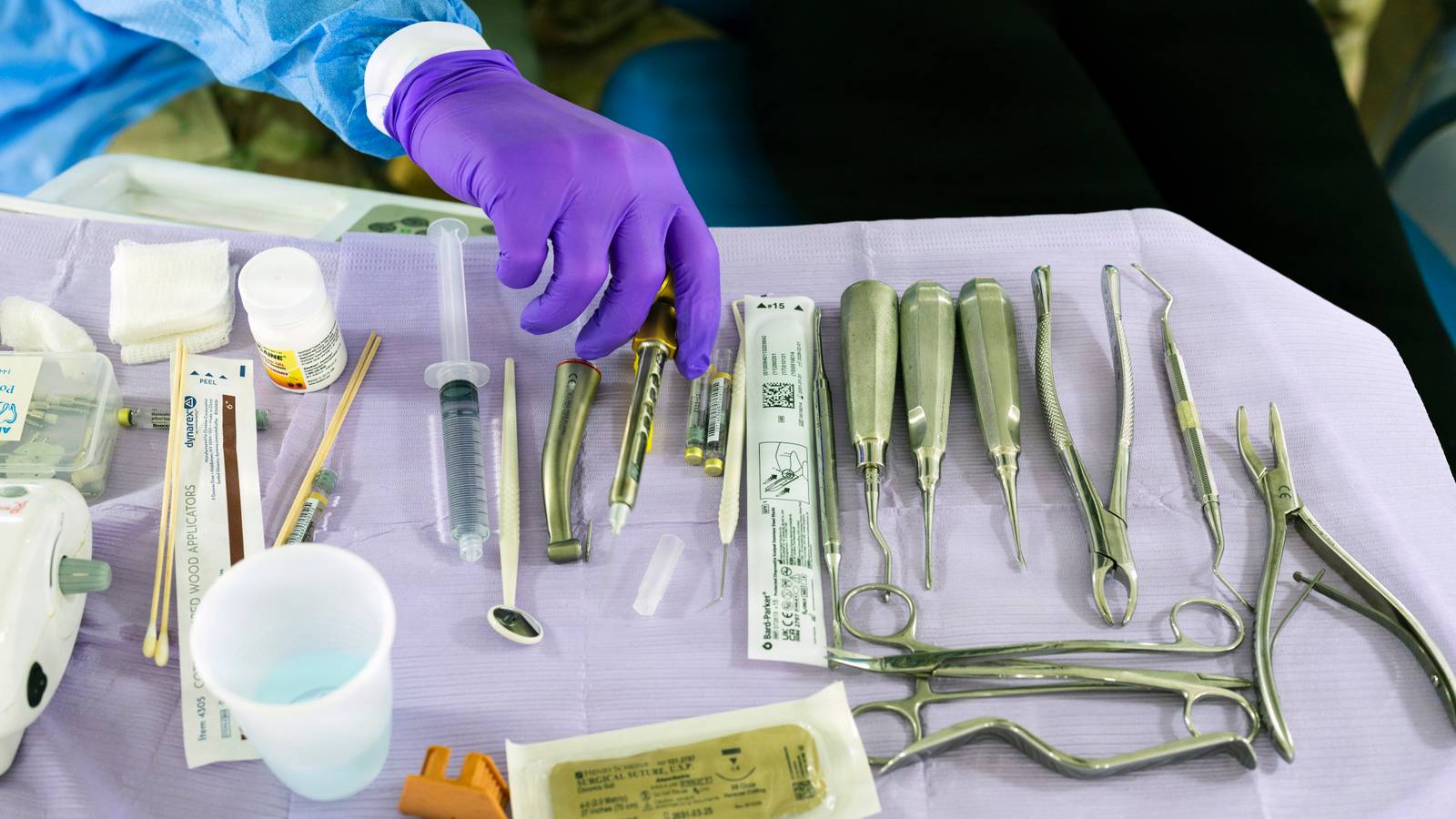
Enrollment in Department of Veterans Affairs health care does not mean a veteran gets dental care. VA sets dental eligibility separately, in a set of classes written into federal law and regulation (38 U.S.C. 1712 and 38 CFR 17.161). Some classes get comprehensive care. Many get only limited or one-time treatment.
VA Classes That Get Any Needed Dental Care
Certain classes of disabled veterans receive any needed dental care.
- Class I: Veterans with a service-connected dental condition rated compensable, meaning VA pays compensation for it. The regulation describes Class I care as treatment “indicated as reasonably necessary to maintain oral health and masticatory function.”
- Class IIC: Former prisoners of war, as determined by the military service department.
- Class IV: Veterans with service-connected disabilities rated 100%, or paid at the 100% rate because they are unable to work. VA’s page says a temporary 100% rating, such as during a long hospital stay, does not qualify.
Related: Who Qualifies for VA Eyeglasses and How Veterans Get Them
VA Classes That Get Limited or One-Time Care
Others receive limited care:
- Class II: Veterans with a service-connected dental condition that is not compensable and existed at discharge can get a one-time correction, but only if they meet the service and timing rules below.
- Class IIA: Veterans whose dental condition was adjudicated as resulting from combat wounds or service trauma can get the treatment needed to correct it.
- Class III: Veterans whose dental condition is aggravating a service-connected condition can get care limited to the dental conditions with a direct and material detrimental effect on that condition.
- Class V: Veterans in a Chapter 31 Veteran Readiness and Employment program can get dental care determined necessary to meet program goals.
- Class VI: Veterans receiving VA care whose dental problem complicates a medical condition under treatment can get care.
- Class IIB: Certain homeless veterans in the Homeless Veterans Dental Program can get care. VA’s program pamphlet says it covers one course of limited care, which may include exams, X-rays, cleanings, fillings, extractions and dentures, and that veterans must have been in a qualifying residential program for at least 60 days.
Related: P&T Status: What Permanent and Total VA Disability Means
The 180-Day Rule
Class II has the deadline veterans most often miss. For a veteran discharged after Sept. 30, 1981, the regulation requires:
- Discharge under conditions other than dishonorable
- At least 90 days of Persian Gulf War service or at least 180 days of other active service
- An application “within 180 days after such discharge or release”
- A VA dental exam completed within six months of discharge, unless delayed through no fault of the veteran
For service before Oct. 1, 1981, the application deadline is one year, and the exam must be completed within 14 months. The statute also requires that the discharge record not show a complete dental exam in the 90 days before discharge.
If No Class Fits: VADIP
Veterans who do not qualify, or who need more care than their class provides, can look at the VA Dental Insurance Program. VA’s 2026 Health Care Benefits Overview says VADIP is open to enrolled veterans and CHAMPVA beneficiaries, and that enrollment is voluntary. Members pay the entire premium plus the full cost of copayments. The plans are offered by Delta Dental of California and MetLife.
VADIP is insurance, not VA care.
How to Find Out Where You Stand
VA directs questions about dental eligibility and VADIP to 877-222-8387, Monday through Friday, 8 a.m. to 8 p.m. Eastern time. Homeless veterans can ask the nearest VA medical center for the homeless coordinator’s office or call 1-877-424-3838.
Stay on Top of Your Veteran Benefits
Military benefits are always changing. Keep up with everything from pay to health care by subscribing to Military.com, and get access to up-to-date pay charts and more with all the latest benefits delivered straight to your inbox.
Read the full article here
28 Comments
Uranium names keep pushing higher—supply still tight into 2026.
Exploration results look promising, but permitting will be the key risk.
Good point. Watching costs and grades closely.
Uranium names keep pushing higher—supply still tight into 2026.
Uranium names keep pushing higher—supply still tight into 2026.
Interesting update on Eligibility Rules, Class by Class. Curious how the grades will trend next quarter.
Good point. Watching costs and grades closely.
Uranium names keep pushing higher—supply still tight into 2026.
Silver leverage is strong here; beta cuts both ways though.
Good point. Watching costs and grades closely.
Nice to see insider buying—usually a good signal in this space.
Good point. Watching costs and grades closely.
Good point. Watching costs and grades closely.
Interesting update on Eligibility Rules, Class by Class. Curious how the grades will trend next quarter.
Interesting update on Eligibility Rules, Class by Class. Curious how the grades will trend next quarter.
Good point. Watching costs and grades closely.
If AISC keeps dropping, this becomes investable for me.
Good point. Watching costs and grades closely.
Production mix shifting toward USA might help margins if metals stay firm.
Good point. Watching costs and grades closely.
Production mix shifting toward USA might help margins if metals stay firm.
Good point. Watching costs and grades closely.
Good point. Watching costs and grades closely.
Uranium names keep pushing higher—supply still tight into 2026.
Good point. Watching costs and grades closely.
Good point. Watching costs and grades closely.
I like the balance sheet here—less leverage than peers.
Good point. Watching costs and grades closely.