

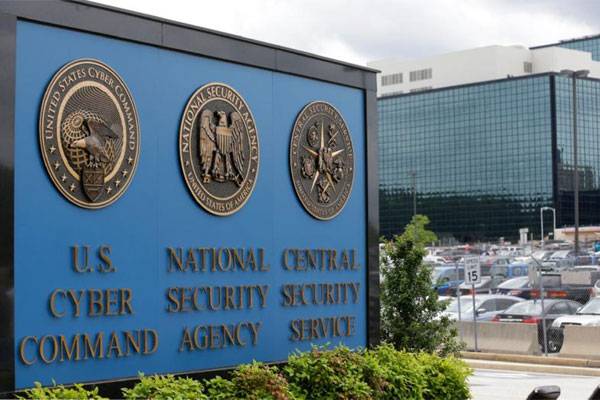
Five deaths by suicide among personnel supporting the National Security Agency and U.S. Cyber Command — first documented through internal military communications and public records — have prompted a push to expand Pentagon reporting requirements to civilian employees, whose deaths can fall outside the system Congress established for troops.
Rep. Sarah Elfreth, D-Md., wants the annual defense policy bill to require civilian suicide data and broader reporting of clusters following the deaths over five weeks in June and July at Fort Meade, Maryland, which Boomberg News and The Baltimore Banner reported included both service members and civilian staff, though officials have not released a full breakdown. The proposed reporting changes would address a distinction that separates colleagues working on the same national security missions.
The effort accompanies a request for $11 million for Cyber Command mental health support. In an Oct. 7 letter signed by Elfreth, Sen. Chris Van Hollen and Maryland’s congressional delegation, lawmakers said classified work, prolonged operational demands and inconsistent access to embedded care leave personnel vulnerable to burnout while complicating their ability to seek assistance. Their funding request treats workforce health as a readiness concern.
A Reporting Requirement That Stops at Uniforms
Congress already requires the Pentagon to report military suicide clusters to lawmakers, but that requirement stops at uniformed personnel.
Elfreth wants to extend that existing oversight mechanism to civilian defense employees rather than build a separate reporting system from scratch.
A July 2025 Pentagon directive (Directive-Type Memorandum 25-004) established the military’s suicide postvention response system and congressional notification rules, incorporating official definitions for military suicide clusters as outlined by Federal News Network.
The directive also requires weekly monitoring of suicide deaths and directs commanders to establish response processes and plans.
Classified Missions Complicate Access to Care
The Maryland delegation says cyber personnel can spend two- or three-year assignments conducting operations without the recovery periods associated with conventional deployments. Classification restrictions can also prevent meaningful conversations about work-related stress with relatives or clinicians who lack appropriate access, according to the lawmakers’ letter.
Congress has already directed expanded access to cleared behavioral health professionals within cyber units. However, the Pentagon has not consistently implemented dedicated teams and embedded services have not been implemented consistently. The requested funding would support those services.
In an Oct. 7 statement, Elfreth’s office also identified a separate barrier: mental health professionals transferring licenses from out of state to Maryland can face lengthy delays — sometimes nearly a year — before practicing on military bases. She is working with state officials on those obstacles while pursuing the federal reporting changes.
Pentagon officials have also directed operational changes. An Aug. 31 memo from Katherine Sutton, the Pentagon’s assistant secretary for cyber policy, instructed U.S. Cyber Command to arrange shared behavioral health support with the NSA, develop more predictable recovery periods and propose alternatives to consecutive operational tours, including educational assignments and instructor duties.
Those measures address target operators’ workloads, not just their access to treatment.
Earlier Military Crises Show the Limits of Policy
Previous suicide crises have exposed problems with both living conditions and implementation. Following deaths involving the aircraft USS George Washington and USS Theodore Roosevelt, as well as the Mid-Atlantic Regional Maintenance Center in Norfolk, Virginia, Navy investigations identified quality-of-life problems and shortcomings in caring for sailors. A subsequent Defense Department watchdog review found deficiencies in Navy commanders’ suicide crisis planning.
In Alaska, four suspected suicides within a month across the Army’s 11th Airborne Division in 2022 followed efforts to expand screenings and other support, according to internal correspondence and Military.com interviews. Soldiers described appointment delays, demanding schedules and concerns about the career consequences of seeking help.
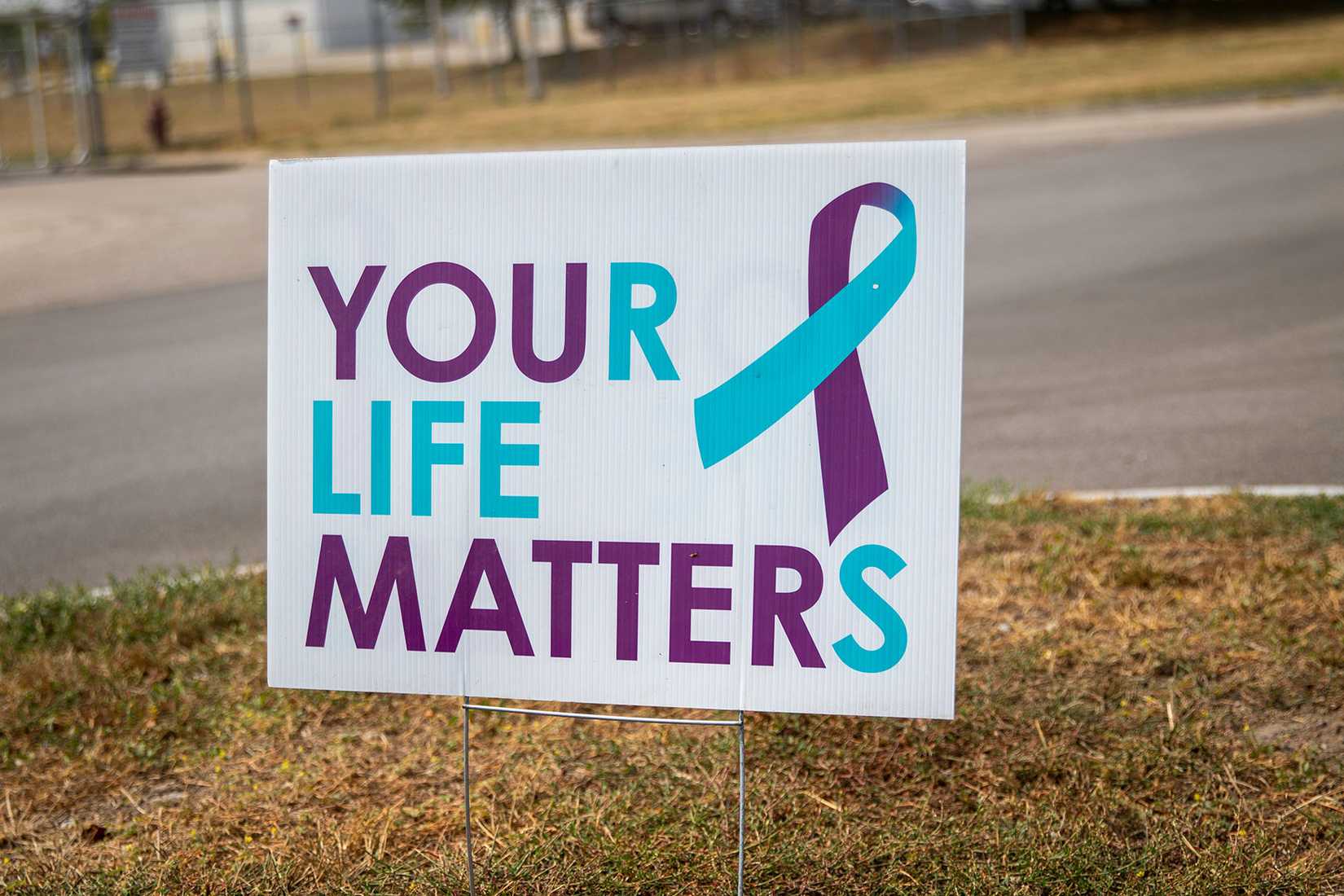
The Centers for Disease Control and Prevention’s cluster guidance recommends coordinated assessment, intervention and prevention, and says officials need not wait for definitive statistical confirmation before responding to a suspected cluster.
The CDC also distinguishes responding to a suspected cluster from proving its causes, allowing support measures to be tailored to the affected community while investigators determine what happened.
Elfreth and Maryland lawmakers say counting civilian deaths alongside military deaths would give Congress and commanders a fuller picture of losses across mixed teams, though tracking data alone does not establish whether workplace conditions contributed to any individual death.
If you or someone you know is struggling or in crisis, help is available by calling or texting 988, or chatting at 988lifeline.org. Veterans and service members can press 1 to reach the Veterans Crisis Line.
Read the full article here
43 Comments
I like the balance sheet here—less leverage than peers.
The cost guidance is better than expected. If they deliver, the stock could rerate.
Good point. Watching costs and grades closely.
Production mix shifting toward USA might help margins if metals stay firm.
Good point. Watching costs and grades closely.
Nice to see insider buying—usually a good signal in this space.
The cost guidance is better than expected. If they deliver, the stock could rerate.
Good point. Watching costs and grades closely.
Silver leverage is strong here; beta cuts both ways though.
Production mix shifting toward USA might help margins if metals stay firm.
Good point. Watching costs and grades closely.
Good point. Watching costs and grades closely.
The cost guidance is better than expected. If they deliver, the stock could rerate.
I like the balance sheet here—less leverage than peers.
I like the balance sheet here—less leverage than peers.
Production mix shifting toward USA might help margins if metals stay firm.
Interesting update on NSA, Cyber Command Suicides Expose Gap in Pentagon Civilian Tracking. Curious how the grades will trend next quarter.
If AISC keeps dropping, this becomes investable for me.
Good point. Watching costs and grades closely.
Good point. Watching costs and grades closely.
I like the balance sheet here—less leverage than peers.
The cost guidance is better than expected. If they deliver, the stock could rerate.
Good point. Watching costs and grades closely.
Good point. Watching costs and grades closely.
Exploration results look promising, but permitting will be the key risk.
Good point. Watching costs and grades closely.
Good point. Watching costs and grades closely.
If AISC keeps dropping, this becomes investable for me.
The cost guidance is better than expected. If they deliver, the stock could rerate.
Good point. Watching costs and grades closely.
Exploration results look promising, but permitting will be the key risk.
Uranium names keep pushing higher—supply still tight into 2026.
Good point. Watching costs and grades closely.
Good point. Watching costs and grades closely.
Production mix shifting toward USA might help margins if metals stay firm.
The cost guidance is better than expected. If they deliver, the stock could rerate.
Good point. Watching costs and grades closely.
Good point. Watching costs and grades closely.
I like the balance sheet here—less leverage than peers.
Good point. Watching costs and grades closely.
Silver leverage is strong here; beta cuts both ways though.
Good point. Watching costs and grades closely.
Good point. Watching costs and grades closely.