

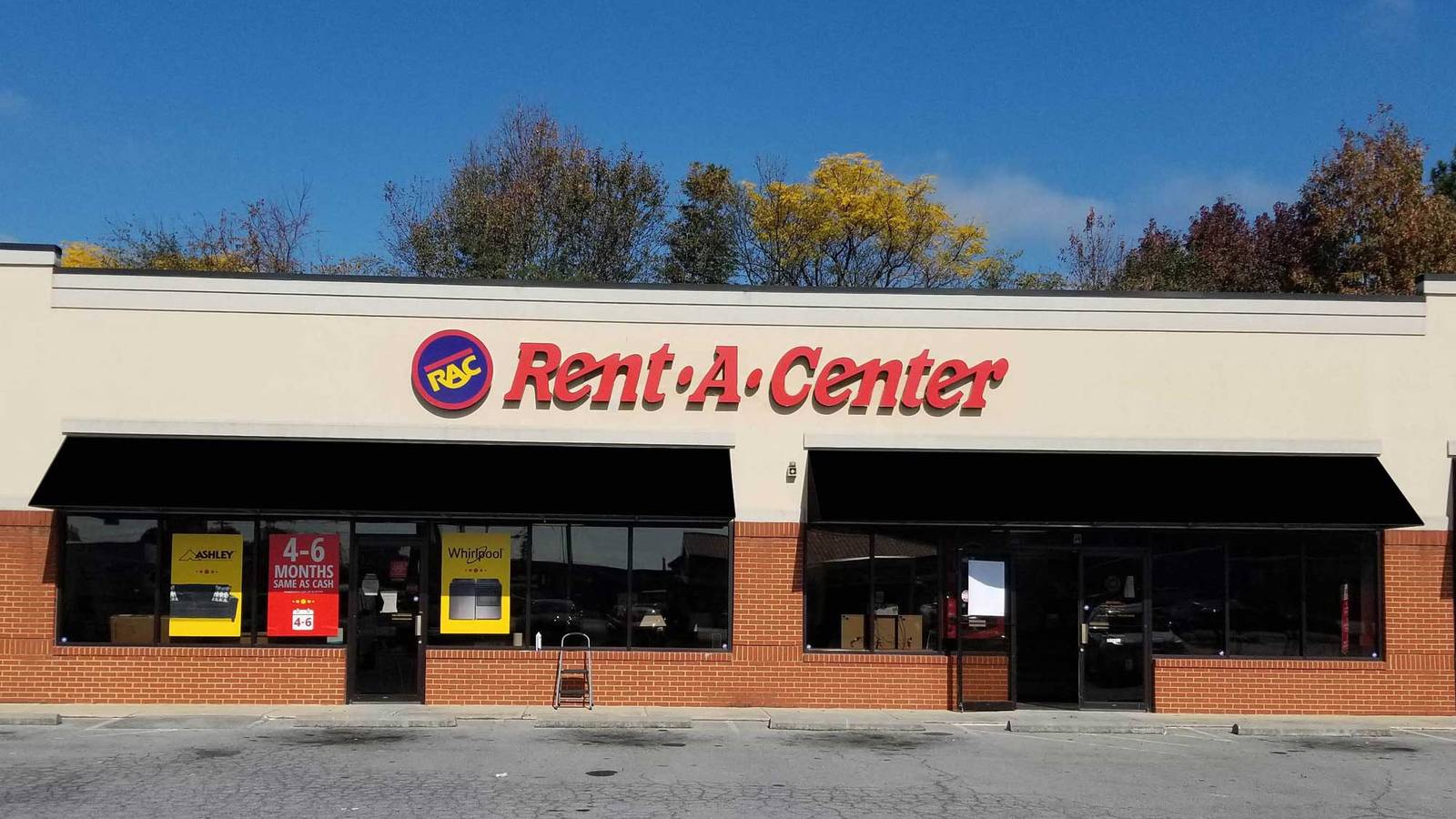
Rent-to-own chains have long courted service members and veterans as customers. Now a growing number of veterans own and run those businesses.
Relocations or permanent change of station orders have made buying furniture and other household items more of a liability than an asset for those who serve.
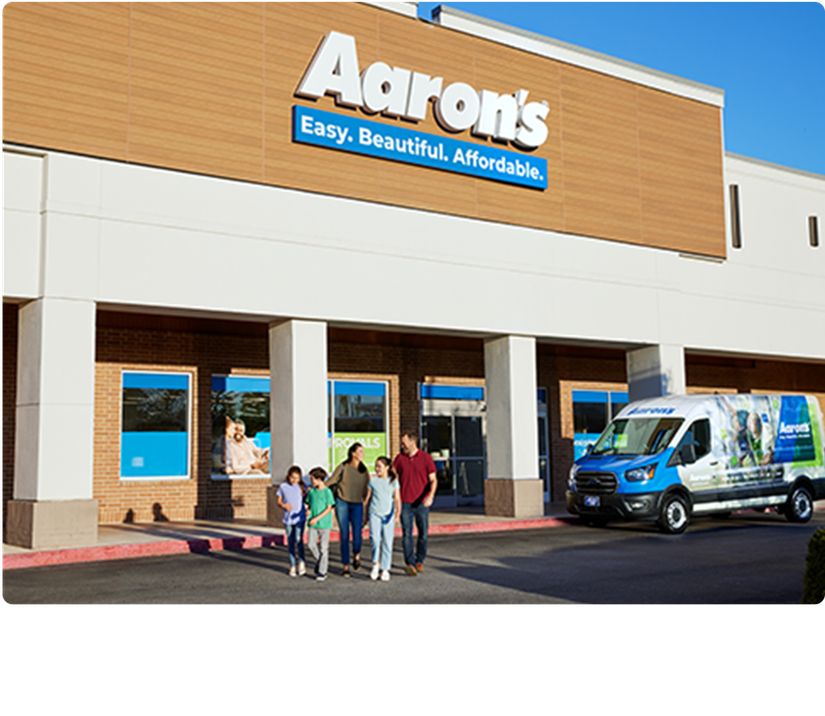
But nationwide rent-to-own chains like Aaron’s and Rent-A-Center not only continue to court business from military members, but veterans are also being recruited to own these businesses as franchisees or executives in the $11.8 billion RTO industry.
Jeff Lebakken, owner of Lebakkens Rent to Own of Wisconsin, is a Gulf War veteran, retired Army captain and a second-generation business owner. His family founded the business in 1975 with a military focus.
“My company gives a 5% discount on all merchandise for rent or sale and I see that other companies do as well. I also give preferential treatment to all veterans applying for employment and I have heard of other companies doing the same,” Lebakken said in a statement to Military.com. “My company has also donated merchandise to veteran families associated with war service.”
Rent-To-Own Industry’s Mixed History
According to the Association of Professional Rental Organizations, rent-to-own stores let shoppers buy furniture and electronics over time, without requiring credit checks, down payments or even bank accounts.
Shoppers can purchase items by paying “rent” on them for a set period of time; they can also decide to stop paying and return the items without penalty.
The catch is that shoppers who do want to buy the items often end up paying double or triple the retail value of their purchase, at effective interest rates of more than 100%.
For years, consumer advocates have criticized the RTO industry’s solicitation of military members as predatory, alleging that rent-to-own stores unfairly target service members for high-interest, high-fee loan transactions.
But as military members own these businesses in larger numbers, many are looking out for their military customers with discounts and targeted campaigns, while also hiring veterans as a preferred talent pool. Retired Marine Corps officer Mark Connelly started in the RTO industry after leaving the service in 1997.
“Because of my background in the military, we have always looked for great people coming out of the military. I have hired other officers from the military and also many enlisted service members,” Connelly said in a statement to Military.com. “The training these veterans received in the military is a great fit for what we do in RTO. We have even hired a Navy SEAL!”
Rent-To-Own Success Stories
Gregg Skinner is another military veteran turned RTO success story. He owns Leopard Mobility, a Dallas, Texas-based RTO electronics wholesaler that supplies RTO dealers.
He credits his military background with teaching him discipline and structure, qualities that transferred directly to running a business and hiring other like-minded veterans.
“RTO is much like the military in that it takes teamwork and dependence on your co-workers to accomplish tasks and run a profitable business,” Skinner said. “We have hired several veterans at Leopard Mobility, and we continue to support veteran programs through giving both monetarily and through volunteer opportunities.”
Frank Rotert is a retired U.S. Navy veteran and vice president and co-owner of Ace Rent To Own, which has 24 locations across Nebraska. He grew with the company from account manager to co-owner over a 31-year span and said the lessons he learned in the Navy had a direct and lasting impact on his professional success.
“Many of the same qualities that are critical in the military are equally valuable in business leadership. In the Navy, every person is responsible for completing their mission and taking ownership of their actions,” Rotert said in a statement to Military.com. “In the rent-to-own industry, those same principles have helped me manage employees, serve customers, and make sound business decisions.”
He added, “Growing Ace Rent To Own from three stores to 24 locations required building strong teams, developing future leaders, and creating an environment where employees could succeed.”
The Association of Professional Rental Organizations (APRO) is America’s only national trade association for the rental-purchase industry. According to its website, its mission is to provide valuable member benefits, maintain a benevolent business climate, and promote professionalism with responsibility and integrity throughout the industry.
According to APRO, the U.S. rent-to-own industry generates about $11.8 billion in annual revenue, operates about 5,445 retail stores nationwide, serves more than 6.7 million households each year, and employs more than 34,000 workers
The organization claims that, at any given time, about 2.1 million customers have active rent-to-own agreements, and rental dealers invest roughly $1.9 billion annually in inventory purchases to supply essential household goods.
Read the full article here
53 Comments
I like the balance sheet here—less leverage than peers.
Good point. Watching costs and grades closely.
Silver leverage is strong here; beta cuts both ways though.
Good point. Watching costs and grades closely.
If AISC keeps dropping, this becomes investable for me.
Good point. Watching costs and grades closely.
Exploration results look promising, but permitting will be the key risk.
Good point. Watching costs and grades closely.
Good point. Watching costs and grades closely.
Uranium names keep pushing higher—supply still tight into 2026.
Good point. Watching costs and grades closely.
Silver leverage is strong here; beta cuts both ways though.
Good point. Watching costs and grades closely.
Nice to see insider buying—usually a good signal in this space.
Good point. Watching costs and grades closely.
Good point. Watching costs and grades closely.
Silver leverage is strong here; beta cuts both ways though.
Good point. Watching costs and grades closely.
I like the balance sheet here—less leverage than peers.
Good point. Watching costs and grades closely.
Silver leverage is strong here; beta cuts both ways though.
Good point. Watching costs and grades closely.
Good point. Watching costs and grades closely.
If AISC keeps dropping, this becomes investable for me.
Good point. Watching costs and grades closely.
The cost guidance is better than expected. If they deliver, the stock could rerate.
Good point. Watching costs and grades closely.
I like the balance sheet here—less leverage than peers.
Good point. Watching costs and grades closely.
Good point. Watching costs and grades closely.
The cost guidance is better than expected. If they deliver, the stock could rerate.
Good point. Watching costs and grades closely.
Good point. Watching costs and grades closely.
I like the balance sheet here—less leverage than peers.
Good point. Watching costs and grades closely.
Good point. Watching costs and grades closely.
Uranium names keep pushing higher—supply still tight into 2026.
Good point. Watching costs and grades closely.
Good point. Watching costs and grades closely.
I like the balance sheet here—less leverage than peers.
The cost guidance is better than expected. If they deliver, the stock could rerate.
Good point. Watching costs and grades closely.
Good point. Watching costs and grades closely.
Uranium names keep pushing higher—supply still tight into 2026.
Good point. Watching costs and grades closely.
Interesting update on Veterans Become Owners and Executives. Curious how the grades will trend next quarter.
Good point. Watching costs and grades closely.
Good point. Watching costs and grades closely.
Interesting update on Veterans Become Owners and Executives. Curious how the grades will trend next quarter.
Good point. Watching costs and grades closely.
Good point. Watching costs and grades closely.
The cost guidance is better than expected. If they deliver, the stock could rerate.
Interesting update on Veterans Become Owners and Executives. Curious how the grades will trend next quarter.