

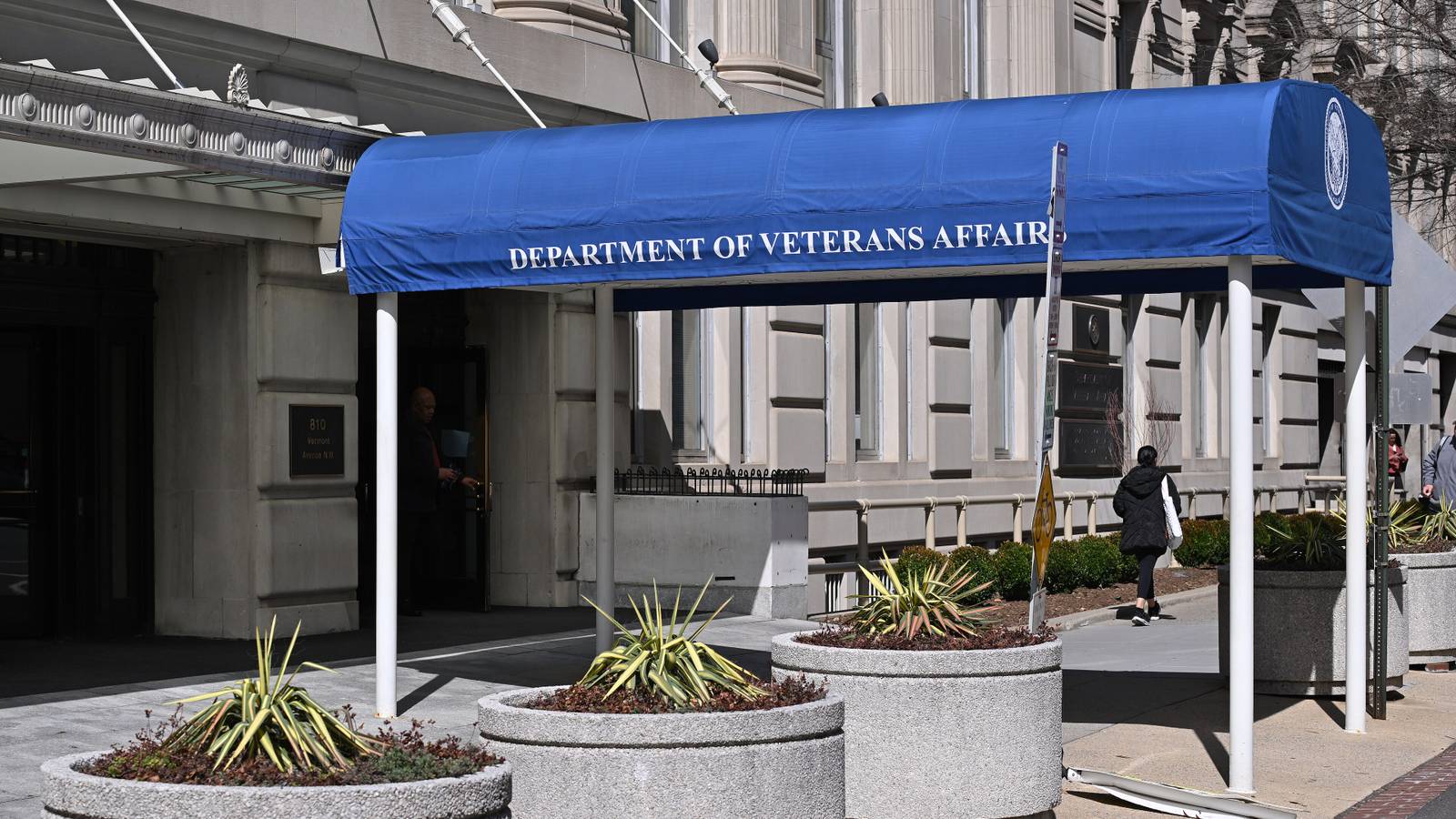
The number of veterans holding a 100% disability rating from the Department of Veterans Affairs (VA) has nearly doubled in four years, surpassing 2 million. This has fueled accusations of widespread fraud, though federal oversight records tell a more complicated story.
Investigators have documented veterans who fraudulently obtained disability benefits. However, available records do not say how many of the nation’s highest disability ratings were obtained dishonestly, or whether fraud accounts for any measurable share of the increase.
The VA’s Fiscal Year 2025 Annual Benefits Report counts 1,847,449 veterans with a 100% combined disability rating as of Sept. 30, 2025, up from 972,893 four years earlier.
That is an 89.9% increase at the top rating while the overall compensation rolls grew 21.3%, meaning nearly three in 10 veterans receiving compensation now hold the highest rating the department awards.
Military.com sent questions to the VA inspector general’s office, including whether the department tracks substantiated fraud by disability rating and whether newer investigation figures exist. No response was received by press time.
Military.com previously reported the two drivers behind the climb, drawn from VA’s own congressional budget submissions.
Where the Surge Actually Came From
The VA raised existing recipients to 100% more than 625,000 times across FY23, FY24 and FY25—roughly three times as often as veterans entered the rolls already rated 100%.
Nearly half of the 255,751 increases in FY25, or 46.4%, went to veterans who already held a 90% rating.
VA’s budget documents attribute the growth to factors the department names but does not quantify. This includes the PACT Act’s expansion of toxic exposure benefits, regulatory changes, record claims production, and more medical issues decided within each claim.
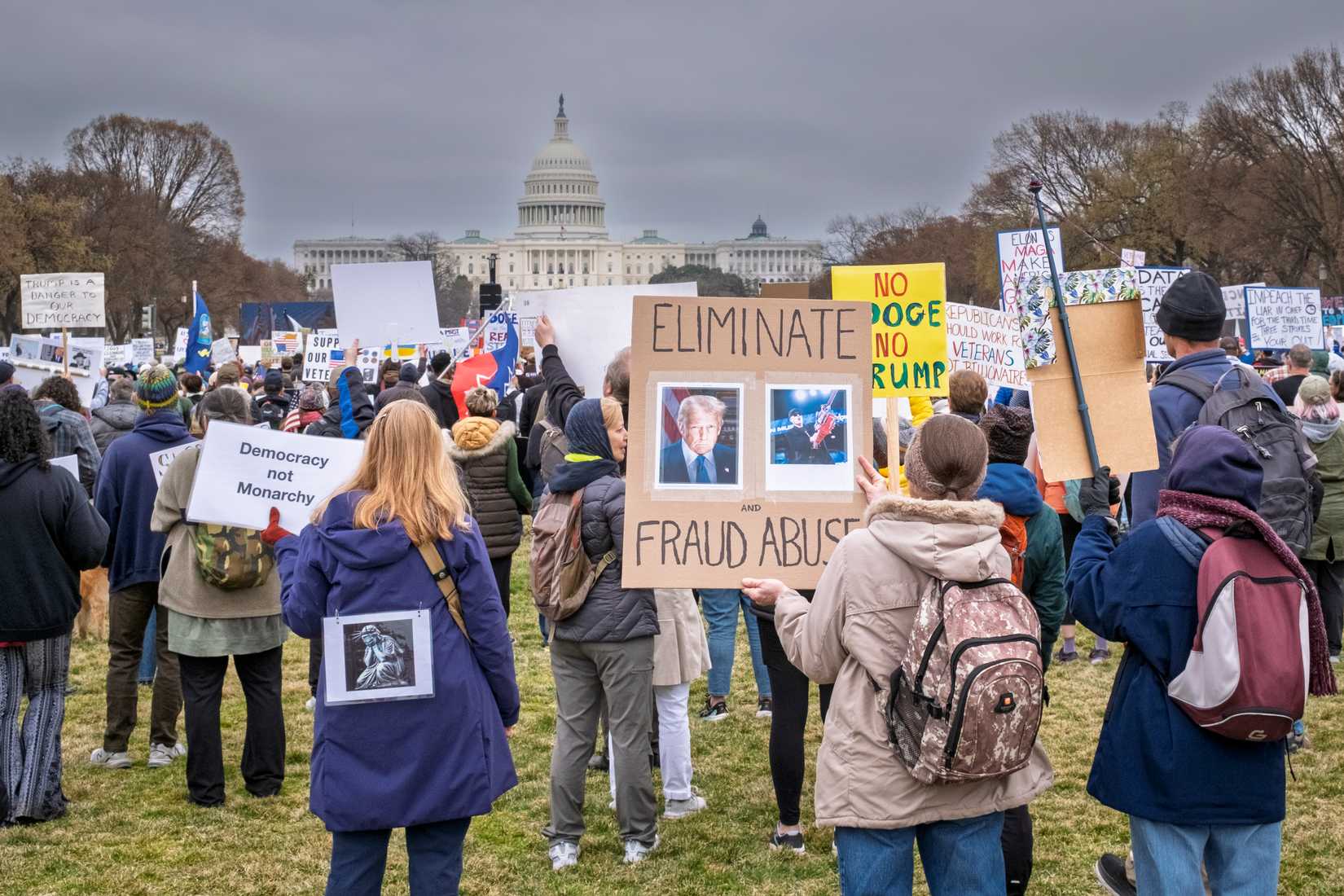
The same records show the average combined rating rose from 63.1% to 65.6% in a single year, which VA described as the largest increase in more than 30 years.
None of those documents offer an estimate of the fraud’s share, in either direction.
What Proven Fraud Looks Like
The VA OIG’s September fraud bulletin describes a veteran in West Virginia who pleaded guilty to collecting $354,813 by falsely claiming post-traumatic stress disorder from Army service.
Another veteran in Missouri took $164,363 using forged discharge papers and fabricated medical records, including an ALS diagnosis that did not exist.
An earlier bulletin recounts a veteran sentenced to 17 months after collecting more than $1 million while claiming paralysis left her bedridden. Investigators found she could walk and had full use of both hands.
Inspector General Cheryl Mason told the Senate Veterans’ Affairs Committee in October 2025 that veterans suspected of compensation fraud made up “approximately 3.7 percent of our active fraud investigations.”
Jon Retzer of Disabled American Veterans put a different figure before the same panel.
“According to the VA Office of Inspector General, fewer than 200 fraud convictions occur each year,” he testified. “With nearly 3 million claims processed annually, that is a fraud rate of 1/100th of 1%.”
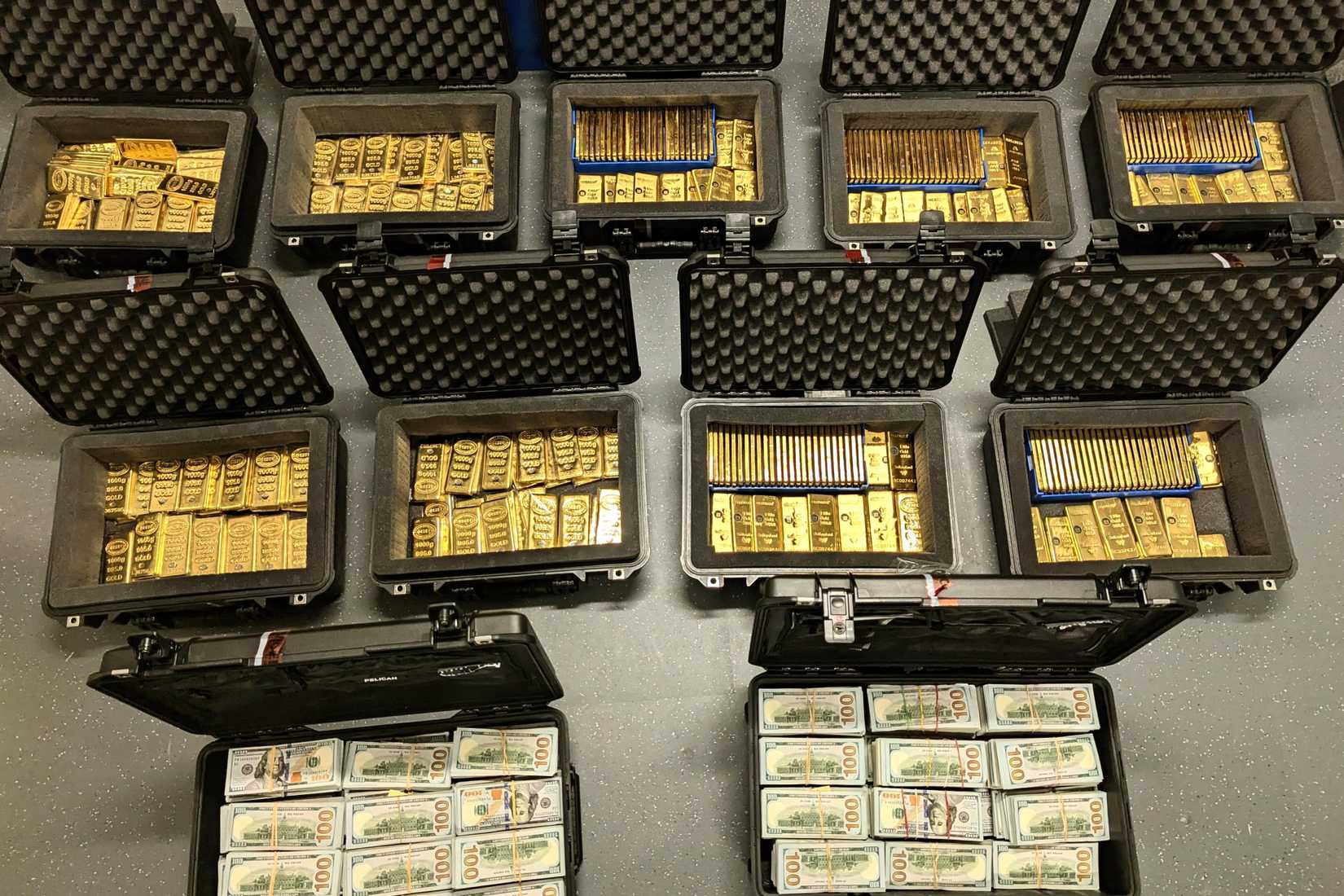
Retzer’s calculation, however, does not measure how prevalent fraud is among disability recipients. Convictions capture cases that were detected and successfully prosecuted, while the number of claims processed represents a much broader pool of administrative actions.
The comparison cannot establish how many fraudulent claims went undetected.
No federal record puts a number on the fraud that was never caught, and no agency has published an estimate of how many of the 1.8 million top ratings were dishonestly obtained.
If You Heard About the $2.4 Billion, It Is Not a Theft Count
VA estimated roughly $2.4 billion in improper or unverifiable disability compensation payments in its most recent financial report, against more than $150 billion paid properly.
Under 31 U.S.C. § 3351, an improper payment is legally defined as any disbursement made in an incorrect amount. It includes both overpayments, underpayments, or payments to an ineligible recipient.
In practice, federal oversight reports show that this total combines administrative mistakes, payments the agency lacked the paperwork to validate, and underpayments.
For the VA, this metric includes hundreds of millions of dollars in underpayments—representing money veterans should have received but did not.
An underpayment cannot be stolen money, which is the plainest sign the figure was never a fraud tally.
VA’s own watchdog reviewed the department’s FY25 payment-integrity reporting in July and found it met all six federal requirements, with every susceptible program below the legal threshold for improper payments, and closed its review without a single recommendation.
Auditors Found Errors
Where federal auditors did find issues, they found it went both ways.
A January 2024 inspector general review estimated that 69% of a narrow population of claims built on public disability benefits questionnaires, or about 22,000 of 31,900 completed in 2022, carried at least one fraud risk indicator.
The report called those indicators signs of possible fraud, not findings of wrongdoing.
The Veterans Benefits Administration closed all five of its corrective recommendations by May 2025. No comparable public re-measurement has appeared since.
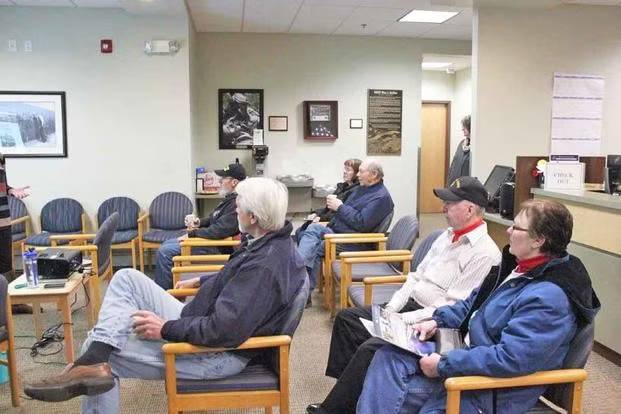
Two more audits this year documented errors by VA’s own processors rather than deception by claimants.
An August 2026 audit estimated that claims processors committed errors in about 34% of a defined group of proposed and final disability compensation reduction decisions made in 2024.
An October review of painful-scar claims estimated errors in about 38% of roughly 17,900 decisions, with $5.6 million in overpayments attached.
The Government Accountability Office reported in July that VA has implemented 28 of the 43 recommendations it has made since 2021 to improve the program, leaving 15 open.
Perception Is Not Reality
A 100% disability rating does not mean a veteran is legally prohibited from working, a person who uses a wheelchair, or unable to participate in everyday activities. A schedular rating reflects the severity of service-connected conditions under VA’s rating system, not necessarily a finding that a veteran cannot hold a job.
The rules differ for Individual Unemployability, which allows qualifying veterans who cannot maintain substantially gainful employment to receive compensation at the 100% rate even when their combined disability rating is lower.
Fraud against veterans’ benefits is real, prosecuted and documented case by case in the inspector general’s files. The surge in top ratings is real too, and VA’s records trace it to benefit expansions, processing changes, and veterans already near the top moving up.
Federal records establish that disability compensation fraud occurs, that the VA’s claims system has documented vulnerabilities, and that the number of veterans receiving 100% ratings has increased dramatically.
Those records do not establish that widespread fraud explains the increase. The available data provide no reliable estimate of how many veterans receiving the highest rating obtained it dishonestly.
Suspicion, administrative error and proven fraud are not interchangeable, even when millions of dollars and millions of veterans are involved.
Read the full article here
44 Comments
I like the balance sheet here—less leverage than peers.
Good point. Watching costs and grades closely.
Interesting update on 100% VA Disability Ratings Nearly Doubled. Proven Fraud Cases Number Only in the Hundreds. Curious how the grades will trend next quarter.
The cost guidance is better than expected. If they deliver, the stock could rerate.
If AISC keeps dropping, this becomes investable for me.
Good point. Watching costs and grades closely.
The cost guidance is better than expected. If they deliver, the stock could rerate.
Nice to see insider buying—usually a good signal in this space.
Exploration results look promising, but permitting will be the key risk.
If AISC keeps dropping, this becomes investable for me.
Good point. Watching costs and grades closely.
Good point. Watching costs and grades closely.
I like the balance sheet here—less leverage than peers.
Production mix shifting toward USA might help margins if metals stay firm.
Good point. Watching costs and grades closely.
Good point. Watching costs and grades closely.
I like the balance sheet here—less leverage than peers.
Good point. Watching costs and grades closely.
Production mix shifting toward USA might help margins if metals stay firm.
Interesting update on 100% VA Disability Ratings Nearly Doubled. Proven Fraud Cases Number Only in the Hundreds. Curious how the grades will trend next quarter.
Good point. Watching costs and grades closely.
Good point. Watching costs and grades closely.
Uranium names keep pushing higher—supply still tight into 2026.
Good point. Watching costs and grades closely.
Good point. Watching costs and grades closely.
Uranium names keep pushing higher—supply still tight into 2026.
Uranium names keep pushing higher—supply still tight into 2026.
Good point. Watching costs and grades closely.
Production mix shifting toward USA might help margins if metals stay firm.
Good point. Watching costs and grades closely.
Good point. Watching costs and grades closely.
Exploration results look promising, but permitting will be the key risk.
Silver leverage is strong here; beta cuts both ways though.
Silver leverage is strong here; beta cuts both ways though.
Good point. Watching costs and grades closely.
Interesting update on 100% VA Disability Ratings Nearly Doubled. Proven Fraud Cases Number Only in the Hundreds. Curious how the grades will trend next quarter.
Good point. Watching costs and grades closely.
I like the balance sheet here—less leverage than peers.
Good point. Watching costs and grades closely.
The cost guidance is better than expected. If they deliver, the stock could rerate.
Good point. Watching costs and grades closely.
Good point. Watching costs and grades closely.
The cost guidance is better than expected. If they deliver, the stock could rerate.
If AISC keeps dropping, this becomes investable for me.