

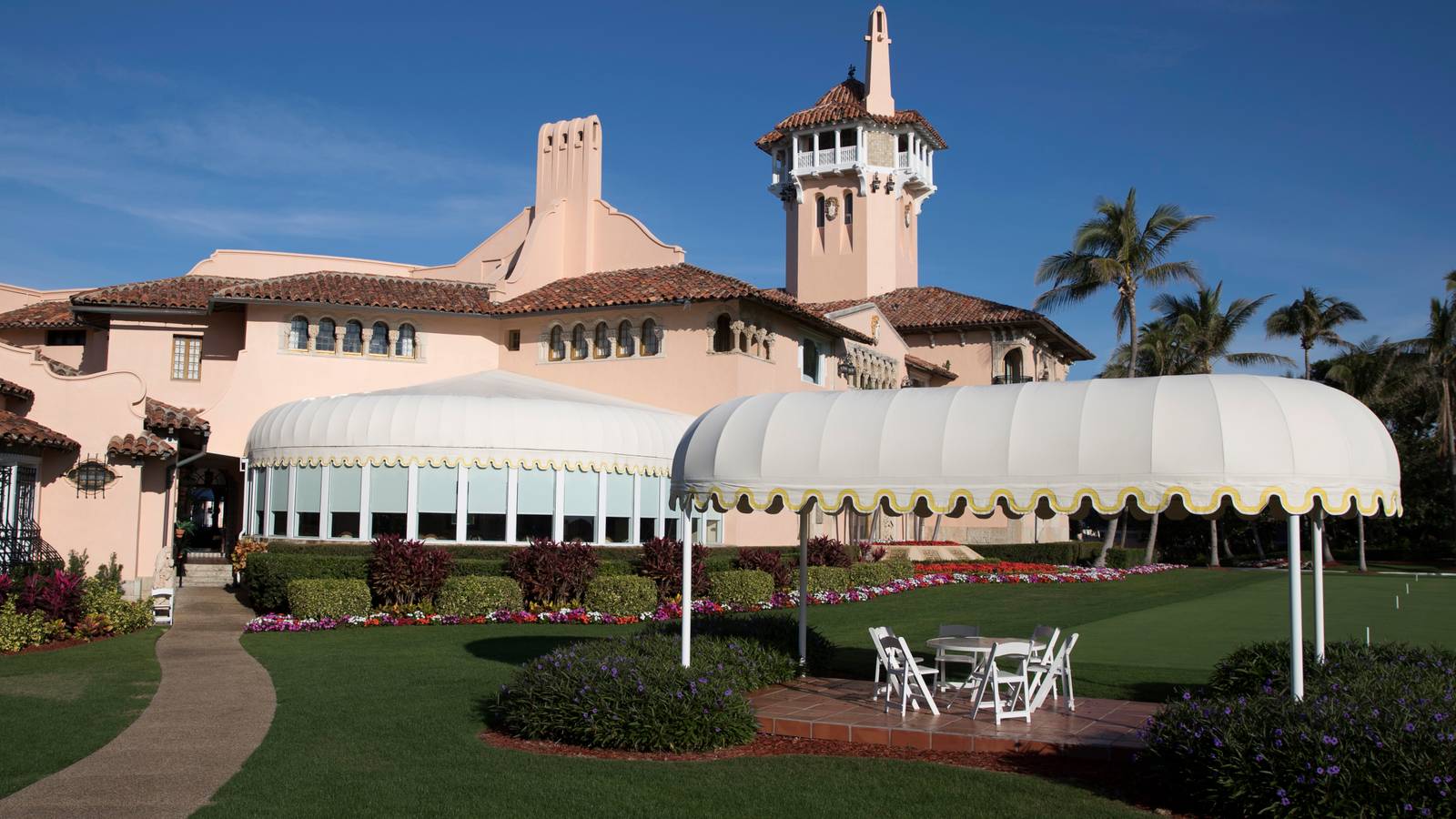
The U.S. military has deployed short-range air defense systems around President Donald Trump’s Mar-a-Lago estate in Florida, expanding protection at a private property that has already required millions of dollars in federal security expenditures.
The North American Aerospace Defense Command (NORAD) and U.S. Northern Command confirmed the deployment Oct. 23, saying they positioned the equipment at the Secret Service’s request. Photographs identified Humvee-mounted Avenger short-range air defense systems, which are designed to engage low-flying aircraft and other aerial threats.
The military has not disclosed the deployment’s cost, duration or whether a particular threat prompted the decision. However, the additional defenses expand an operation that already requires fighter aircraft, military personnel and coordination among federal agencies.
Similar military operations protected previous presidents at their personal residences, although the latest deployment adds ground-based missile systems to the aircraft traditionally used to defend presidential airspace.
Bush’s Texas Ranch Had Military Air Protection
George W. Bush’s ranch near Crawford, Texas, offers a comparison.
In December 2007, the Air Force deployed seven fighter jets and 113 airmen to Fort Hood to protect Bush during his Christmas vacation. The aircraft monitored a 30-mile radius around the ranch under Operation Noble Eagle, the military’s homeland defense mission established after the Sept. 11, 2001, terrorist attacks.
The military has a long history of providing extensive air defense protection at private presidential retreats, although there is no public documentation indication that ground-based missile systems were stationed at Bush’s ranch.
Avenger systems themselves have an established domestic mission. The Army National Guard has used Avengers, Stinger missiles and radar systems to defend Washington, D.C., airspace.
Their appearance near Mar-a-Lago therefore represents an application of existing military capabilities rather than an entirely new homeland defense mission.
Presidential Travel Creates Recurring Security Demands
Presidents have frequently traveled outside Washington, requiring federal security protection at private residences and vacation destinations.
During his eight-year presidency, George W. Bush spent 1,024 days between his Texas ranch, his family’s Maine property, and Camp David.
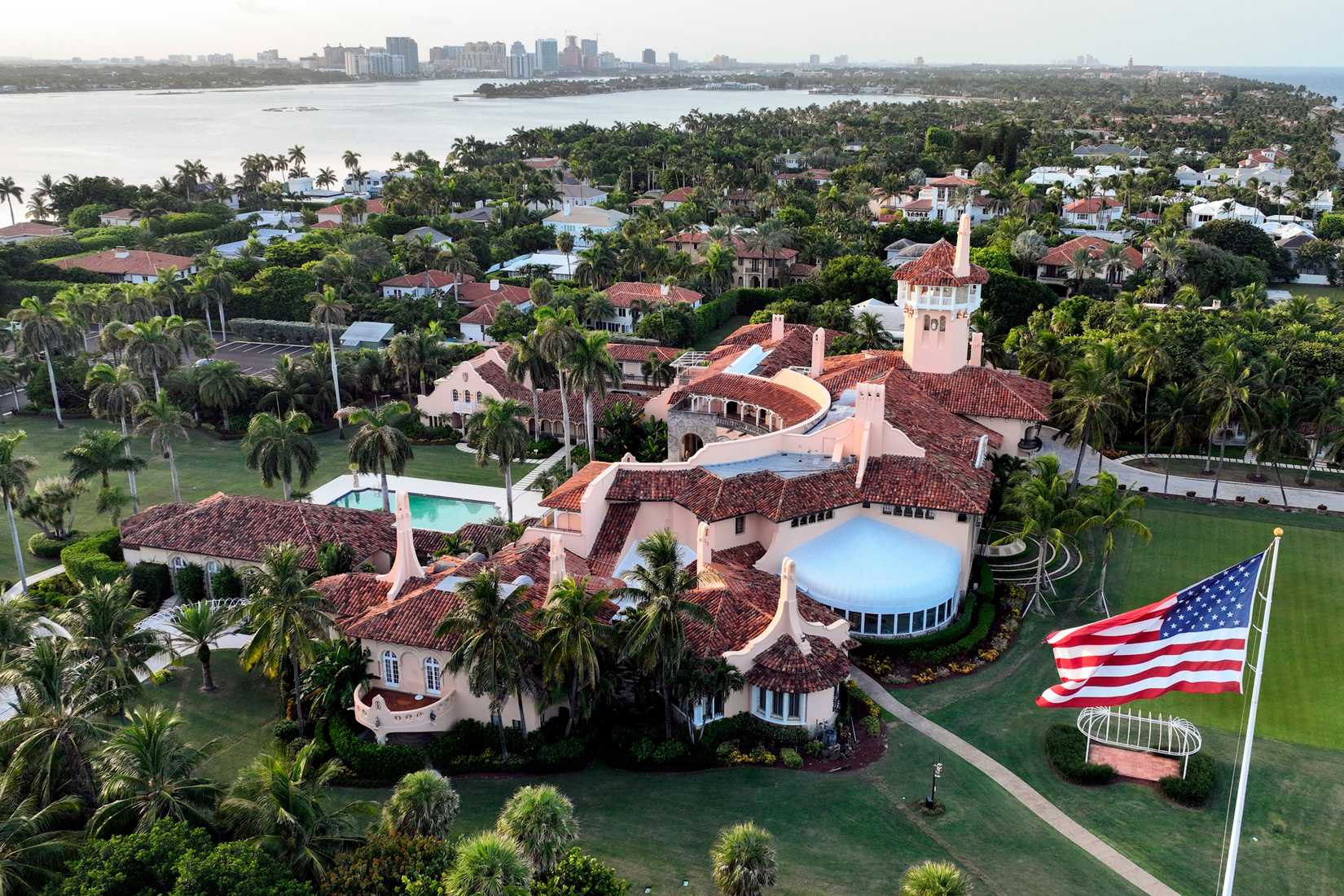
Barack Obama spent 328 days on vacation or at Camp David during his two terms.
Joe Biden, during his four-year presidency that preceded Trump’s second term, spent approximately 577 days at his Delaware residences, Camp David and other destinations.
Through October 2026, Trump has spent at least 655 days at properties across both presidencies.
These figures measure different categories of travel and cannot establish comparative security costs. However, trips to private properties require security arrangements tailored to each location, while government facilities such as Camp David already maintain permanent military support infrastructure.
Mar-a-Lago Visits Have Cost Taxpayers Millions
A Government Accountability Office investigation estimated that four Mar-a-Lago trips between February and March 2017 cost federal agencies approximately $13.6 million.
The Defense Department incurred approximately $8.5 million, while the Department of Homeland Security spent $5.1 million. Aircraft and boat operations accounted for $10.6 million, with temporary-duty expenses totaling another $3 million.
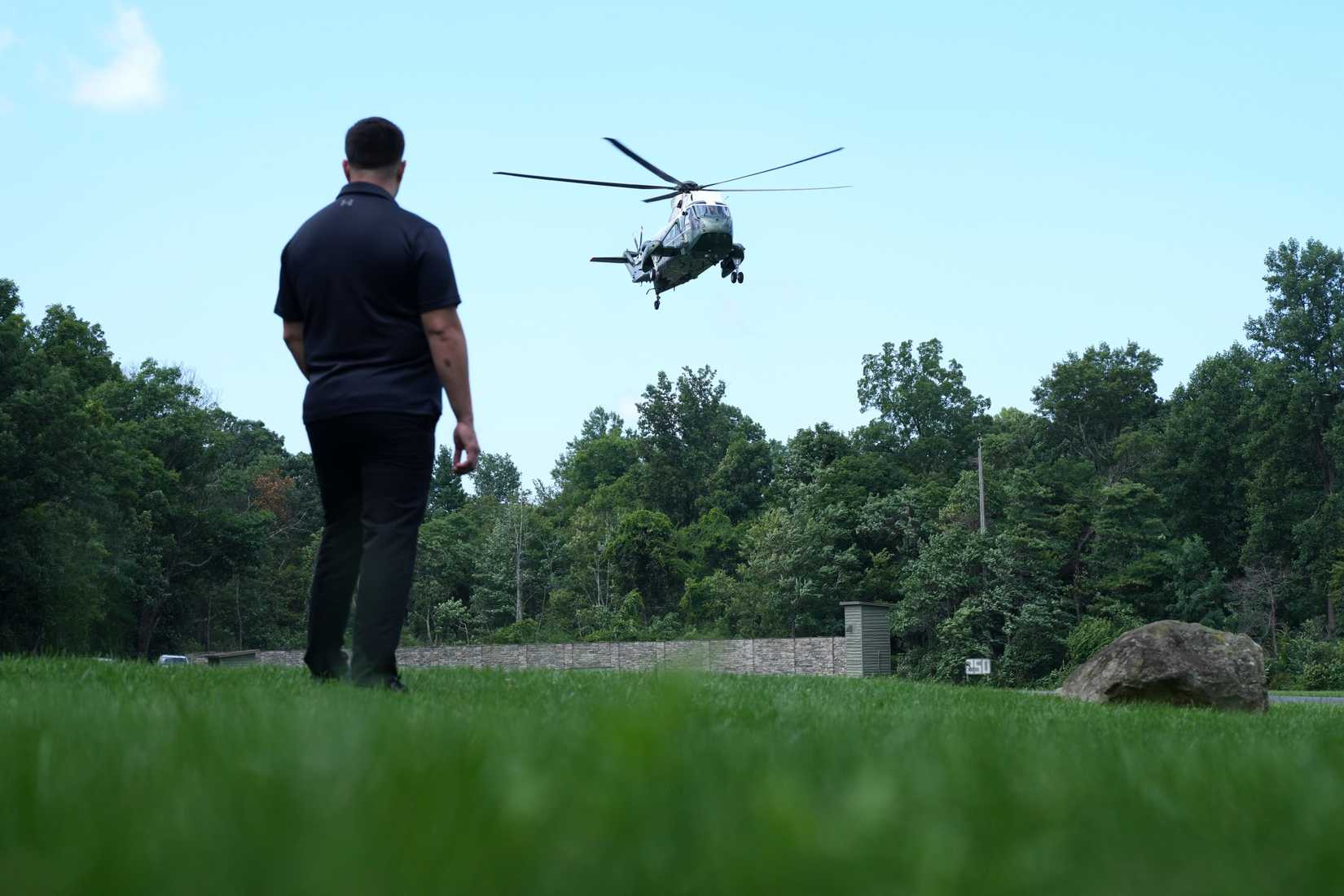
The estimate excluded classified expenditures and regular personnel salaries. It also cannot reliably establish the costs of Trump’s current travel or the new missile deployment. Ground-based air defenses introduce potential additional expenses for transportation, maintenance and operational personnel.
NORAD has confirmed more than 60 interceptions of aircraft violating restricted airspace near Mar-a-Lago since January 2025, although officials indicated that most involved pilot mistakes rather than deliberate threats.
Camp David Provides a Government-Operated Alternative
Presidents also have access to Camp David (formally known as Naval Support Facility Thurmont), a military installation in Maryland’s Catoctin Mountains.
The presidential retreat is staffed by Navy and Marine Corps personnel and has accommodated presidential visits, official meetings and foreign dignitaries since Franklin Roosevelt’s administration.
Unlike Mar-a-Lago, Camp David is an established government facility designed for presidential use. It requires permanent staffing, maintenance and security expenditures, and no verified government comparison establishes precisely how much money choosing Camp David would save.
The choice of where a president stays determines much of the security operation that follows. At Mar-a-Lago, that now includes missile systems capable of engaging airborne threats, even as most reported airspace violations have involved civilian pilots.
The deployment underscores the military’s responsibility to prepare for threats that may never materialize, while leaving the expense of that readiness largely outside public view.
Read the full article here
34 Comments
If AISC keeps dropping, this becomes investable for me.
Good point. Watching costs and grades closely.
If AISC keeps dropping, this becomes investable for me.
Good point. Watching costs and grades closely.
I like the balance sheet here—less leverage than peers.
Good point. Watching costs and grades closely.
I like the balance sheet here—less leverage than peers.
Good point. Watching costs and grades closely.
Silver leverage is strong here; beta cuts both ways though.
Good point. Watching costs and grades closely.
Exploration results look promising, but permitting will be the key risk.
Nice to see insider buying—usually a good signal in this space.
Good point. Watching costs and grades closely.
Production mix shifting toward USA might help margins if metals stay firm.
Uranium names keep pushing higher—supply still tight into 2026.
Good point. Watching costs and grades closely.
Uranium names keep pushing higher—supply still tight into 2026.
Silver leverage is strong here; beta cuts both ways though.
Good point. Watching costs and grades closely.
Good point. Watching costs and grades closely.
Nice to see insider buying—usually a good signal in this space.
I like the balance sheet here—less leverage than peers.
Good point. Watching costs and grades closely.
Production mix shifting toward USA might help margins if metals stay firm.
Good point. Watching costs and grades closely.
Good point. Watching costs and grades closely.
Production mix shifting toward USA might help margins if metals stay firm.
I like the balance sheet here—less leverage than peers.
Exploration results look promising, but permitting will be the key risk.
Exploration results look promising, but permitting will be the key risk.
Good point. Watching costs and grades closely.
Silver leverage is strong here; beta cuts both ways though.
Interesting update on Mar-a-Lago Gets Missile Defenses as Trump’s Presidential Security Costs Grow. Curious how the grades will trend next quarter.
Good point. Watching costs and grades closely.